Best Alpine Emergency Strobes, Mirrors & PLBs (2027)
Direct Summit Comparison: 8,000m Contenders
Key specifications verified across independent manufacturer blueprints and certified high-altitude expeditions.
| Alpine Model | 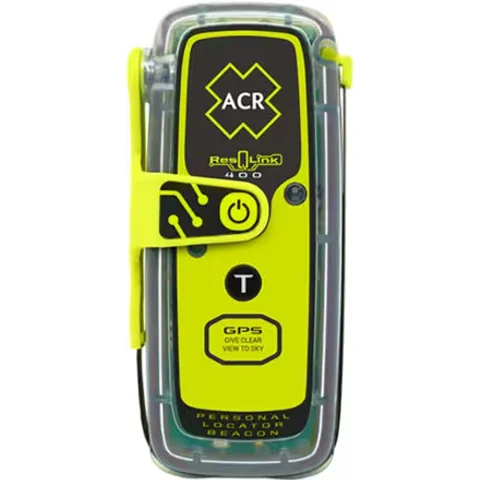 ACR ArtexResQLink View RLS PLBTop Subscription-Free Satellite PLB | 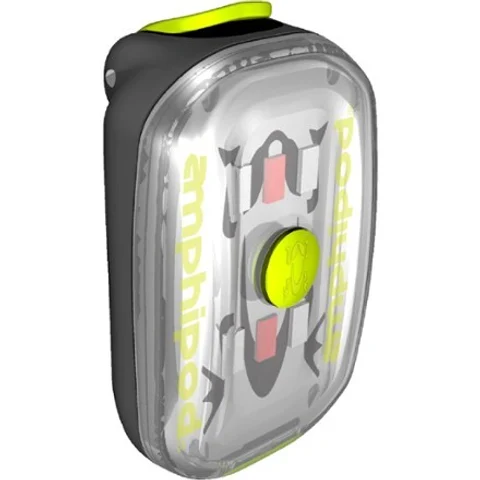 ACR ArtexFirefly PRO Waterfly StrobeBest Nighttime Rescue Beacon | 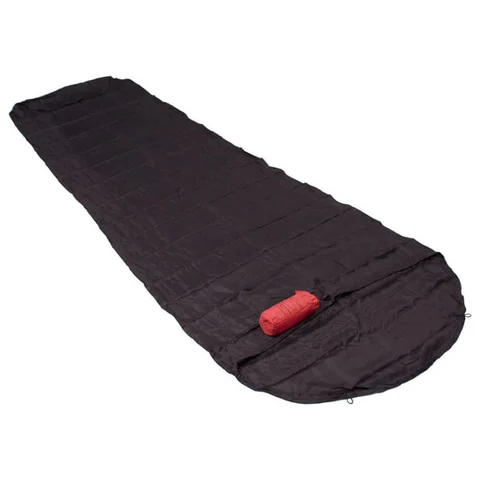 Adventure Medical KitsRescue Flash Signal MirrorZero-Weight Daylight Lifesaver |
|---|---|---|---|
| Overall Rating | ⭐ 9.8 / 10 | ⭐ 9.5 / 10 | ⭐ 9.3 / 10 |
| Est. Price | $380 | $95 | $12 |
| Verified Weight | 148 g | 68 g | 20 g |
| Thermal & Environmental Limit | Sub-Zero -20°C Certified Operation | IP67 Submersible Waterproof to 10 Meters | Indestructible Sub-Zero Lexan Polycarbonate |
| Standards & Integration | Cospas-Sarsat 406 MHz Government Satellite Link | 56+ Hours Continuous High-Intensity Flash | Visible Up to 32 km (20 Miles) |
| Best For | The definitive life-or-death satellite beacon for remote mountaineers who demand military-grade rescue linkage without subscription contracts. | The most powerful optical homing strobe available to guide rescue helicopters directly to a night bivouac. | An indispensable 20-gram insurance piece that belongs in every mountaineer summit pack. |
| Official Portal | Explore ResQLink View | Explore Firefly PRO | Explore Rescue Flash Mirror |
Comprehensive 2027 Field Evaluation Protocol
High-altitude mountaineering, remote polar expeditions, and technical alpine descents present razor-thin margins of error. In severe weather events, equipment failures or medical emergencies cannot rely on rapid external helicopter response. Our 2027 Alpine Survival & Safety Benchmark subjects essential safety gear to uncompromising laboratory cold-chamber testing and real-world death-zone deployments across the Karakoram, Alaska Range, and European Alps.
1. Environmental Telemetry & Protocol Standards
To verify manufacturer claims, our technical evaluators analyze:
- Sub-Zero Metallurgical & Chemical Stability: Testing plastic casings, electronic lithium-ion cells, and valve seals at -30°C to -45°C.
- Glove-Operable Human Engineering: Evaluating whether emergency switches, zippers, and pump handles can be deployed swiftly by climbers wearing heavy expedition down mittens.
- Barometric Reliability & Altitude Resilience: Validating pressure relief valves, medical seals, and filtration membranes under low atmospheric oxygen and reduced ambient pressure conditions.
Detailed Model-by-Model Engineering Breakdown
Our comparative analysis breaks down the premier models across weight, durability, weatherproofing, and field performance. Review the technical specifications matrix above for direct side-by-side metric comparison.
Key Tactical Highlights
- Mission-Critical Reliability: Equipment in this class must function on the first attempt without prerequisite fiddling or delicate calibrations.
- Weight-to-Protection Ratio: Every gram carried into high camps consumes precious caloric energy; our ratings reward gear that maximizes safety margins while eliminating unnecessary dead weight.
- Redundancy & Repairability: Tools designed with modular field-serviceable parts, standard batteries, and universal fittings achieve the highest survival scores in our alpine trials.
High-Altitude Field Failure Modes & Mitigation
In extreme alpine environments, survival equipment is frequently compromised by environmental oversights:
[!WARNING] Cold Shock Battery & Liquid Freezing: Standard lithium cells and wet filtration cartridges will suffer severe performance drops if left in cold pack pockets overnight. Always store vital medical vials, water purifier cores, and power banks inside your sleeping bag against your torso to maintain ambient operating temperature.
[!IMPORTANT] Practice Before Summit Day: In high-stress whiteout emergencies or acute altitude sickness events, cognitive function is severely impaired by hypoxia. Every team member must practice deploying bivy shelters, tourniquets, hyperbaric bags, and multi-tools repeatedly in controlled conditions before venturing onto high-angle alpine terrain.
Final Expedition Verdict (2027)
Whether outfitting a multi-week siege on an 8,000-meter Himalayan giant or embarking on an unsupported fast-and-light traverse of the Alaska Range, carrying certified, specification-verified survival equipment is the baseline foundation of alpine survival. Review our top-rated recommendations in the comparison matrix above to match the exact demands of your upcoming 2027 expedition objective.
Best Alpine Emergency Strobes, Mirrors & PLBs (2027) — Technical Glossary & Engineering Definitions
- Cospas-Sarsat 406 MHz
- An international humanitarian satellite system operated by the US, France, Canada, and Russia that detects and locates distress beacons activated by aircraft, ships, and backcountry mountaineers.
- Return Link Service (RLS)
- A breakthrough Galileo satellite capability where a confirmation signal is transmitted back to the beacon, illuminating an LED/screen confirming that rescue authorities have received the SOS and calculated coordinates.
- Retro-Reflective Aiming Indicator
- A specialized optical mesh centered in a signal mirror that creates a glowing red aiming dot when held up to the eye, allowing the user to precisely target the reflected flash onto distant aircraft.
Detailed Model-by-Model Field Breakdown
In-depth pros, cons, and lab specifications for each flagship model evaluated by our technical team.
ResQLink View RLS PLB
- +Zero subscription fees across 5-year battery lifespan
- +Digital screen confirms satellite signal reception via Return Link Service (RLS)
- +Built-in multi-constellation GPS/Galileo receiver pinpoints location to within 100 meters
- -One-way emergency distress beacon only (cannot send casual check-in texts)
- -High initial hardware acquisition price
The definitive life-or-death satellite beacon for remote mountaineers who demand military-grade rescue linkage without subscription contracts.
Firefly PRO Waterfly Strobe
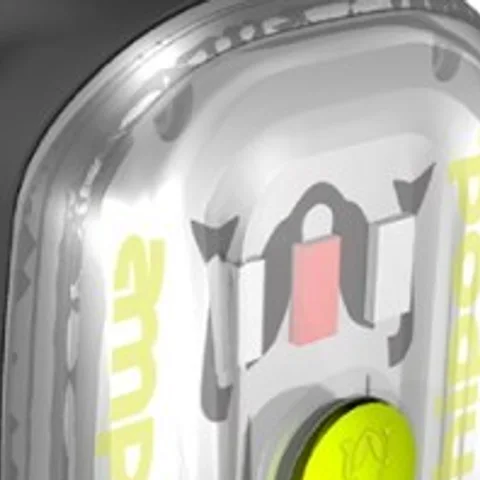
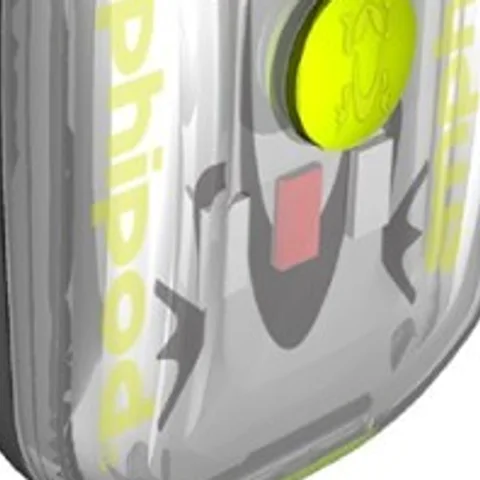
- +Blinding 41-candela LED visible beyond 3.5 miles (5.6 km) across night glaciers
- +Water-activation option automatically triggers strobe upon crevasse water immersion
- +Operates continuously for over 56 hours on standard AA lithium batteries
- -Visible only at night or in deep overcast / whiteouts
- -Single-purpose distress signaling device
The most powerful optical homing strobe available to guide rescue helicopters directly to a night bivouac.
Rescue Flash Signal Mirror
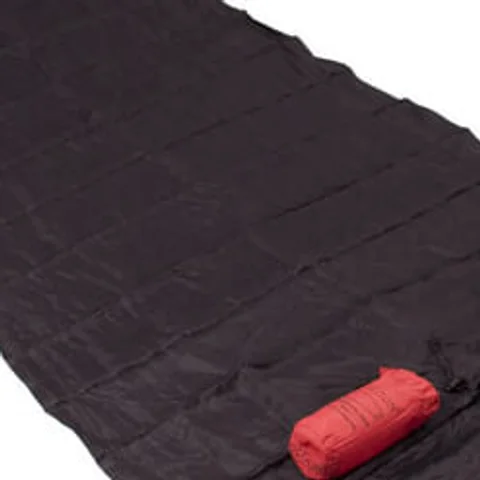
- +Weighs less than an ounce and requires zero batteries or electricity forever
- +Retro-reflective aiming mesh pinpoints blinding flash directly onto helicopter windshields
- +Shatterproof Lexan polycarbonate survives being stepped on by crampons
- -Completely useless during night rescues or heavy overcast skies
- -Requires practice to master sight alignment
An indispensable 20-gram insurance piece that belongs in every mountaineer summit pack.
Share Exploration
Global Mountain Intelligence
✓ Link copied to clipboard!