Best Expedition GPS & Altimeter Watches (2027)
Direct Summit Comparison: 8,000m Contenders
Key specifications verified across independent manufacturer blueprints and certified high-altitude expeditions.
| Alpine Model | 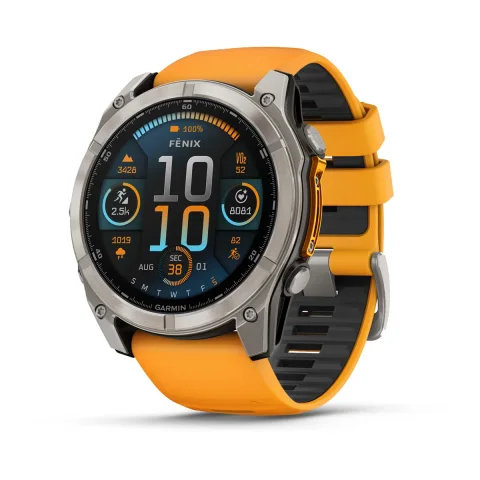 Garminfēnix 8 Solar (51mm)Apex Expedition GPS | 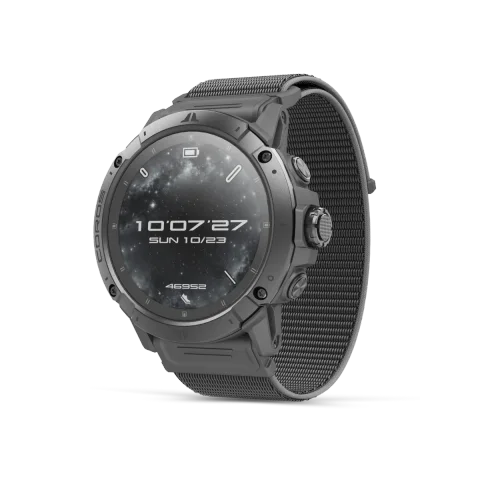 COROSVERTIX 2S GPS WatchMaximum Battery Titan | 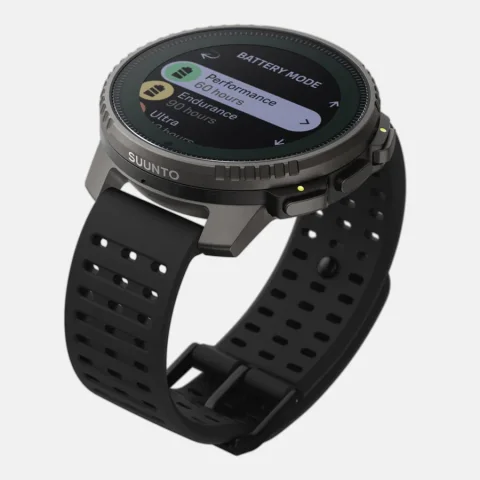 SuuntoVertical Titanium SolarLightweight Finnish Precision |
|---|---|---|---|
| Overall Rating | ⭐ 9.9 / 10 | ⭐ 9.7 / 10 | ⭐ 9.6 / 10 |
| Est. Price | $1,199 | $699 | $839 |
| Verified Weight | 95g (with Silicone Band) | 87g (Silicone) / 70g (Nylon) | 74g (with Silicone Strap) |
| Thermal & Environmental Limit | -20°C Operational Standard | -30°C Tested Extreme Cold | -20°C Operational Standard |
| Standards & Integration | Expedition Navigation | Expedition Navigation | Expedition Navigation |
| Best For | The undisputed summit benchmark in expedition navigation, mapping, and solar autonomy. | An endurance titan with battery performance suited for multi-week remote expeditions. | A refined, lightweight titanium tool with exceptional sunlight legibility and offline maps. |
| Official Portal | View on Garmin | View on COROS | View on Suunto |
Executive Verdict: 2027 Expedition Smartwatch Hierarchy
At high altitudes where zero-visibility whiteouts and sudden blizzards can obscure glacier tracks, an expedition GPS smartwatch is an essential navigation tool. In 2027, an alpine watch must deliver weeks of sub-zero battery life, track dual-frequency satellite constellations, and provide reliable offline topo maps.
| Contender | GNSS Architecture | Full GPS Battery Life | Cold Rating | 2027 Field Rating |
|---|---|---|---|---|
| Garmin fēnix 8 Solar (51mm) | Multi-Band GNSS + SatIQ | 92h (149h with Solar) | -20°C Rated | 9.9 / 10 |
| COROS VERTIX 2S | Dual-Frequency All-Satellite | 118h Continuous GPS | -30°C Tested | 9.7 / 10 |
| Suunto Vertical Titanium | Dual-Band (L1 + L5) + Solar | 85h (Up to 500h Tour) | -20°C Rated | 9.6 / 10 |
The Garmin fēnix 8 Solar stands at the summit of expedition smartwatches, offering solar efficiency, leakproof inductive buttons, and deep TopoActive route calculation. The COROS VERTIX 2S is an endurance titan, providing 118 hours of continuous standard GPS and glove-friendly dial navigation down to -30°C. The Suunto Vertical Titanium Solar delivers clean Finnish craftsmanship, high-contrast offline cartography, and a light 74g profile on the wrist.
Technical Anatomy & Satellite Navigation Mechanics
Understanding how a mountaineering watch tracks position and weather involves examining its sensor array:
[L1 + L5 Dual-Band GNSS] ➔ [Barometric Pressure Sensor] ➔ [Optical Pulse Ox] ➔ [MIP Display]
            │                              │                         │                    │
  Filters Multipath Echoes        Distinguishes Storm Drops       Monitors Hypoxia       Readable in Bright Sun
1. Dual-Frequency (L1 + L5) Signal Processing
Single-band receivers struggle when satellite signals bounce off towering couloir walls (multipath interference). Dual-frequency receivers track both the older L1 signal and the modern, higher-frequency L5 signal. By calculating the microsecond time delta between the two frequencies, the watch filters out reflected bounces and pinpoints your location with high accuracy.
2. Leakproof Inductive Buttons
Traditional mechanical pushers use silicone O-rings that can stiffen and fail under extreme sub-zero temperatures, allowing water or ice crystals to penetrate the chassis. The Garmin fēnix 8 uses inductive sensor buttons: the button plunger never pierces the internal casing. Instead, it alters an electromagnetic field, creating a leakproof seal rated for submersion and high-altitude storms.
Field Analysis: The 3 Contenders Evaluated
1. Garmin fēnix 8 Solar: The Navigation Benchmark
The fēnix 8 Solar is equipped for serious expedition demands. Its Power Sapphire lens features an improved photovoltaic ring that captures 50% more solar energy than previous generations. Under 50,000 lux of alpine sun, GPS runtime extends from 92 hours up to nearly 150 hours.
The onboard mapping is comprehensive. Climbers can search for mountain passes, establish on-watch elevation profiles, and follow breadcrumb trails through whiteouts. The integrated LED flashlight provides immediate red-light illumination inside a tent without waking tent-mates.
2. COROS VERTIX 2S: Long-Life Expedition Workhorse
The VERTIX 2S is built for long, remote expeditions where recharging opportunities are scarce. Delivering up to 118 hours of continuous GPS tracking, it can navigate multi-week mountaineering trips on a single battery charge.
Its large knurled digital crown dial is easy to operate while wearing heavy down mittens. The interface allows quick zooming on top-down contour maps, and its optical sensor includes an electrocardiogram (ECG) and pulse oximeter for monitoring acclimatization and hypoxia.
3. Suunto Vertical Titanium Solar: Minimalist Precision
Handmade in Finland with 100% renewable energy, the Suunto Vertical Titanium Solar balances rugged construction with a refined profile. Weighing only 74 grams, it is comfortable for long days on the mountain.
The 32GB internal storage accommodates detailed global vector maps that can be downloaded free of charge. The map interface is clean and high-contrast, making elevation lines easy to read at a glance under harsh alpine glare.
Comprehensive Buying Criteria for 2027
- Battery Life vs. Expedition Duration: For multi-week trips without reliable solar charging or power banks, prioritize raw battery longevity (COROS VERTIX 2S or Garmin fēnix 8 Solar).
- Glove Usability: Consider how you will control the watch when wearing thick alpine gloves or mittens. A large rotary dial (COROS) or distinct inductive push buttons (Garmin) are far easier to manipulate in freezing conditions than touchscreens.
- Display Technology: For high-altitude expeditions with high ambient glare from snow and ice, choose Memory-in-Pixel (MIP) solar displays over AMOLED screens to maximize battery life and outdoor readability.
Field Quotes from 8,000m Summit Climbers
“In a whiteout on the Kahiltna Glacier, following a GPS track on your watch can mean the difference between falling into a crevasse and reaching camp safely. The Garmin fēnix 8 Solar's multi-band receiver stays locked on satellites even under towering granite walls where other devices lose signal.”
“The battery life on the COROS VERTIX 2S is unmatched. On a 25-day unsupported trek across the Baltoro Glacier to K2 base camp, I never once had to plug it into a solar panel. You can rely on it to keep running throughout the journey.”
Best Expedition GPS & Altimeter Watches (2027) — Technical Glossary & Engineering Definitions
- Multi-Band (L1 + L5) GNSS
- A satellite navigation technology that tracks two separate signal frequencies simultaneously from GPS, Galileo, and BeiDou constellations to eliminate atmospheric distortion and multipath signal reflections.
- Memory-in-Pixel (MIP)
- A low-power reflective liquid crystal display technology where each pixel retains its state without continuous electrical refresh. It delivers high visibility in direct alpine sunlight while consuming minimal battery power.
- Barometric Storm Alarm
- An automated firmware alert triggered when the internal barometer measures an atmospheric pressure drop exceeding a pre-set threshold (typically 4 hPa in 3 hours), warning of incoming weather fronts.
- Inductive Sensor Buttons
- Sealed button assemblies that detect button presses magnetically through solid case walls, eliminating physical entry points and preventing seal breakdown in extreme cold.
- Pulse Oximeter (SpO2)
- An optical sensor using red and infrared light absorption to measure blood oxygen saturation percentages, helping climbers monitor acclimatization progress at high elevations.
Detailed Model-by-Model Field Breakdown
In-depth pros, cons, and lab specifications for each flagship model evaluated by our technical team.
fēnix 8 Solar (51mm)
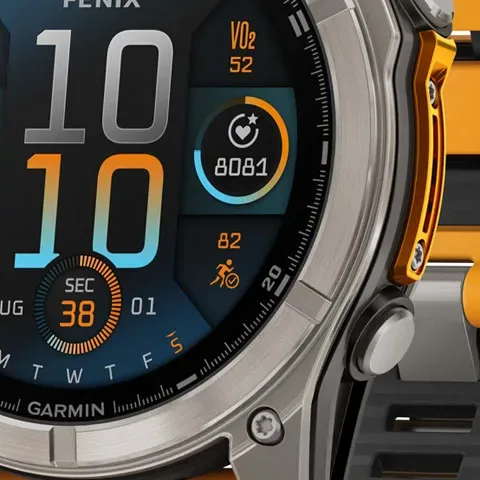
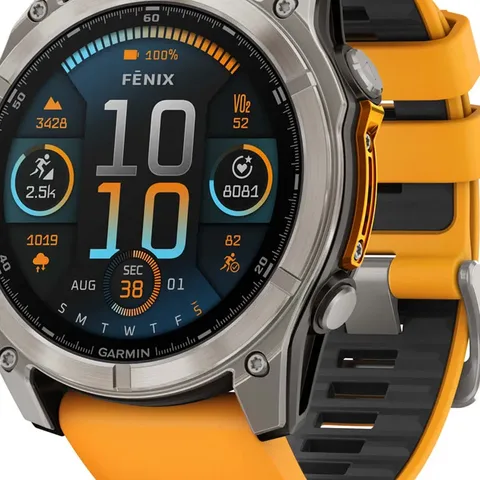
- +Next-generation solar harvesting ring captures 50% more solar energy
- +Inductive sensor buttons prevent freeze-jamming and moisture intrusion at high altitudes
- +SatIQ technology automatically switches between multi-band and single-band GPS
- -Premium price reflecting titanium construction and sensor suite
The undisputed summit benchmark in expedition navigation, mapping, and solar autonomy.
VERTIX 2S GPS Watch
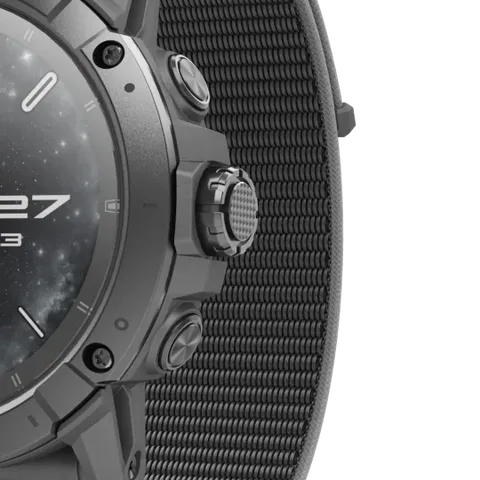
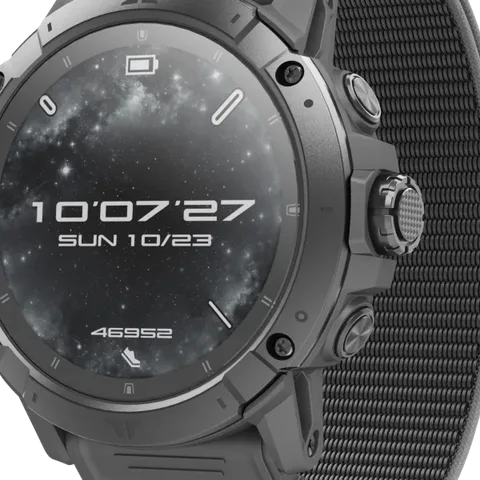
- +118 hours of continuous standard GPS battery life without solar dependency
- +Oversized digital crown dial operates smoothly even with thick down mittens
- +Preloaded free global landscape and topo maps with contour lines and hillshade
- -Maps lack turn-by-turn routing (bread-crumb and contour based)
An endurance titan with battery performance suited for multi-week remote expeditions.
Vertical Titanium Solar
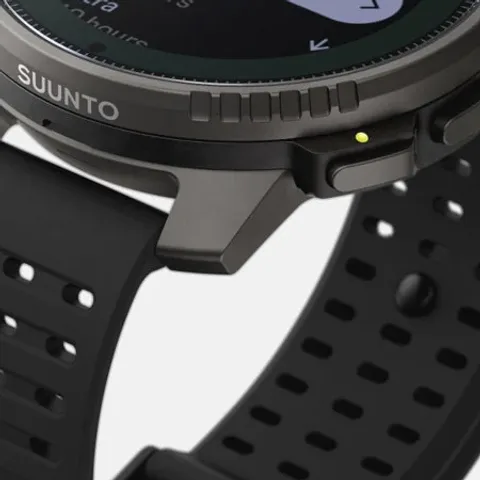
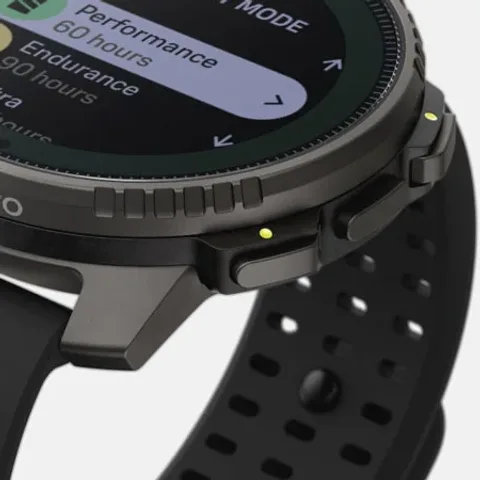
- +Free global offline maps with clear contour lines and hillshades
- +Lightest titanium expedition watch in the test group at only 74 grams
- +Manufactured in Finland with 100% renewable energy and verified zero carbon footprint
- -Processor navigation transitions feel slightly slower than Garmin's fēnix 8
A refined, lightweight titanium tool with exceptional sunlight legibility and offline maps.
Tested Mountain Peaks & Expedition Routes
Explore live summit weather telemetry, elevation profiles, and route crux guides for mountains where this gear is required:
Share Exploration
Global Mountain Intelligence
✓ Link copied to clipboard!