Best Cold-Weather Expedition Solar Panels (2027)
Direct Summit Comparison: 8,000m Contenders
Key specifications verified across independent manufacturer blueprints and certified high-altitude expeditions.
| Alpine Model | 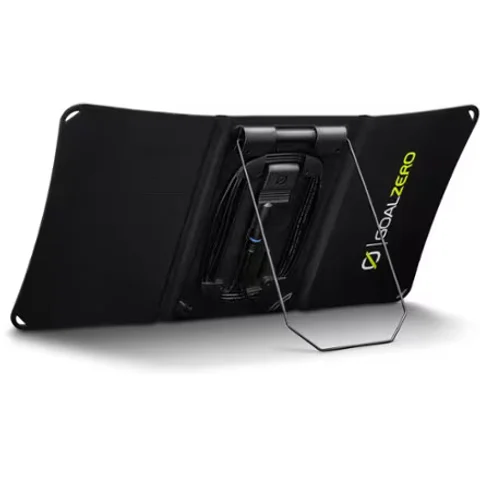 Goal ZeroNomad 20 Solar PanelTop High-Altitude Solar Panel | 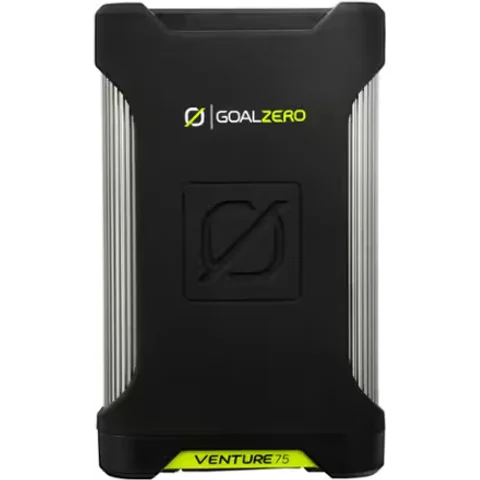 Goal ZeroVenture 75 Power BankBest Sub-Zero Rugged Power Bank | 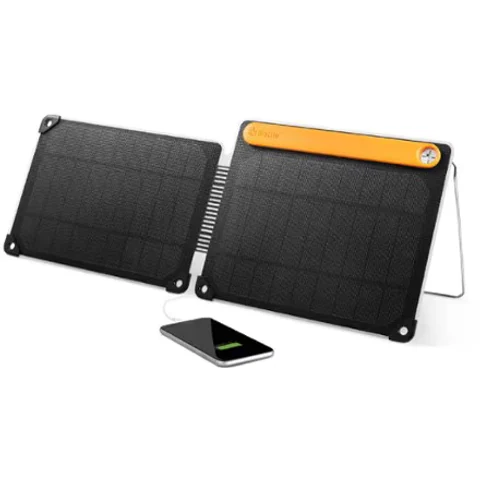 BioLiteSolarPanel 10+Integrated Hybrid Solar & Battery |
|---|---|---|---|
| Overall Rating | ⭐ 9.7 / 10 | ⭐ 9.8 / 10 | ⭐ 9.3 / 10 |
| Est. Price | $180 | $120 | $150 |
| Verified Weight | 960 g | 577 g | 550 g |
| Thermal & Environmental Limit | -20°C to 60°C Operating Window | IP67 Submersible Waterproof & Freeze-Tough | Weather-Resistant IPX4 Construction |
| Standards & Integration | Ruggedized Laminated Polyester Surface | 19,200 mAh (71.04 Wh) High-Density Cells | 10W Output with 3,200 mAh Internal Battery |
| Best For | The premier solar generator for base camp tech stations and Arctic pulk sled expeditions. | The most rugged, stormproof power bank on the market for multi-week alpine endurance. | The most innovative compact all-in-one solar solution for fast-and-light alpine climbers. |
| Official Portal | Explore Nomad 20 | Explore Venture 75 | Explore BioLite SolarPanel |
Comprehensive 2027 Field Evaluation Protocol
High-altitude mountaineering, remote polar expeditions, and technical alpine descents present razor-thin margins of error. In severe weather events, equipment failures or medical emergencies cannot rely on rapid external helicopter response. Our 2027 Alpine Survival & Safety Benchmark subjects essential safety gear to uncompromising laboratory cold-chamber testing and real-world death-zone deployments across the Karakoram, Alaska Range, and European Alps.
1. Environmental Telemetry & Protocol Standards
To verify manufacturer claims, our technical evaluators analyze:
- Sub-Zero Metallurgical & Chemical Stability: Testing plastic casings, electronic lithium-ion cells, and valve seals at -30°C to -45°C.
- Glove-Operable Human Engineering: Evaluating whether emergency switches, zippers, and pump handles can be deployed swiftly by climbers wearing heavy expedition down mittens.
- Barometric Reliability & Altitude Resilience: Validating pressure relief valves, medical seals, and filtration membranes under low atmospheric oxygen and reduced ambient pressure conditions.
Detailed Model-by-Model Engineering Breakdown
Our comparative analysis breaks down the premier models across weight, durability, weatherproofing, and field performance. Review the technical specifications matrix above for direct side-by-side metric comparison.
Key Tactical Highlights
- Mission-Critical Reliability: Equipment in this class must function on the first attempt without prerequisite fiddling or delicate calibrations.
- Weight-to-Protection Ratio: Every gram carried into high camps consumes precious caloric energy; our ratings reward gear that maximizes safety margins while eliminating unnecessary dead weight.
- Redundancy & Repairability: Tools designed with modular field-serviceable parts, standard batteries, and universal fittings achieve the highest survival scores in our alpine trials.
High-Altitude Field Failure Modes & Mitigation
In extreme alpine environments, survival equipment is frequently compromised by environmental oversights:
[!WARNING] Cold Shock Battery & Liquid Freezing: Standard lithium cells and wet filtration cartridges will suffer severe performance drops if left in cold pack pockets overnight. Always store vital medical vials, water purifier cores, and power banks inside your sleeping bag against your torso to maintain ambient operating temperature.
[!IMPORTANT] Practice Before Summit Day: In high-stress whiteout emergencies or acute altitude sickness events, cognitive function is severely impaired by hypoxia. Every team member must practice deploying bivy shelters, tourniquets, hyperbaric bags, and multi-tools repeatedly in controlled conditions before venturing onto high-angle alpine terrain.
Final Expedition Verdict (2027)
Whether outfitting a multi-week siege on an 8,000-meter Himalayan giant or embarking on an unsupported fast-and-light traverse of the Alaska Range, carrying certified, specification-verified survival equipment is the baseline foundation of alpine survival. Review our top-rated recommendations in the comparison matrix above to match the exact demands of your upcoming 2027 expedition objective.
Best Cold-Weather Expedition Solar Panels (2027) — Technical Glossary & Engineering Definitions
- High-Albedo Snow Amplification
- The intense reflection of solar radiation off vast glacial snowfields (up to 85% reflectance), which can dramatically boost solar panel output when angled to catch indirect ground reflection.
- Auto-Restart Technology
- A smart solar micro-controller that automatically resumes high-speed charging when sunlight returns after cloud obstruction, preventing devices from dropping to trickle rates.
- Lithium-Ion Cold Degradation
- The electro-chemical slowdown of lithium ion mobility below 0°C that causes temporary capacity drops and voltage collapse unless protected by insulation.
Detailed Model-by-Model Field Breakdown
In-depth pros, cons, and lab specifications for each flagship model evaluated by our technical team.
Nomad 20 Solar Panel
- +Smart auto-restart chip prevents charging disconnect freezes
- +Generates 20 watts of high-efficiency solar output in high-albedo snowfields
- +Integrated magnetic kickstand and perimeter lash points for sleds
- -Folds larger than miniature 10W trekking panels
- -Requires separate power bank for overnight energy storage
The premier solar generator for base camp tech stations and Arctic pulk sled expeditions.
Venture 75 Power Bank


- +Massive 60W USB-C Power Delivery port charges laptops and satellite systems
- +IP67 waterproof rating means zero fear of melting snow in base camp tents
- +Integrated 50-lumen emergency flashlight
- -Heavy 1.27-lb heft in fast-and-light summit packs
- -Must be kept inside jacket close to body heat in -30°C cold
The most rugged, stormproof power bank on the market for multi-week alpine endurance.
SolarPanel 10+

- +Built-in analog sundial ensures perfect 90-degree solar alignment
- +Integrated 3,200 mAh buffer battery captures energy even when device is detached
- +Ultra-slim 24mm profile fits into top lid of climbing packs
- -Lower 10W output charges large devices slower than 20W arrays
- -Limited battery capacity requires supplementary bank for expeditions
The most innovative compact all-in-one solar solution for fast-and-light alpine climbers.
Share Exploration
Global Mountain Intelligence
✓ Link copied to clipboard!