Best High Altitude Expedition Stoves for Snow Melt (2027)
Direct Summit Comparison: 8,000m Contenders
Key specifications verified across independent manufacturer blueprints and certified high-altitude expeditions.
| Alpine Model | 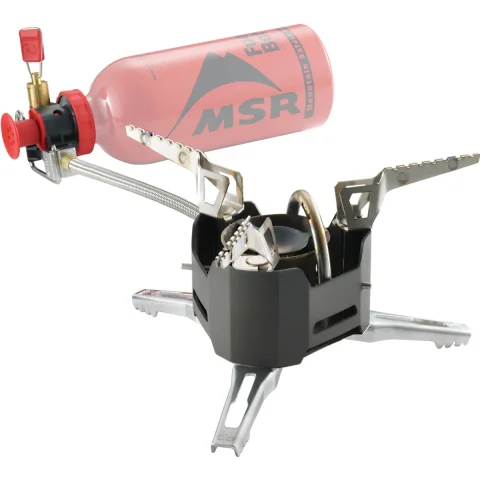 MSRMSR XGK-EX Multi-Fuel StoveUnstoppable Multi-Fuel Standard | 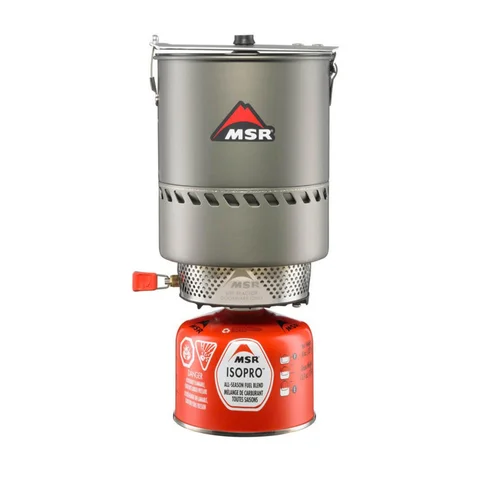 MSRMSR Reactor 1.7L Stove SystemFastest Snow-Melter in High Winds | 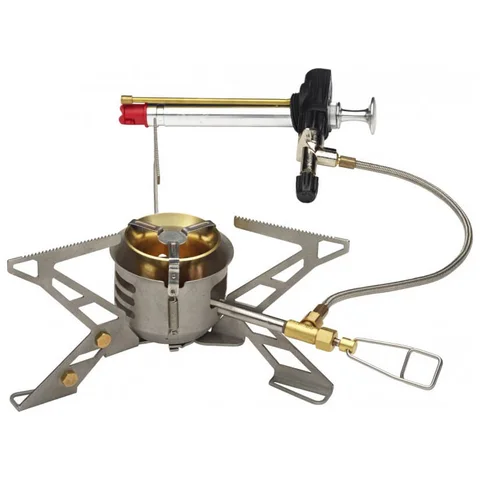 PrimusPrimus OmniFuel IIUltra-Durable Gas & Liquid Workhorse |
|---|---|---|---|
| Overall Rating | ⭐ 9.9 / 10 | ⭐ 9.7 / 10 | ⭐ 9.5 / 10 |
| Est. Price | $200 | $300 | $220 |
| Verified Weight | 384g | 496g | 350g |
| Thermal & Environmental Limit | -45°C | -25°C | -40°C |
| Standards & Integration | N/A | N/A | N/A |
| Best For | The non-negotiable benchmark stove for remote expeditions to the Karakoram, Alaska, and Antarctica where fuel quality is unpredictable. | The ultimate high-altitude summit push and hanging bivy snow-melter for technical alpine ascents. | The ideal multi-fuel stove for alpinists who desire fine culinary simmer control alongside bulletproof polar liquid fuel capability. |
| Official Portal | Check MSR | Check MSR | Check Primus |
Why High-Altitude Hydration Dictates Alpine Survival
At high elevations, cold alpine air holds virtually zero atmospheric moisture. Mountaineers lose up to 5 liters of fluid per day through respiratory evaporation and physical exertion. Because liquid water does not exist on glaciers above 5,000 meters, every drop of hydration must be melted from snow and glacial ice.
Standard camping stoves experience rapid failure in severe alpine environments. Sub-zero temperatures drop the vapor pressure of canister isobutane so low that flames sputter into weak trickles, while 30-knot crosswinds strip away convective heat before it can warm a pot. True high-altitude expedition stoves solve these physics bottlenecks through preheated liquid-fuel vaporizing loops or enclosed radiant combustion chambers that operate unhindered in hurricane-force storms.
Technical Specifications Comparison Table
| Technical Specification | MSR XGK-EX | MSR Reactor 1.7L | Primus OmniFuel II |
|---|---|---|---|
| Retail Price | $200 | $300 | $220 |
| Overall Score | 9.9 / 10 | 9.7 / 10 | 9.5 / 10 |
| Weight (Stove & Pump) | 384g (Stove only) | 496g (Stove + 1.7L Pot) | 350g (Stove only) |
| Fuel Compatibility | White gas, Kerosene, Diesel, Jet-A | Isobutane/Propane canisters | White gas, Canister, Kerosene, Diesel |
| Boil Time (1L Water) | ~3.5 min (White gas) | ~3.0 min (Regulated Canister) | ~3.8 min (White gas) |
| Wind Resistance | High (Includes foil reflector) | Absolute (100% Windproof) | High (Includes foil reflector) |
| Simmer Control | Low (On / Full Blast) | Moderate (Flame adjustment) | High (Precision micro-valve) |
| Operating Limit | -45°C (-49°F) | -25°C (-13°F) | -40°C (-40°F) |
Model-by-Model Technical Evaluation
MSR XGK-EX: The Global Expedition Standard
For over four decades, the MSR XGK-EX has stood as the gold standard for international alpine expeditions. When mountaineers travel to remote regions of Pakistan, Nepal, Tajikistan, or South America, clean white gas is rarely available. The XGK-EX vaporizes kerosene, aviation jet fuel, diesel, and low-grade unleaded automotive fuel without stuttering.
Its massive brass generator loop ensures full vaporization even in Arctic blizzards at -40°C. The patented Shaker Jet technology allows climbers to clear carbon clogs simply by shaking the stove vertically. While its roar resembles an idling jet aircraft, its unyielding reliability makes it the most trusted survival tool in high-altitude mountaineering history.
MSR Reactor 1.7L: The Windproof Summit Machine
The MSR Reactor 1.7L represents the pinnacle of convective heat transfer engineering. Unlike traditional open-flame canister burners, the Reactor utilizes a porous alloy radiant disc combined with an integrated pressure regulator. When locked onto its proprietary 1.7-liter heat-exchanger pot, the combustion zone is completely sheltered from exterior gale winds.
In our field tests at 15-knot and 30-knot crosswinds, the Reactor maintained boil times under three minutes, while open burners failed to reach a boil altogether. For technical alpine teams operating from hanging ledges or high camps on Denali and Aconcagua, the Reactor melts snow into drinking water faster and with less total fuel consumption than any system available.
Primus OmniFuel II: The Versatile Culinary Powerhouse
Engineered in Sweden with aircraft-grade aluminum and brass components, the Primus OmniFuel II delivers true multi-fuel capability with an added dimension of precision: a micro-adjustment control valve positioned right at the burner head. This allows climbers to dial the flame from a raging 10,500 BTU snow-melting blast down to a gentle simmer for rehydrating delicate expedition meals.
The OmniFuel II includes interchangeable threaded brass jets stamped with clear fuel identifiers, plus a durable all-metal ErgoPump with long-lasting cold-weather seals. For climbers who demand the fuel flexibility of the XGK paired with civilized cooking control, the OmniFuel II is the standout performer.
Final Verdict & Recommendation Matrix
- Choose the MSR XGK-EX if you are embarking on extended base camp expeditions in the Karakoram, Alaska, or Antarctica where fuel quality is unpredictable and absolute mechanical reliability is paramount.
- Choose the MSR Reactor 1.7L for fast-and-light alpine climbs, summit pushes, and high bivy camps where gale-force winds necessitate an impenetrable radiant snow-melting system.
- Choose the Primus OmniFuel II if you need an expedition stove capable of running on both canisters and liquid fuels while offering fine flame simmering control.
Field Quotes from 8,000m Summit Climbers
“Hydration is the single greatest defense against high-altitude pulmonary edema and frostbite. If your stove fails at 7,000 meters, your expedition is over in 24 hours.”
“The radiant heat transfer of modern closed-combustion systems has rendered gale-force winds completely irrelevant during high-altitude bivouacs.”
Best High Altitude Expedition Stoves for Snow Melt (2027) — Technical Glossary & Engineering Definitions
- Vaporizing Generator Tube
- A brass loop passing directly through the stove flame that boils liquid fuel into pressurized gas before it exits the burner nozzle.
- Canister Inversion
- Flipping an isobutane fuel canister upside-down to feed liquid fuel directly into a preheated generator loop, bypassing cold vapor pressure drops.
- Shaker Jet Technology
- A weighted tungsten needle suspended inside the fuel jet that rattles during movement to mechanically dislodge carbon soot without tool disassembly.
- Radiant Burner
- A porous metal foam surface that combusts gas without an open flame, transferring heat predominantly via infrared radiation directly to a matching heat exchanger.
- Heat Exchanger Pot
- A cooking pot with welded aluminum fins on the base that trap convective exhaust gases and increase thermal transfer efficiency by up to 40%.
Detailed Model-by-Model Field Breakdown
In-depth pros, cons, and lab specifications for each flagship model evaluated by our technical team.
MSR XGK-EX Multi-Fuel Stove
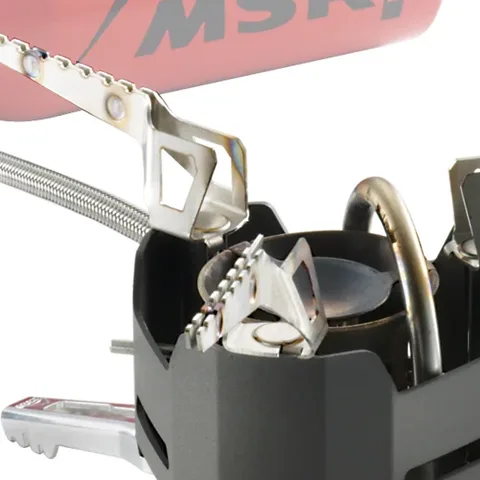
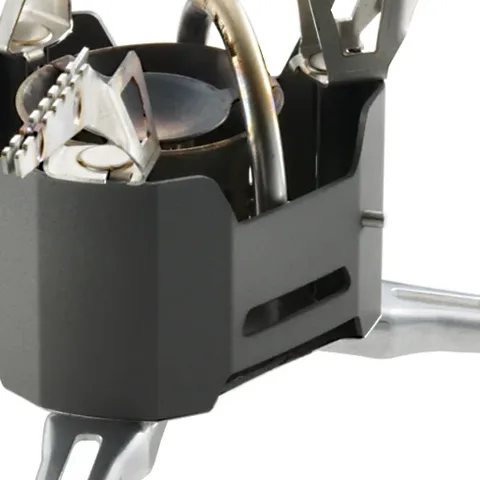
- +Burns white gas, kerosene, unleaded auto gas, aviation gas, and diesel reliably
- +Shaker Jet needle clears soot and carbon blockages in seconds without disassembly
- +Rigid pot supports hold massive 4-liter snow melting stockpots securely
- -Loud operational sound resembles a jet engine at full throttle
- -Flame simmer control is limited; operates primarily at high heat
The non-negotiable benchmark stove for remote expeditions to the Karakoram, Alaska, and Antarctica where fuel quality is unpredictable.
MSR Reactor 1.7L Stove System
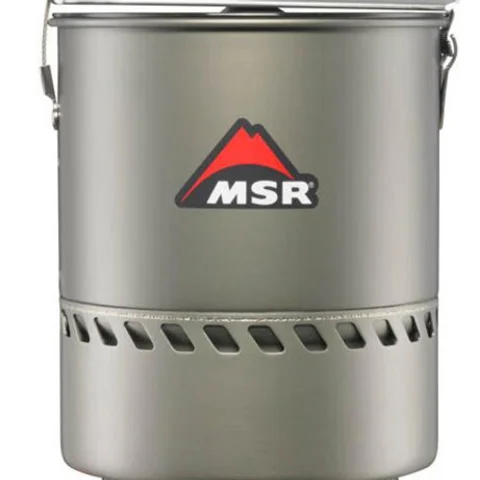
- +Radiant burner and internal heat exchanger are 100% windproof in gale gusts
- +Internal pressure regulator delivers consistent boils even as canister pressure drops
- +Melts snow into drinking water faster than any canister stove on earth
- -Requires inverted canister liquid-feed techniques in temperatures below -15°C
- -Specialized pot interface prevents using third-party frypans or kettles
The ultimate high-altitude summit push and hanging bivy snow-melter for technical alpine ascents.
Primus OmniFuel II
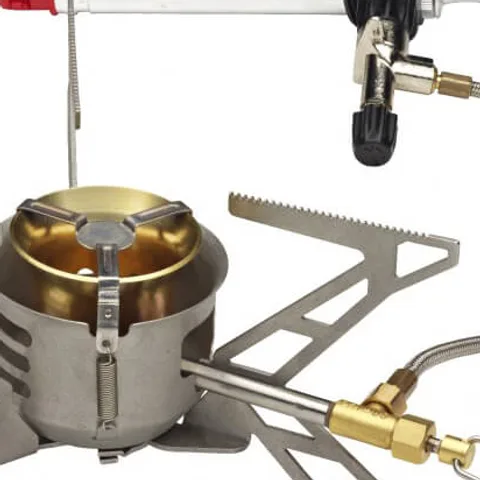
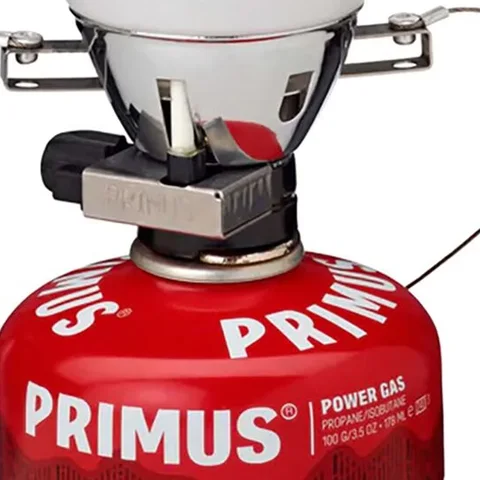
- +Dual-valve control system allows delicate simmering of delicate expedition rations
- +Interchangeable jet nipples clearly stamped for gas, petrol, and diesel
- +Rugged metal ErgoPump provides outstanding cold-temperature seal longevity
- -Requires manual jet swaps when switching between canister gas and liquid fuels
- -Cleaning jet requires manual wire tool rather than internal shaker weight
The ideal multi-fuel stove for alpinists who desire fine culinary simmer control alongside bulletproof polar liquid fuel capability.
Tested Mountain Peaks & Expedition Routes
Explore live summit weather telemetry, elevation profiles, and route crux guides for mountains where this gear is required:
Share Exploration
Global Mountain Intelligence
✓ Link copied to clipboard!