
Dorje Sherpa
Also known as: Dorje Sherpa (b. 1965)
Dorje Sherpa (born 1965) is an accomplished Nepal high-altitude mountaineer documented in the Himalayan Database with 33 verified summits across 77 expeditions, including 21 ascents achieved without supplemental bottled oxygen.
Mountain Safety & Conditions Disclaimer: High-altitude climbing, glacial travel, and technical ascents entail severe objective risks including avalanches, serac collapses, rapid weather collapse, and altitude illness. Historical route descriptions and summit claims on Mountainity reflect documented archival sources and must not be used as live operational safety assessments. Local regulations, permits, and physical glacial topography change continuously.
Peer Review: Senior Editorial Board & Historical Reviewers • Editorial Standards
Biographical Record & Archival Chronicle
Dorje Sherpa (born 1965) is a veteran Nepalese climber whose career includes 77 expeditions in the Himalayan Database. Dorje has summited 33 times, with 21 ascents completed without supplemental oxygen. His career features ascents of Annapurna I Middle, Annapurna IV, Baruntse, Ama Dablam, and remote peaks across western and central Nepal.
Notable Milestones & Key Ascents (3)
Recorded 33 verified Himalayan summits in the Himalayan Database across 77 expeditions
Completed 21 high-altitude ascents without supplemental bottled oxygen
Guided and summitted across major Himalayan massifs including Ama Dablam, Annapurna I Middle, Annapurna IV
Key Statistics & Topographic Figures
- Archive Classification
- MOUNTAINEERS
Mountainity Knowledge Corpus
- Verification Status
- Editorially Verified
Archival Standards
- Citation Standard
- Primary Source Verified
Alpine Research Desk
Defined Alpine Terminology & Concepts
- Archival Integrity
- The standard of verifying historical mountain facts, summit claims, and altitudes using primary expeditions journals and geodetic measurements.
Frequently Asked Questions: Dorje Sherpa
What historical significance does this mountaineer hold?
Dorje Sherpa represents an essential chapter in global mountaineering heritage, verified through contemporary expedition journals and archival sources.
How are the facts and records for Dorje Sherpa verified?
All records are checked against peer-reviewed journals, national alpine clubs, geodetic surveys, and the Mountainity Archival Integrity Policy.
Death Zone Summits (4 of 14)
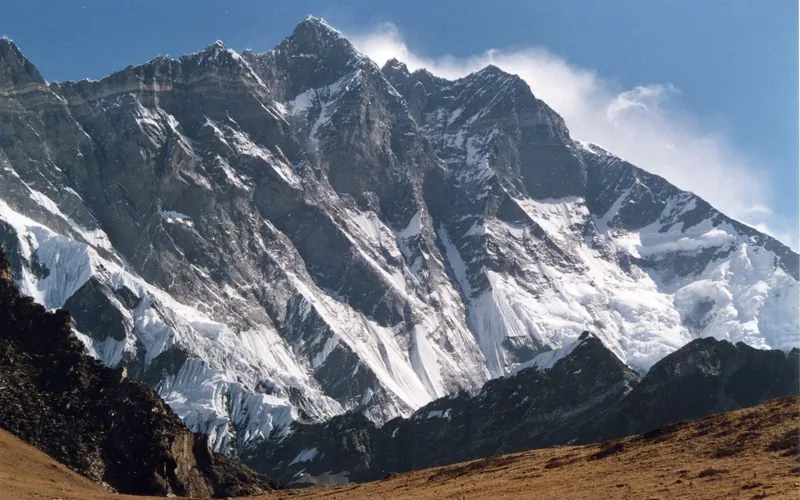

Lhotse
Lhotse, at 8,516 meters (27,940 ft), is the fourth-highest mountain on Earth, connected directly to Mount Everest via the South Col. Renowned for its sheer 3,200-meter South Face, one of the most imposing rock and ice walls in alpinism, the standard route tackles the grueling Lhotse Couloir from the Western Cwm.
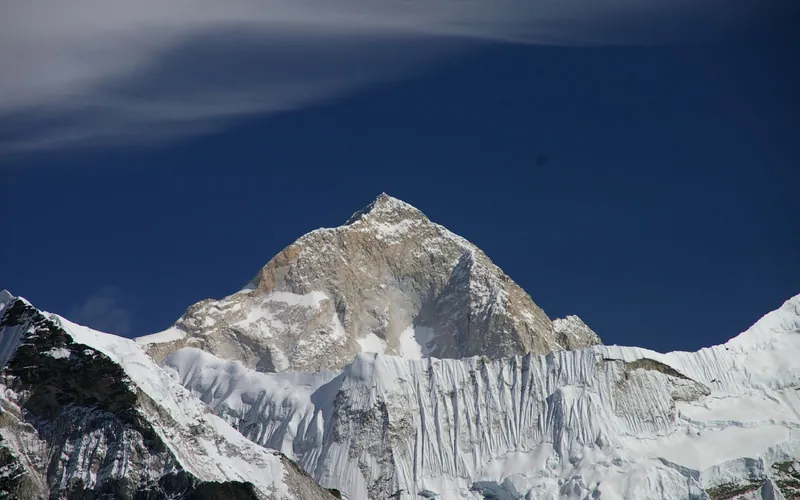
Makalu
Makalu, at 8,485 meters (27,838 ft), is the fifth-highest mountain on Earth, located 19 km southeast of Mount Everest. An isolated four-sided granite pyramid, it is known for technical knife-edge ridges, severe exposure, and punishing weather, making it one of the most challenging eight-thousanders.
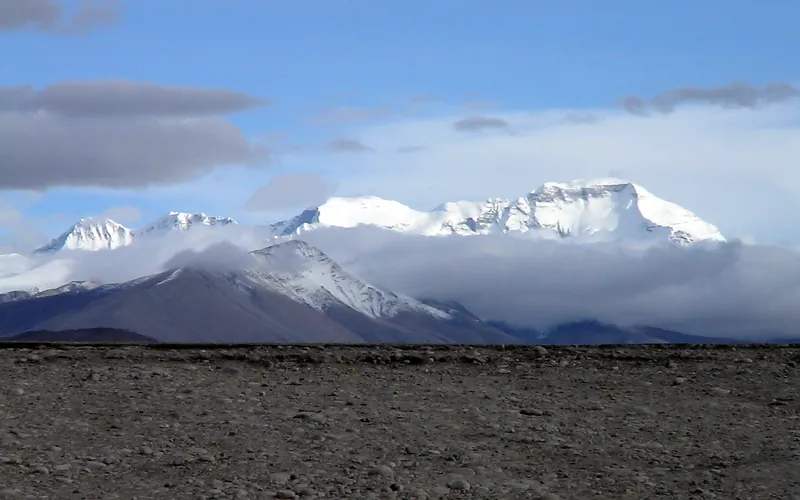
Cho Oyu
Cho Oyu, at 8,188 meters (26,864 ft), is the sixth-highest mountain in the world, situated 20 km west of Mount Everest. Meaning 'Turquoise Goddess' in Tibetan, it stands on the glaciated Nangpa La trade route between Nepal and Tibet. Its moderate northwest slopes make it the most accessible 8,000-meter peak.
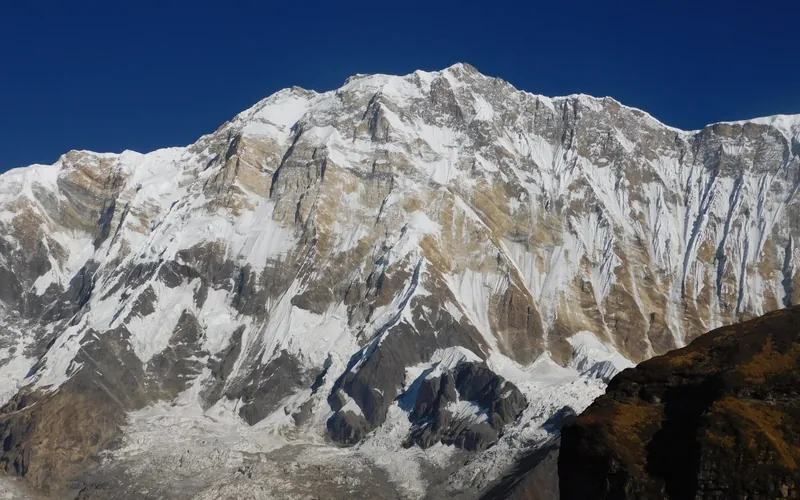
Annapurna I Middle
Annapurna I Middle rises to 8,051 meters in north-central Nepal, forming an independent 8,000-meter summit along the formidable summit crest of the Annapurna massif. Overlooking the glaciated amphitheater of the Annapurna Sanctuary to the south, the peak was first climbed on October 3, 1980, by West German mountaineers Udo Böning, Ludwig Greissl, and Heinz Szepanski. The ascent required traversing treacherous hanging seracs on the North Face and surviving extreme winds across the 8,000-meter crest. Annapurna I Middle is celebrated for its severe objective hazards, complex crevasse fields, and panoramic views of the Kali Gandaki valley.
Associated Mountain Peaks (12)
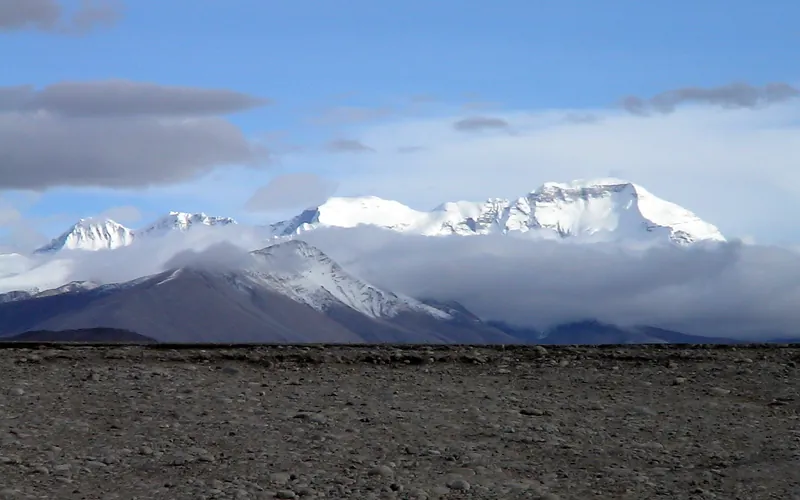
Ngojumba Kang I
Ngojumba Kang I towers to 7,916 meters in the Mahalangur Himal, standing immediately east of Cho Oyu on the frontier between northeastern Nepal and Tibet. Dominating the upper headwaters of the Ngozumpa Glacier—the longest glacier in Nepal—the peak forms a colossal glaciated pyramid. The maiden ascent was achieved on April 24, 1982, by South Korean climber Kim Young-Han partnered with Ang Tshering Sherpa via the demanding South Ridge. The route demands navigating vast crevasse fields, exposed snow flutings, and arctic jet-stream winds sweeping across the Tibetan plateau.
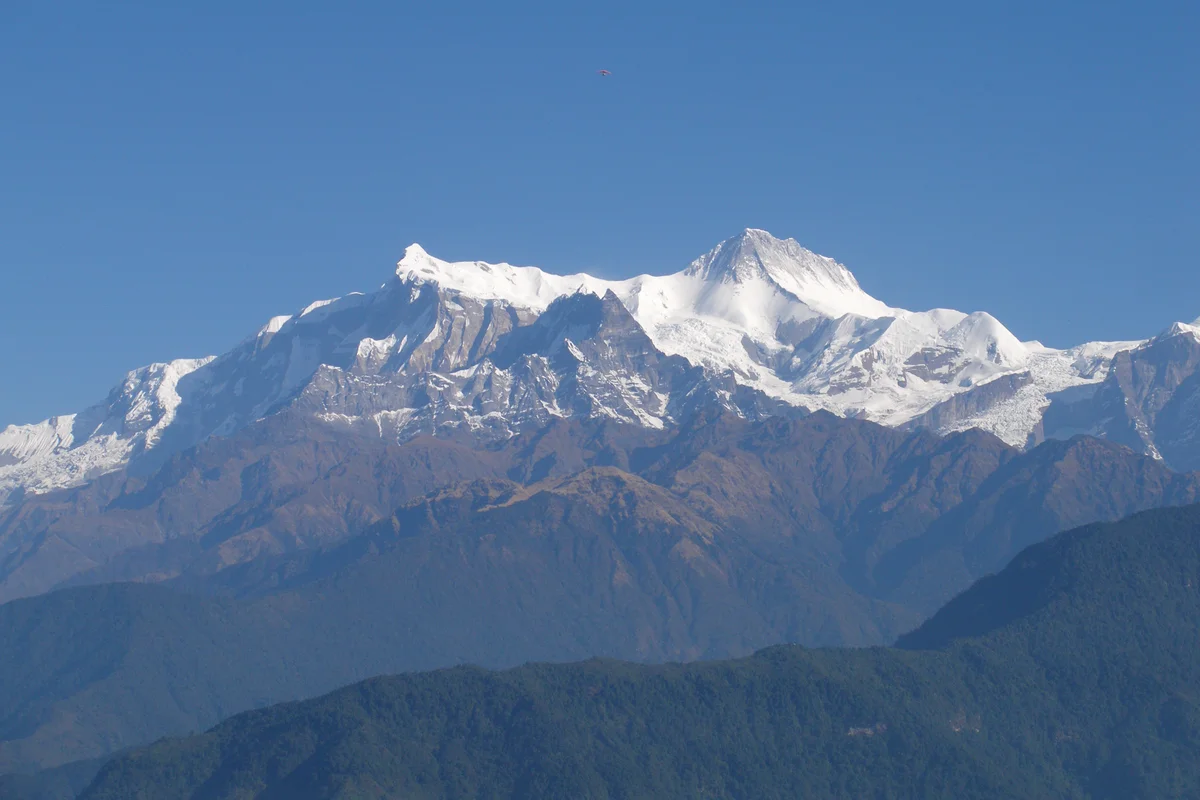
Annapurna IV
Annapurna IV rises to an official surveyed elevation of 7525 meters (24,688 feet) above sea level in the rugged Himalayas. Characterized by steep rock headwalls, complex icefalls, and prominent ridgelines, it is positioned among the dramatic high-altitude peaks of Nepal. The mountain's geography features severe glaciated flanks feeding local glacier systems. Climbers approaching Annapurna IV typically establish remote base camps across high moraines before tackling mixed snow and rock buttresses. Modern expeditions require complete self-sufficiency, careful acclimatization schedules, and navigation through active serac zones. Annapurna IV (Nepali: अन्नपूर्ण ४) is a mountain in the eastern wing of the Annapurna mountain range in the Himalayas in Gandaki Province, Nepal. It has an elevation of 7,525 metres (24,688 ft), making it the 38th highest peak in Nepal. Documented ascents and attempts on Annapurna IV highlight the technical difficulty and sustained exposure typical of 7,000-meter peaks in this subrange. Variable weather systems, combined with sudden wind shifts and avalanche hazards, make summit pushes demanding undertakings that require seasoned alpine judgment.
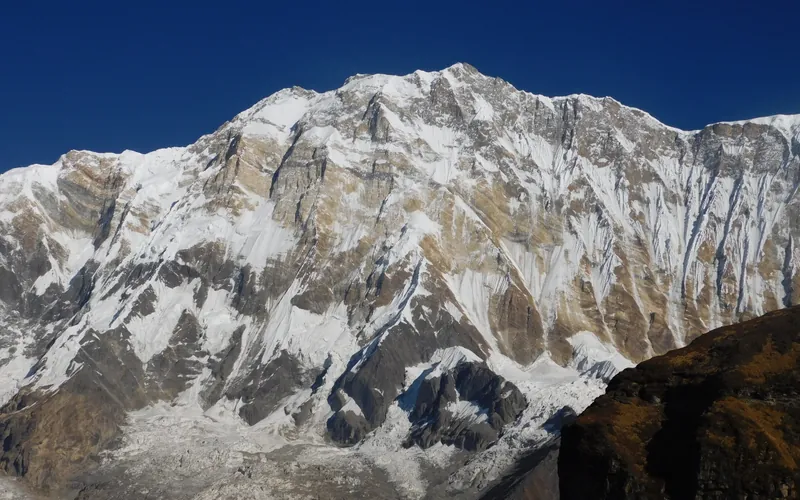
Glacier Dome
Glacier Dome, locally known as Tarke Kang, rises to 7,168 meters in the heart of the Annapurna Himal, crowning the northern headwall of the celebrated Annapurna Sanctuary. Surrounded by dramatic icefalls and sheer rock walls, Glacier Dome bridges the gap between Annapurna I and Gangapurna. The peak was first climbed on May 23, 1964, by Japanese climber Mitsuhiro Nishimura and veteran Nepali climber Dorje Sherpa via the Southeast Ridge. The mountain presents classic Himalayan glaciated challenges, requiring teams to ascend intricate labyrinthine crevasses, steep névé ramps, and snow ridges exposed to fierce winds. Glacier Dome offers breathtaking panoramas of Machapuchare and the sacred Annapurna cirque.
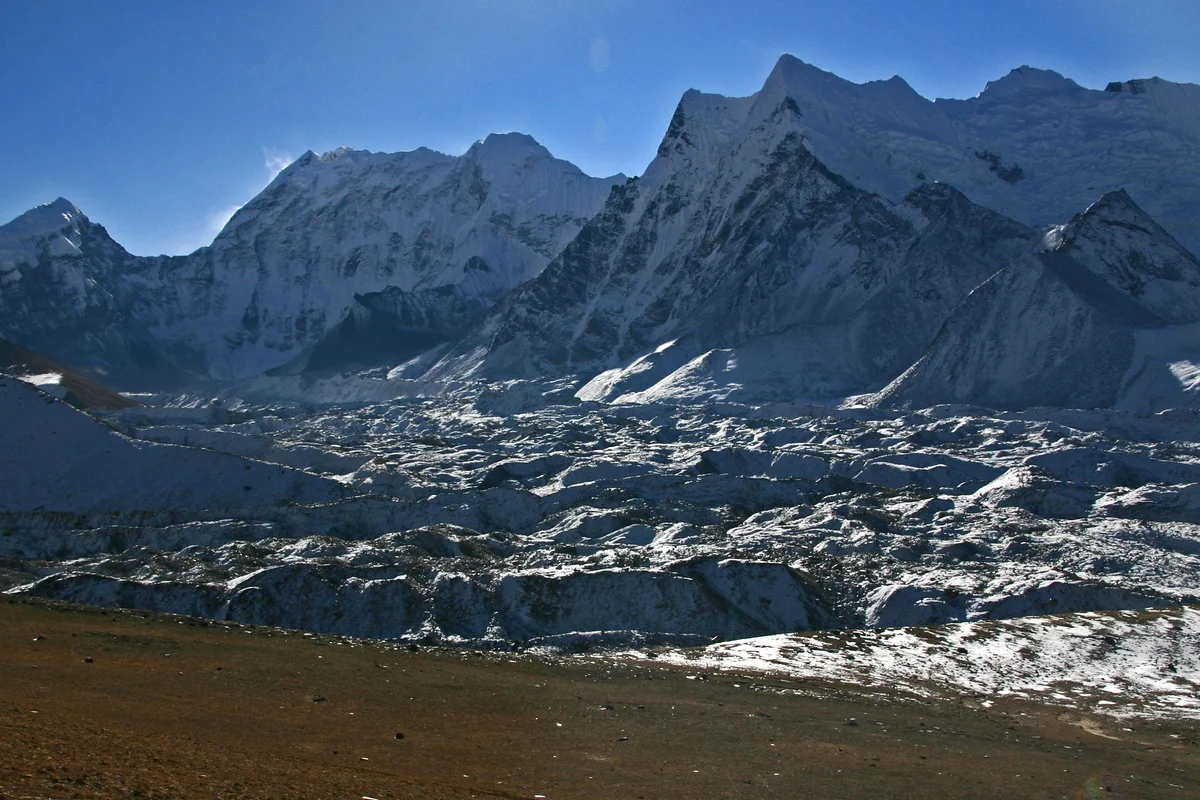
Baruntse
Baruntse is an iconic 7,162-meter (23,497 ft) mountain crowned with four sharp glaciated ridges, situated between Mount Everest and Makalu in eastern Nepal. Flanked by the Barun Glacier and Hunku Glacier, it was first conquered in 1954 by a New Zealand expedition led by Sir Edmund Hillary.
Gaurishankar
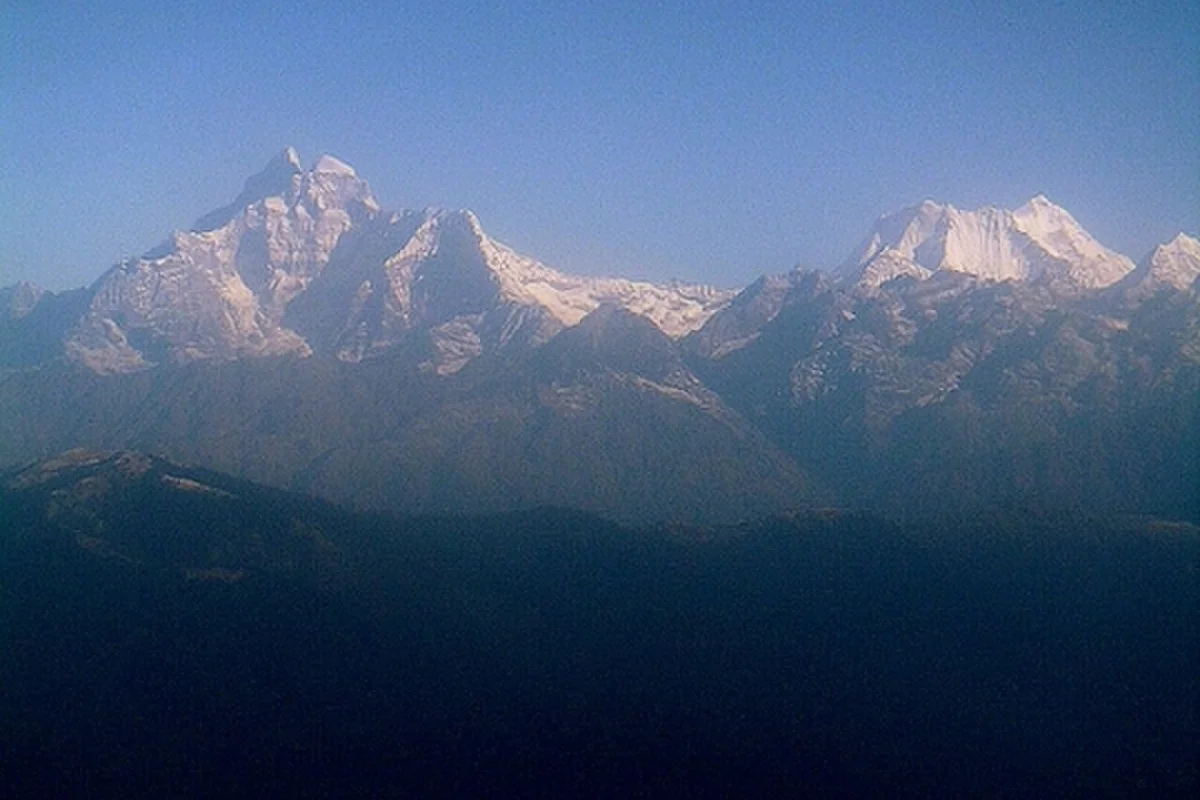
Gaurishankar rises to 7,135 meters in the Rolwaling Himal, standing as one of the most sacred, feared, and technically demanding peaks in High Asia. Featuring twin summit spires—revered as the Hindu manifestations of Lord Shiva (Shankar) and Goddess Parvati (Gauri)—the mountain is an ultra-prominent bastion with 1,709 meters of topographic prominence. Following numerous failed attempts by elite international teams, Gaurishankar was finally conquered on May 8, 1979, by American master John Roskelley and Dorje Sherpa via the treacherous West Ridge. The route required solving sustained Grade VI rock pitches, overhanging ice gullies, and delicate mixed climbing in alpine style. Gaurishankar remains an enduring symbol of pure, uncompromising high-altitude technical alpinism.
Ganesh IV
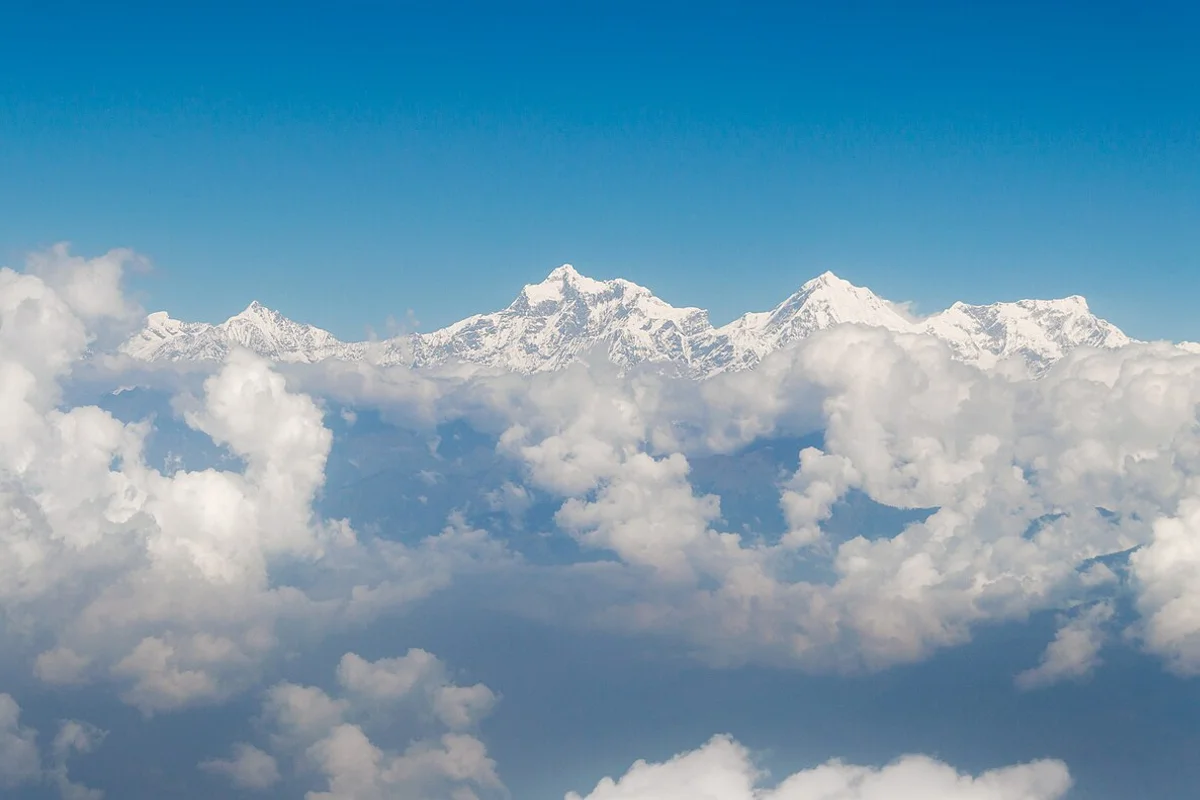
Ganesh IV, universally known among locals and climbers as Pabil, rises to 7,104 meters in the Ganesh Himal of central Nepal. Standing southwest of Ganesh I, Pabil is famous for its dramatic pyramid architecture and near-vertical granite walls overlooking the gorges of Dhading. The mountain was first climbed on October 19, 1978, by a joint Japanese-Nepali expedition placing T. Tomita, H. Yoshio, K. Aoyagi, and Ang Pemba Sherpa on the summit. Pabil presents intense objective difficulties, steep mixed rock climbing, and profound Himalayan isolation.
Nilgiri Central
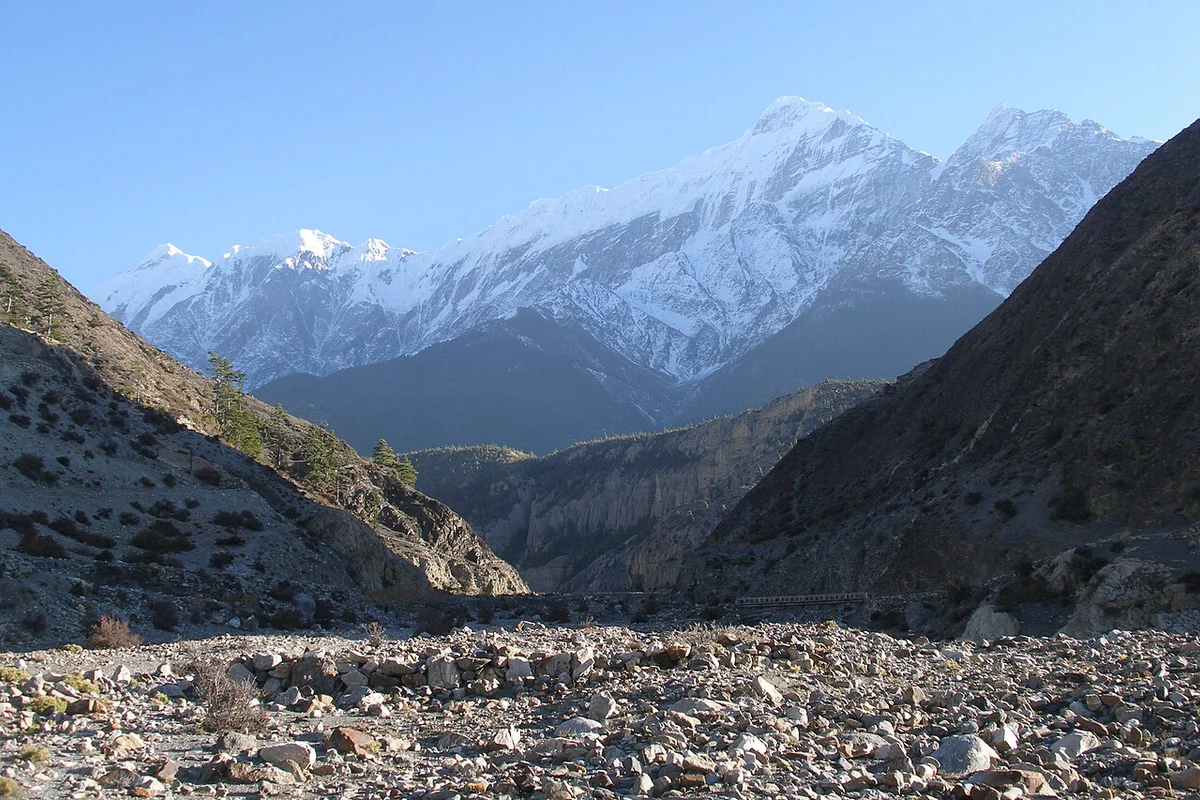
Nilgiri Central is a majestic 6,000-meter peak rising to 6940 meters in the Himalaya (Gandaki, Nepal). Documented in international mountaineering archives following its historic first ascent in 1979 by S. Kato (Japan), the peak presents technical ridgelines and high-altitude alpine terrain.
Ama Dablam
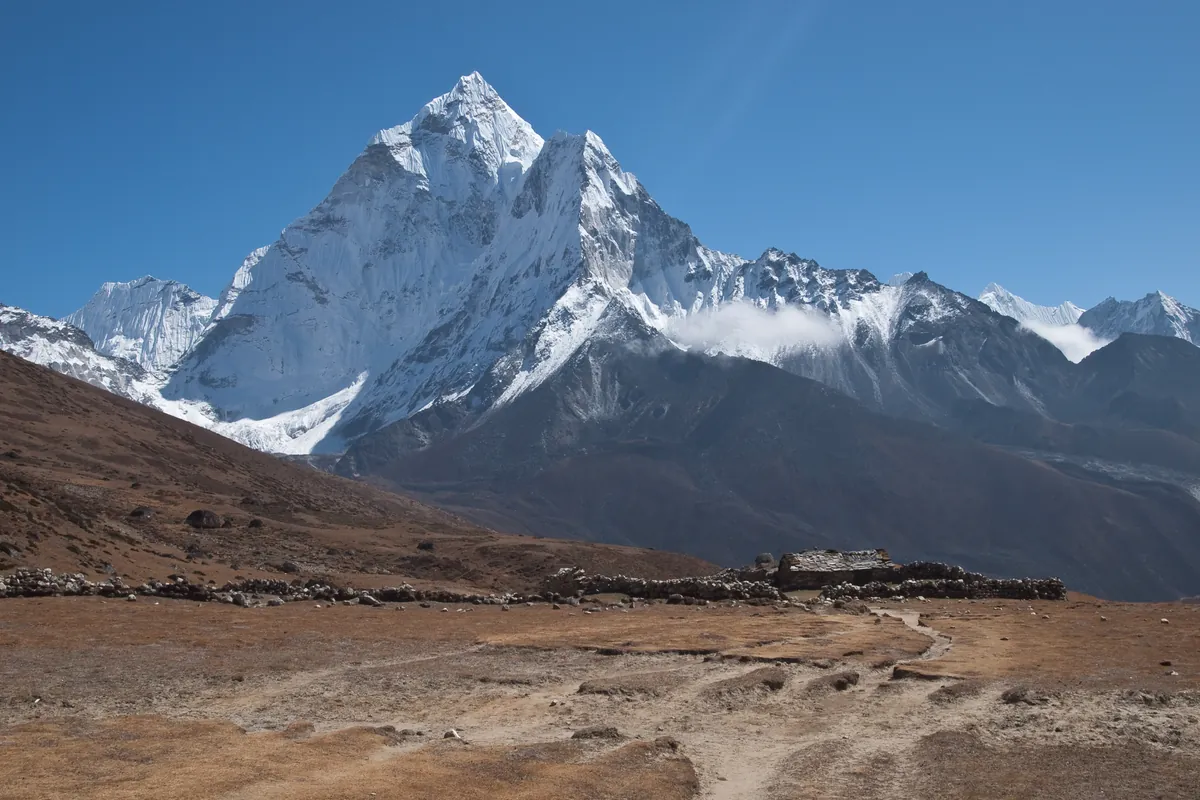
Ama Dablam is an iconic 6,812-meter (22,349 ft) mountain in the eastern Himalayan region of Nepal. Renowned worldwide for its soaring granite ridges and hanging glaciers, it is often called the Matterhorn of the Himalayas. Its name translates as 'Mother's Necklace', referring to the hanging serac resembling a traditional Sherpa pendant. Sir Edmund Hillary conceived and led the 1960–1961 Silver Hut Expedition that unlocked the mountain. On March 13, 1961, Hillary's assault team achieved the historic first ascent via the Southwest Ridge. It remains one of the most aesthetic and technically demanding alpine ascents in the world.
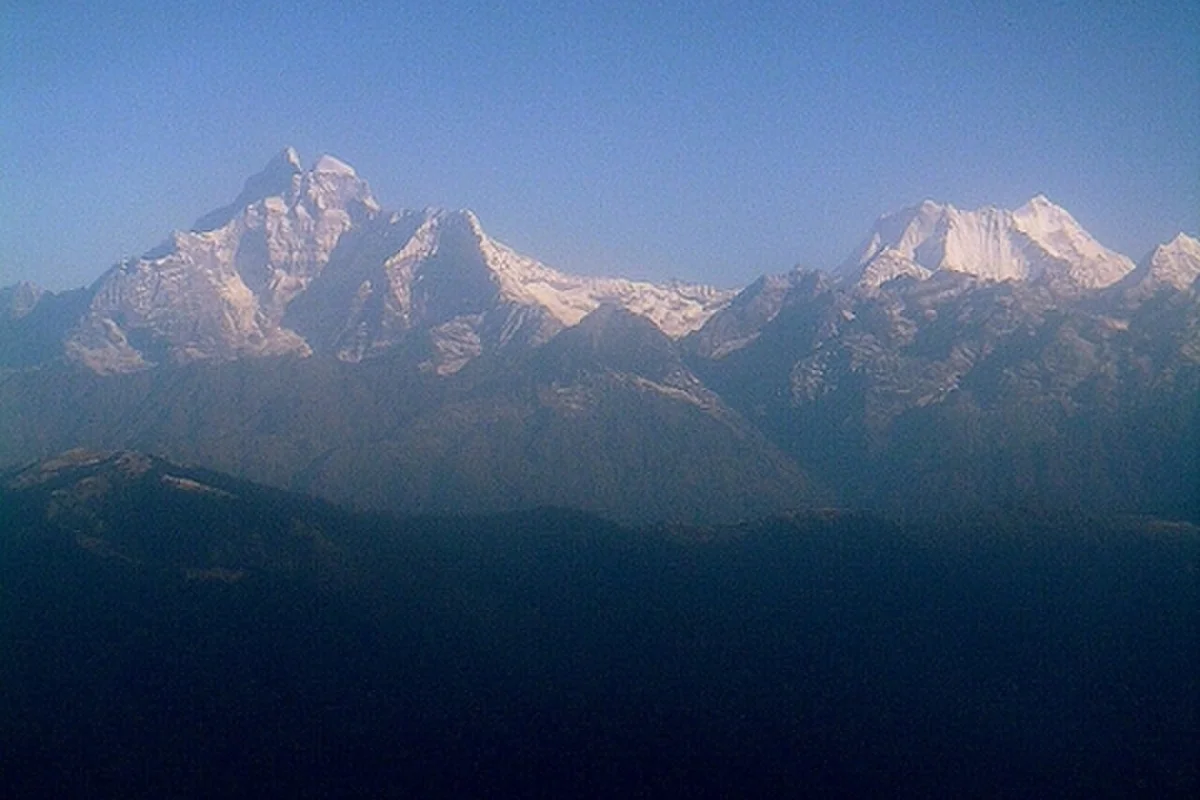
Khatang
Khatang stands at 6,790 meters in the Rolwaling Himal east of the sacred peak Numbur in Solukhumbu, Nepal. The peak was first ascended on October 30, 1982, by Japanese mountaineers Masaru Otani and Katsuya Kume via the Northeast Ridge. Khatang rises abruptly above steep hanging glaciers, offering demanding mixed rock and ice climbing with tremendous exposure toward the Dudh Kosi and Rolwaling watersheds.
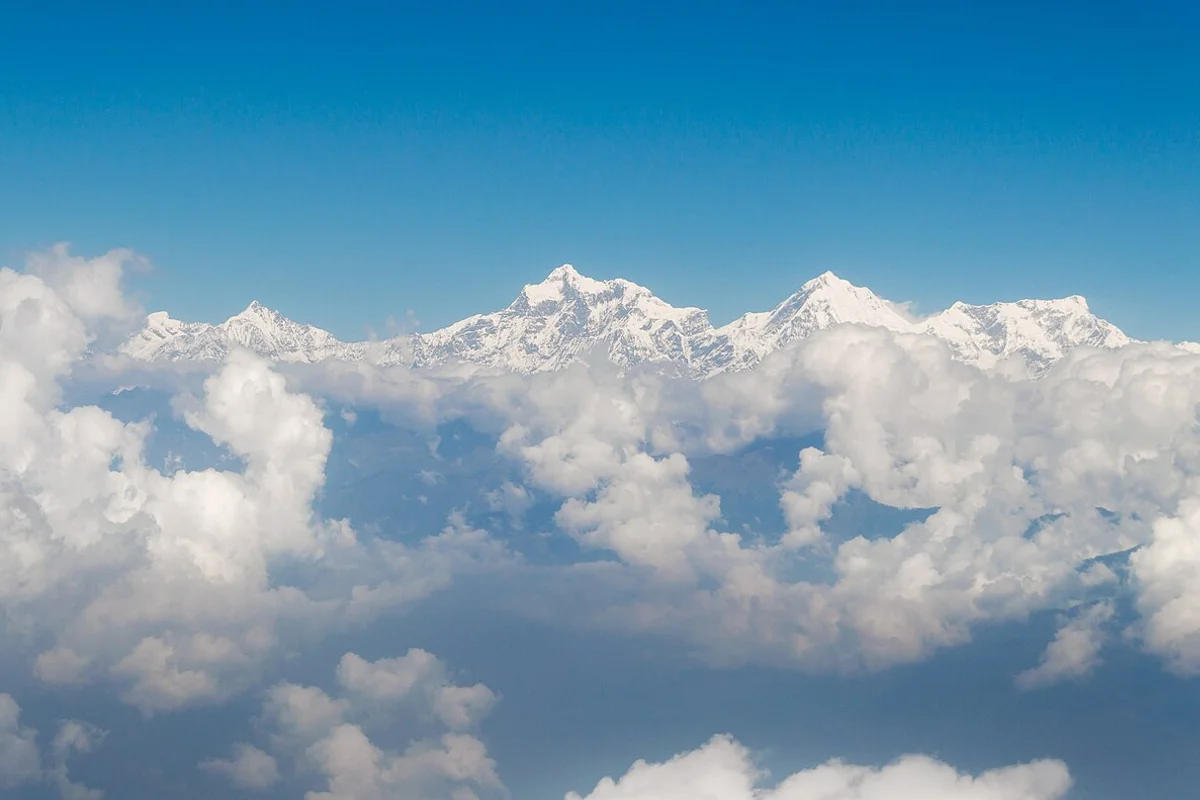
Ganesh V (Gorkha Himal)
Ganesh V (Gorkha Himal) is a majestic 6,000-meter peak rising to 6770 meters in the Himalaya (Bagmati, Nepal). Documented in international mountaineering archives following its historic first ascent in 1980 by Japanese-Nepalese expedition (Japan / Nepal), the peak presents technical ridgelines and high-altitude alpine terrain.
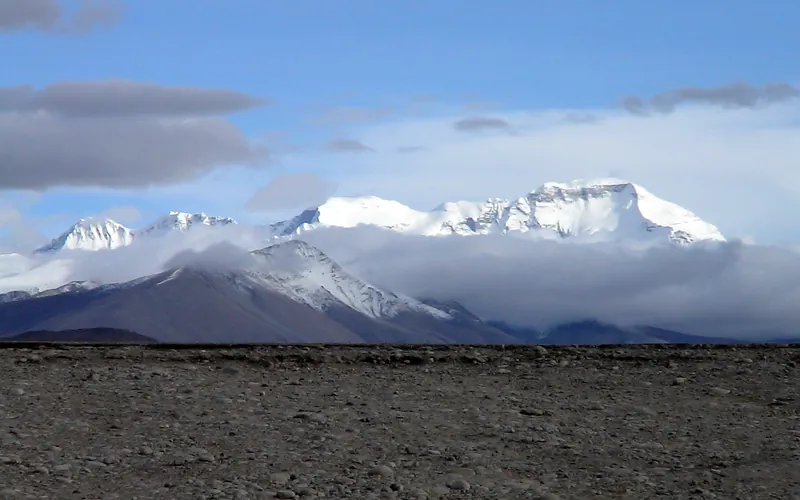
Nupche Kang
Nupche Kang, widely known as Friendship Peak and Nupche Himal, rises to 6,576 meters east-southeast of Nangpa La along the Nepal-Tibet border in Solukhumbu. The summit was first climbed on April 6, 1964, by a West German expedition led by Rudi Rott ascending the West Ridge. Rising high above the historic Nangpa La trading pass, the mountain features sweeping firn fields, sharp cornices, and relentless high-altitude wind gales.
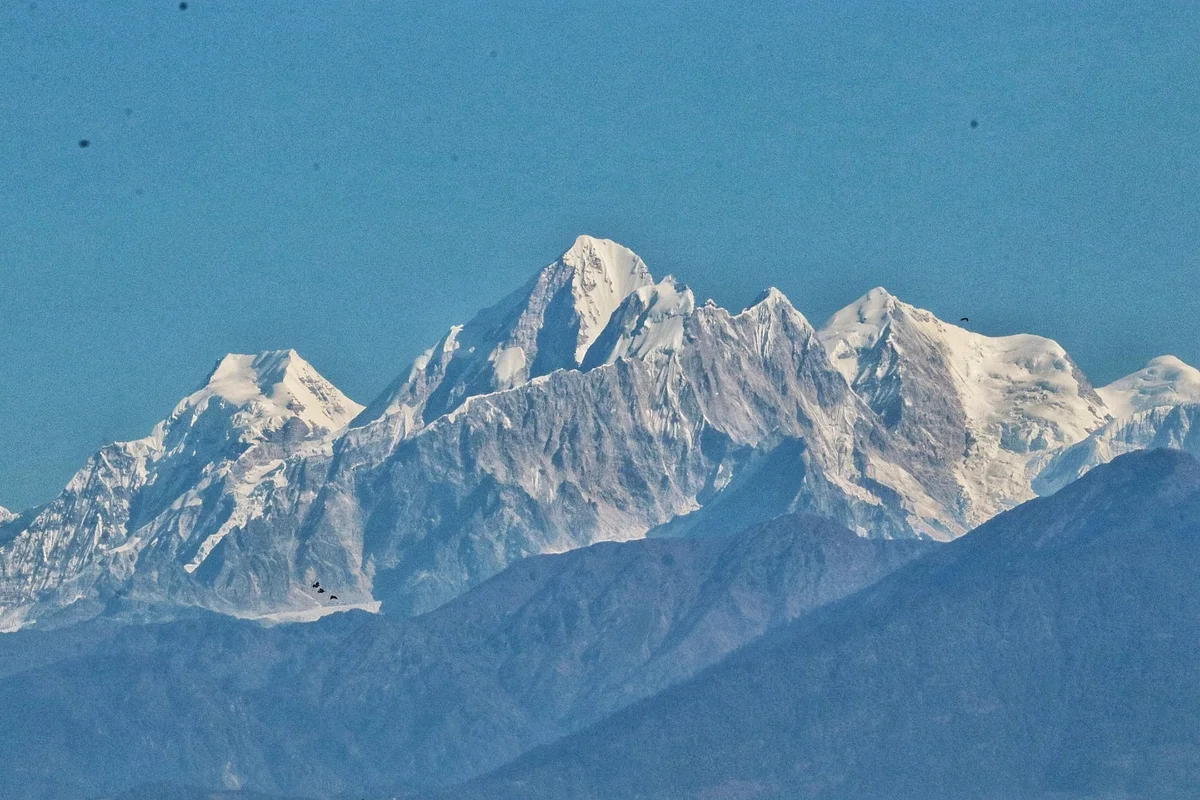
Ganchenpo
Ganchenpo, universally admired as Fluted Peak, stands at 6,378 meters in the Jugal Himal west of Dorje Lhakpa in Sindhupalchok, Nepal. The summit was first achieved in 1971 by American climber Terry Bech climbing the demanding South Face. Renowned for its spectacular, organ-pipe fluted ice headwall, Ganchenpo is widely regarded as one of the most aesthetically stunning peaks in the central Himalaya.
Geographical Footprint & Mountain Ranges (1)
Contemporary Alpinists & Regional Peers (6)
Notable climbers sharing Nepal alpine heritage or active during contemporary climbing epochs.
Ajiwa Sherpa
Ajiwa Sherpa is a historic Nepalese high-altitude mountaineer celebrated for technical first ascents and exploratory climbs. Over 7 expeditions in the Himalayan Database, Ajiwa logged 5 summits across Mount Everest,...
Ang Dawa Sherpa
Ang Dawa Sherpa (born 1978) is an elite Nepalese climber and high-altitude guide from the Khumbu region. Documented across 73 expeditions, Ang Dawa achieved 40 summits, including 22 completed without supplemental...
Ang Dorje Sherpa
Ang Dorje Sherpa is a legendary figure in modern high-altitude mountaineering. Documented across 50 expeditions in the Himalayan Database, Ang Dorje stood on 26 summits, with an astounding 24 completed entirely without...
Ang Gelu Sherpa
Ang Gelu Sherpa (born 1991) is a skilled young Nepalese high-altitude guide documented across 22 expeditions, achieving 12 summits on Mount Everest, Cho Oyu, and Ama Dablam.
Ang Gyalzen Sherpa
Ang Gyalzen Sherpa is a seasoned high-altitude professional from Nepal. Over 11 expeditions documented in the Himalayan Database of Elizabeth Hawley, Ang Gyalzen Sherpa achieved 6 summits, providing critical...
Ang Gyalzen Sherpa
Ang Gyalzen Sherpa is an experienced Nepalese high-altitude climber from the Solu region. Across 21 expeditions in the Himalayan Database, Ang Gyalzen achieved 11 summits on Mount Everest and Cho Oyu.
Documented Sources & Archival Citations
- Archival DatabaseThe Himalayan Database — Climber Archive (Dorje Sherpa) ↗(Elizabeth Hawley / The Himalayan Database)
Supporting claim: Historical ascent records, summit chronology, and expedition participation across 77 high-altitude campaigns
- Archival DatabaseHimalayan Mountaineering Expedition Archive(Nepal Mountaineering Association & Himalayan Database)
Supporting claim: Certified career summit total (33 summits) and high-altitude sirdar credentials
Share Exploration
Global Mountain Intelligence
✓ Link copied to clipboard!