 South KoreaPiolet d'Or WinnerFastest Oxygen-Free 14×8000m Record HolderPioneering Alpinist14×8000m True Summits · No Supplemental O₂
Kim Chang-ho
Kim Chang-ho was a visionary South Korean alpinist who set the world record for the fastest ascent of all 14 eight-thousanders without supplemental oxygen (7 years, 10 months, 6 days) in 2013.
Mountain Safety & Conditions Disclaimer: High-altitude climbing, glacial travel, and technical ascents entail severe objective risks including avalanches, serac collapses, rapid weather collapse, and altitude illness. Historical route descriptions and summit claims on Mountainity reflect documented archival sources and must not be used as live operational safety assessments. Local regulations, permits, and physical glacial topography change continuously.
Peer Review: Senior Editorial Board & Historical Reviewers • Editorial Standards
Biographical Record & Archival Chronicle
Kim Chang-ho is revered as one of the purest high-altitude alpinists in modern mountaineering history. Emphasizing pure alpine style, new routes, and zero bottled oxygen, Kim set an unmatched world record in 2013 by finishing all 14 eight-thousanders in just 7 years and 310 days—beating Jerzy Kukuczka's speed without ever touching supplemental oxygen. He earned a prestigious Piolet d'Or in 2013 for his first ascent of Batura Sar's southwest face before tragically perishing in a violent base camp windblast on Gurja Himal in 2018.
Notable Milestones & Key Ascents (4)
World Record for fastest ascent of all 14 eight-thousanders without bottled oxygen (7y 10m 6d)
32nd person in history to climb all 14 eight-thousanders (2005–2013)
Winner of the 2013 Piolet d'Or for first ascent of the Northwest Face of Himjung
Pioneered pure alpine ascents from sea-to-summit (kayaking from the Bay of Bengal to Everest)
Key Statistics & Topographic Figures
- Archive Classification
- MOUNTAINEERS
Mountainity Knowledge Corpus
- Verification Status
- Editorially Verified
Archival Standards
- Citation Standard
- Primary Source Verified
Alpine Research Desk
Defined Alpine Terminology & Concepts
- Archival Integrity
- The standard of verifying historical mountain facts, summit claims, and altitudes using primary expeditions journals and geodetic measurements.
Frequently Asked Questions: Kim Chang-ho
What historical significance does this mountaineer hold?
Kim Chang-ho represents an essential chapter in global mountaineering heritage, verified through contemporary expedition journals and archival sources.
How are the facts and records for Kim Chang-ho verified?
All records are checked against peer-reviewed journals, national alpine clubs, geodetic surveys, and the Mountainity Archival Integrity Policy.
Death Zone Summits (3 of 14)
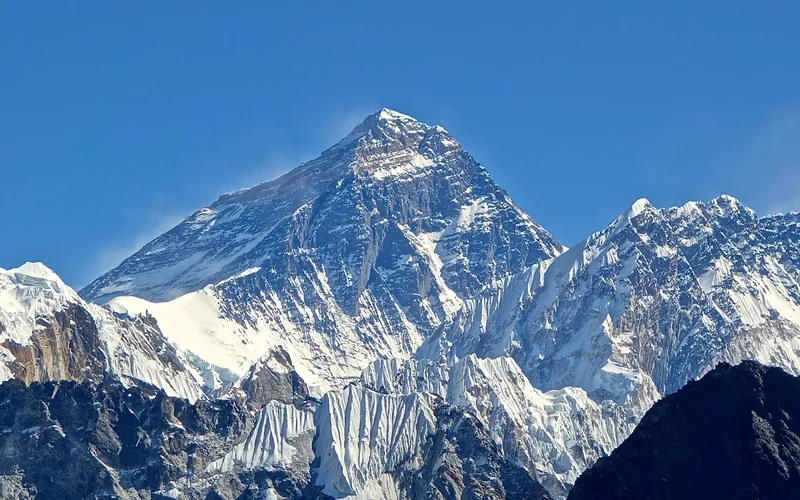


Mount Everest
Mount Everest is the highest mountain above sea level on Earth, standing at an official elevation of 8,848.86 meters (29,031.7 ft). Straddling the international frontier between Nepal and China, it is known locally as Sagarmatha in Nepali ('Goddess of the Sky') and Chomolungma in Tibetan ('Mother Goddess of the World'). The peak rises into the extreme upper troposphere, where oxygen levels drop to barely one-third of sea-level pressure. Climbers face hurricane-force jet stream winds, severe frostbite conditions, shifting ice crevasses in the Khumbu Icefall, and the dangerous Death Zone above 8,000 meters.
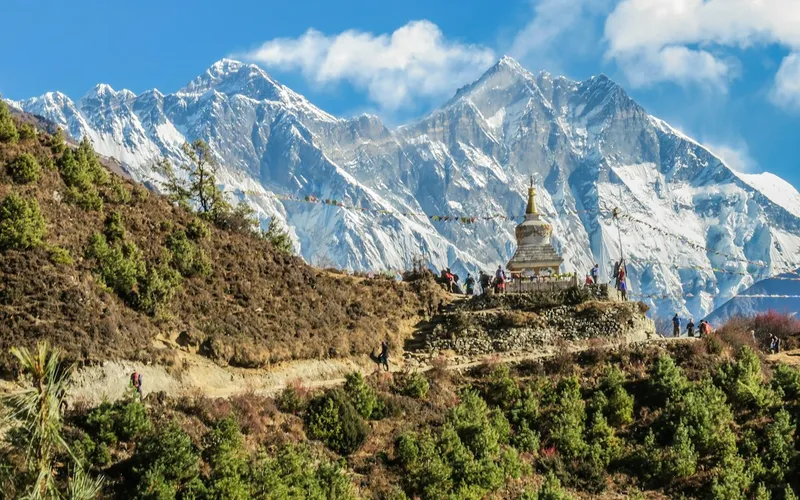

K2
K2, at 8,611 meters (28,251 ft), is the second-highest mountain on Earth and widely regarded as the most technically demanding and lethal 8,000-meter peak. Located in the heart of the Karakoram on the border between Pakistan and China, K2 is characterized by sheer relief, severe weather anomalies, and persistent objective hazards including the notorious Bottleneck couloir.
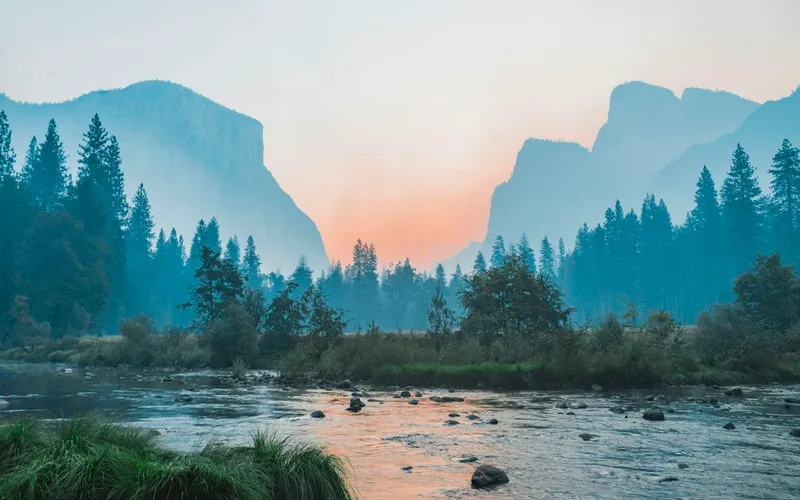
Nanga Parbat
Nanga Parbat, at 8,126 meters (26,660 ft), is the ninth-highest mountain on Earth and the western anchor of the Himalayas in Pakistan. It boasts the Rupal Face, the highest vertical precipice in the world at 4,600 meters from valley floor to summit. Known for profound climbing history, highlighted by Hermann Buhl's legendary solo summit without supplemental oxygen in 1953.
Geographical Footprint & Mountain Ranges (2)
Contemporary Alpinists & Regional Peers (6)
Notable climbers sharing South Korea alpine heritage or active during contemporary climbing epochs.
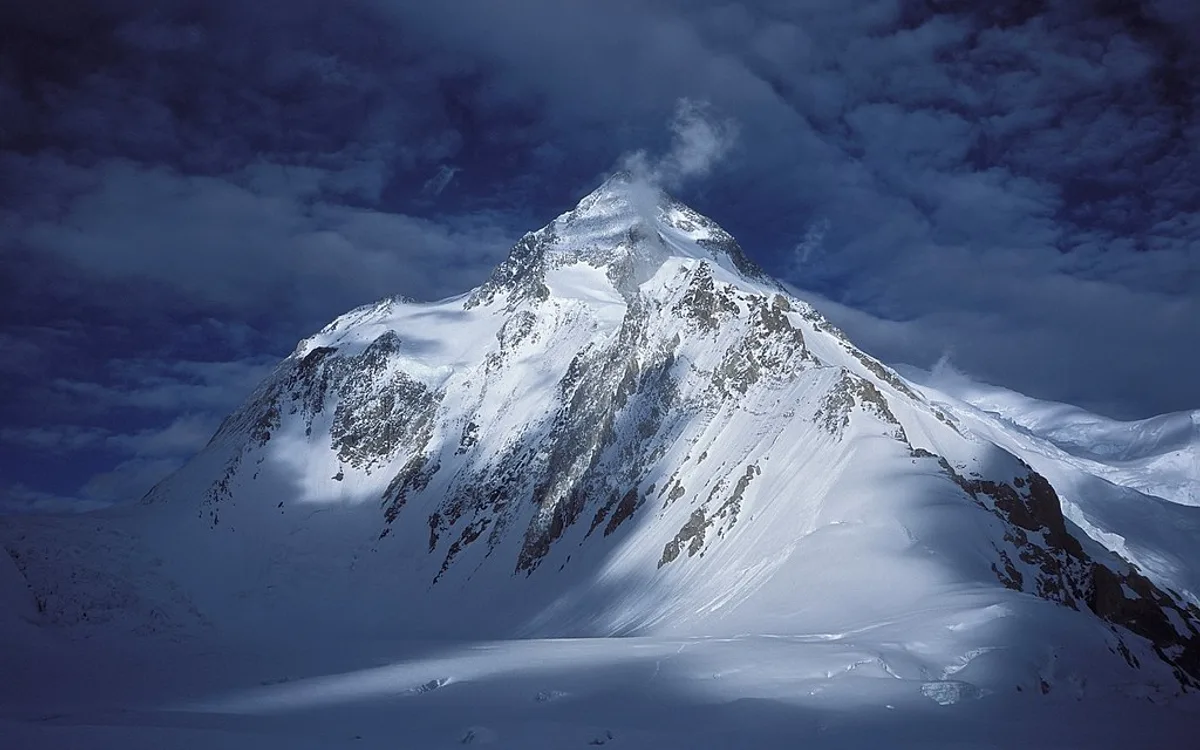
Han Wang-yong
Han Wang-yong began his high-altitude career in 1994 with an ascent of Cho Oyu. Methodically conquering the world's most daunting peaks over the subsequent decade, Han summited Everest, K2, Annapurna, and Kangchenjunga...
Jae-Soo Kim
Jae-Soo Kim rose to prominence as one of South Korea's most seasoned high-altitude siege climbers. Partnering closely with premier female mountaineer Mi-Sun Go during her historic Himalayan bids, Kim supported multiple...
Kim Hong-bin
Kim Hong-bin was born in 1964 in Gwangju, South Korea. A deeply talented young climber, his life was drastically altered in 1991 during a solo expedition on Denali (6,190m) in Alaska, where severe frostbite required the...
Kim Mi-gon
Kim Mi-gon is celebrated in South Korea for his extraordinary determination and perseverance in the high Himalayas. Over an 18-year career beginning on Manaslu in 2000, Kim overcame multiple mountain setbacks and...
Oh Eun-sun
Oh Eun-sun rose to international celebrity during the dramatic 2009–2010 race between herself and Spain's Edurne Pasaban to become the first woman to climb all fourteen 8,000-metre peaks. On April 27, 2010, Oh summited...

Park Young-seok
Park Young-seok achieved one of the most prolific expedition records in modern exploration. After climbing Mount Everest in 1993, he maintained an extraordinary pace across the Greater Ranges, climbing all fourteen...
Documented Sources & Archival Citations
- Alpine JournalKorean Climber Sets World Record for Fastest 14x8000m Without O2(American Alpine Journal)
- Archival DatabaseThe Himalayan Database — Climber Archive (Chang-Ho Kim) ↗(Elizabeth Hawley / The Himalayan Database)
Supporting claim: Historical expedition participation, high-altitude summit chronology, and career ascent log
Share Exploration
Global Mountain Intelligence
✓ Link copied to clipboard!