
Mathias Rebitsch
Mathias Rebitsch was an elite Austrian alpinist and high-altitude archaeologist who opened historic Grade VI routes in the Alps and pioneered high Andean exploration.
Mountain Safety & Conditions Disclaimer: High-altitude climbing, glacial travel, and technical ascents entail severe objective risks including avalanches, serac collapses, rapid weather collapse, and altitude illness. Historical route descriptions and summit claims on Mountainity reflect documented archival sources and must not be used as live operational safety assessments. Local regulations, permits, and physical glacial topography change continuously.
Peer Review: Senior Editorial Board & Historical Reviewers • Editorial Standards
Biographical Record & Archival Chronicle
Mathias Rebitsch was celebrated as one of Europe's greatest rock climbers in the 1930s, renowned for pushing the limits of free climbing on extreme limestone faces in the Kaisergebirge and Dolomites. In 1937, alongside Ludwig Vörg, Rebitsch made a legendary attempt on the Eiger North Face, retreating safely through a multi-day storm from 3,100 meters. Following the war, Rebitsch led groundbreaking expeditions to the Karakoram (including the 1938 and 1954 Nanga Parbat and Batura campaigns) and pioneered the field of high-altitude Inca archaeology in the Andes. Between 1956 and 1965, Rebitsch explored the remote Puna de Atacama, uncovering ancient sanctuary platforms on 6,000-meter volcanic summits including Llullaillaco, Galán, and Antofalla.
Notable Milestones & Key Ascents (4)
Pioneered extreme Grade VI limestone lines in the Alps, including the Rebitsch-Riss on the Fleischbank (1946)
Pioneered the archaeological exploration of high-altitude Inca ceremonial sanctuaries above 6,000m in the Andes
Led expeditions to the Karakoram, exploring the Batura and Rakaposhi regions
Completed first modern sporting ascents of numerous remote Andean peaks in the Puna de Atacama
Key Statistics & Topographic Figures
- Archive Classification
- MOUNTAINEERS
Mountainity Knowledge Corpus
- Verification Status
- Editorially Verified
Archival Standards
- Citation Standard
- Primary Source Verified
Alpine Research Desk
Defined Alpine Terminology & Concepts
- Archival Integrity
- The standard of verifying historical mountain facts, summit claims, and altitudes using primary expeditions journals and geodetic measurements.
Frequently Asked Questions: Mathias Rebitsch
What historical significance does this mountaineer hold?
Mathias Rebitsch represents an essential chapter in global mountaineering heritage, verified through contemporary expedition journals and archival sources.
How are the facts and records for Mathias Rebitsch verified?
All records are checked against peer-reviewed journals, national alpine clubs, geodetic surveys, and the Mountainity Archival Integrity Policy.
Death Zone Summits (1 of 14)
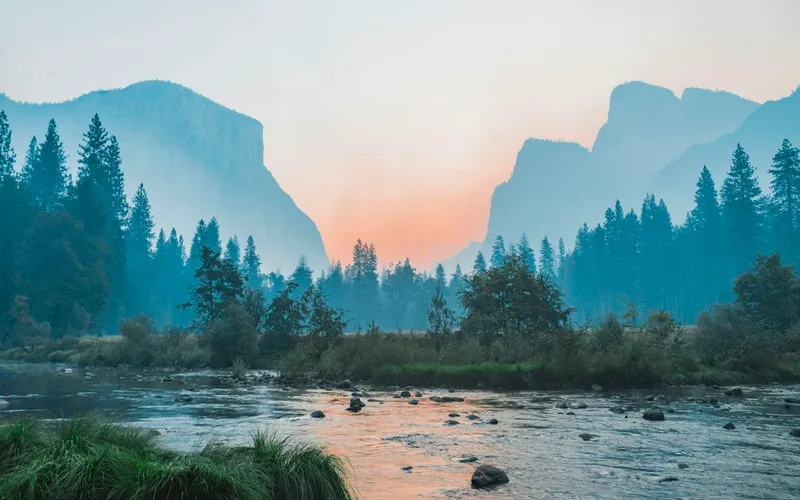

Nanga Parbat
Nanga Parbat, at 8,126 meters (26,660 ft), is the ninth-highest mountain on Earth and the western anchor of the Himalayas in Pakistan. It boasts the Rupal Face, the highest vertical precipice in the world at 4,600 meters from valley floor to summit. Known for profound climbing history, highlighted by Hermann Buhl's legendary solo summit without supplemental oxygen in 1953.
Associated Mountain Peaks (1)
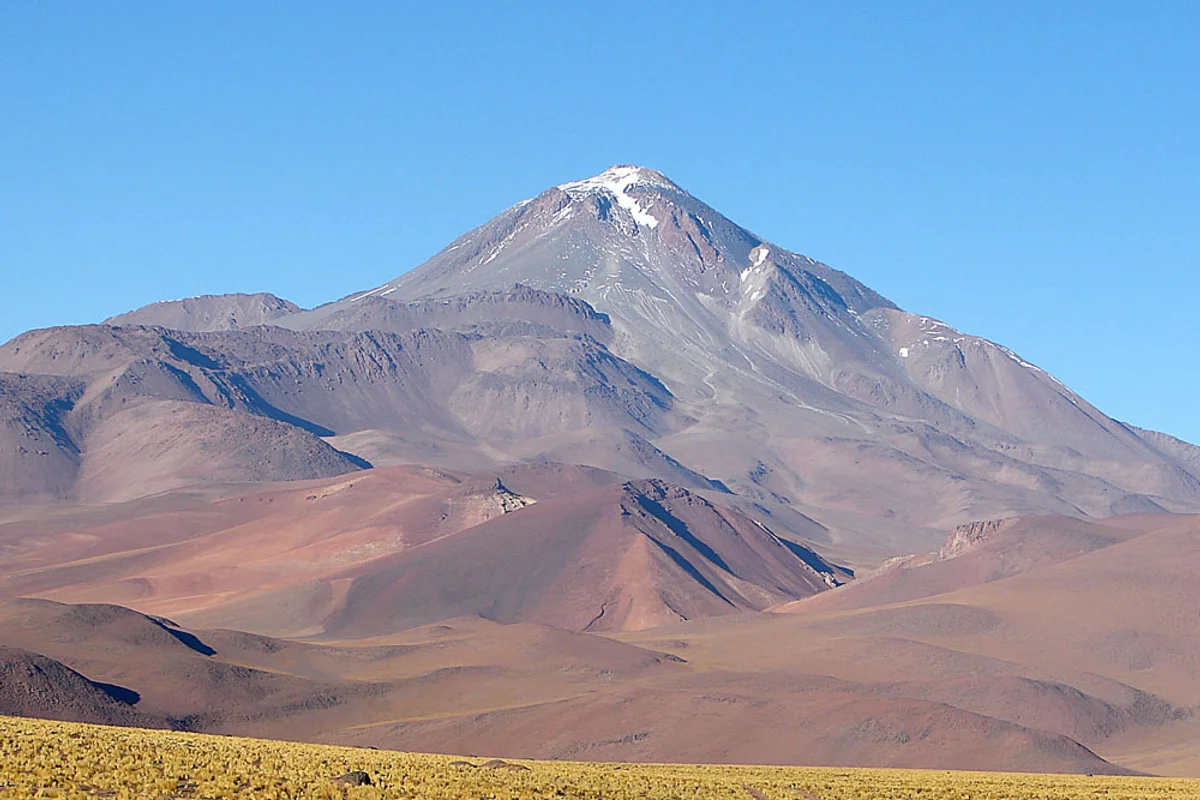


Llullaillaco
Volcán Llullaillaco is a monumental 6,739-meter (22,110 ft) stratovolcano on the border between Chile and Argentina. Internationally renowned as the world's highest archaeological site, its summit crater was chosen by the Inca Empire 500 years ago for the sacred Capacocha ritual, where the three famous, impeccably preserved 'Children of Llullaillaco' Inca mummies were discovered in 1999.
Geographical Footprint & Mountain Ranges (2)
Contemporary Alpinists & Regional Peers (6)
Notable climbers sharing Austria alpine heritage or active during contemporary climbing epochs.
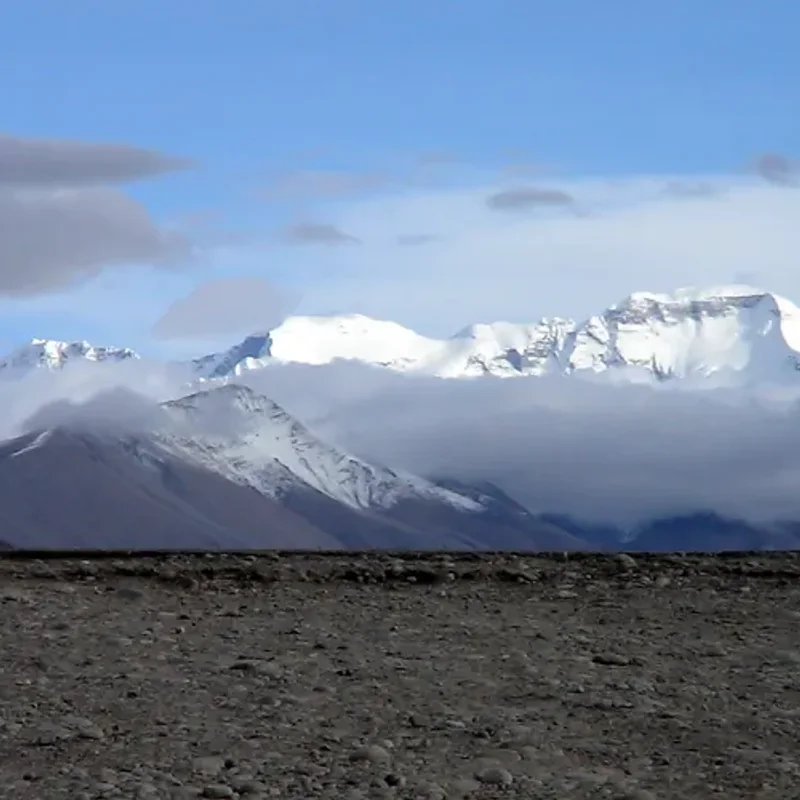
Alois Furtner
Alois Furtner established his climbing reputation through bold ascents in the Eastern Alps before venturing to the Himalayas. In autumn 1978, Furtner joined Eduard Koblmüller's small Austrian party on the Ngozumpa...
Andreas Neuschmid
Andreas Neuschmid is a seasoned Austrian high-altitude mountaineer and expedition leader. Across 8 expeditions recorded in the Himalayan Database, Neuschmid achieved 6 summits including Mount Everest, Cho Oyu, Manaslu,...
Arthur Haid
Arthur Haid is a veteran Austrian high-altitude mountaineer. Across 7 expeditions in the Himalayan Database, Haid achieved 2 summits strictly without supplemental oxygen, climbing technical routes on Pumori and Ama...

Cenzi von Ficker
Born in Munich in 1878 to a prominent Austrian academic family, Creszenz 'Cenzi' von Ficker emerged at the dawn of the 20th century as one of the boldest and most technically proficient female alpinists in the world....
Christian Stangl
Christian Stangl (born 1966) is an acclaimed Austrian skyrunner and extreme mountaineer celebrated as the first person to climb the Triple Seven Summits (the three highest peaks on all seven continents). In the...
Conrad Kain
Born on August 10, 1883, in Nasswald, Lower Austria, Conrad Kain grew up in poverty following his father's early death, working as a quarry boy and goat herder before discovering a profound natural talent for rock...
Documented Sources & Archival Citations
- Alpine JournalHigh Altitude Sanctuary Excavations in the Andes— by Mathias Rebitsch(Alpine Journal)
Supporting claim: Documentation of Andean high-altitude explorations and first ascents
Share Exploration
Global Mountain Intelligence
✓ Link copied to clipboard!