
Przemysław Piasecki
Also known as: Przemyslaw Piasecki
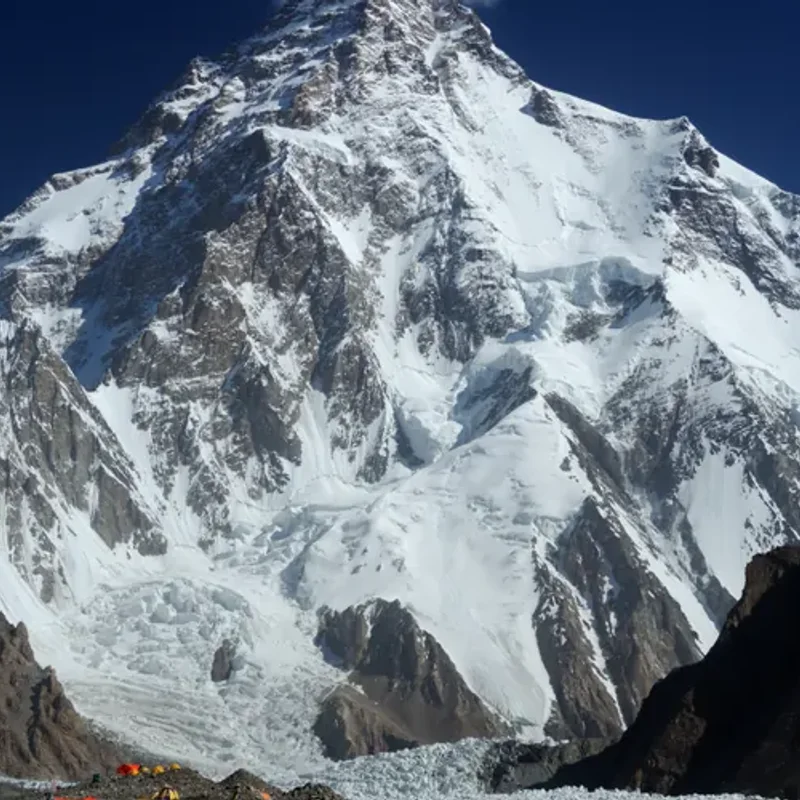
Przemysław Piasecki is a distinguished Polish mountaineer and doctor renowned for the historic August 3, 1986 first ascent of K2's formidable South-Southwest Ridge, the legendary 'Magic Line'.
Mountain Safety & Conditions Disclaimer: High-altitude climbing, glacial travel, and technical ascents entail severe objective risks including avalanches, serac collapses, rapid weather collapse, and altitude illness. Historical route descriptions and summit claims on Mountainity reflect documented archival sources and must not be used as live operational safety assessments. Local regulations, permits, and physical glacial topography change continuously.
Peer Review: Senior Editorial Board & Historical Reviewers • Editorial Standards
Biographical Record & Archival Chronicle
Born in Poland in 1952, Przemysław Piasecki became an accomplished member of the Polish Himalayan climbing movement during its legendary 1980s golden age. In the fateful summer of 1986 on K2, Piasecki joined the small Polish-Czechoslovak expedition organized by Janusz Majer to tackle Reinhold Messner's 'suicidal' project: the razor-sharp South-Southwest Ridge known as the Magic Line.
Climbing in lightweight capsule style through sustained Grade V rock and fragile 70-degree ice flutes, Piasecki, Wojciech Wróż, and Czech partner Petr Božik overcame the terrifying vertical crux gendarme at 8,300 meters. On August 3, 1986, all three reached the summit of K2 (8,611m) at 6:00 PM. During the descent in total darkness, Wróż slipped from fixed lines and perished, while Piasecki safely led Božik through the Abruzzi camps, securing one of the greatest technical achievements in Karakoram history.
Notable Milestones & Key Ascents (2)
First ascent of K2 (8,611m) South-Southwest Ridge 'Magic Line' on August 3, 1986
Pioneered lightweight alpine style on extreme technical 8,000m pillars
Key Statistics & Topographic Figures
- Archive Classification
- MOUNTAINEERS
Mountainity Knowledge Corpus
- Verification Status
- Editorially Verified
Archival Standards
- Citation Standard
- Primary Source Verified
Alpine Research Desk
Defined Alpine Terminology & Concepts
- Archival Integrity
- The standard of verifying historical mountain facts, summit claims, and altitudes using primary expeditions journals and geodetic measurements.
Frequently Asked Questions: Przemysław Piasecki
What historical significance does this mountaineer hold?
Przemysław Piasecki represents an essential chapter in global mountaineering heritage, verified through contemporary expedition journals and archival sources.
How are the facts and records for Przemysław Piasecki verified?
All records are checked against peer-reviewed journals, national alpine clubs, geodetic surveys, and the Mountainity Archival Integrity Policy.
Death Zone Summits (1 of 14)


K2
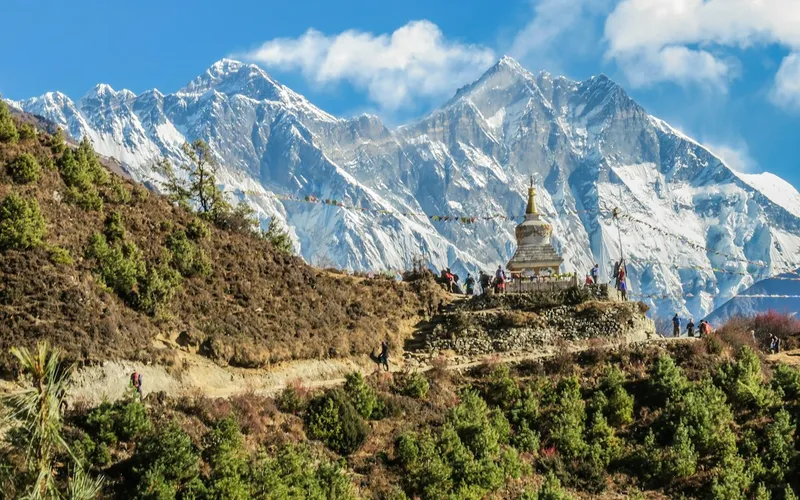
K2, at 8,611 meters (28,251 ft), is the second-highest mountain on Earth and widely regarded as the most technically demanding and lethal 8,000-meter peak. Located in the heart of the Karakoram on the border between Pakistan and China, K2 is characterized by sheer relief, severe weather anomalies, and persistent objective hazards including the notorious Bottleneck couloir.
Geographical Footprint & Mountain Ranges (1)
Documented Ascent Routes (1)
Magic Line (South-Southwest Pillar)
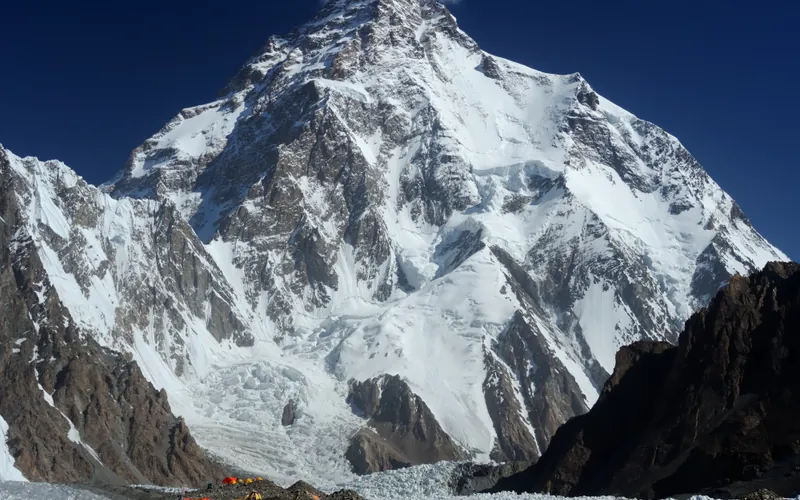
The Magic Line ascends the exposed, soaring South-Southwest Pillar of K2 from the Godwin-Austen and Negrotto glaciers. Named by Reinhold Messner who deemed it a pure aesthetic line, it was first...
Documented Expeditions (1)
1986 Polish–Czechoslovak K2 Magic Line First Ascent
Peter Božík, Przemysław Piasecki, and Wojciech Wróż conquered K2’s knife-edge South-Southwest Pillar ("Magic Line") on August 3, 1986, though Wróż tragically fell during the stormy Abruzzi descent.
Documented Expedition Partners (1)
Alpinists with documented shared expedition rosters, co-ascents, or collaborative high-altitude campaigns alongside Przemysław Piasecki.
Jerzy Kukuczka
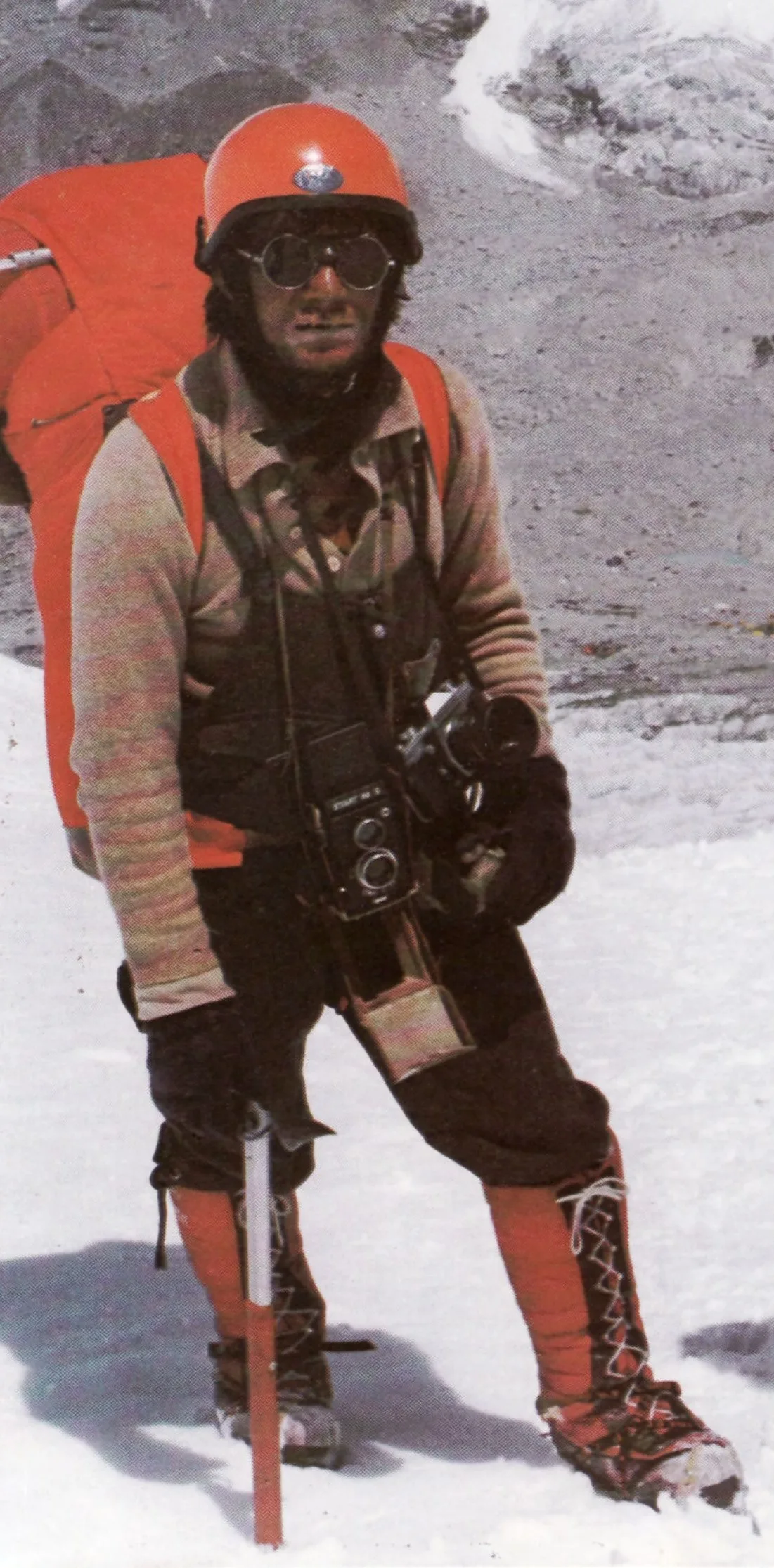
Jerzy Kukuczka was born on March 24, 1948, in Katowice, in the industrial heartland of Silesia, Poland. Working as an electrical technician in local coal mines, he found liberation and transcendence in the granite crags...
Contemporary Alpinists & Regional Peers (6)
Notable climbers sharing Poland alpine heritage or active during contemporary climbing epochs.

Adam Bielecki
Born on May 12, 1983, in Tychy, Poland, Adam Bielecki demonstrated remarkable climbing talent from adolescence. At age seventeen, he made a solo alpine-style ascent of Khan Tengri (7,010m) in the Tien Shan, setting a...

Andrzej Bargiel
Born in the Tatra foothills in Łętownia, Poland, Andrzej Bargiel transitioned from ski-mountaineering racing and a speed record on the five Snow Leopard peaks (2016) into pioneering uninterrupted ski descents from...

Andrzej Zawada
Maria Andrzej Zawada was born on July 16, 1928, in Olsztyn, Poland. After surviving the Second World War, he studied geophysics and physics at Wrocław University and Warsaw University of Technology, working as a...

Anna Czerwińska
Anna Czerwińska was born on July 10, 1949, in Warsaw, Poland. Holding a doctorate in pharmacy, Czerwińska turned her methodical scientific discipline toward the High Tatras, where she formed an indomitable climbing...

Artur Hajzer
Artur Hajzer was born on June 28, 1962, in Zielona Góra, Poland, and began climbing at age fourteen in the Polish Jura and Tatras. Physically imposing, relentless in deep snow, and gifted with exceptional logistical...

Artur Małek
Artur Małek, born in Tychy, Poland, developed into one of the country's most resilient cold-weather high-altitude specialists. A member of the High Mountain Club of Katowice, Małek proved his mettle during grueling...
Documented Sources & Archival Citations
- Archival PublicationK2: Triumph and Tragedy(Jim Curran / Grafton Books)
Share Exploration
Global Mountain Intelligence
✓ Link copied to clipboard!