

Ragobir Thapa
Also known as: Havildar Ragobir Thapa
Ragobir Thapa was a fearless Gurkha non-commissioned officer and climber who partnered with Albert F. Mummery during the pioneering 1895 attempt on Nanga Parbat (8,126m).
Mountain Safety & Conditions Disclaimer: High-altitude climbing, glacial travel, and technical ascents entail severe objective risks including avalanches, serac collapses, rapid weather collapse, and altitude illness. Historical route descriptions and summit claims on Mountainity reflect documented archival sources and must not be used as live operational safety assessments. Local regulations, permits, and physical glacial topography change continuously.
Peer Review: Senior Editorial Board & Historical Reviewers • Editorial Standards
Biographical Record & Archival Chronicle
Havildar Ragobir Thapa, serving in the 1st Battalion, 2nd Gurkha Rifles, was one of the earliest indigenous Himalayan mountaineers to attempt an 8,000-metre peak. Selected by Major Charles Granville Bruce for Albert F. Mummery's groundbreaking 1895 British expedition to Nanga Parbat, Thapa quickly demonstrated extraordinary natural aptitude for technical rock and ice climbing. Alongside Mummery, Thapa pushed up the treacherous Diamir Face via what is now known as the Mummery Rib, climbing unroped through steep gulleys to reach approximately 6,100 metres—the highest point reached by humans on any mountain up to that time. On August 24, 1895, Thapa, fellow Gurkha climber Goman Singh, and Mummery departed their Diamir camp to cross the high Diama Pass (approx. 6,200m) to inspect the Rakiot Face. The party was overwhelmed by an avalanche and perished, marking the first recorded fatalities on an 8,000-metre mountain.
Notable Milestones & Key Ascents (3)
Reached 6,100 metres on Nanga Parbat's Diamir Face in 1895 with Albert F. Mummery
Pioneered technical high-altitude climbing among Gurkha and Himalayan indigenous scouts
Part of the world's very first climbing expedition to an 8,000-meter peak
Key Statistics & Topographic Figures
- Archive Classification
- MOUNTAINEERS
Mountainity Knowledge Corpus
- Verification Status
- Editorially Verified
Archival Standards
- Citation Standard
- Primary Source Verified
Alpine Research Desk
Defined Alpine Terminology & Concepts
- Archival Integrity
- The standard of verifying historical mountain facts, summit claims, and altitudes using primary expeditions journals and geodetic measurements.
Frequently Asked Questions: Ragobir Thapa
What historical significance does this mountaineer hold?
Ragobir Thapa represents an essential chapter in global mountaineering heritage, verified through contemporary expedition journals and archival sources.
How are the facts and records for Ragobir Thapa verified?
All records are checked against peer-reviewed journals, national alpine clubs, geodetic surveys, and the Mountainity Archival Integrity Policy.
Death Zone Summits (1 of 14)


Nanga Parbat
Nanga Parbat, at 8,126 meters (26,660 ft), is the ninth-highest mountain on Earth and the western anchor of the Himalayas in Pakistan. It boasts the Rupal Face, the highest vertical precipice in the world at 4,600 meters from valley floor to summit. Known for profound climbing history, highlighted by Hermann Buhl's legendary solo summit without supplemental oxygen in 1953.
Geographical Footprint & Mountain Ranges (1)
Documented Ascent Routes (1)
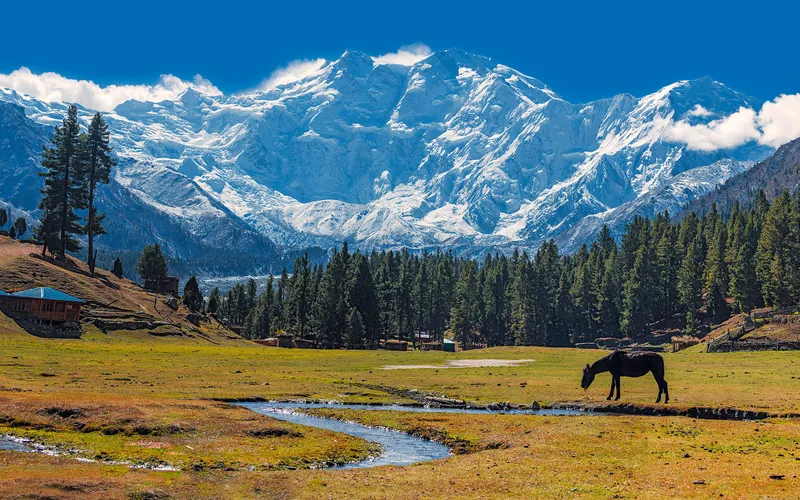
Rakhiot Flank & East Ridge (Original 1953 Route)
The historic original route on Nanga Parbat (8,126m), ascending from the Rakhiot Glacier over the heavily crevassed Rakhiot Icefall to reach the colossal Silbersattel (Silver Saddle) at 7,450 meters....
Documented Expeditions (1)
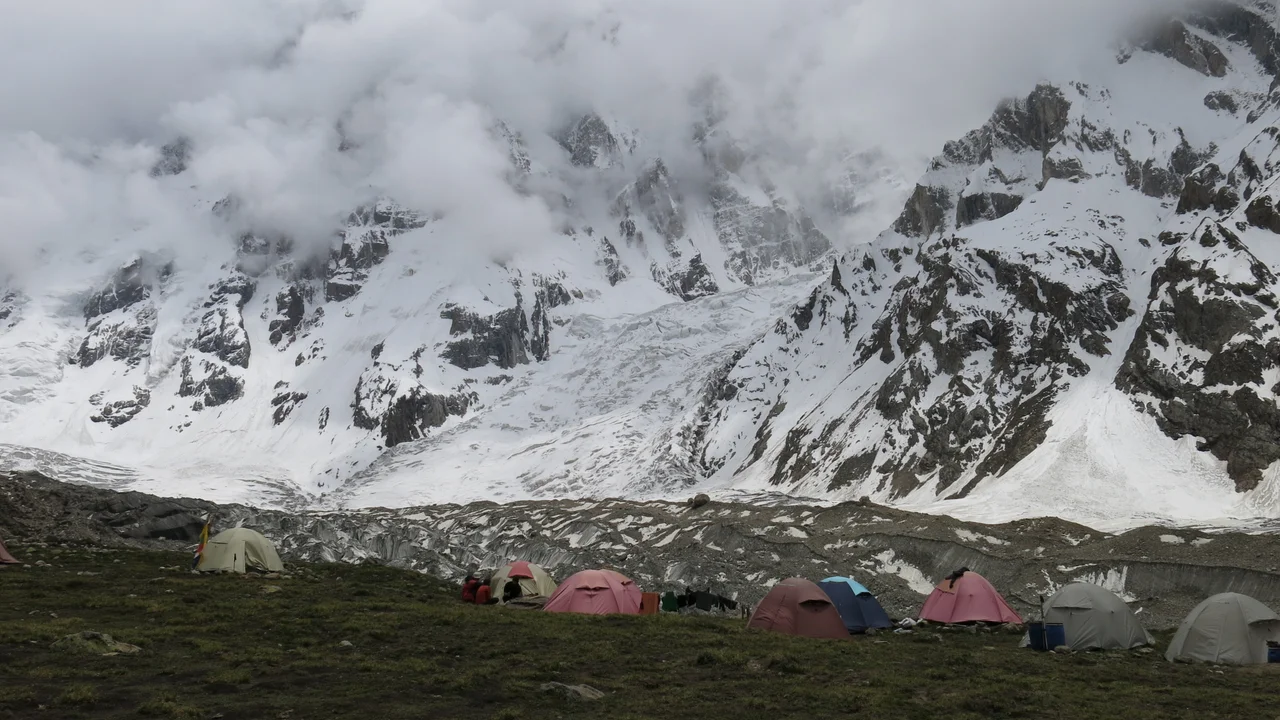
1895 Mummery Nanga Parbat Expedition
The groundbreaking 1895 expedition led by British climbing pioneer Albert F. Mummery that mounted the world's first-ever attempt to ascend an 8,000-meter peak, reaching 6,100 meters on Nanga Parbat (8,126m) before Mummery and two Gurkhas vanished crossing the Diama Pass.
Documented Expedition Partners (3)
Alpinists with documented shared expedition rosters, co-ascents, or collaborative high-altitude campaigns alongside Ragobir Thapa.
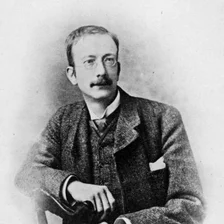
Albert F. Mummery
Albert Frederick Mummery was born on September 10, 1855, in Dover, England. An accomplished political economist and tanner by trade, Mummery completely revolutionized European mountaineering in the late 19th century....

Goman Singh
Rifleman Goman Singh, of the 1st Battalion, 2nd Gurkha Rifles, was chosen by Major Charles Bruce to provide high-altitude climbing capability for Albert F. Mummery's 1895 expedition to Nanga Parbat in the western...
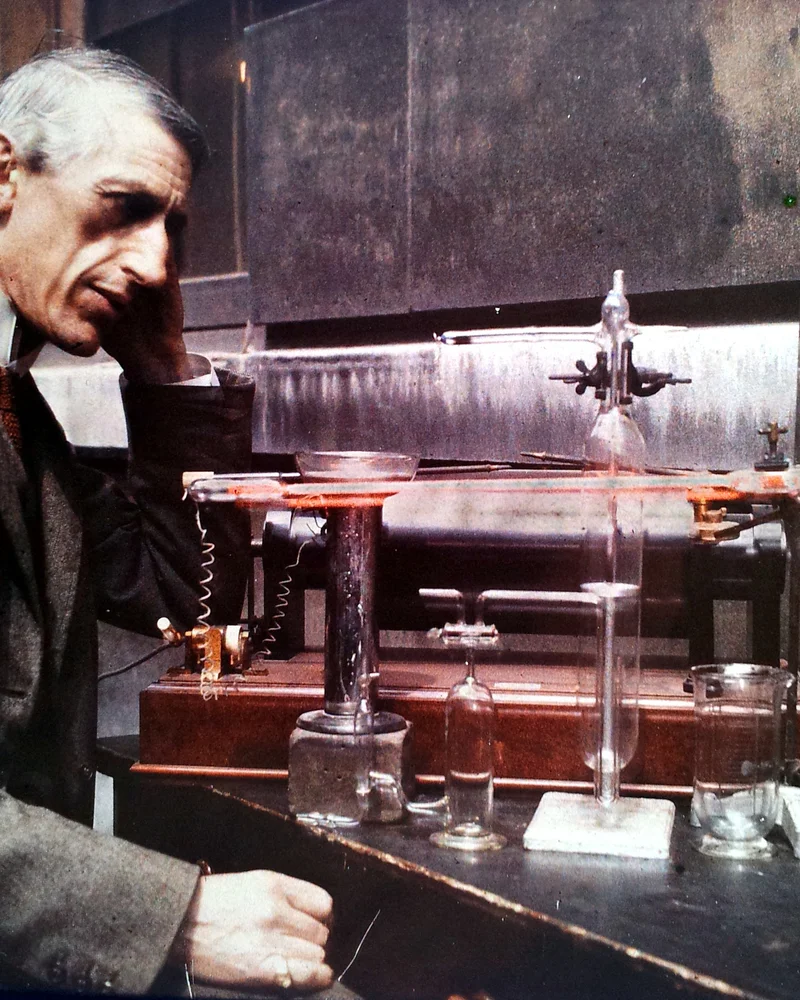
J. Norman Collie
Born on September 10, 1859, in Alderley Edge, Cheshire, John Norman Collie achieved world scientific renown as a brilliant organic chemist, developing pioneering work on aromatic compounds, neon illumination, and...
Documented Sources & Archival Citations
- Archival PublicationClimbing on the Himalaya and Other Mountain Ranges— by J. Norman Collie(David Douglas)
- Alpine JournalThe Alpine Journal: The Disaster on Nanga Parbat(The Alpine Club)
Share Exploration
Global Mountain Intelligence
✓ Link copied to clipboard!