
Tom Hornbein
Thomas Hornbein was an American mountaineer and anesthesiologist renowned for the 1963 maiden ascent of the West Ridge of Mount Everest with Willi Unsoeld.
Mountain Safety & Conditions Disclaimer: High-altitude climbing, glacial travel, and technical ascents entail severe objective risks including avalanches, serac collapses, rapid weather collapse, and altitude illness. Historical route descriptions and summit claims on Mountainity reflect documented archival sources and must not be used as live operational safety assessments. Local regulations, permits, and physical glacial topography change continuously.
Peer Review: Senior Editorial Board & Historical Reviewers • Editorial Standards
Biographical Record & Archival Chronicle
Thomas Hornbein was born in St. Louis, Missouri, and pursued parallel careers of extraordinary distinction in high-altitude mountaineering and medicine. In May 1963, as a member of the American Mount Everest Expedition led by Norman Dyhrenfurth, Hornbein and partner Willi Unsoeld boldly abandoned the established South Col route to pioneer a direct, highly technical line up the untested West Ridge. Overcoming steep, fragile yellow limestone slabs through a diagonal fracture forever known as the Hornbein Couloir, they reached the summit late in the afternoon on May 22, 1963, and completed the first traverse of an 8,000-meter peak in history, enduring an open, oxygenless bivouac at 8,500 meters alongside Barry Bishop and Lute Jerstad.
Notable Milestones & Key Ascents (3)
First ascent of Mount Everest via the West Ridge and Hornbein Couloir (May 22, 1963)
First traverse of Mount Everest and the first traverse of any 8,000-metre peak in history
Pioneering physiological research on human respiration and arterial blood gases in extreme hypoxia
Key Statistics & Topographic Figures
- Archive Classification
- MOUNTAINEERS
Mountainity Knowledge Corpus
- Verification Status
- Editorially Verified
Archival Standards
- Citation Standard
- Primary Source Verified
Alpine Research Desk
Defined Alpine Terminology & Concepts
- Archival Integrity
- The standard of verifying historical mountain facts, summit claims, and altitudes using primary expeditions journals and geodetic measurements.
Frequently Asked Questions: Tom Hornbein
What historical significance does this mountaineer hold?
Tom Hornbein represents an essential chapter in global mountaineering heritage, verified through contemporary expedition journals and archival sources.
How are the facts and records for Tom Hornbein verified?
All records are checked against peer-reviewed journals, national alpine clubs, geodetic surveys, and the Mountainity Archival Integrity Policy.
Death Zone Summits (1 of 14)
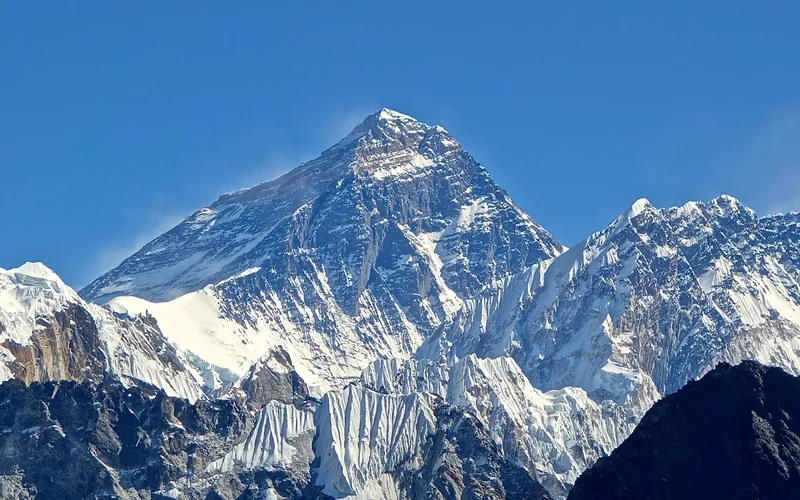


Mount Everest
Mount Everest is the highest mountain above sea level on Earth, standing at an official elevation of 8,848.86 meters (29,031.7 ft). Straddling the international frontier between Nepal and China, it is known locally as Sagarmatha in Nepali ('Goddess of the Sky') and Chomolungma in Tibetan ('Mother Goddess of the World'). The peak rises into the extreme upper troposphere, where oxygen levels drop to barely one-third of sea-level pressure. Climbers face hurricane-force jet stream winds, severe frostbite conditions, shifting ice crevasses in the Khumbu Icefall, and the dangerous Death Zone above 8,000 meters.
Geographical Footprint & Mountain Ranges (1)
Associated Chronicles & Stories (1)
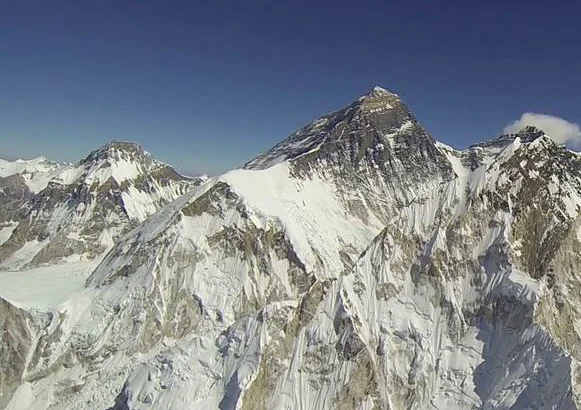
The West Ridge and Beyond: The 1963 American Mount
In May 1963, the American Mount Everest Expedition achieved historic triumphs on the roof of the world. Jim Whittaker became the first American to summit Everest on May 1, followed on May 22 by Tom Hornbein and Willi Unsoeld's audacious West Ridge traverse and open bivouac at 8,500 metres.
Contemporary Alpinists & Regional Peers (6)
Notable climbers sharing United States alpine heritage or active during contemporary climbing epochs.
Al Read
Allen 'Al' Read was born on April 12, 1938, in Salt Lake City, Utah. An ardent climber from his youth in the Wasatch Range and Grand Teton National Park, Read became one of the key visionaries who transformed adventure...
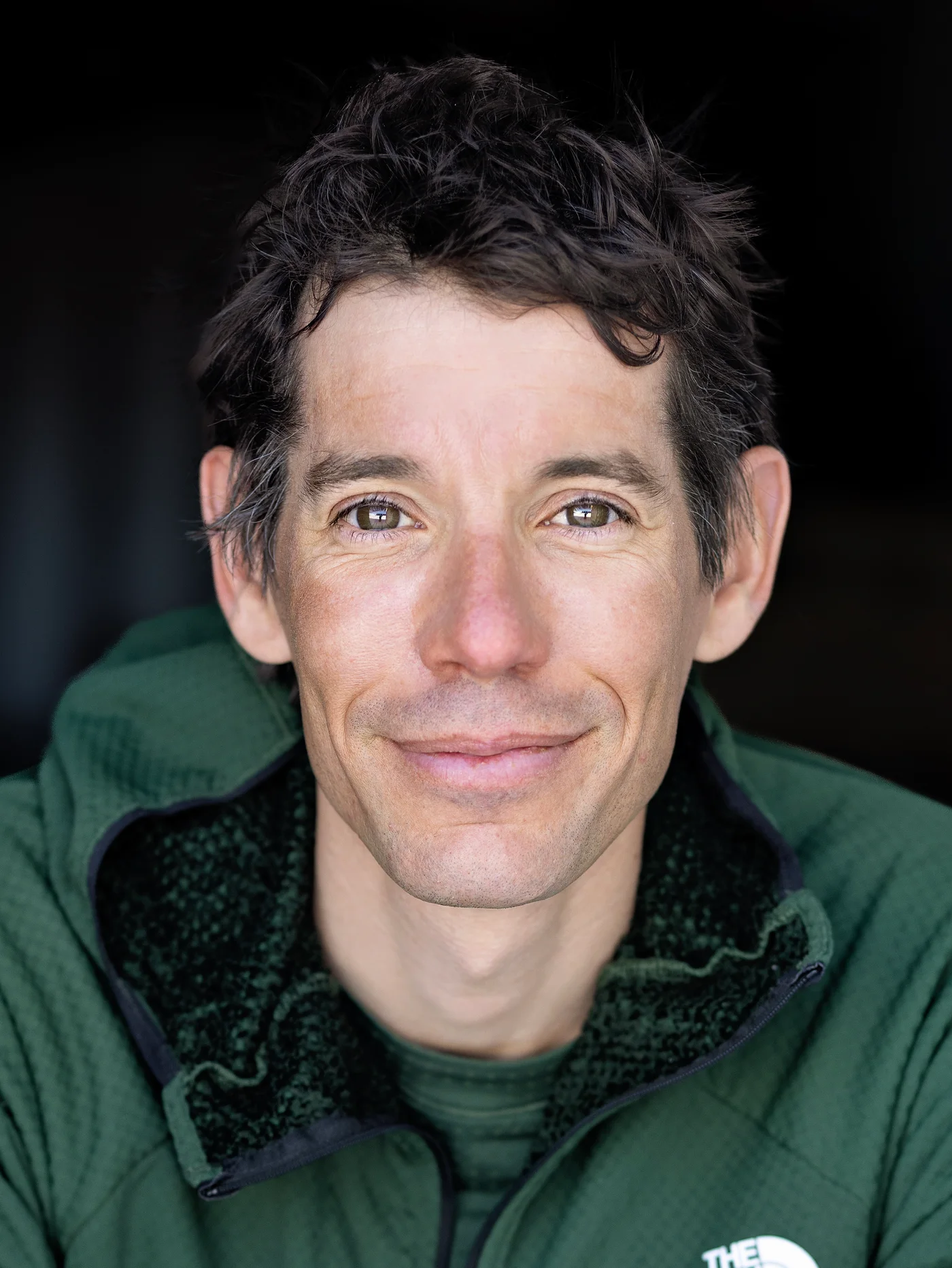
Alex Honnold
Alex Honnold was born on August 17, 1985, in Sacramento, California. Starting climbing in an indoor gym at age ten, Honnold devoted his adolescence to obsessive repetition and movement training. Dropping out of the...
Andy Kauffman
Andrew John Kauffman II was born on November 27, 1920, in Philadelphia, Pennsylvania. Educated at Harvard University, Kauffman joined the Harvard Mountaineering Club, emerging as one of the most prolific and technically...
Anna Gutu
Anna Gutu was born in 1990 in Odesa, Ukraine, later relocating to the United States and becoming a naturalized American citizen. Entering high-altitude Himalayan climbing with relentless determination, Gutu set out in...
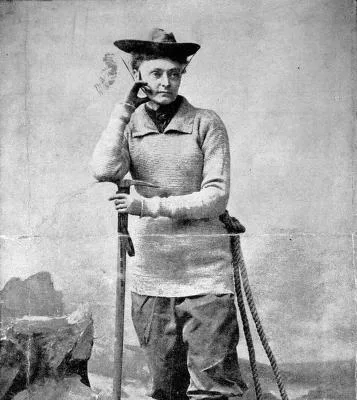
Annie Smith Peck
Born on October 19, 1850, in Providence, Rhode Island, Annie Smith Peck was an intellectual trailblazer who earned bachelor's and master's degrees from the University of Michigan before becoming one of the first women...
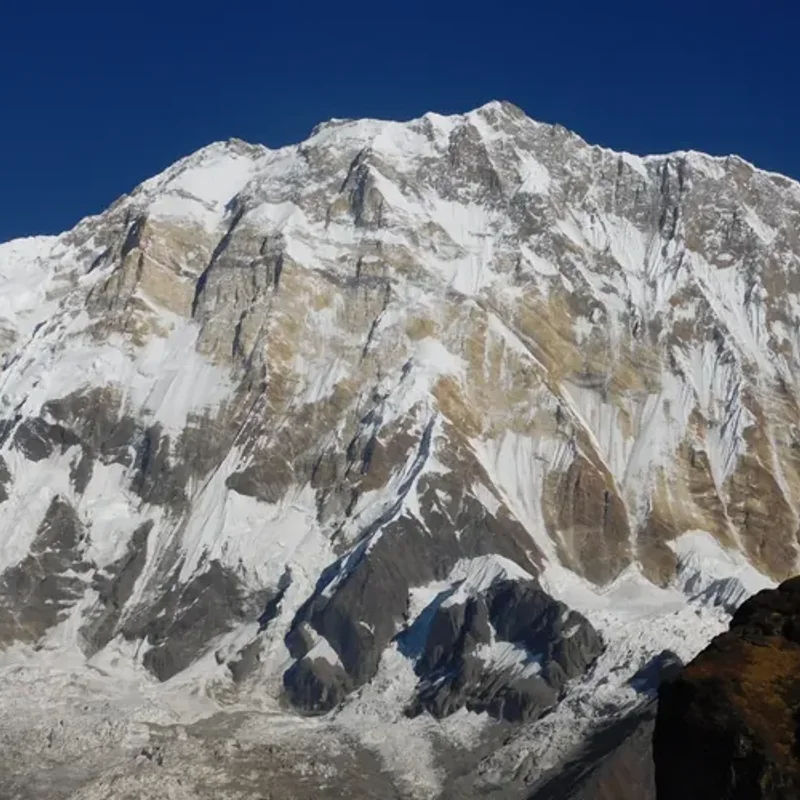
Arlene Blum
Born in 1945 in Chicago, Arlene Blum earned her doctorate in biophysical chemistry from UC Berkeley. In the early 1970s, she climbed extensively across North America and the Himalayas, participating in the 1976 American...
Documented Sources & Archival Citations
- Reference OverviewEverest: The West Ridge— by Thomas F. Hornbein(Sierra Club / The Mountaineers)
Supporting claim: Original documentary narrative of the 1963 West Ridge expedition
Share Exploration
Global Mountain Intelligence
✓ Link copied to clipboard!