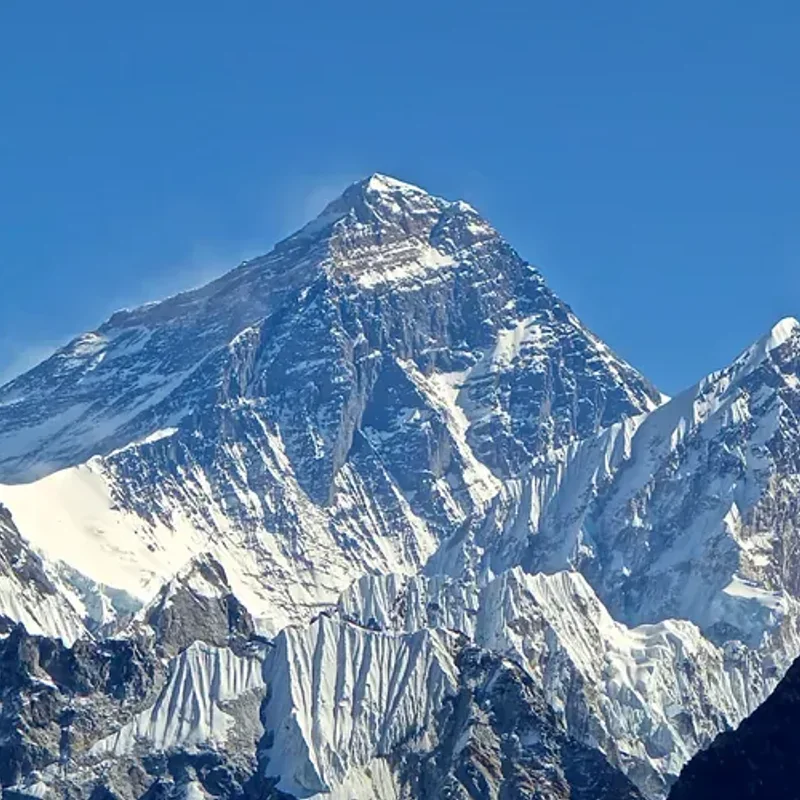

Wolfgang Nairz
Wolfgang Nairz is a legendary Austrian mountaineer, expedition leader, and aviation pioneer who led the historic 1972 Manaslu South Face expedition and the triumphant 1978 Austrian Everest expedition, becoming the first Austrian to summit Mount Everest.
Mountain Safety & Conditions Disclaimer: High-altitude climbing, glacial travel, and technical ascents entail severe objective risks including avalanches, serac collapses, rapid weather collapse, and altitude illness. Historical route descriptions and summit claims on Mountainity reflect documented archival sources and must not be used as live operational safety assessments. Local regulations, permits, and physical glacial topography change continuously.
Peer Review: Senior Editorial Board & Historical Reviewers • Editorial Standards
Biographical Record & Archival Chronicle
Born in Innsbruck in 1944, Wolfgang Nairz became one of Austria's preeminent high-altitude organizers and mountain guides. In 1972, he organized and led the bold expedition that achieved the first ascent of Manaslu's 3,000-meter South Face, orchestrating high-altitude logistics through immense storms.
In May 1978, Nairz led the historic Austrian Everest expedition that made international history when teammates Reinhold Messner and Peter Habeler made the first ascent without supplemental oxygen. Nairz himself summited Mount Everest on May 8, 1978, using oxygen, becoming the first Austrian to stand on the roof of the world. Nairz is also celebrated for his pioneer high-altitude hang-gliding flights in the Alps and Himalayas.
Notable Milestones & Key Ascents (4)
Expedition leader of the 1972 Manaslu South Face first ascent
First Austrian to summit Mount Everest (8,848.86m) on May 8, 1978
Expedition leader of the historic 1978 Austrian Everest Expedition
Pioneered alpine hang-gliding from major high-altitude summits
Key Statistics & Topographic Figures
- Archive Classification
- MOUNTAINEERS
Mountainity Knowledge Corpus
- Verification Status
- Editorially Verified
Archival Standards
- Citation Standard
- Primary Source Verified
Alpine Research Desk
Defined Alpine Terminology & Concepts
- Archival Integrity
- The standard of verifying historical mountain facts, summit claims, and altitudes using primary expeditions journals and geodetic measurements.
Frequently Asked Questions: Wolfgang Nairz
What historical significance does this mountaineer hold?
Wolfgang Nairz represents an essential chapter in global mountaineering heritage, verified through contemporary expedition journals and archival sources.
How are the facts and records for Wolfgang Nairz verified?
All records are checked against peer-reviewed journals, national alpine clubs, geodetic surveys, and the Mountainity Archival Integrity Policy.
Death Zone Summits (2 of 14)
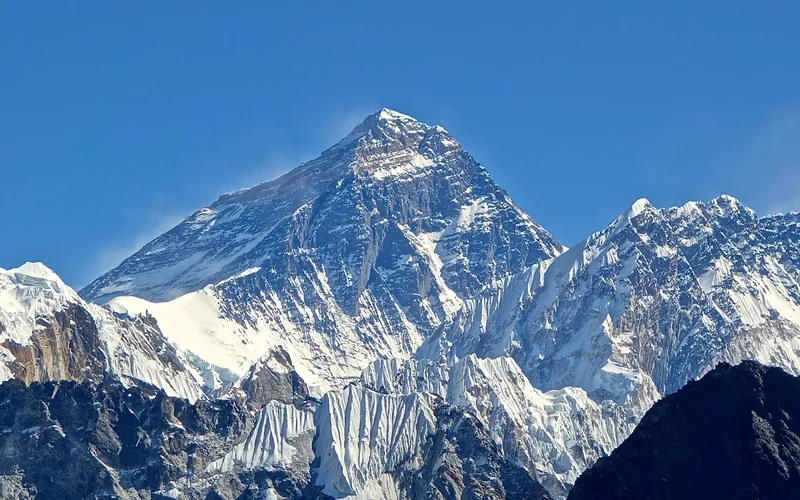


Mount Everest
Mount Everest is the highest mountain above sea level on Earth, standing at an official elevation of 8,848.86 meters (29,031.7 ft). Straddling the international frontier between Nepal and China, it is known locally as Sagarmatha in Nepali ('Goddess of the Sky') and Chomolungma in Tibetan ('Mother Goddess of the World'). The peak rises into the extreme upper troposphere, where oxygen levels drop to barely one-third of sea-level pressure. Climbers face hurricane-force jet stream winds, severe frostbite conditions, shifting ice crevasses in the Khumbu Icefall, and the dangerous Death Zone above 8,000 meters.
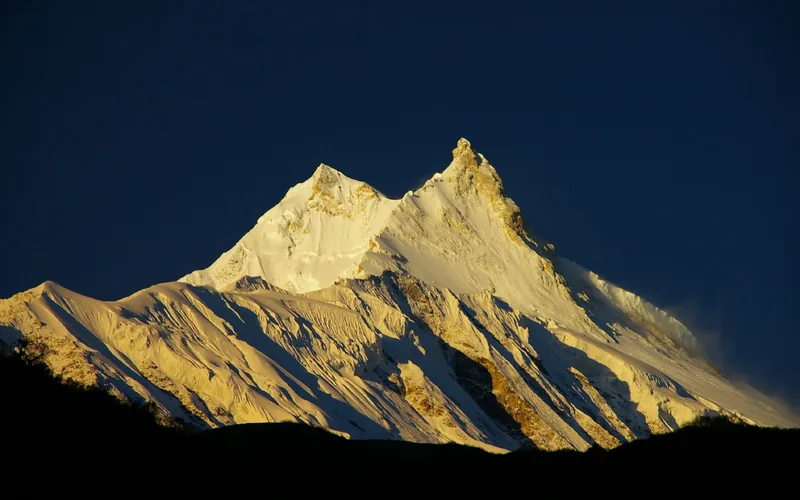
Manaslu
Manaslu, at 8,163 meters (26,781 ft), is the eighth-highest mountain in the world, situated in the Mansiri Himal of west-central Nepal. Known as the 'Mountain of the Spirit', its long ridges and valley glaciers offer dramatic topography culminating in a delicate, exposed knife-edge summit crest.
Geographical Footprint & Mountain Ranges (1)
Contemporary Alpinists & Regional Peers (6)
Notable climbers sharing Austria alpine heritage or active during contemporary climbing epochs.
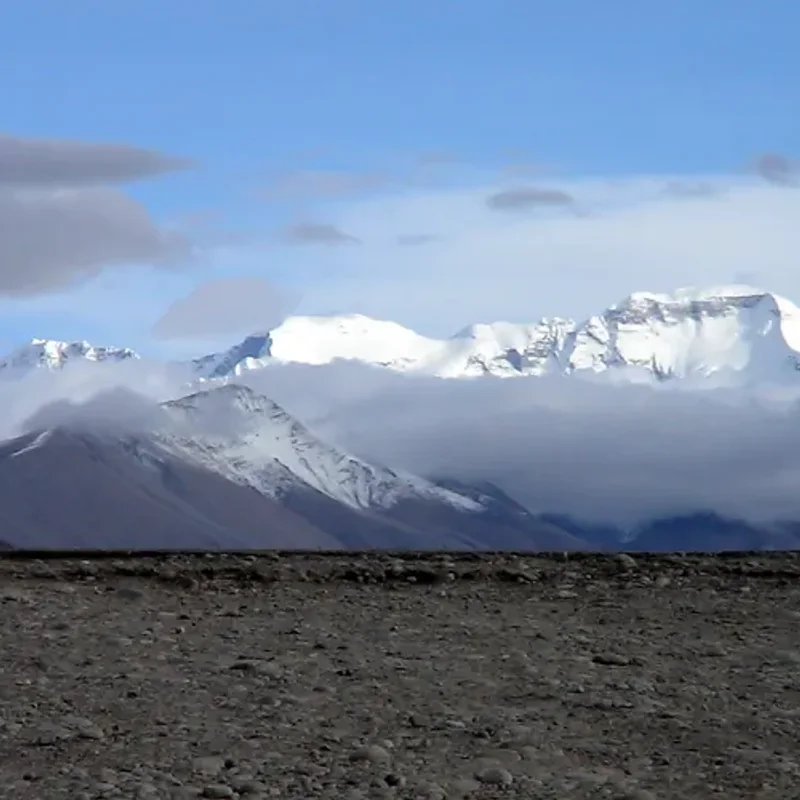
Alois Furtner
Alois Furtner established his climbing reputation through bold ascents in the Eastern Alps before venturing to the Himalayas. In autumn 1978, Furtner joined Eduard Koblmüller's small Austrian party on the Ngozumpa...
Andreas Neuschmid
Andreas Neuschmid is a seasoned Austrian high-altitude mountaineer and expedition leader. Across 8 expeditions recorded in the Himalayan Database, Neuschmid achieved 6 summits including Mount Everest, Cho Oyu, Manaslu,...
Arthur Haid
Arthur Haid is a veteran Austrian high-altitude mountaineer. Across 7 expeditions in the Himalayan Database, Haid achieved 2 summits strictly without supplemental oxygen, climbing technical routes on Pumori and Ama...

Cenzi von Ficker
Born in Munich in 1878 to a prominent Austrian academic family, Creszenz 'Cenzi' von Ficker emerged at the dawn of the 20th century as one of the boldest and most technically proficient female alpinists in the world....
Christian Stangl
Christian Stangl (born 1966) is an acclaimed Austrian skyrunner and extreme mountaineer celebrated as the first person to climb the Triple Seven Summits (the three highest peaks on all seven continents). In the...
Conrad Kain
Born on August 10, 1883, in Nasswald, Lower Austria, Conrad Kain grew up in poverty following his father's early death, working as a quarry boy and goat herder before discovering a profound natural talent for rock...
Documented Sources & Archival Citations
- Primary Expedition ReportEverest: The Austrian Expedition(Wolfgang Nairz / Steiger Verlag)
- Archival DatabaseThe Himalayan Database — Climber Archive (Wolfgang Nairz) ↗(Elizabeth Hawley / The Himalayan Database)
Supporting claim: Historical expedition participation, high-altitude summit chronology, and career ascent log
Share Exploration
Global Mountain Intelligence
✓ Link copied to clipboard!