Monte San Valentín
Monte San Valentín is the highest peak in Patagonia, rising to an official surveyed elevation of 4,058 metres (13,314 ft) at the head of the Northern Patagonian Icefield in Chile. Bounded by colossal hanging glaciers, severe icefalls, and ferocious Pacific storms, it commands an immense topographic prominence of 3,696 metres, making it one of the most prominent mountains on Earth.

Mountain Safety & Conditions Disclaimer: High-altitude climbing, glacial travel, and technical ascents entail severe objective risks including avalanches, serac collapses, rapid weather collapse, and altitude illness. Historical route descriptions and summit claims on Mountanity reflect documented archival sources and must not be used as live operational safety assessments. Local regulations, permits, and physical glacial topography change continuously.
Peer Review: Senior Editorial Board & Historical Reviewers • Editorial Standards
Geographical Setting & Topography
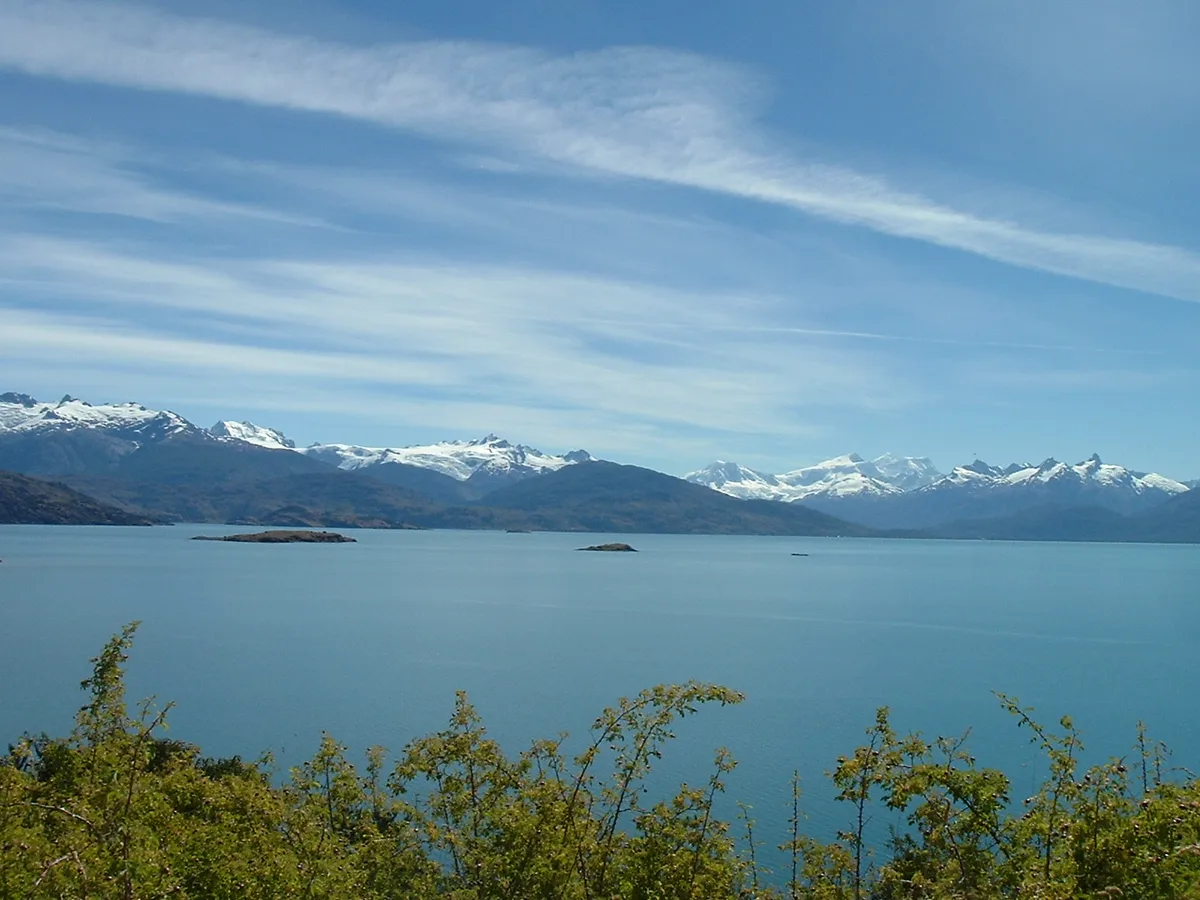
Dominating the northern edge of the Northern Patagonian Icefield within Laguna San Rafael National Park, towering between the Golfo de Penas and General Carrera Lake.
Historic First Ascent
Date: 1952-12-18
Ascent Team: Jorge Peterek, Fredy Frei, and Pierre Paschetta (Club Andino Bariloche / French Alpine Club)
Key Statistics & Topographic Figures
- Summit Elevation
- 4,058 m (13,314 ft) — Highest in Patagonia
- Topographic Prominence
- 3,696 metres (Ultra-Prominent Peak)
- First Ascent Date
- December 18, 1952 (Peterek, Frei, Paschetta)
- Location
- Northern Patagonian Icefield, Aysén, Chile
- Glacier Discharge
- Feeds the famous San Rafael marine tidewater glacier
Archival Primary Source Quotations
“San Valentín stands like an immense frozen throne watching over the boundless white plains of the northern ice cap.”
Defined Alpine Terminology & Concepts
- Northern Patagonian Icefield
- A massive continental icecap covering 4,200 square kilometres in southern Chile, entirely preserved within national parks.
- Tidewater Glacier
- A glacier that flows from high alpine icefields directly into the ocean or fjords, terminating in massive calved icebergs.
Monte San Valentín Mountain Weather Forecast
Detailed 14-Day Summit Window & Weather Timeline
Explore day-by-day summit push safety windows, wind shear analysis, and extended multi-day forecasts for Monte San Valentín.
Explore Monte San Valentín (4,058 m) in Interactive 3D
Inspect steep glacial walls, hanging seracs, ridge approaches, and elevation relief with 360° rotation and terrain tilt in WebGL.
Frequently Asked Questions: Monte San Valentín
What is Monte San Valentín and what is its official height?
Monte San Valentín is the highest peak in Patagonia, rising to an official surveyed elevation of 4,058 metres (13,314 ft) in the Aysén Region of Chile.
What is the topographic prominence of Monte San Valentín?
Monte San Valentín commands a topographic prominence of 3,696 metres, ranking as one of the most prominent mountains on Earth.
Where is Monte San Valentín situated?
At the northern head of the Northern Patagonian Icefield within Laguna San Rafael National Park in Chile.
Who first climbed Monte San Valentín?
The summit was first reached on December 18, 1952, by an Argentine-French expedition comprising Jorge Peterek, Fredy Frei, and Pierre Paschetta.
What earlier exploration did Father De Agostini conduct on San Valentín?
In 1921, Father Alberto María De Agostini conducted pioneering exploratory climbs on San Valentín's flanks, reaching the high icefield.
What are the primary hazards when climbing San Valentín?
Extreme crevasses, massive sérac falls, whiteout blizzards, Pacific maritime gales, and total isolation from emergency rescue.
What glacier systems surround Monte San Valentín?
Massive tributary glaciers including the San Rafael Glacier and San Quintín Glacier flow directly from its flanks into maritime fjords.
What national park protects Monte San Valentín?
Laguna San Rafael National Park, designated a UNESCO World Biosphere Reserve in 1979.
Documented Sources & Archival Citations
- American Alpine Journal: First Ascent of San Valentín(American Alpine Club)
Supporting claim: Official expedition record of the 1952 Argentine-French first ascent of San Valentín
Accessed/Documented: 1953 - I Miei Viaggi nella Terra del Fuoco(Alberto María De Agostini / Società Geografica Italiana)
Supporting claim: Pioneering photographic and geographical explorations of the San Valentín massif
Accessed/Documented: 1923