Al Hajar Mountains
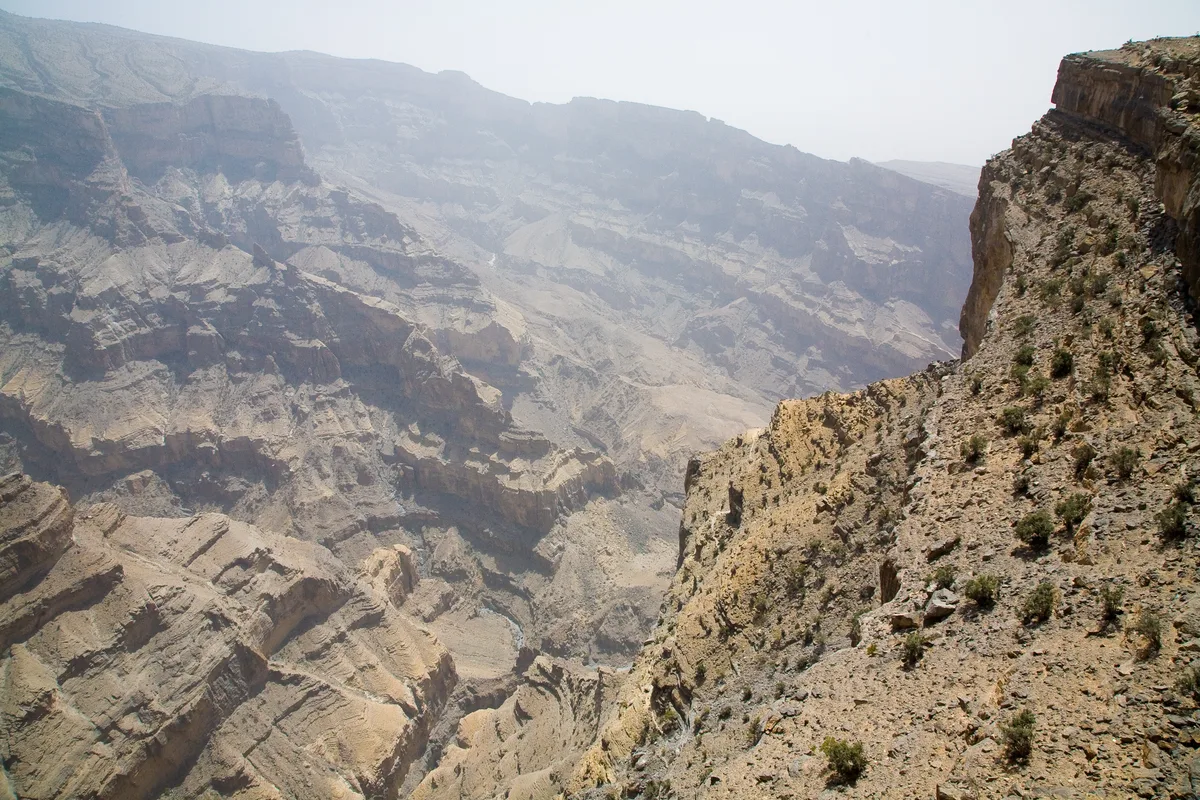
An arid, jagged coastal mountain chain formed by the obduction of the Semail Ophiolite over Arabian continental crust, featuring sheer limestone canyons, wadis, and culminated by Jebel Shams (3,009 m) in the Western Hajar.
Peer Review: Senior Editorial Board & Historical Reviewers • Editorial Standards
Key Statistics & Topographic Figures
- Archive Classification
- RANGES
Mountainity Knowledge Corpus
- Verification Status
- Editorially Verified
Archival Standards
- Citation Standard
- Primary Source Verified
Alpine Research Desk
Defined Alpine Terminology & Concepts
- Archival Integrity
- The standard of verifying historical mountain facts, summit claims, and altitudes using primary expeditions journals and geodetic measurements.
Frequently Asked Questions: Al Hajar Mountains
What historical significance does this range hold?
Al Hajar Mountains represents an essential chapter in global mountaineering heritage, verified through contemporary expedition journals and archival sources.
How are the facts and records for Al Hajar Mountains verified?
All records are checked against peer-reviewed journals, national alpine clubs, geodetic surveys, and the Mountainity Archival Integrity Policy.
Featured Summits in Al Hajar Mountains
Browse Range Summits →
Jebel Shams
Jebel Shams (Mountain of the Sun) is the highest peak in Oman and the Al Hajar Mountains, rising to 3,009 meters above sea level. Renowned for its sheer limestone cliffs dropping over 1,000 meters into Wadi Ghul (the Grand Canyon of Arabia), it offers dramatic desert-alpine terrain.
Documented Sources & Archival Citations
- Primary Alpine JournalStructure and Stratigraphy of the Oman Mountains (Al Hajar) ↗(Petroleum Development Oman & Geological Society of London)
Supporting claim: Ophiolite obduction, Jebel Shams apex height (3,009m), and deep canyon geomorphology.
Share Exploration
Global Mountain Intelligence
✓ Link copied to clipboard!