East African Rift Mountains
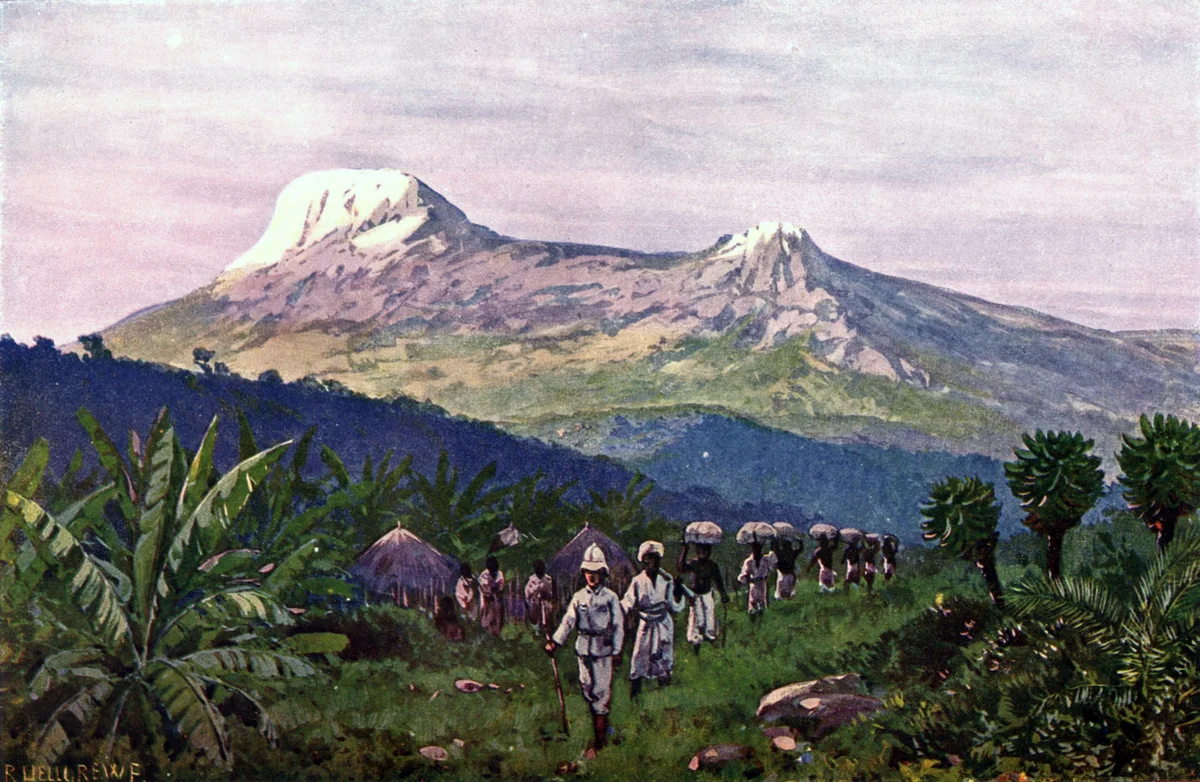
The colossal tectonic rift mountain system of East Africa, towering from the savannah plains. Home to Africa's highest peak, the massive dormant stratovolcano Mount Kilimanjaro (5,895 m), and the rugged volcanic rock spires of Mount Kenya (5,199 m).
Peer Review: Senior Editorial Board & Historical Reviewers • Editorial Standards
Key Statistics & Topographic Figures
- Archive Classification
- RANGES
Mountanity Knowledge Corpus
- Verification Status
- Editorially Verified
Archival Standards
- Citation Standard
- Primary Source Verified
Alpine Research Desk
Archival Primary Source Quotations
“Great things are done when men and mountains meet; this is not done by jostling in the street.”
Defined Alpine Terminology & Concepts
- Archival Integrity
- The standard of verifying historical mountain facts, summit claims, and altitudes using primary expeditions journals and geodetic measurements.
Frequently Asked Questions: East African Rift Mountains
What historical significance does this range hold?
East African Rift Mountains represents an essential chapter in global mountaineering heritage, verified through contemporary expedition journals and archival sources.
How are the facts and records for East African Rift Mountains verified?
All records are checked against peer-reviewed journals, national alpine clubs, geodetic surveys, and the Mountanity Archival Integrity Policy.
Documented Peaks in East African Rift Mountains
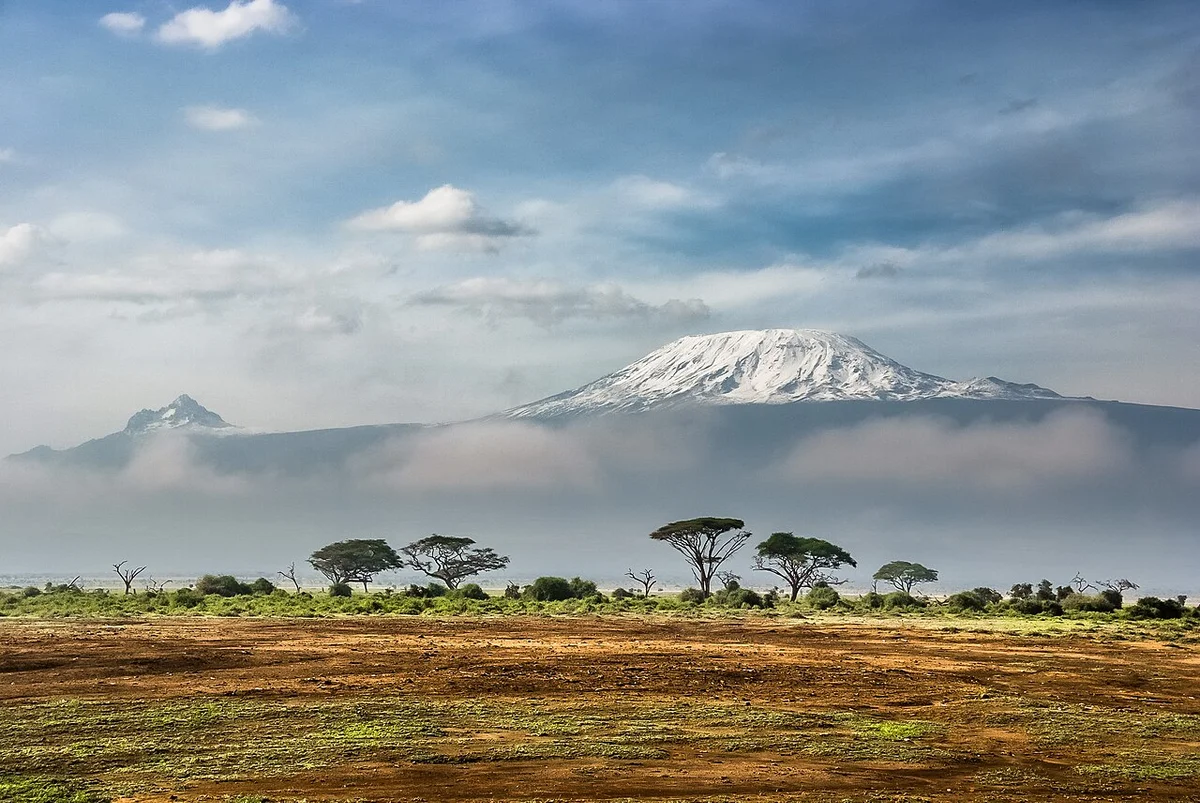

Mount Kilimanjaro
Mount Kilimanjaro is the highest mountain in Africa, the highest free-standing mountain in the world, and one of the Seven Summits, soaring to 5,895 metres (19,341 ft) above the plains of northeastern Tanzania. Consisting of three distinct volcanic cones—Kibo, Mawenzi (5,149 m), and Shira (4,005 m)—its summit at Uhuru Peak was first reached on October 6, 1889, by German geographer Hans Meyer, Austrian alpine pioneer Ludwig Purtscheller, and local Chagga mountain scout Yohani Lauwo.
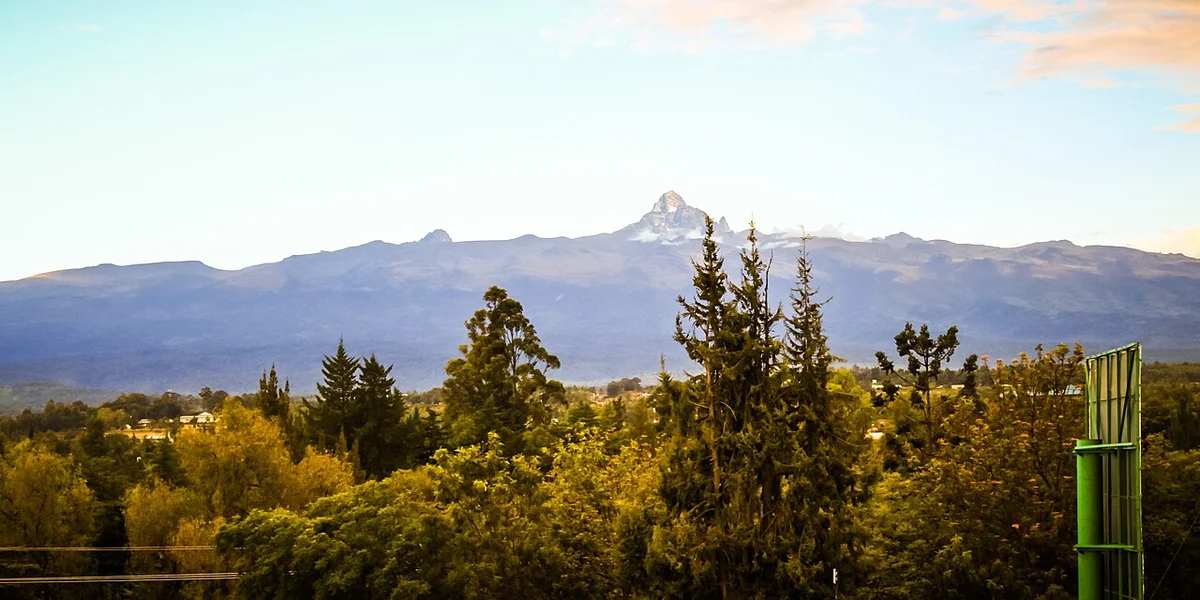

Mount Kenya
Mount Kenya is the second-highest mountain in Africa at 5,199 metres (17,057 ft), an ancient extinct stratovolcano that once rose over 7,000 metres before millions of years of glaciation eroded it into sheer rock bastions. Its highest twin summits—Batian (5,199 m) and Nelion (5,188 m)—present demanding, highly technical rock and ice climbing. Batian was first climbed on September 13, 1899, by British geographer Sir Halford Mackinder and Courmayeur alpine guides César Ollier and Josef Brocherel.
Documented Sources & Archival Citations
- Across East African Glaciers: An Account of the First Ascent of Kilimanjaro(Hans Meyer / George Philip & Son)Accessed/Documented: 1891
- The First Ascent of Mount Kenya(Halford John Mackinder / The Geographical Journal)Accessed/Documented: 1900