Mount Kilimanjaro
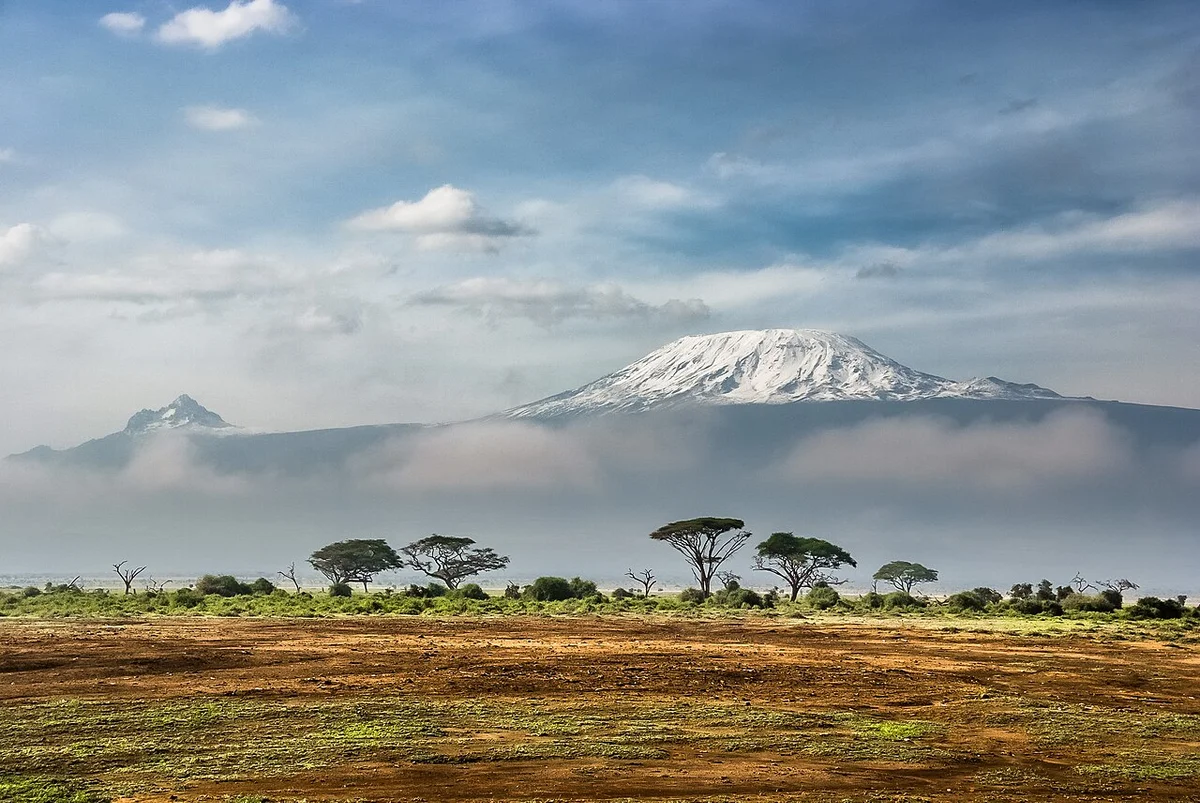
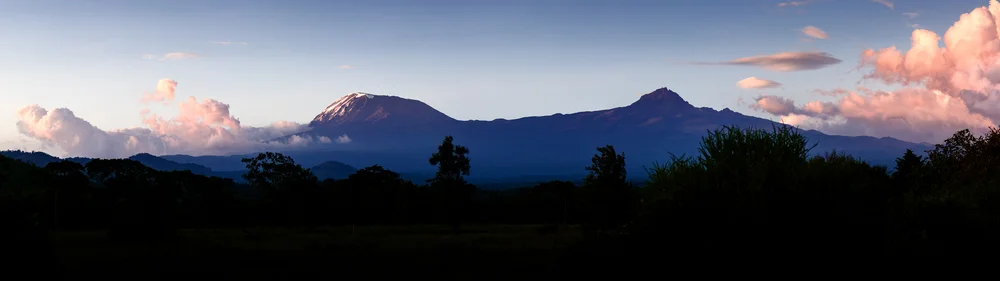
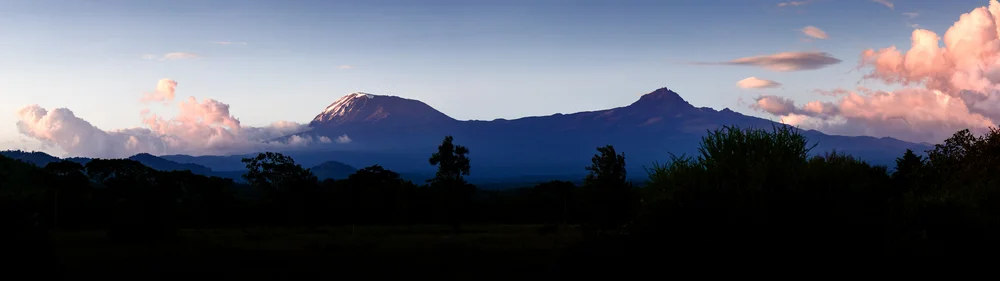
Mount Kilimanjaro is the highest mountain in Africa, the highest free-standing mountain in the world, and one of the Seven Summits, soaring to 5,895 metres (19,341 ft) above the plains of northeastern Tanzania.
 Tanzania
Mountain Safety & Conditions Disclaimer: High-altitude climbing, glacial travel, and technical ascents entail severe objective risks including avalanches, serac collapses, rapid weather collapse, and altitude illness. Historical route descriptions and summit claims on Mountanity reflect documented archival sources and must not be used as live operational safety assessments. Local regulations, permits, and physical glacial topography change continuously.
Peer Review: Senior Editorial Board & Historical Reviewers • Editorial Standards
Geographical Setting & Topography
Rising an astounding 4,900 metres directly from the surrounding acacia savannah near Moshi, Kilimanjaro contains five distinct ecological zones: agricultural cultivate, montane rainforest, moorland/heath, alpine desert, and Arctic glacial ice cap at the Kibo caldera.
Historic First Ascent
Date: 1889-10-06
Ascent Team: Hans Meyer, Ludwig Purtscheller, Yohani Lauwo, Mwini Amani
Key Statistics & Topographic Figures
- Official Elevation
- 5,895 m (19,341 ft)
- Prominence
- 5,885 m (Ultra-Prominent)
- First Ascent
- October 6, 1889
- Country
- Tanzania (East Africa)
- Seven Summits
- African Continental High Point
Archival Primary Source Quotations
“Kilimanjaro is a snow-covered mountain 19,710 feet high, and is said to be the highest mountain in Africa. Its western summit is called the Masai 'Ngaje Ngai', the House of God.”
Defined Alpine Terminology & Concepts
- Free-Standing Mountain
- A solitary mountain not part of a continuous mountain chain, rising independently above the surrounding terrain.
- Kibo Caldera
- The massive two-kilometer-wide crater at the summit of Kilimanjaro holding remnant icefields.
Mount Kilimanjaro Mountain Weather Forecast
Detailed 14-Day Summit Window & Weather Timeline
Explore day-by-day summit push safety windows, wind shear analysis, and extended multi-day forecasts for Mount Kilimanjaro.
Explore Mount Kilimanjaro (5,895 m) in Interactive 3D
Inspect steep glacial walls, hanging seracs, ridge approaches, and elevation relief with 360° rotation and terrain tilt in WebGL.
Documented Climbing Routes (1)
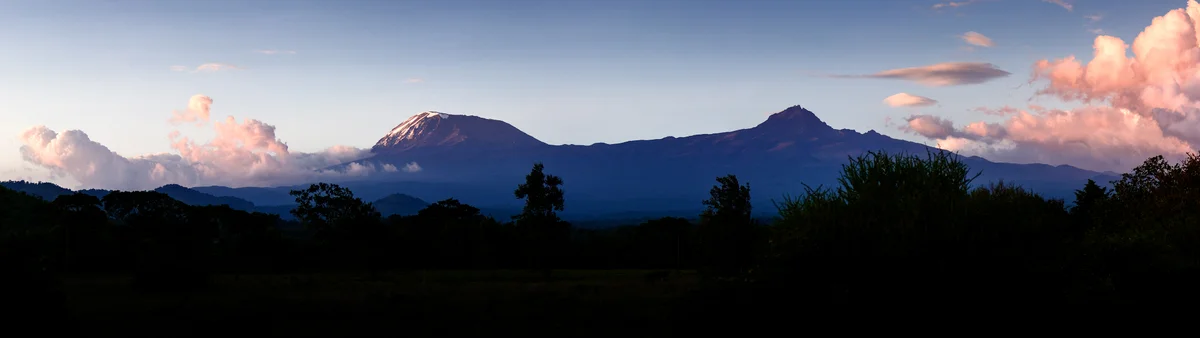
Kilimanjaro Marangu Route via Kibo Hut & Gilman's Point
The historic 'Coca-Cola Route' and the oldest established trail on Mount Kilimanjaro, ascending the southeastern slopes from Marangu through rainforest, moorland, and alpine desert to Kibo Hut and Uhuru Peak. The only route on Kilimanjaro offering permanent dormitory hut accommodations.
Historical Expeditions (2)
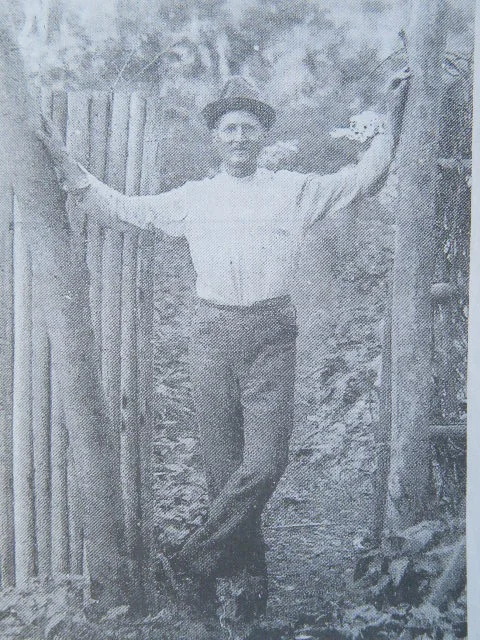
1889 Hans Meyer, Ludwig Purtscheller and Yohani Lauwo Mount Kilimanjaro Historic First Ascent Expedition
On October 6, 1889, German geographer Hans Meyer and Austrian alpine master Ludwig Purtscheller achieved the historic maiden first ascent of Mount Kilimanjaro (5,895 m), Africa's highest summit. Guided through the cloud forests and across the high volcanic saddle by Chagga scout Yohani Lauwo, Purtscheller carved hundreds of steps into the ice wall of Ratzel Glacier to breach the crater rim of Kibo and stand on the highest point in Africa.
1898 Dr. Hans Meyer Mount Kilimanjaro Kibo Caldera Glaciological Survey Expedition
In the summer of 1898, Dr. Hans Meyer returned to Mount Kilimanjaro to conduct the first exhaustive glaciological and photographic survey of the Kibo caldera. Descending directly into the volcanic crater floor, Meyer mapped the Northern and Southern Icefields and recorded crucial scientific data establishing the foundational baseline for global tropical climate and glacial monitoring.
Summit Chronicles & Stories (2)
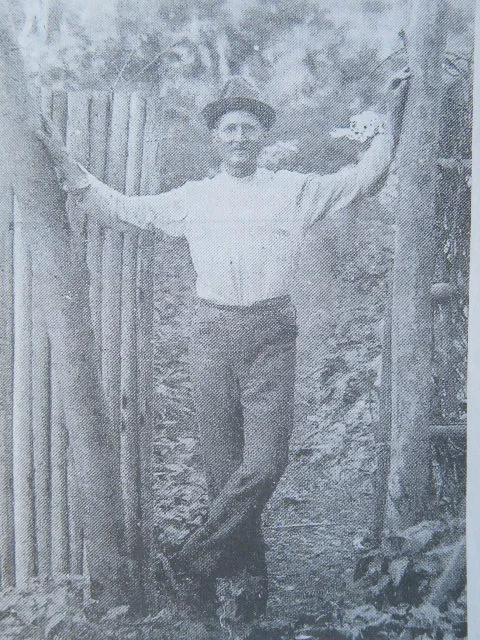
Across the Crater Ice: The 1889 First Ascent of Mount Kilimanjaro
The White Dome of Equatorial Africa...
Into the Kibo Caldera: Hans Meyer's 1898 Glaciological Odyssey
The Scientist Returns to His Mountain...
Frequently Asked Questions: Mount Kilimanjaro
How high is Mount Kilimanjaro and where is it located?
Mount Kilimanjaro stands at 5,895 metres (19,341 ft) in northeastern Tanzania, making it the highest peak in Africa and the highest free-standing mountain on Earth.
Who was the first person to reach the summit of Mount Kilimanjaro?
German geographer Hans Meyer, Austrian climber Ludwig Purtscheller, and local Chagga scout Yohani Lauwo made the historic maiden first ascent on October 6, 1889.
What are the three volcanic cones of Mount Kilimanjaro?
Kilimanjaro consists of three distinct volcanic cones: Kibo (5,895 m), Mawenzi (5,149 m), and Shira (4,005 m).
Does Mount Kilimanjaro require technical mountaineering gear?
Standard trekking routes like the Marangu Route are non-technical walk-ups, though climbers face severe altitude hypoxia, freezing cold, and steep volcanic scree.
Documented Sources & Archival Citations
- Across East African Glaciers: An Account of the First Ascent of Kilimanjaro(Hans Meyer / George Philip & Son)
Supporting claim: Firsthand official narrative of the 1889 maiden summit ascent
Accessed/Documented: 1891 - Über den Kilimandscharo(Ludwig Purtscheller / Zeitschrift des DÖAV)
Supporting claim: Firsthand technical account of the alpine summit push across the crater ice
Accessed/Documented: 1890