Kunlun Mountains
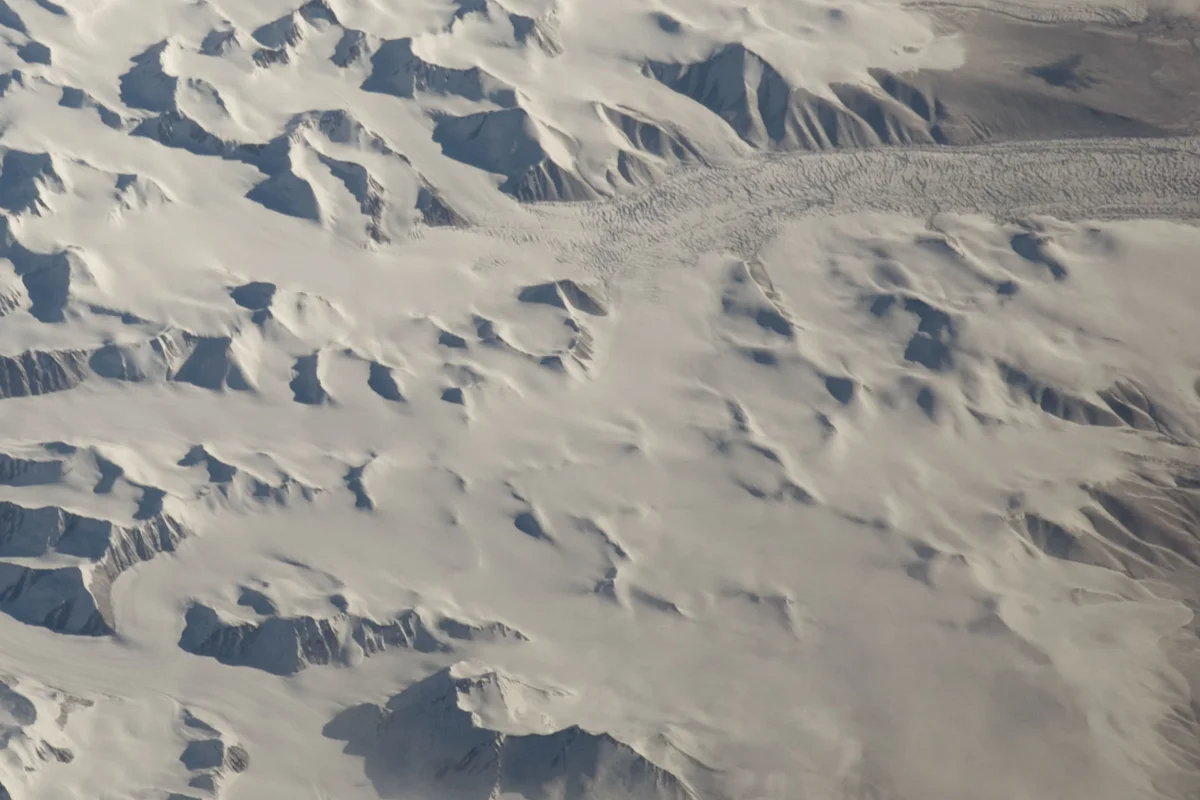
The Kunlun Mountains form one of the longest mountain chains in Asia, stretching more than 3,000 kilometres along the northern edge of the Tibetan Plateau. Acting as a colossal geological barrier between the high-altitude cold desert of Tibet and the hyper-arid Tarim Basin, the range hosts soaring, heavily glaciated summits exceeding 6,000 and 7,000 metres, crowned by Liushi Shan (7,167 m) and Ulugh Muztagh (6,973 m).
Peer Review: Senior Editorial Board & Historical Reviewers • Editorial Standards
Key Statistics & Topographic Figures
- Archive Classification
- RANGES
Mountainity Knowledge Corpus
- Verification Status
- Editorially Verified
Archival Standards
- Citation Standard
- Primary Source Verified
Alpine Research Desk
Defined Alpine Terminology & Concepts
- Archival Integrity
- The standard of verifying historical mountain facts, summit claims, and altitudes using primary expeditions journals and geodetic measurements.
Frequently Asked Questions: Kunlun Mountains
What historical significance does this range hold?
Kunlun Mountains represents an essential chapter in global mountaineering heritage, verified through contemporary expedition journals and archival sources.
How are the facts and records for Kunlun Mountains verified?
All records are checked against peer-reviewed journals, national alpine clubs, geodetic surveys, and the Mountainity Archival Integrity Policy.
Featured Summits in Kunlun Mountains
Browse Range Summits →

Liushi Shan North
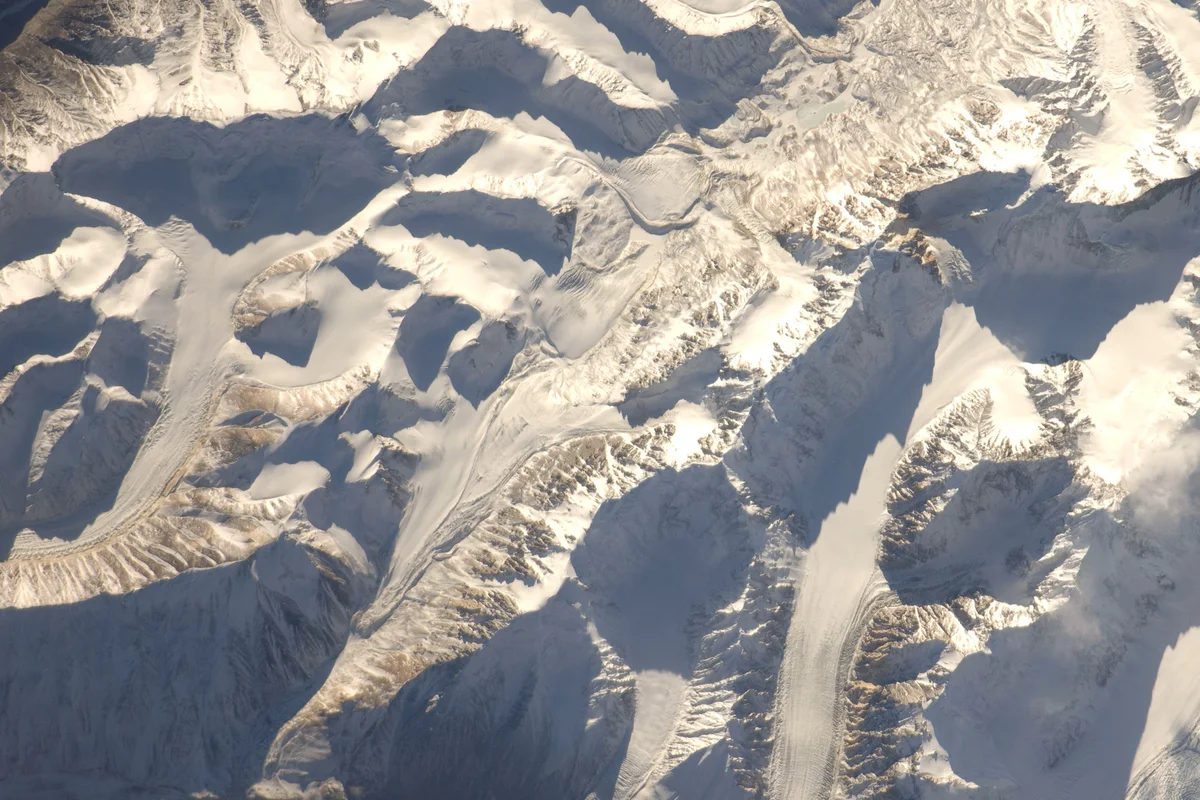
Liushi Shan North is a majestic 6,000-meter peak rising to 6980 meters in the Kunlun Mountains (Xinjiang / Tibet, China). Documented in international mountaineering archives following its historic first ascent in 1986 by Japanese expedition (Japan), the peak presents technical ridgelines and high-altitude alpine terrain.
Chong Muztagh
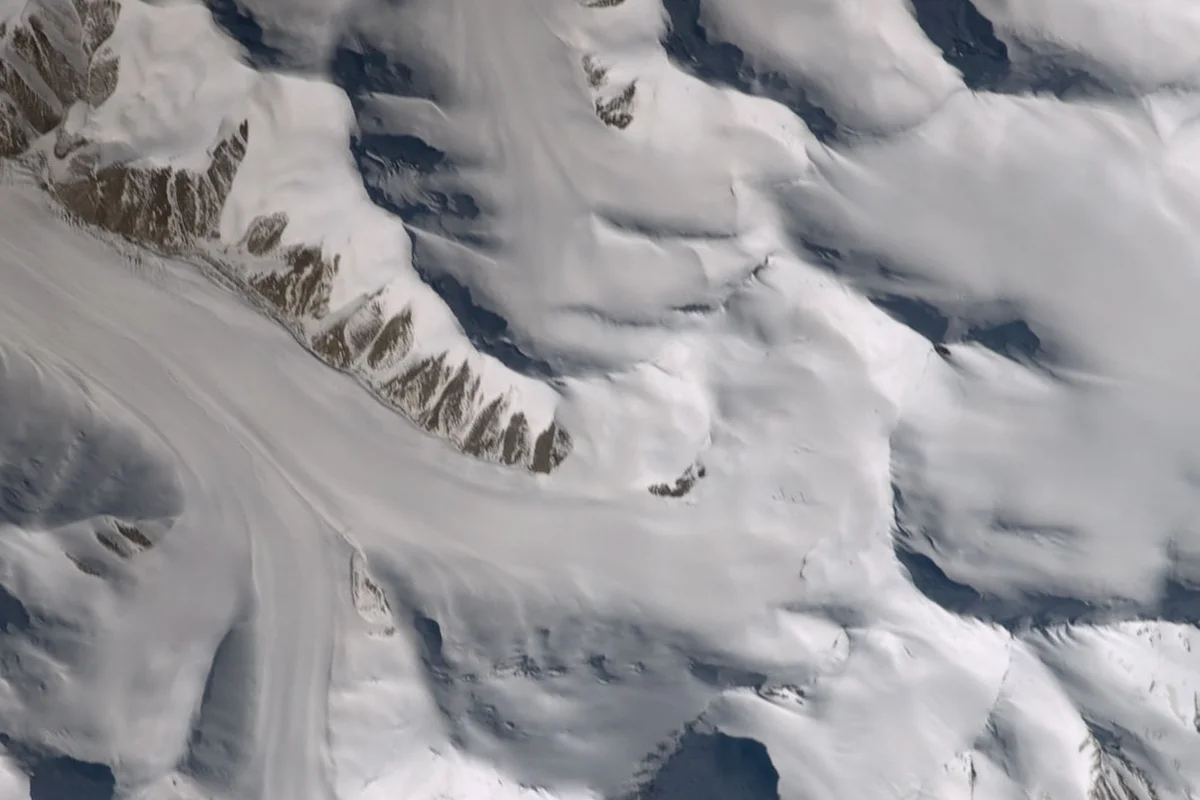
Chong Muztagh is a majestic 6,000-meter peak rising to 6976 meters in the Kunlun Mountains (Xinjiang / Tibet, China). Documented in international mountaineering archives following its historic first ascent in 2000 by Chinese-Japanese team (China / Japan), the peak presents technical ridgelines and high-altitude alpine terrain.
Ulugh Muztagh
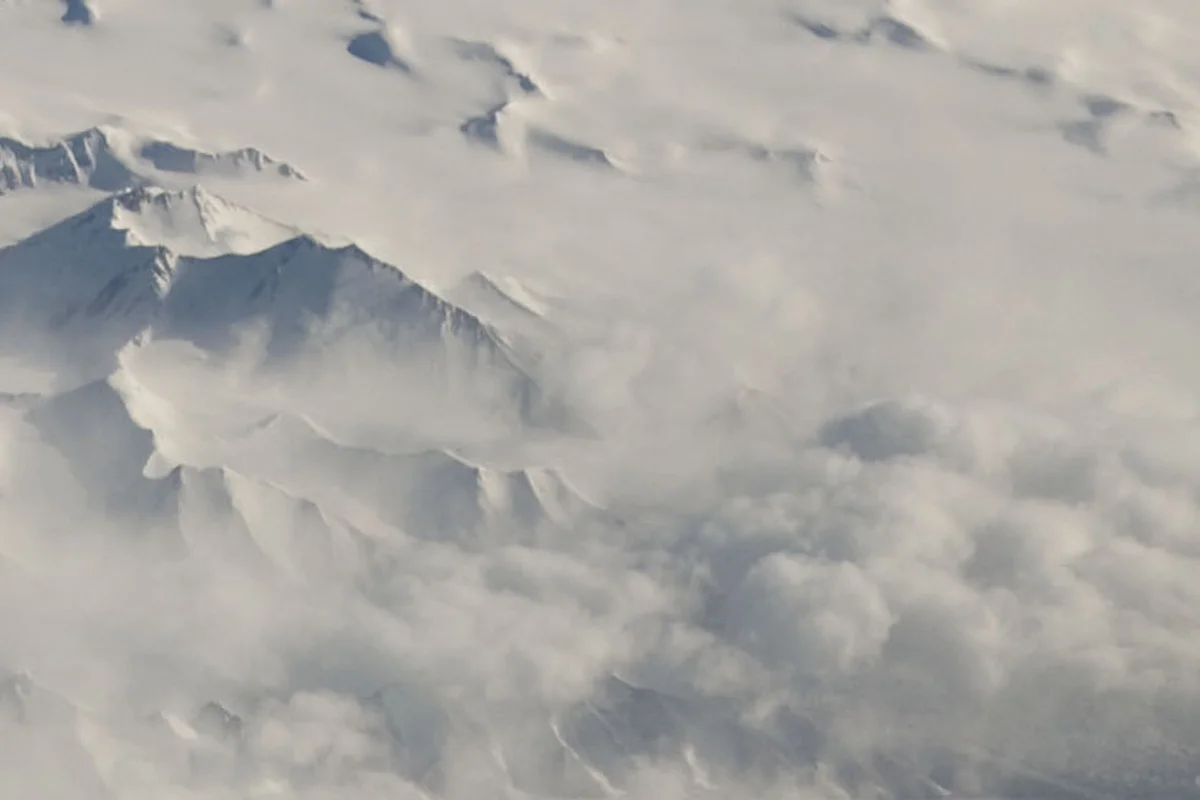
Ulugh Muztagh is a majestic 6,000-meter peak rising to 6973 meters in the Kunlun Mountains (Xinjiang / Tibet, China). Documented in international mountaineering archives following its historic first ascent in 1985 by Chinese-American joint expedition (China / United States), the peak presents technical ridgelines and high-altitude alpine terrain.
Liushi Shan South
Liushi Shan South is a majestic 6,000-meter peak rising to 6890 meters in the Kunlun Mountains (Xinjiang / Tibet, China). Documented in international mountaineering archives following its historic first ascent in 1986 by Japanese team (Japan), the peak presents technical ridgelines and high-altitude alpine terrain.
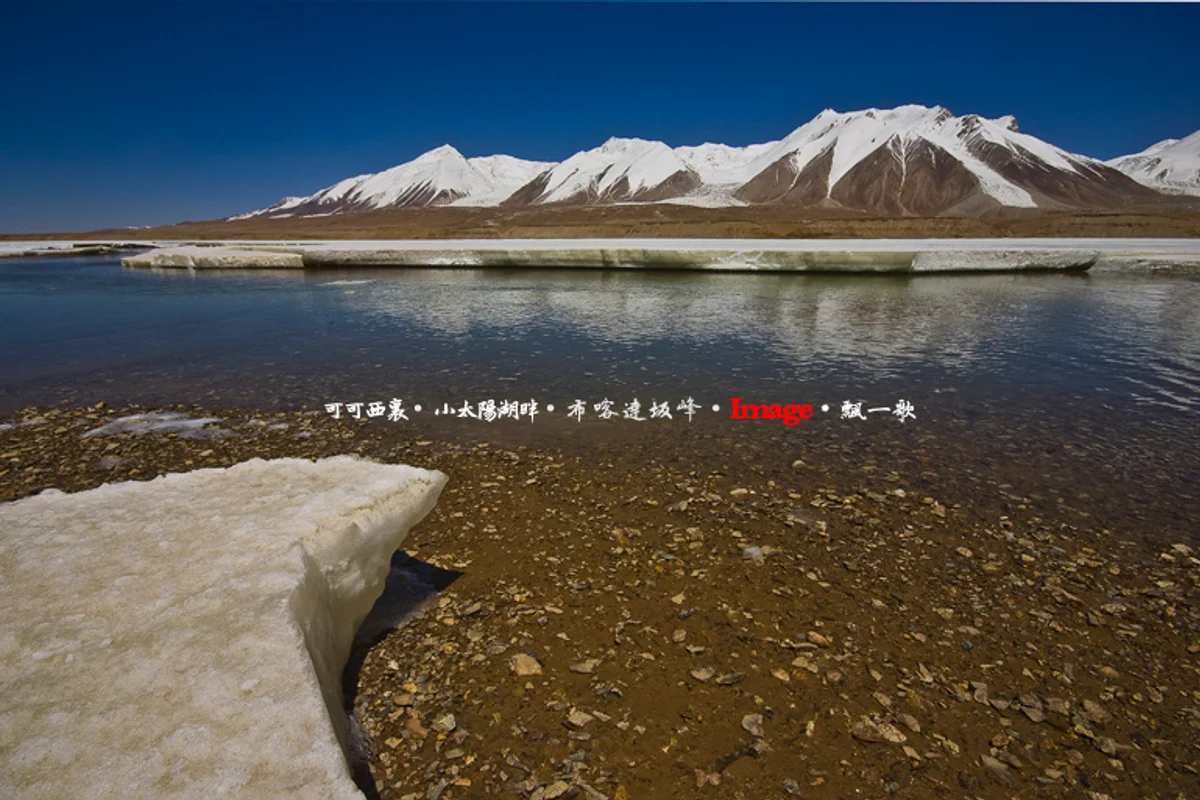
Bukadaban Feng
Bukadaban Feng (6,860m), also known as Syn Qing Feng, is the ultra-prominent highest peak of Qinghai Province in the Kunlun Mountains. It was first climbed on May 18, 1992 by Takashi Masuda and Akira Hayashimoto via the West Ridge.
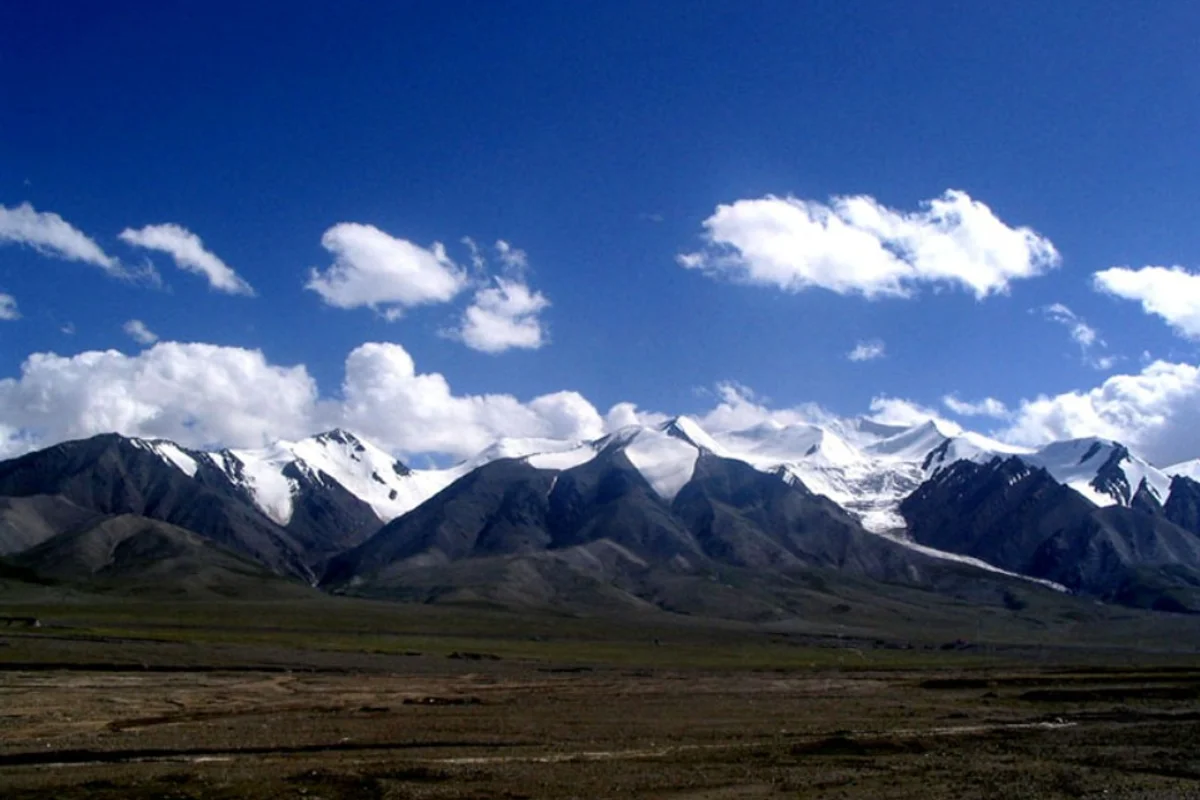
Arkatag Peak
Arkatag Peak is a majestic 6,000-meter peak rising to 6680 meters in the Kunlun Mountains (Xinjiang / Qinghai, China). Documented in international mountaineering archives following its historic first ascent in 1995 by Chinese team (China), the peak presents technical ridgelines and high-altitude alpine terrain.
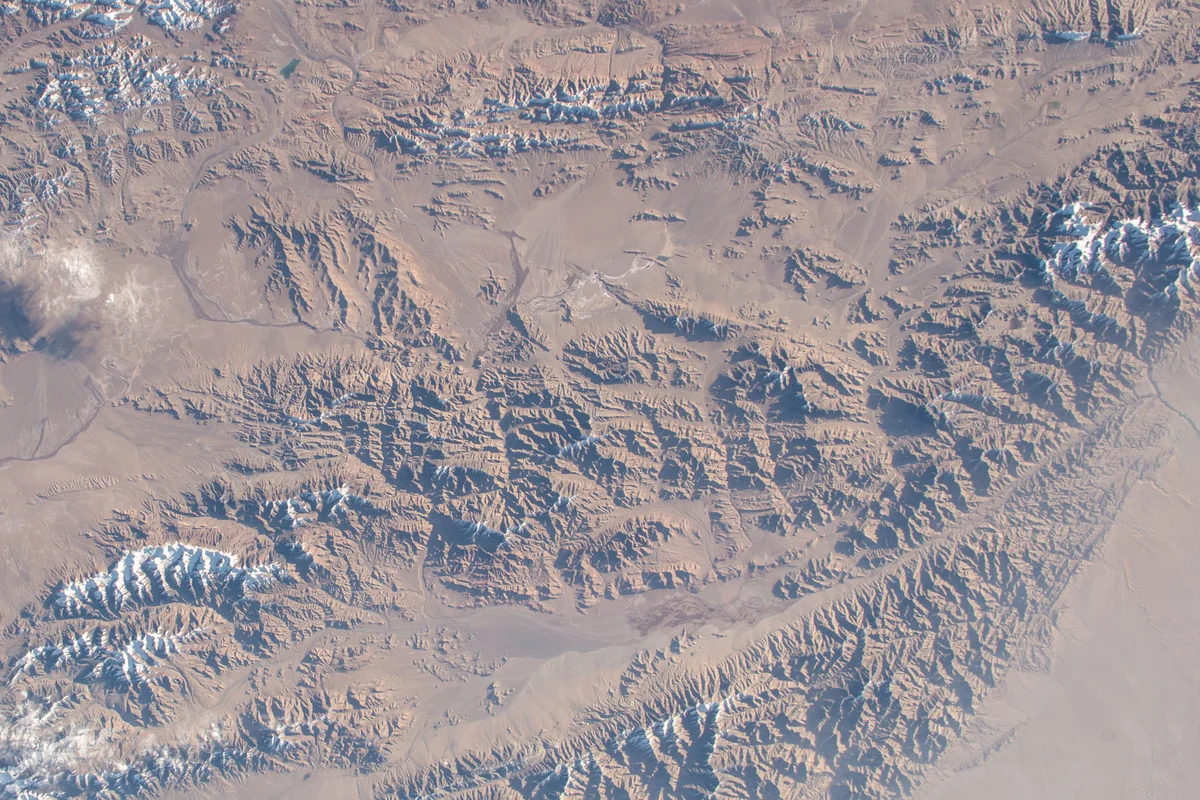
Muztagh Feng (Kunlun)
Muztagh Feng (Kunlun) is a majestic 6,000-meter peak rising to 6638 meters in the Kunlun Mountains (Xinjiang, China). Documented in international mountaineering archives following its historic first ascent in 1998 by Chinese-Japanese team (China / Japan), the peak presents technical ridgelines and high-altitude alpine terrain.
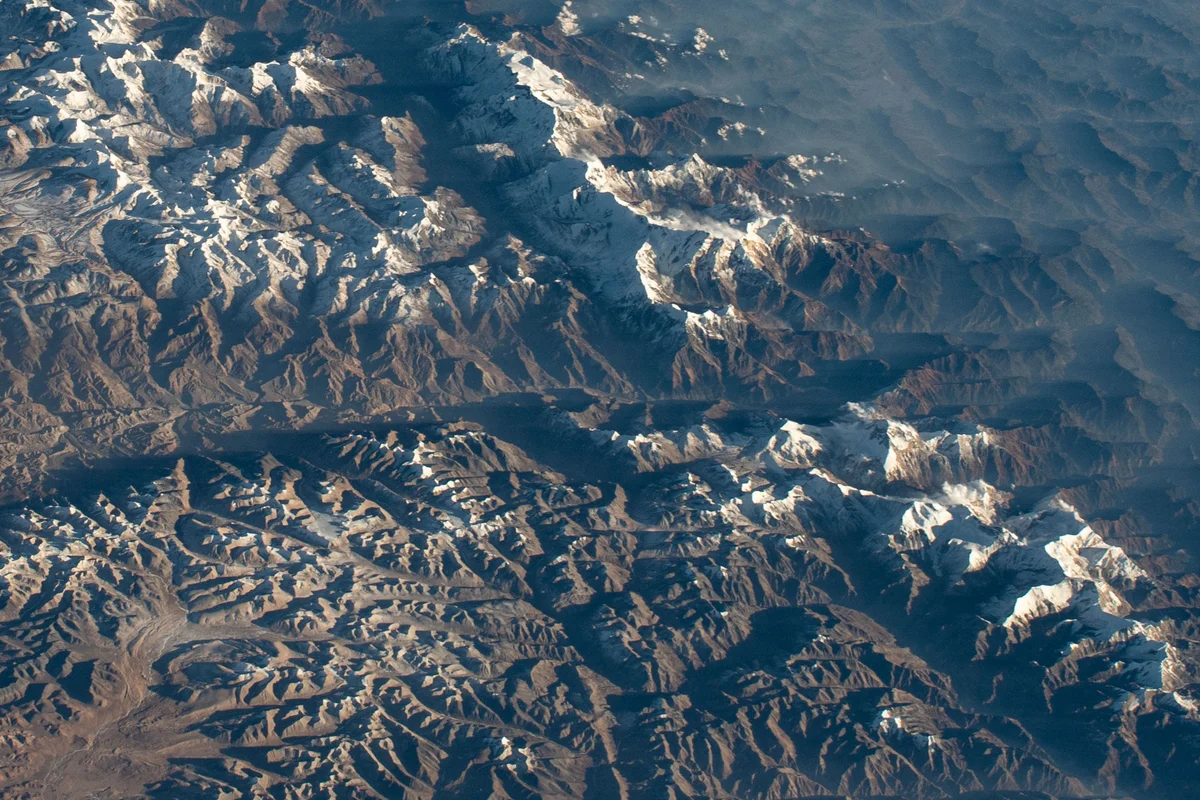
Buka Daban East
Buka Daban East is a majestic 6,000-meter peak rising to 6620 meters in the Kunlun Mountains (Qinghai / Xinjiang, China). Documented in international mountaineering archives following its historic first ascent in 1992 by Japanese team (Japan), the peak presents technical ridgelines and high-altitude alpine terrain.
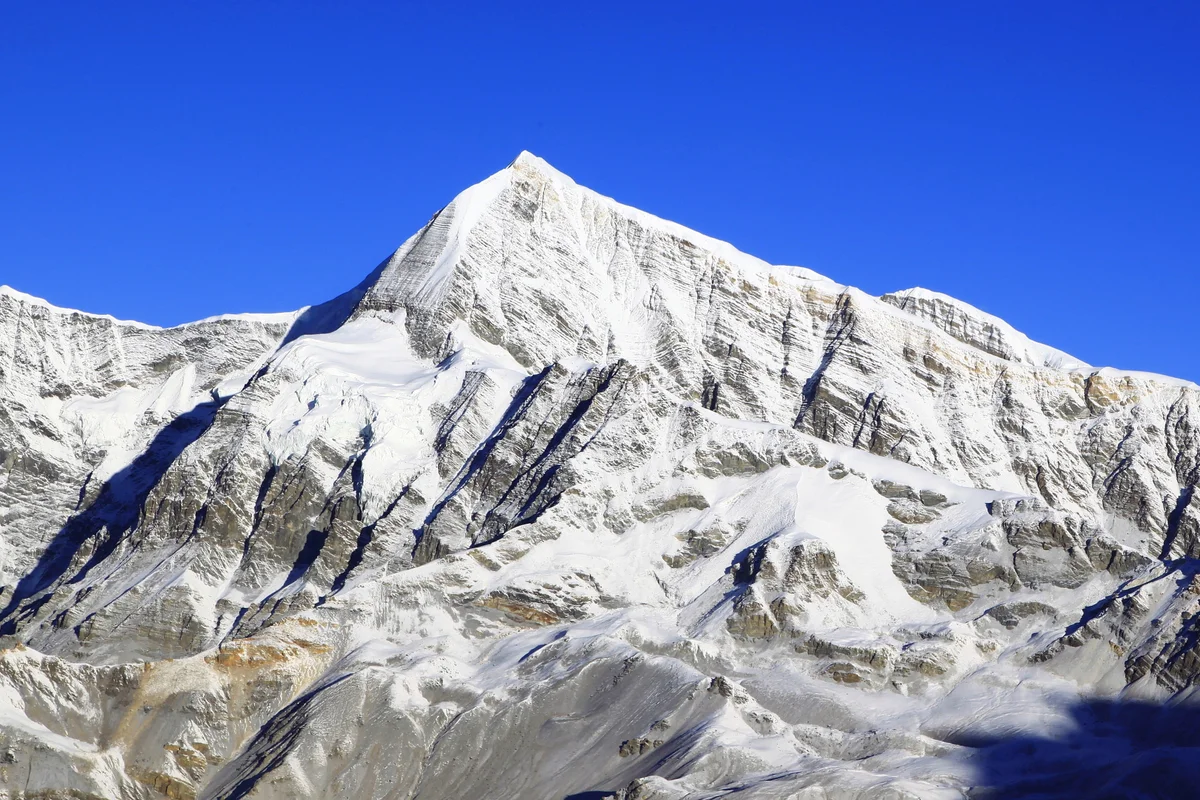
Geladandong East
Geladandong East is a majestic 6,000-meter peak rising to 6540 meters in the Tanggula Mountains (Qinghai, China). Documented in international mountaineering archives following its historic first ascent in 1985 by Japanese-Chinese team (Japan / China), the peak presents technical ridgelines and high-altitude alpine terrain.
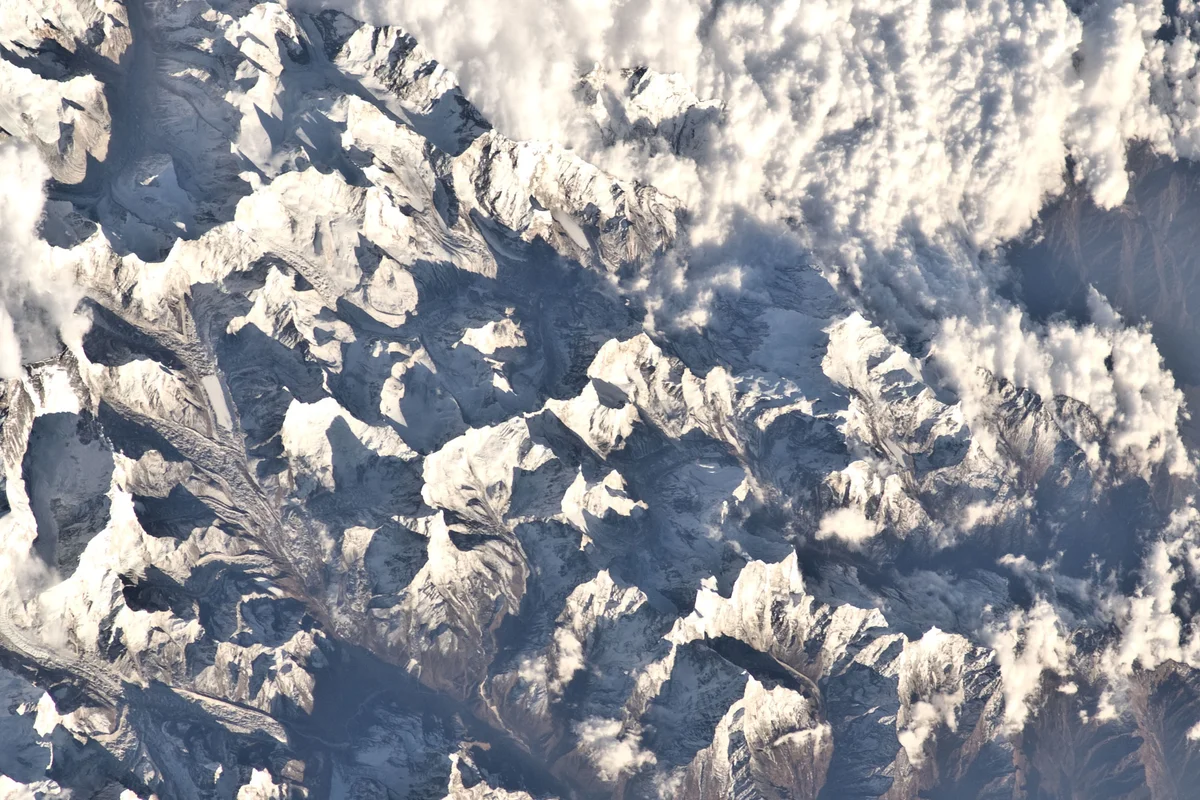
Tanggula II
Tanggula II is a majestic 6,000-meter peak rising to 6510 meters in the Tanggula Mountains (Tibet / Qinghai, China). Documented in international mountaineering archives following its historic first ascent in 1993 by Chinese expedition (China), the peak presents technical ridgelines and high-altitude alpine terrain.
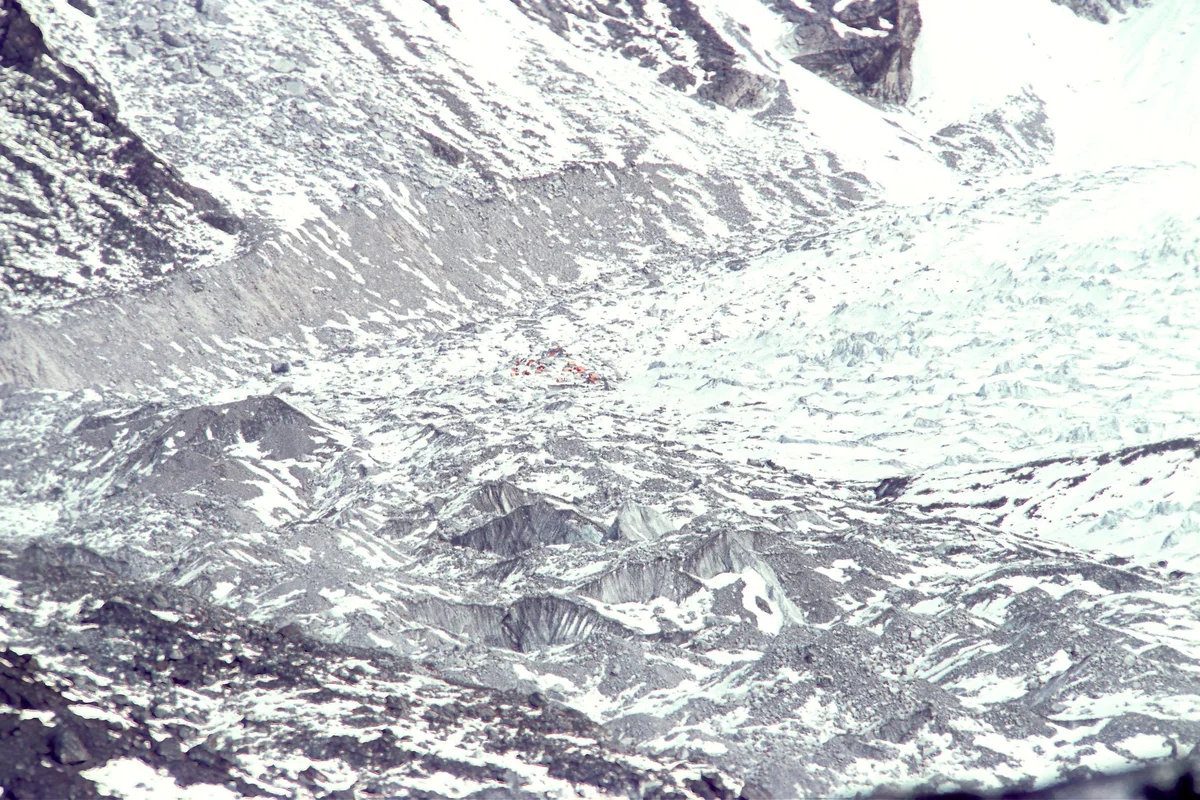
Geladandong South
Geladandong South is a majestic 6,000-meter peak rising to 6480 meters in the Tanggula Mountains (Qinghai, China). Documented in international mountaineering archives following its historic first ascent in 1985 by Japanese team (Japan), the peak presents technical ridgelines and high-altitude alpine terrain.

Tanggula III
Tanggula III is a majestic 6,000-meter peak rising to 6450 meters in the Tanggula Mountains (Tibet / Qinghai, China). Documented in international mountaineering archives following its historic first ascent in 1993 by Chinese team (China), the peak presents technical ridgelines and high-altitude alpine terrain.
Discover More Summits in Kunlun Mountains
Explore additional documented peaks, route cruxes, and expedition histories in the interactive Mountains Directory.
Documented Sources & Archival Citations
- Reference OverviewGeology and Tectonic Evolution of the Kunlun Fault and Orogen(Geological Society of America Bulletin)
Supporting claim: Tectonic history, geomorphology, and peak surveys of the Kunlun cordillera
Share Exploration
Global Mountain Intelligence
✓ Link copied to clipboard!