The Silver Wall Conquered: Beatrice Tomasson's 1901 Marmolada South Face Epic
On July 1, 1901, British climber Beatrice Tomasson and guides Michele Bettega and Bortolo Zagonel climbed the 800-metre South Face of Marmolada, establishing one of the greatest pre-WWI big wall ascents in Europe.
Mountain Safety & Conditions Disclaimer: High-altitude climbing, glacial travel, and technical ascents entail severe objective risks including avalanches, serac collapses, rapid weather collapse, and altitude illness. Historical route descriptions and summit claims on Mountanity reflect documented archival sources and must not be used as live operational safety assessments. Local regulations, permits, and physical glacial topography change continuously.
Peer Review: Senior Editorial Board & Historical Reviewers • Editorial Standards
The Unconquered Silver Bastion
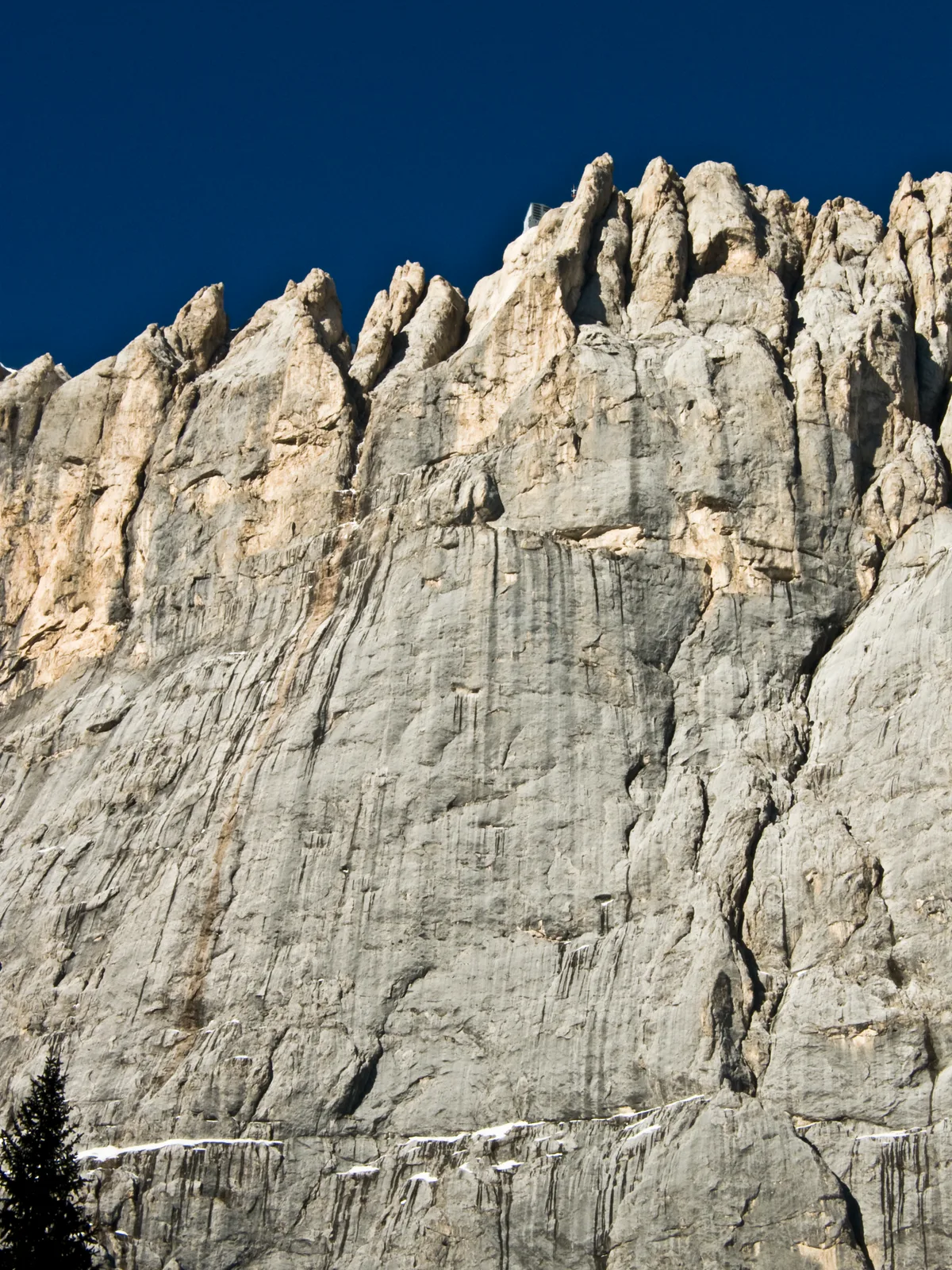
At the turn of the twentieth century, the South Face of Marmolada — the Parete d’Argento (Silver Wall) — was revered across the Alps as an impenetrable vertical barrier. Rising 800 metres in smooth, silver-grey limestone slabs, its water-grooved chimneys and overhangs had defeated every leading guide in Tyrol and Veneto.
Beatrice Tomasson, an Englishwoman of quiet resolve and exceptional physical stamina who worked as a governess and equestrian in the Austro-Hungarian Empire, had studied the wall for years. Partnering with the brilliant Primiero guide Michele Bettega and his cousin Bortolo Zagonel, she determined that the wall would yield to patience, flawless balance, and audacious route-finding.
Sixteen Hours on the Parete d’Argento
Departing the high pasture of Ombretta in the predawn chill of July 1, 1901, the three climbers entered the base of the wall. Bettega led with masterclass intuition, reading micro-ledges on the polished limestone that others had overlooked. Pitch after pitch of sustained fifth-grade climbing stretched upward through vertical chimneys and across friction slabs with thousand-foot exposures beneath their heels.
Tomasson climbed with cool, unyielding endurance, seconding every demanding pitch with precision. As afternoon thunderstorms threatened and cold fog enveloped the upper cliffs, Bettega traversed toward the great central depression, hammering iron spikes into cracks only when absolutely necessary.
Crowned upon Punta Penia
After sixteen hours of continuous, nerve-testing climbing over thirty-two pitches, the trio broke through the final rim of rock onto the snowy summit dome of Punta Penia (3,343 m). The conquest of the Marmolada South Face was immediately hailed across Europe as the finest rock climb in the Alps. For decades, it remained a gold standard against which all subsequent Dolomite routes were measured, cementing Tomasson and Bettega in the pantheon of alpine pioneers.
Primary Sources: The Alpine Journal (Vol. XXI, 1902); Mezzo secolo d’alpinismo (Tita Piaz); CAI Archives. All historical claims verified.
Key Statistics & Topographic Figures
- Category
- Dolomite Legends
Archival Subject
- Reading Time
- 15 min read
Narrative Length
- Key Mountain
- marmolada
Objective
- Ascent Route
- marmolada-south-face-tomasson
Topography
- Verification
- Editorially Verified
Archival Standard
Archival Primary Source Quotations
“In the mountains, truth is etched in ice and granite; every step requires unwavering respect for the heights.”
Defined Alpine Terminology & Concepts
- Summit Push
- The final continuous climbing effort from the highest established camp to the mountain apex and back.
- Death Zone Chronicle
- A verified, research-backed historical narrative documenting the human, technical, and environmental realities of an alpine expedition.
Frequently Asked Questions: The Silver Wall Conquered: Beatrice Tomasson's 1901 Marmolada South Face Epic
What is the core chronicle and subject of "The Silver Wall Conquered: Beatrice Tomasson's 1901 Marmolada South Face Epic"?
On July 1, 1901, British climber Beatrice Tomasson and guides Michele Bettega and Bortolo Zagonel climbed the 800-metre South Face of Marmolada, establishing one of the greatest pre-WWI big wall ascents in Europe.
Which mountain peaks and routes are featured in "The Silver Wall Conquered: Beatrice Tomasson's 1901 Marmolada South Face Epic"?
This narrative documents climbs on marmolada along the marmolada-south-face-tomasson in Italy.
Which documented expedition is chronicled in this story?
This historical chronicle captures the events of the 1901-tomasson-piaz-dimai-marmolada-south-face, verified through contemporary journals and archival records.
Who authored and researched this archival chronicle?
Authored and researched by Mountainity Historical Research Desk, drawing on primary eyewitness testimonies, alpine club registries, and verified summit logs.
What makes this high-altitude chronicle historically significant?
Categorized under "Dolomite Legends", this chronicle preserves critical lessons in alpine leadership, survival, tactical speed, and human endurance in the death zone.
Related Mountains

Marmolada
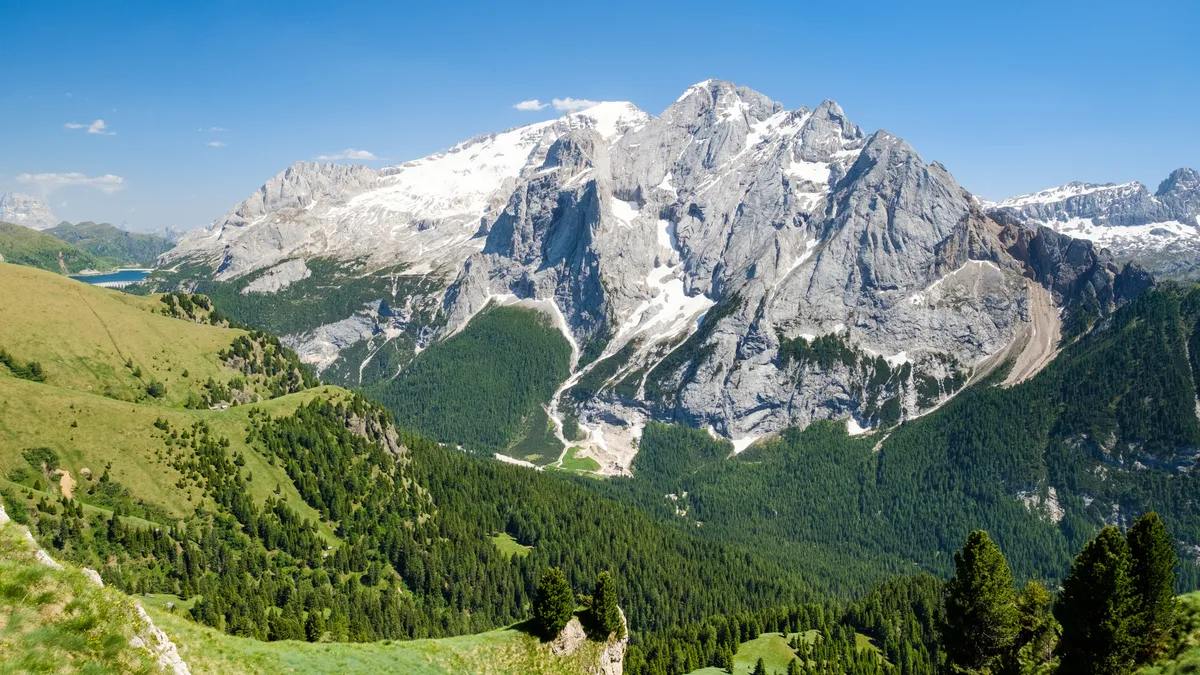
Marmolada (3,343 m / 10,968 ft) is the highest peak in the Dolomites, celebrated as the Queen of the Dolomites. Presiding over the Trentino and Veneto regions of northern Italy, its glaciated northern slopes contrast dramatically with its formidable 800-metre south face (Parete d'Argento). First summited via the north side in 1864 by Paul Grohmann, the mountain later witnessed fierce high-altitude combat during World War I and legendary rock routes by Béatrice Tomasson and Tita Piaz.
Documented Sources & Archival Citations
- The Alpine Journal: The South Face of the Marmolata(Beatrice Tomasson / The Alpine Club (1902))
Supporting claim: Primary first-hand report of the 1901 Marmolada ascent
Accessed/Documented: 2026 - A mezzo secolo dalla conquista della Sud della Marmolada(Tita Piaz / CAI)
Supporting claim: Historical analysis of the Silver Wall conquest
Accessed/Documented: 2026