The Birth of the Layback: Hans Dülfer's 1912 Cima Ovest North Face
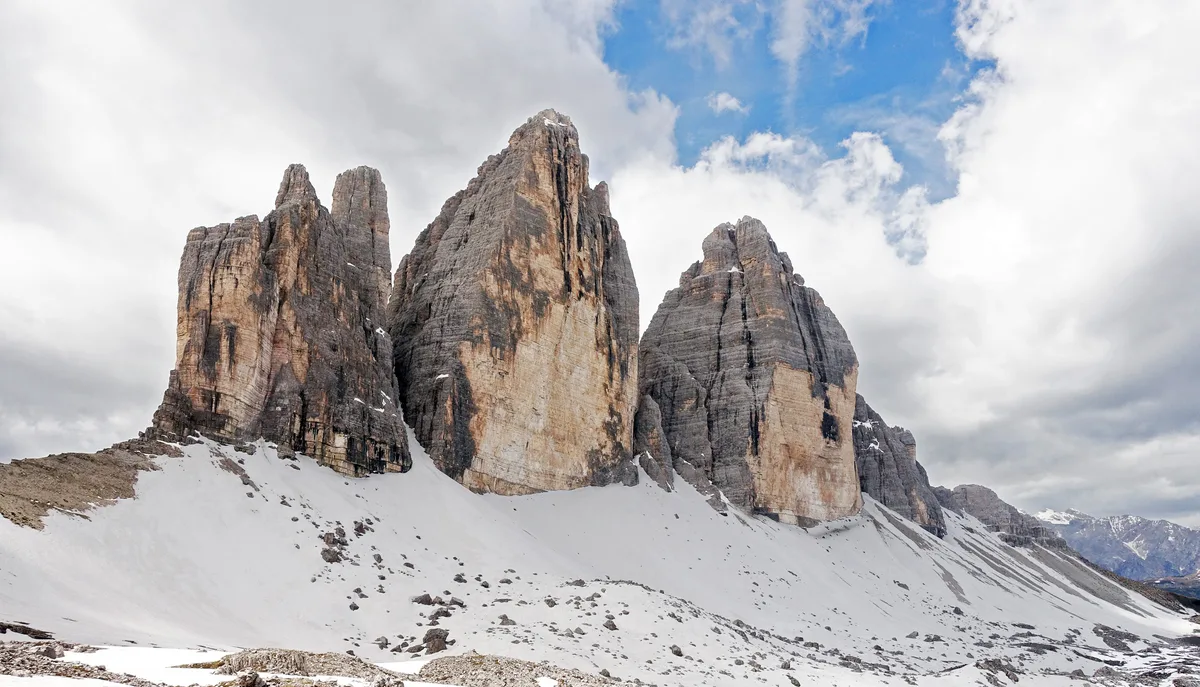
On July 29, 1912, German master technician Hans Dülfer and Walter von Bernuth conquered the 500-metre North Face of Cima Ovest di Lavaredo, pioneering the layback and extreme friction techniques on sheer limestone.
Mountain Safety & Conditions Disclaimer: High-altitude climbing, glacial travel, and technical ascents entail severe objective risks including avalanches, serac collapses, rapid weather collapse, and altitude illness. Historical route descriptions and summit claims on Mountanity reflect documented archival sources and must not be used as live operational safety assessments. Local regulations, permits, and physical glacial topography change continuously.
Peer Review: Senior Editorial Board & Historical Reviewers • Editorial Standards
The Analytical Genius
Before the First World War, the Austrian and Bavarian climbing scene was ignited by a quiet, twenty-year-old medical student from Munich named Hans Dülfer. An accomplished classical pianist gifted with phenomenal physical dexterity and an analytical mind, Dülfer approached vertical limestone not as a confrontation with terror, but as a problem of applied physics and balance.
Frustrated by the inability of climbers to retreat safely from vertical cliffs, Dülfer had already invented the Dülfersitz — wrapping a rope across his thigh and shoulder to control descent friction without mechanical gear. Turning his attention to the Sexten Dolomites, he set his sights on the imposing 500-metre vertical North Face of the Cima Ovest di Lavaredo (2,973 m).
Dancing on Friction Edges
On July 29, 1912, Dülfer and his Bavarian partner Walter von Bernuth walked to the base of the towering wall. The face offered few classic chimneys; instead, it rose in steep vertical flakes and smooth, water-worn slabs. Dülfer stepped onto the rock and unveiled the technique that would permanently bear his name: the layback (Piazgang). Gripping the side of a vertical crack with both hands while driving the soles of his boots against the blank opposing wall in counter-pressure, he moved upward with fluid, rhythmic grace.
Pitch by pitch, Dülfer unraveled the puzzle of the North Face, surmounting bulging overhangs on finger-holds that seemed impossible to his contemporaries. By late afternoon, the pair reached the summit plateau of Cima Ovest, having established what was widely celebrated as the most difficult technical rock climb accomplished in the Alps before the outbreak of the Great War.
Tragically, Dülfer would be killed in combat in France in 1915 at age twenty-three. Yet his layback technique and body rappel remain foundational skills taught to every climber to this day.
Primary Sources: Mitteilungen des DuÖAV (1912); Hans Dülfer: Bergsteiger-Biografie (Fritz Schmitt); DAV Archives. All archival records verified.
Key Statistics & Topographic Figures
- Category
- Dolomite Legends
Archival Subject
- Reading Time
- 15 min read
Narrative Length
- Key Mountain
- tre-cime-di-lavaredo
Objective
- Ascent Route
- the ascent route
Topography
- Verification
- Editorially Verified
Archival Standard
Archival Primary Source Quotations
“In the mountains, truth is etched in ice and granite; every step requires unwavering respect for the heights.”
Defined Alpine Terminology & Concepts
- Summit Push
- The final continuous climbing effort from the highest established camp to the mountain apex and back.
- Death Zone Chronicle
- A verified, research-backed historical narrative documenting the human, technical, and environmental realities of an alpine expedition.
Frequently Asked Questions: The Birth of the Layback: Hans Dülfer's 1912 Cima Ovest North Face
What is the core chronicle and subject of "The Birth of the Layback: Hans Dülfer's 1912 Cima Ovest North Face"?
On July 29, 1912, German master technician Hans Dülfer and Walter von Bernuth conquered the 500-metre North Face of Cima Ovest di Lavaredo, pioneering the layback and extreme friction techniques on sheer limestone.
Which mountain peaks and routes are featured in "The Birth of the Layback: Hans Dülfer's 1912 Cima Ovest North Face"?
This narrative documents climbs on tre-cime-di-lavaredo along the the ascent route in Italy.
Which documented expedition is chronicled in this story?
This historical chronicle captures the events of the 1912-dulfer-cima-ovest-tre-cime-north-face, verified through contemporary journals and archival records.
Who authored and researched this archival chronicle?
Authored and researched by Mountainity Historical Research Desk, drawing on primary eyewitness testimonies, alpine club registries, and verified summit logs.
What makes this high-altitude chronicle historically significant?
Categorized under "Dolomite Legends", this chronicle preserves critical lessons in alpine leadership, survival, tactical speed, and human endurance in the death zone.
Related Mountains

Tre Cime di Lavaredo
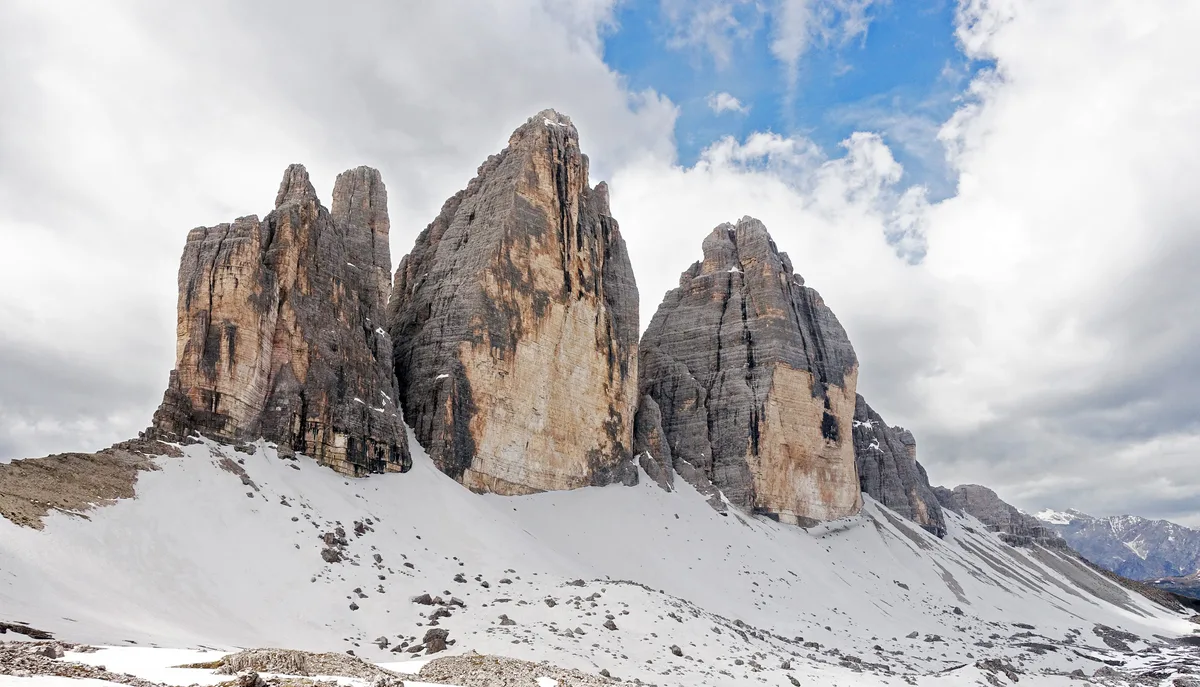
Tre Cime di Lavaredo (2,999 m / 9,839 ft) stands as the world-renowned emblem of the Dolomites in northeastern Italy. Rising in three isolated monoliths composed of Hauptdolomit limestone — Cima Piccola, Cima Grande, and Cima Ovest — the towers became the historic crucible of modern sixth-grade rock climbing. The 550-metre sheer northern face of Cima Grande was first conquered in 1933 by Emilio Comici with Angelo and Giuseppe Dimai.
Documented Sources & Archival Citations
- Mitteilungen des DuÖAV (1912)(Hans Dülfer / DuÖAV, Munich)
Supporting claim: Primary first-hand report of the 1912 Cima Ovest North Face ascent
Accessed/Documented: 2026 - Hans Dülfer: Bergsteiger-Biografie(Fritz Schmitt / Bergverlag Rother)
Supporting claim: Biographical chronicle of Dülfer's technique and climbing achievements
Accessed/Documented: 2026