The King of Cortina: Angelo Dibona's 1913 Soreiller Granite Masterpiece
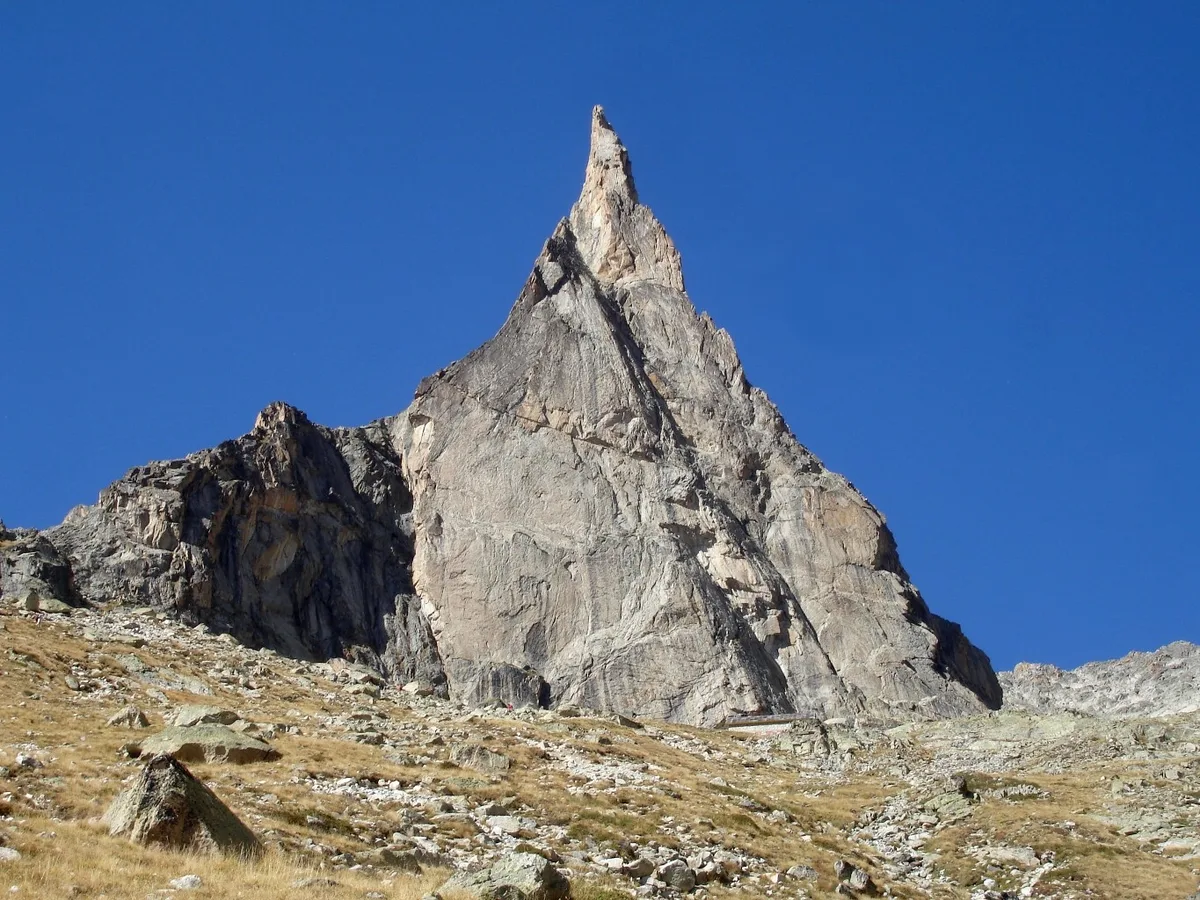
On June 27, 1913, Cortina guide Angelo Dibona conquered the needle-sharp granite monolith of Pain de Sucre in the French Alps, a spire so beautiful the French nation renamed it Aiguille Dibona in his honor.
Mountain Safety & Conditions Disclaimer: High-altitude climbing, glacial travel, and technical ascents entail severe objective risks including avalanches, serac collapses, rapid weather collapse, and altitude illness. Historical route descriptions and summit claims on Mountanity reflect documented archival sources and must not be used as live operational safety assessments. Local regulations, permits, and physical glacial topography change continuously.
Peer Review: Senior Editorial Board & Historical Reviewers • Editorial Standards
The Needle of Soreiller
In the early summer of 1913, thirty-four-year-old Cortina d’Ampezzo mountain guide Angelo Dibona crossed the border from the Austro-Hungarian Dolomites into the rugged Dauphiné Alps of southeastern France. Accompanying his longtime British clients Guido and Max Mayer and fellow guide Angelo Dimai, Dibona had built a reputation as the finest rock guide of his era, famed for stepping onto blank, vertical walls with tranquil serenity.
Towering above the desolate granite basin of the Soreiller rose an extraordinary rock monument: the Pain de Sucre (Sugar Loaf). Rising like a needle of pale granite into the sky, its sheer vertical slabs and razor-sharp arêtes had turned back local Chamonix and Dauphiné guides who insisted the spire could only be climbed using iron scaling ladders. Dibona took one look at the soaring obelisk and declared that clean boots and balance were all that was required.
Ballet on Granite Crystals
Roping up on the morning of June 27, 1913, Dibona led his companions onto the steep North Ridge. Where others saw a blank, holdless precipice, Dibona’s experienced eyes found tiny feldspar crystals and subtle ripples in the granite. Moving with extraordinary poise, placing few pitons and protecting his party through natural rope-threads and rock horns, he unraveled the technical crux with effortless grace.
By early afternoon, Angelo Dibona and the Mayer brothers stood crowded together on the tiny summit boulder of the Pain de Sucre (3,130 m), an aerie so small that only two climbers could stand upright simultaneously. Stunned by the pure elegance of the Italian guide’s achievement, the French Alpine Club performed an act of supreme admiration: they officially stripped the mountain of its old name and rechristened it the Aiguille Dibona. It stands to this day as an eternal monument to the King of Cortina Guides.
Primary Sources: Angelo Dibona: Alpinista e guida emerita (Italo Zandonella Callegher); The Alpine Journal (Vol. XXVIII, 1914); CAF Historical Archives. All historical records verified.
Key Statistics & Topographic Figures
- Category
- Dolomite Legends
Archival Subject
- Reading Time
- 15 min read
Narrative Length
- Key Mountain
- tre-cime-di-lavaredo
Objective
- Ascent Route
- the ascent route
Topography
- Verification
- Editorially Verified
Archival Standard
Archival Primary Source Quotations
“In the mountains, truth is etched in ice and granite; every step requires unwavering respect for the heights.”
Defined Alpine Terminology & Concepts
- Summit Push
- The final continuous climbing effort from the highest established camp to the mountain apex and back.
- Death Zone Chronicle
- A verified, research-backed historical narrative documenting the human, technical, and environmental realities of an alpine expedition.
Frequently Asked Questions: The King of Cortina: Angelo Dibona's 1913 Soreiller Granite Masterpiece
What is the core chronicle and subject of "The King of Cortina: Angelo Dibona's 1913 Soreiller Granite Masterpiece"?
On June 27, 1913, Cortina guide Angelo Dibona conquered the needle-sharp granite monolith of Pain de Sucre in the French Alps, a spire so beautiful the French nation renamed it Aiguille Dibona in his honor.
Which mountain peaks and routes are featured in "The King of Cortina: Angelo Dibona's 1913 Soreiller Granite Masterpiece"?
This narrative documents climbs on tre-cime-di-lavaredo along the the ascent route in Italy.
Which documented expedition is chronicled in this story?
This historical chronicle captures the events of the 1913-dibona-aiguille-dibona-first-ascent, verified through contemporary journals and archival records.
Who authored and researched this archival chronicle?
Authored and researched by Mountainity Historical Research Desk, drawing on primary eyewitness testimonies, alpine club registries, and verified summit logs.
What makes this high-altitude chronicle historically significant?
Categorized under "Dolomite Legends", this chronicle preserves critical lessons in alpine leadership, survival, tactical speed, and human endurance in the death zone.
Related Mountains

Tre Cime di Lavaredo
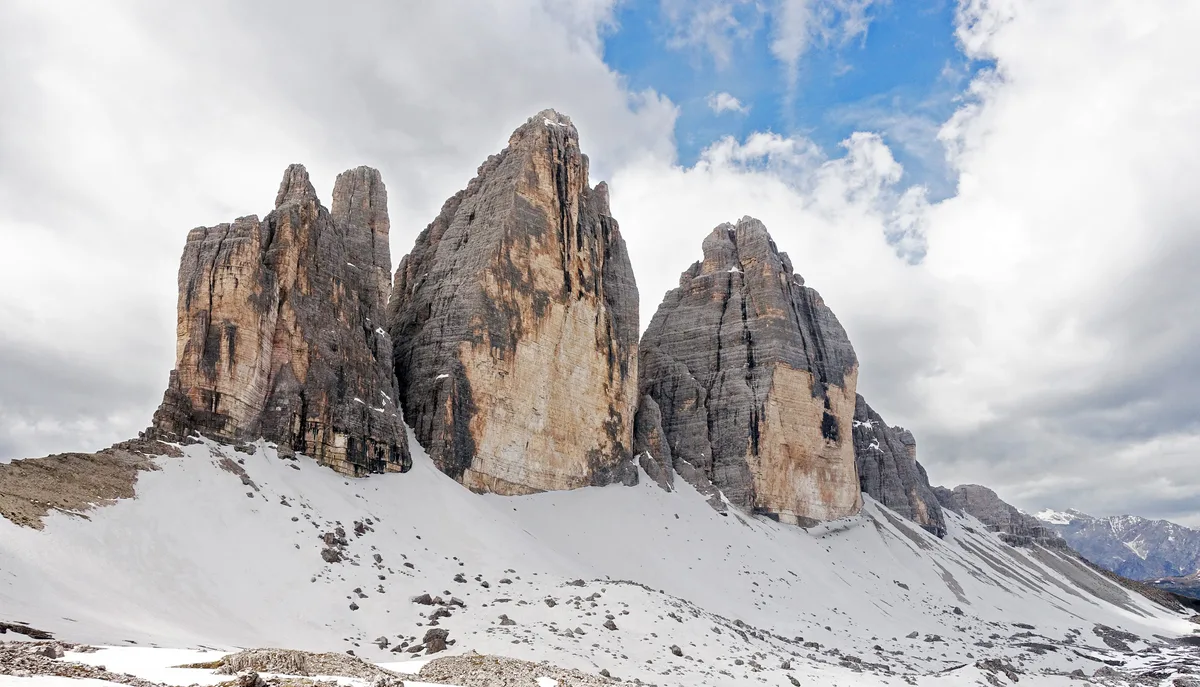
Tre Cime di Lavaredo (2,999 m / 9,839 ft) stands as the world-renowned emblem of the Dolomites in northeastern Italy. Rising in three isolated monoliths composed of Hauptdolomit limestone — Cima Piccola, Cima Grande, and Cima Ovest — the towers became the historic crucible of modern sixth-grade rock climbing. The 550-metre sheer northern face of Cima Grande was first conquered in 1933 by Emilio Comici with Angelo and Giuseppe Dimai.
Documented Sources & Archival Citations
- Angelo Dibona: Alpinista e guida emerita(Italo Zandonella Callegher / CAI Cortina)
Supporting claim: Primary biography of Angelo Dibona and the 1913 Soreiller ascent
Accessed/Documented: 2026 - The Alpine Journal (1914)(The Alpine Club, London)
Supporting claim: Official Alpine Club report on the first ascent of Pain de Sucre du Soreiller
Accessed/Documented: 2026