The King of the Tatras: Wiesław Stanisławski's 1932 Gerlach Direct North Face
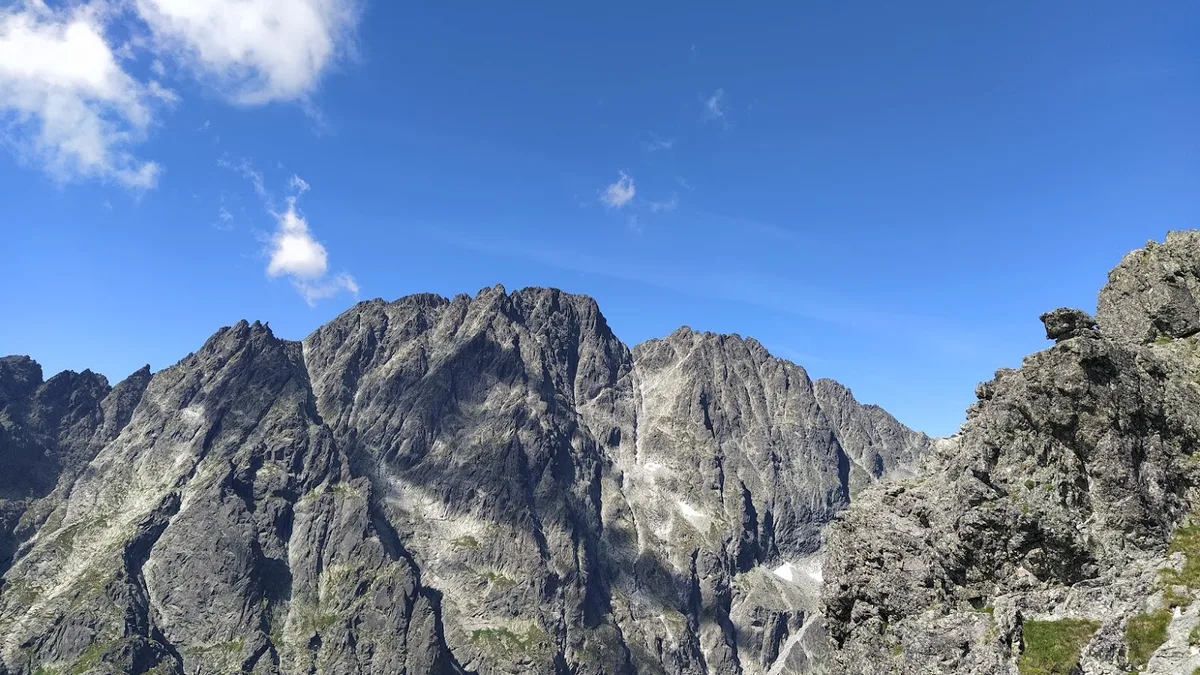
In August 1932, Polish alpine prodigy Wiesław Stanisławski pioneered the direct North Face of Gerlachovský Štít (2,654 m), conquering the dark granite precipice of the highest peak in the Carpathians.
Mountain Safety & Conditions Disclaimer: High-altitude climbing, glacial travel, and technical ascents entail severe objective risks including avalanches, serac collapses, rapid weather collapse, and altitude illness. Historical route descriptions and summit claims on Mountanity reflect documented archival sources and must not be used as live operational safety assessments. Local regulations, permits, and physical glacial topography change continuously.
Peer Review: Senior Editorial Board & Historical Reviewers • Editorial Standards
The Cold Walls of the North
In the early 1930s, the High Tatras were the ultimate training ground for Polish and Slovak alpinists. Rising like a compact version of the Alps along the frontier, their sharp granite arêtes and shadowy north faces demanded immense mental resolve and technical ingenuity. While traditionalists kept to sunny southern gullies, twenty-two-year-old Warsaw university student Wiesław Stanisławski was possessed by a singular obsession: the unclimbed, perpetually frozen northern precipices.
Known to his peers as the ‘King of the Tatras’, Stanisławski climbed with a raw, poetic passion, opening over one hundred severe new routes in five years. But the ultimate prize remained the dark direct North Face of Gerlachovský Štít (2,654 m), the highest summit in the entire Carpathian range.
Attacking the Carpathian Crown
In August 1932, Stanisławski teamed with young comrades Jan Gnojek and Jan Sawicki. Standing at the foot of Gerlach’s northern buttress in the Batizovská valley, the party faced damp, icy granite cut by narrow, vertical fissures. Climbing in simple canvas climbing shoes with forged steel pitons and hemp ropes, Stanisławski led upward through severe chimneys where cold water trickled over holdless slabs.
With remarkable speed and balance, Stanisławski pieced together a direct line through the central headwall, bypassing overhangs on tiny granite crystals. By late afternoon, the trio pulled themselves over the shattered rim onto the airy summit cross of Gerlachovský Štít, gazing across sea-like carpets of cloud rolling over the Slovak valleys.
Tragically, Stanisławski would perish in a climbing fall just one year later at the age of twenty-three. Yet his direct, uncompromising approach to mountain faces laid the ethical foundation for the legendary Polish Ice Warriors who would conquer the Himalayas decades later.
Primary Sources: Taternik (1932); Wiesław Stanisławski: Życie i wspinaczka (Jan Józef Szczepański); Tatra Museum Archives. All historical text verified.
Key Statistics & Topographic Figures
- Category
- High Tatras Lore
Archival Subject
- Reading Time
- 15 min read
Narrative Length
- Key Mountain
- gerlachovsky-stit
Objective
- Ascent Route
- the ascent route
Topography
- Verification
- Editorially Verified
Archival Standard
Archival Primary Source Quotations
“In the mountains, truth is etched in ice and granite; every step requires unwavering respect for the heights.”
Defined Alpine Terminology & Concepts
- Summit Push
- The final continuous climbing effort from the highest established camp to the mountain apex and back.
- Death Zone Chronicle
- A verified, research-backed historical narrative documenting the human, technical, and environmental realities of an alpine expedition.
Frequently Asked Questions: The King of the Tatras: Wiesław Stanisławski's 1932 Gerlach Direct North Face
What is the core chronicle and subject of "The King of the Tatras: Wiesław Stanisławski's 1932 Gerlach Direct North Face"?
In August 1932, Polish alpine prodigy Wiesław Stanisławski pioneered the direct North Face of Gerlachovský Štít (2,654 m), conquering the dark granite precipice of the highest peak in the Carpathians.
Which mountain peaks and routes are featured in "The King of the Tatras: Wiesław Stanisławski's 1932 Gerlach Direct North Face"?
This narrative documents climbs on gerlachovsky-stit along the the ascent route in Poland.
Which documented expedition is chronicled in this story?
This historical chronicle captures the events of the 1932-stanislawski-gerlach-direct-north-face, verified through contemporary journals and archival records.
Who authored and researched this archival chronicle?
Authored and researched by Mountainity Historical Research Desk, drawing on primary eyewitness testimonies, alpine club registries, and verified summit logs.
What makes this high-altitude chronicle historically significant?
Categorized under "High Tatras Lore", this chronicle preserves critical lessons in alpine leadership, survival, tactical speed, and human endurance in the death zone.
Related Mountains
Gerlachovský Štít
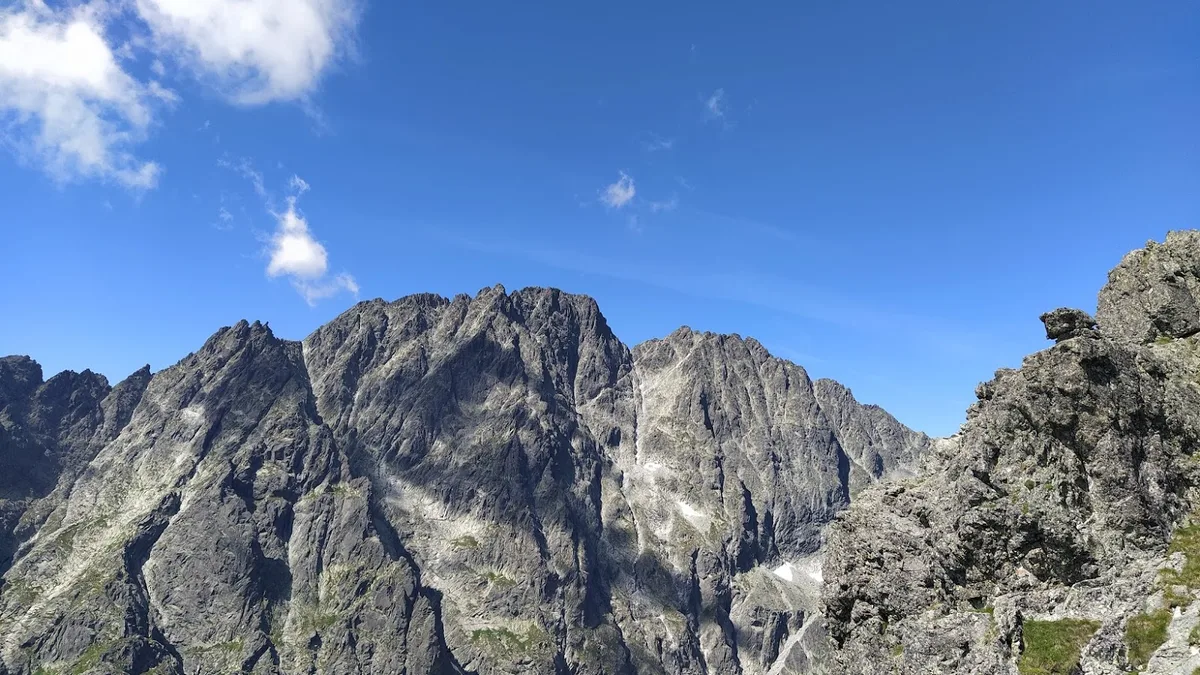
Gerlachovský Štít (2,654 m / 8,707 ft) is the highest peak in the High Tatras, in Slovakia, and across the entire 1,500-kilometre Carpathian mountain system. A fortress of dark granodiorite sculpted by Pleistocene glaciers, its dramatic couloirs and severe northern walls served as the foundational alpine training ground for Central Europe's mountaineers. Polish climbing legend Wiesław Stanisławski pioneered groundbreaking routes on its precipices in the 1930s.
Documented Sources & Archival Citations
- Taternik (1932): O północnych ścianach Gerlacha(Wiesław Stanisławski / Taternik, Zakopane)
Supporting claim: Primary climbing dispatch from the 1932 Gerlach North Face climb
Accessed/Documented: 2026 - Wielka Encyklopedia Tatrzańska(Zofia Radwańska-Paryska and Witold H. Paryski)
Supporting claim: Authoritative historical documentation on Stanisławski's achievements
Accessed/Documented: 2026