Camp VIII and The Belay: The 1953 American Expedition on K2
Trapped at 7,770 meters in a ten-day storm with a dying teammate, seven men on K2 survived through one extraordinary ice-axe belay in August 1953.
Mountain Safety & Conditions Disclaimer: High-altitude climbing, glacial travel, and technical ascents entail severe objective risks including avalanches, serac collapses, rapid weather collapse, and altitude illness. Historical route descriptions and summit claims on Mountainity reflect documented archival sources and must not be used as live operational safety assessments. Local regulations, permits, and physical glacial topography change continuously.
Peer Review: Senior Editorial Board & Historical Reviewers • Editorial Standards
Above the Black Pyramid
By late July 1953, eight climbers led by physician Charles Houston stood within striking distance of a first ascent of K2. All eight—Houston, Robert Bates, Pete Schoening, Art Gilkey, George Bell, Bob Craig, Dee Molenaar, and British liaison Tony Streather—had established Camp VIII on an exposed snow shoulder at roughly 7,770 meters above the Abruzzi Spur. No expedition on K2 had ever climbed higher in good order.
Then a violent monsoon-driven storm sealed them inside flapping nylon tents for ten consecutive days. At that altitude stoves guttered in low oxygen, canvas tore under gusts that shook the ridge, and cold soaked every sleeping bag.
Thrombophlebitis at 7,770 Meters
On August 7, geologist Art Gilkey collapsed outside his tent. Houston diagnosed deep-vein thrombophlebitis in his calf, followed within hours by pulmonary embolisms—blood clots migrating into the lungs. Only immediate descent could save Gilkey’s life.
Moving a stricken 85-kilogram man wrapped in a torn tent and sleeping bag down forty-five-degree blue ice below Camp VIII demanded extraordinary coordination. While Schoening held the top rope anchored behind a frozen boulder, the remaining six men lowered the makeshift sledge across wind-slabbed flutes toward the top of House’s Chimney.
One Axe Behind a Boulder
On August 10, while swinging Gilkey horizontally across an icy slope, George Bell slipped. His falling rope plucked Streather off his steps; within seconds five climbers were sliding down toward the Godwin-Austen Glacier 3,000 meters below.
Higher on the slope, twenty-six-year-old Pete Schoening saw the slack snapping tight. Wrapping the nylon rope around his hips and bracing his wooden-shafted ice axe behind a rock embedded in frozen snow, he leaned backward into the shock. All six teammates came to an abrupt, groaning halt in mid-air above the void. The ash shaft bent until it groaned, holding the combined weight of six falling climbers and a stretcher.
Even today, the spot on the Abruzzi Spur commemorates that moment—known in mountaineering lore simply as The Belay. Shortly after the climbers set anchors to bivouac, Gilkey was swept away by a sudden avalanche while tethered beside the ice ledge, sparing the exhausted survivors the impossible task of carrying him down the vertical rock of House’s Chimney. Frostbitten and concussed (Houston himself had suffered a concussion in the fall), all seven remaining men reached Base Camp without summiting, leaving behind the stone Gilkey Memorial above Concordia.
Key Statistics & Topographic Figures
- Category
- Historic Expeditions
Archival Subject
- Reading Time
- 9 min read
Narrative Length
- Key Mountain
- k2
Objective
- Ascent Route
- abruzzi-spur
Topography
- Verification
- Editorially Verified
Archival Standard
Defined Alpine Terminology & Concepts
- Summit Push
- The final continuous climbing effort from the highest established camp to the mountain apex and back.
- Death Zone Chronicle
- A verified, research-backed historical narrative documenting the human, technical, and environmental realities of an alpine expedition.
Frequently Asked Questions: Camp VIII and The Belay: The 1953 American Expedition on K2
What is the core chronicle and subject of "Camp VIII and The Belay: The 1953 American Expedition on K2"?
Trapped at 7,770 meters in a ten-day storm with a dying teammate, seven men on K2 survived through one extraordinary ice-axe belay in August 1953.
Which mountain peaks and routes are featured in "Camp VIII and The Belay: The 1953 American Expedition on K2"?
This narrative documents climbs on k2 along the abruzzi-spur in Pakistan.
Which documented expedition is chronicled in this story?
This historical chronicle captures the events of the 1953-american-k2-turnaround, verified through contemporary journals and archival records.
Who authored and researched this archival chronicle?
Authored and researched by Mountainity Historical Research Desk, drawing on primary eyewitness testimonies, alpine club registries, and verified summit logs.
What makes this high-altitude chronicle historically significant?
Categorized under "Historic Expeditions", this chronicle preserves critical lessons in alpine leadership, survival, tactical speed, and human endurance in the death zone.
Related Mountains


K2
K2, at 8,611 meters (28,251 ft), is the second-highest mountain on Earth and widely regarded as the most technically demanding and lethal 8,000-meter peak. Located in the heart of the Karakoram on the border between Pakistan and China, K2 is characterized by sheer relief, severe weather anomalies, and persistent objective hazards including the notorious Bottleneck couloir.
Ascent Route & Topography (1)
View All Routes →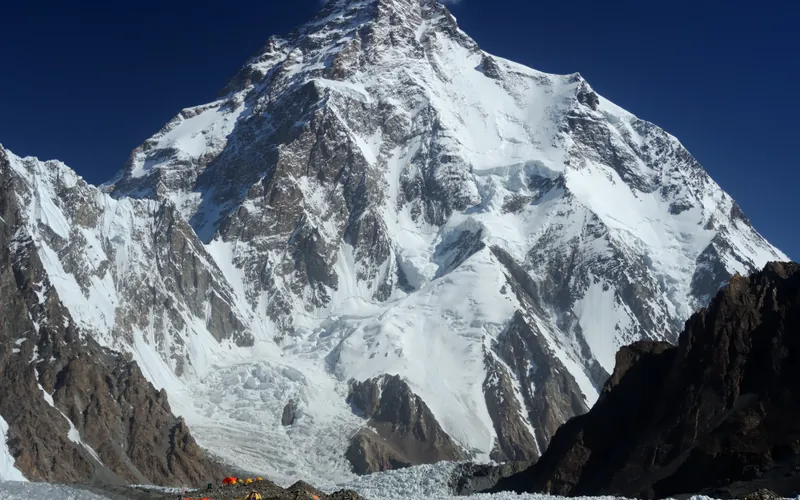
Abruzzi Spur (Southeast Ridge)
The Abruzzi Spur is the most famous and frequently climbed route on K2, tracing the mountain's steep southeast ridge from the Godwin-Austen Glacier to the summit. First explored in 1909 by Prince...
Featured Mountaineers & Pioneers (2)
Browse All Mountaineers →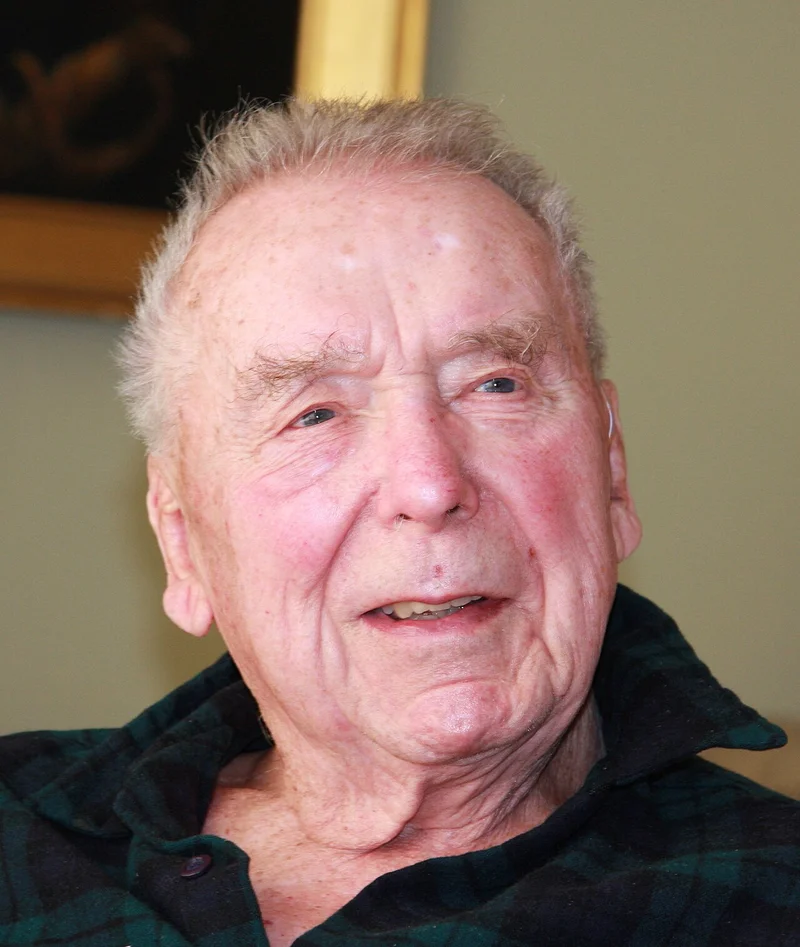
Charles Houston
A Harvard-trained physician whose mountaineering career spanned seven decades, Charles Houston combined audacious alpine exploration with foundational discoveries in high-altitude pulmonary edema and hypoxia physiology...
Robert Bates
Robert Bates was a central figure in early American high-altitude mountaineering and a longtime president of the American Alpine Club. He participated in the groundbreaking 1938 American Karakoram Expedition to K2 led...
Documented Expeditions (1)
View All Expeditions →1953 Third American Karakoram Expedition to K2
Trapped at 7,770 meters on K2 during a brutal 10-day monsoon storm after Art Gilkey developed thrombophlebitis, Charles Houston’s team mounted a legendary rescue anchored by Pete Schoening’s miraculous single-axe belay.
Documented Sources & Archival Citations
Supporting claim: Primary expedition chronicle of the August 1953 Camp VIII storm retreat and Schoening belay.
Share Exploration
Global Mountain Intelligence
✓ Link copied to clipboard!