The Matterhorn of the Andes: Egger & Jungmeir on Jirishanca
On July 12, 1957, Austrian climbing virtuosos Toni Egger and Siegfried Jungmeir conquered Nevado Jirishanca (6,094 m) via its fearsome East Buttress.
Mountain Safety & Conditions Disclaimer: High-altitude climbing, glacial travel, and technical ascents entail severe objective risks including avalanches, serac collapses, rapid weather collapse, and altitude illness. Historical route descriptions and summit claims on Mountanity reflect documented archival sources and must not be used as live operational safety assessments. Local regulations, permits, and physical glacial topography change continuously.
Peer Review: Senior Editorial Board & Historical Reviewers • Editorial Standards
The Matterhorn of the Andes: Egger & Jungmeir on Jirishanca
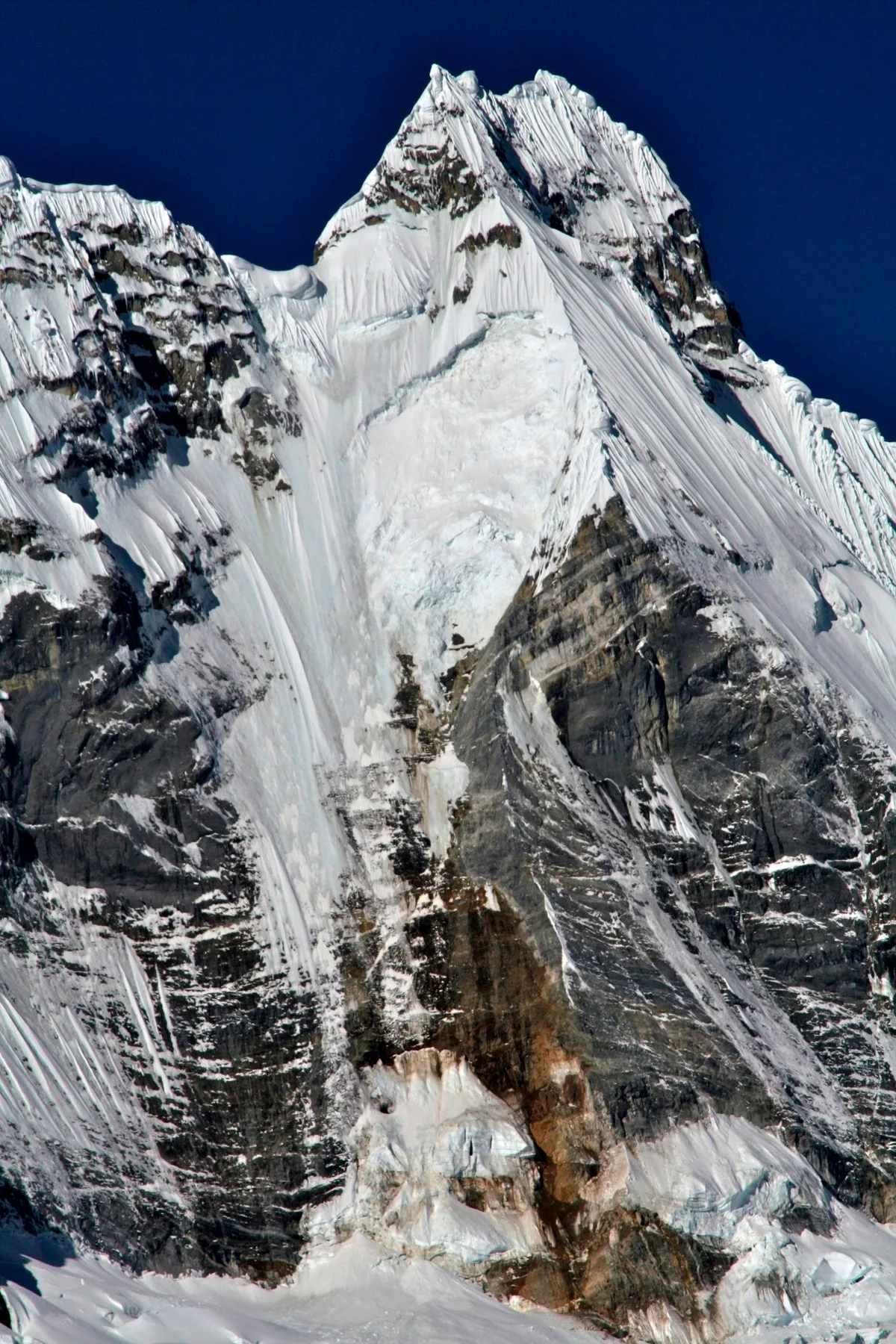
Among the glittering spires of the northern Cordillera Huayhuash, one peak stands apart as an architectural masterpiece of rock and ice: Nevado Jirishanca. Soaring to 6,094 metres (19,993 feet), its razor-sharp quartzite prow and sheer fluted ice fields earned it the legendary title The Matterhorn of the Andes. In the native Quechua tongue, its name means The Hummingbird’s Beak of Ice.
Throughout the early 1950s, international expeditions examined Jirishanca’s near-vertical walls and declared the mountain unclimbable. Its quartzite was fractured and loose, while its ice faces hung at 70 degrees, crowned by enormous, overhanging cauliflower snow mushrooms formed by tropical moisture.
The Tyrolean Ice Masters Arrive
In the austral winter of 1957, the Innsbruck Alpine Club dispatched an expedition to Peru under the leadership of Heinrich Klier. The climbing spearhead comprised two of the finest technical alpinists on the planet: Toni Egger and Siegfried Jungmeir.
Egger, widely regarded as a climbing prodigy in the Dolomites and Eastern Alps, possessed extraordinary agility on vertical rock and pioneering vision on ice. Together with Jungmeir, a master ice technician and certified mountain guide, they formed an unstoppable climbing partnership.
Arriving at the pristine waters of Laguna Mitococha in June 1957, Egger and Jungmeir bypassed the avalanche-swept western face and set their sights directly on the monolithic East Buttress—a 1,100-metre wall combining extreme Grade VI rock pitches with vertical ice flutings.
Four Days of Relentless Technical Battle
Egger and Jungmeir launched their alpine push on July 9, carrying lightweight bivouac gear, ropes, and specialized steel pitons. The lower half of the buttress threw sustained Grade V and VI rock climbing at them over loose quartzite blocks.
Higher up, rock gave way to vertical Andean ice. Egger utilized advanced front-point crampon technique and experimental tubular ice screws, leading pitches up 70-degree flutings where a single slip meant a 2,000-foot fall into the glacier basin.
When confronted by gargantuan, overhanging snow mushrooms that blocked the summit ridge, Egger and Jungmeir did not retreat. Instead, they used their ice axes to tunnel directly through the heart of the aerated snow mushroom, emerging on top of the fragile formation like subterranean miners breaking through to daylight.
For three nights, the Austrian pair endured precarious bivouacs hacked out of ice shelves on the knife-edge crest, tethered to pitons driven into friable rock cracks.
Triumph on the Hummingbird’s Beak
On July 12, 1957, after four grueling days of climbing, Toni Egger and Siegfried Jungmeir hauled themselves onto the needle-like summit of Jirishanca at 6,094 metres. The summit was barely large enough for two men to stand, surrounded by dizzying vertical abysses plunging to the glacial lakes below.
Their first ascent of Jirishanca was universally recognized as the most technically difficult high-altitude climb achieved in the Americas up to that time. Tragically, only eighteen months later, Toni Egger would perish in an avalanche on Cerro Torre in Patagonia, but his triumph on Jirishanca alongside Siegfried Jungmeir secured his immortality in the golden pantheon of alpine exploration.
Key Statistics & Topographic Figures
- Category
- Andean Pioneers
Archival Subject
- Reading Time
- 15 min read
Narrative Length
- Key Mountain
- jirishanca
Objective
- Ascent Route
- jirishanca-east-buttress
Topography
- Verification
- Editorially Verified
Archival Standard
Archival Primary Source Quotations
“In the mountains, truth is etched in ice and granite; every step requires unwavering respect for the heights.”
Defined Alpine Terminology & Concepts
- Summit Push
- The final continuous climbing effort from the highest established camp to the mountain apex and back.
- Death Zone Chronicle
- A verified, research-backed historical narrative documenting the human, technical, and environmental realities of an alpine expedition.
Frequently Asked Questions: The Matterhorn of the Andes: Egger & Jungmeir on Jirishanca
What is the core chronicle and subject of "The Matterhorn of the Andes: Egger & Jungmeir on Jirishanca"?
On July 12, 1957, Austrian climbing virtuosos Toni Egger and Siegfried Jungmeir conquered Nevado Jirishanca (6,094 m) via its fearsome East Buttress.
Which mountain peaks and routes are featured in "The Matterhorn of the Andes: Egger & Jungmeir on Jirishanca"?
This narrative documents climbs on jirishanca along the jirishanca-east-buttress in Peru.
Which documented expedition is chronicled in this story?
This historical chronicle captures the events of the 1957-egger-jungmeir-jirishanca-first-ascent, verified through contemporary journals and archival records.
Who authored and researched this archival chronicle?
Authored and researched by Mountainity Historical Research Desk, drawing on primary eyewitness testimonies, alpine club registries, and verified summit logs.
What makes this high-altitude chronicle historically significant?
Categorized under "Andean Pioneers", this chronicle preserves critical lessons in alpine leadership, survival, tactical speed, and human endurance in the death zone.
Related Mountains

Jirishanca
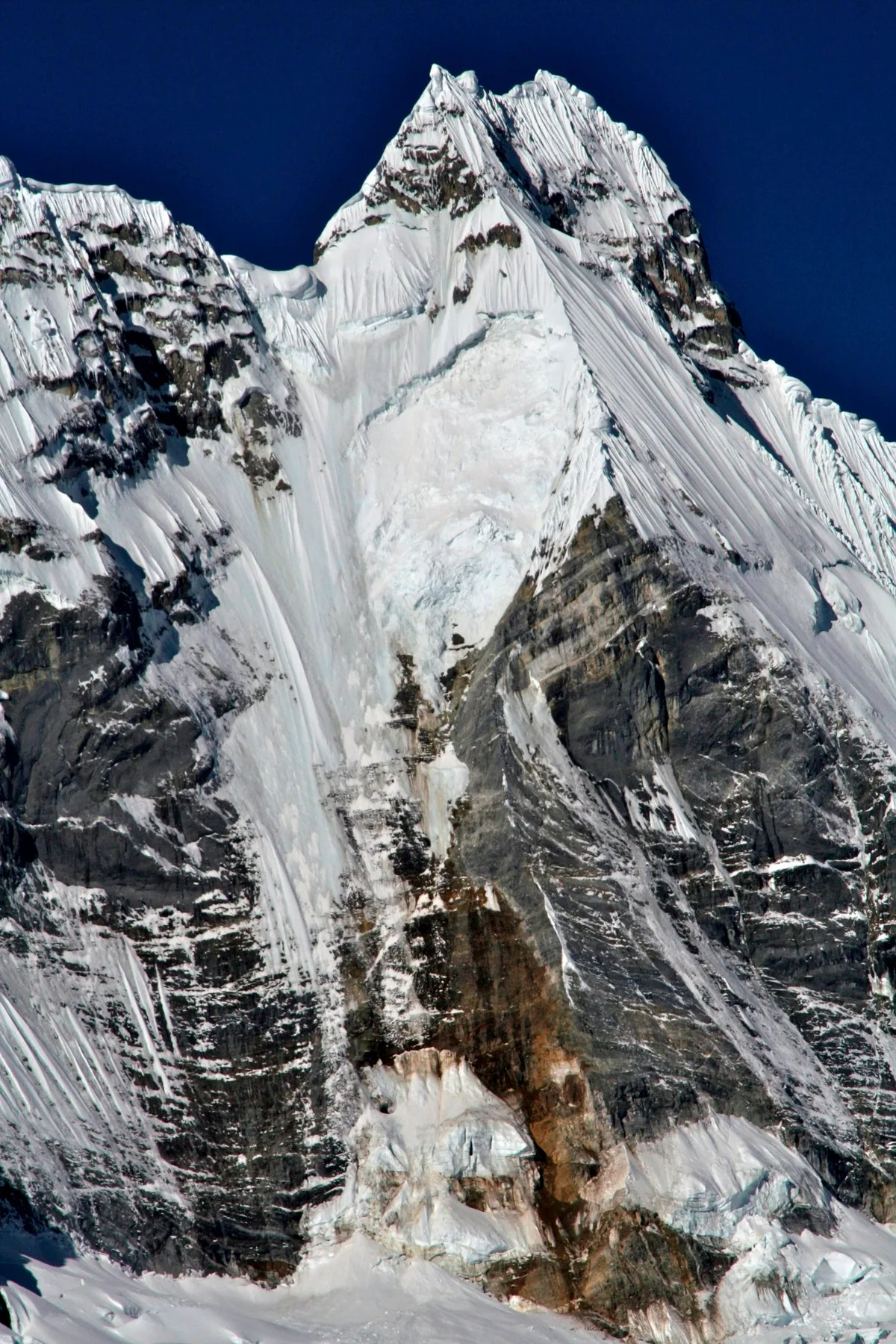
Jirishanca is a breathtaking 6,094-metre pinnacle in the northern Cordillera Huayhuash, internationally renowned as the Matterhorn of the Andes for its impossibly sheer profile and fluted ice spires. Its Quechua name translates to Hummingbird Beak of Ice. The mountain was first climbed on July 12, 1957, by Austrian mountaineering legends Toni Egger and Siegfried Jungmeir via the treacherous East Buttress, one of the boldest technical achievements in Andean climbing history.
Documented Sources & Archival Citations
- American Alpine Journal: Jirishanca and the Ascents of Toni Egger(American Alpine Club)
Supporting claim: Detailed review of Toni Egger and Siegfried Jungmeir's technical mastery and first ascent of Jirishanca
Accessed/Documented: 1959 - Österreichische Alpenzeitung: Die Erstbesteigung des Jirishanca(Österreichischer Alpenklub)
Supporting claim: Firsthand technical documentation of the 1957 Austrian Andean Expedition
Accessed/Documented: 1958