
Peru
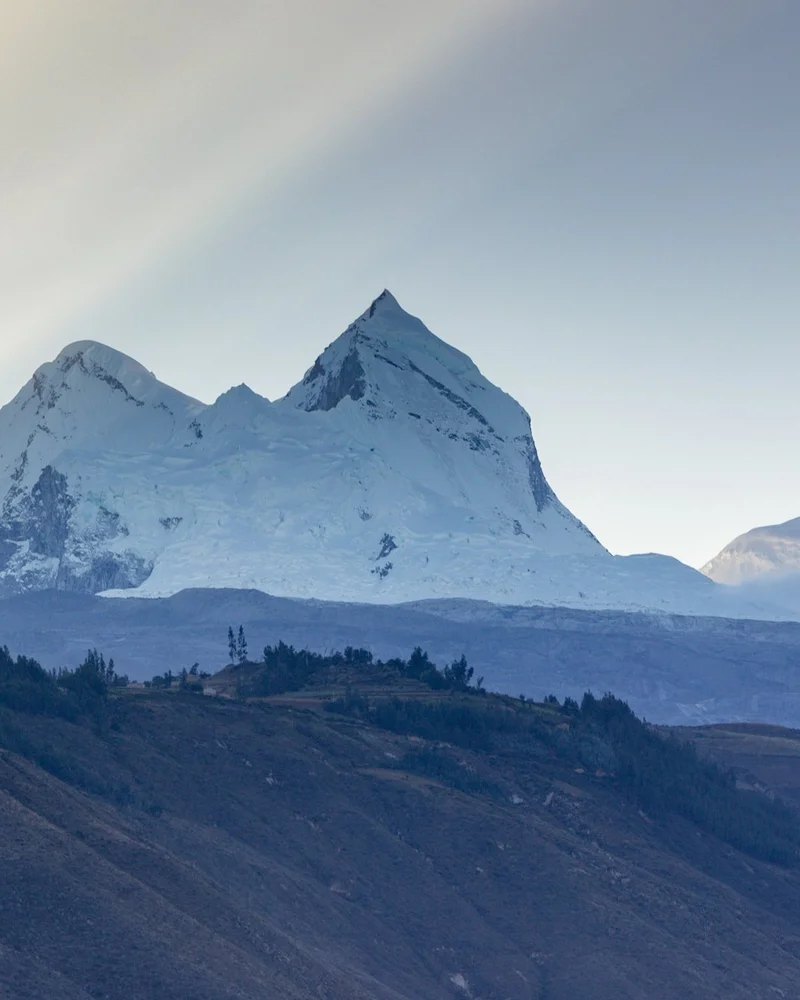
Heart of the tropical Andes, renowned for the soaring glaciated pyramids of the Cordillera Blanca and Cordillera Huayhuash, including Huascarán and Alpamayo.
Peer Review: Senior Editorial Board & Historical Reviewers • Editorial Standards
Key Statistics & Topographic Figures
- Archive Classification
- COUNTRIES
Mountanity Knowledge Corpus
- Verification Status
- Editorially Verified
Archival Standards
- Citation Standard
- Primary Source Verified
Alpine Research Desk
Mountain Peaks in Peru
Technical profiles, elevations, and ascent histories for summits located in or spanning Peru.
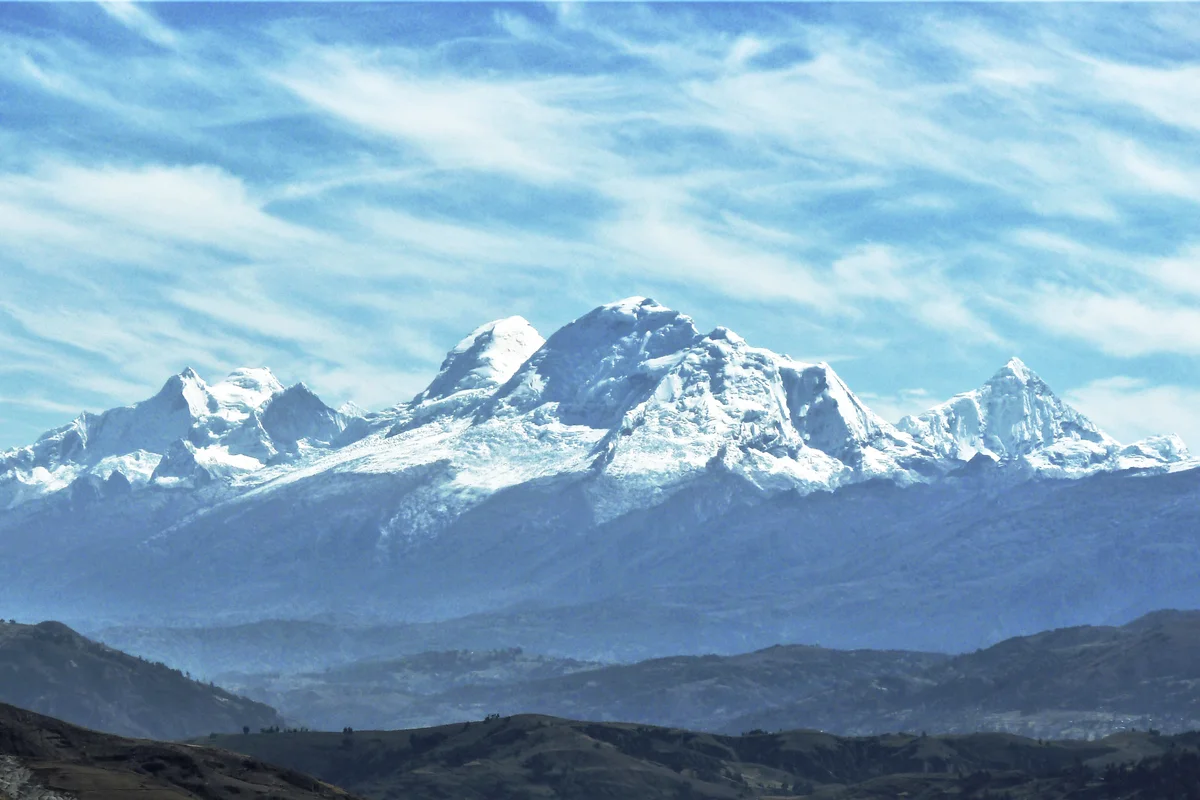
Huascarán
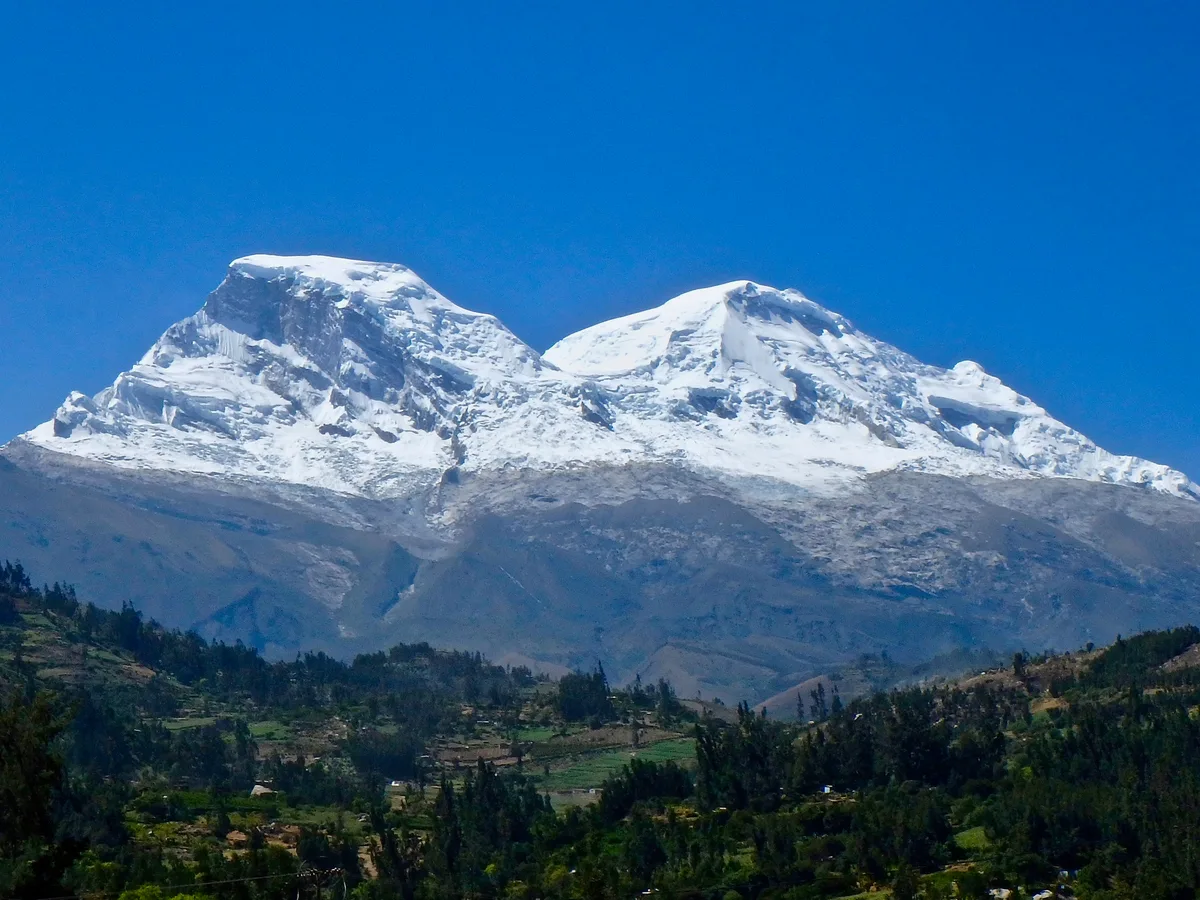
Huascarán is the highest mountain in Peru and the highest peak in the entire tropical zone of Earth, rising to 6,768 metres in the Cordillera Blanca. Its twin glaciated summits—Huascarán Sur (6,768 m) and Huascarán Norte (6,655 m)—tower over the Callejón de Huaylas with colossal icefalls and sheer vertical walls.
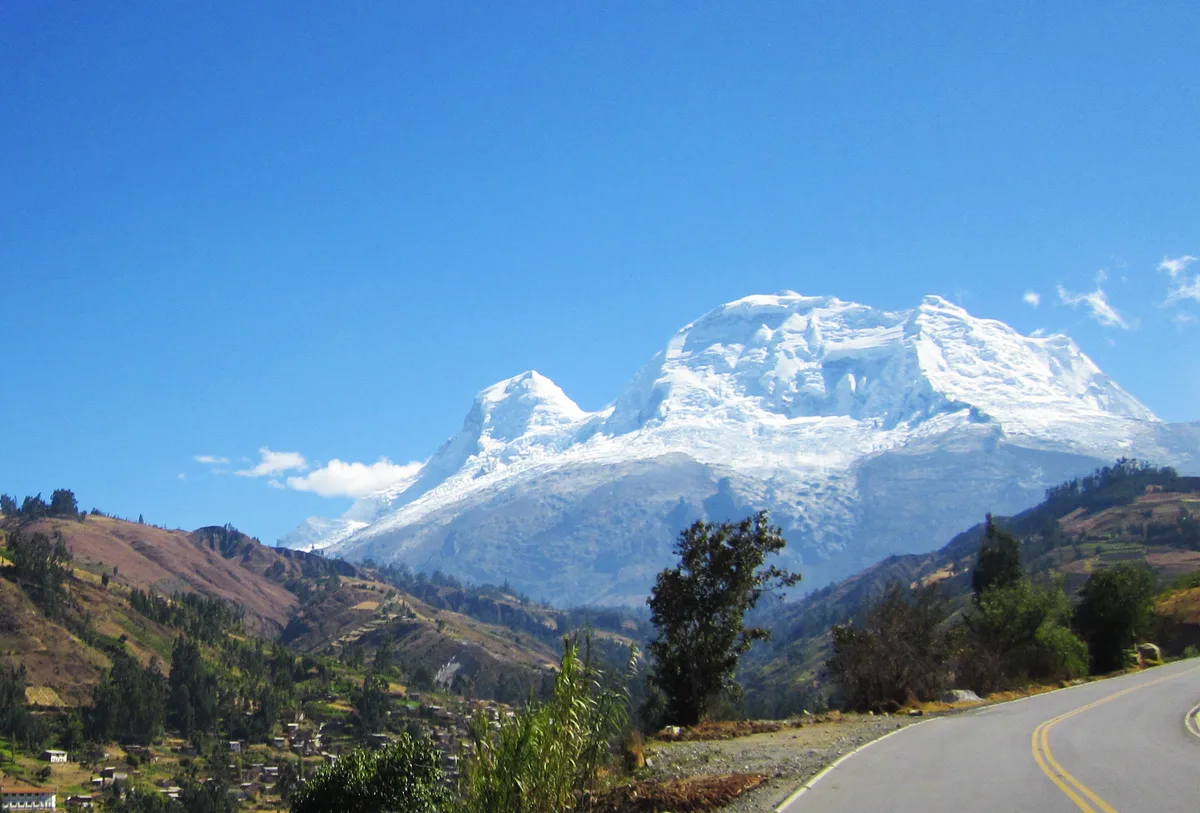
Huascarán Norte
Huascarán Norte is the northern summit of Peru's highest mountain massif, rising to 6,655 metres in the Cordillera Blanca. It was first climbed in September 1908 by pioneering American suffragist Annie Smith Peck alongside Swiss guides Gabriel Zumtaugwald and Rudolf Taugwalder. The peak features steep ice aprons and towering seracs connected to Huascarán Sur via the Garganta col.
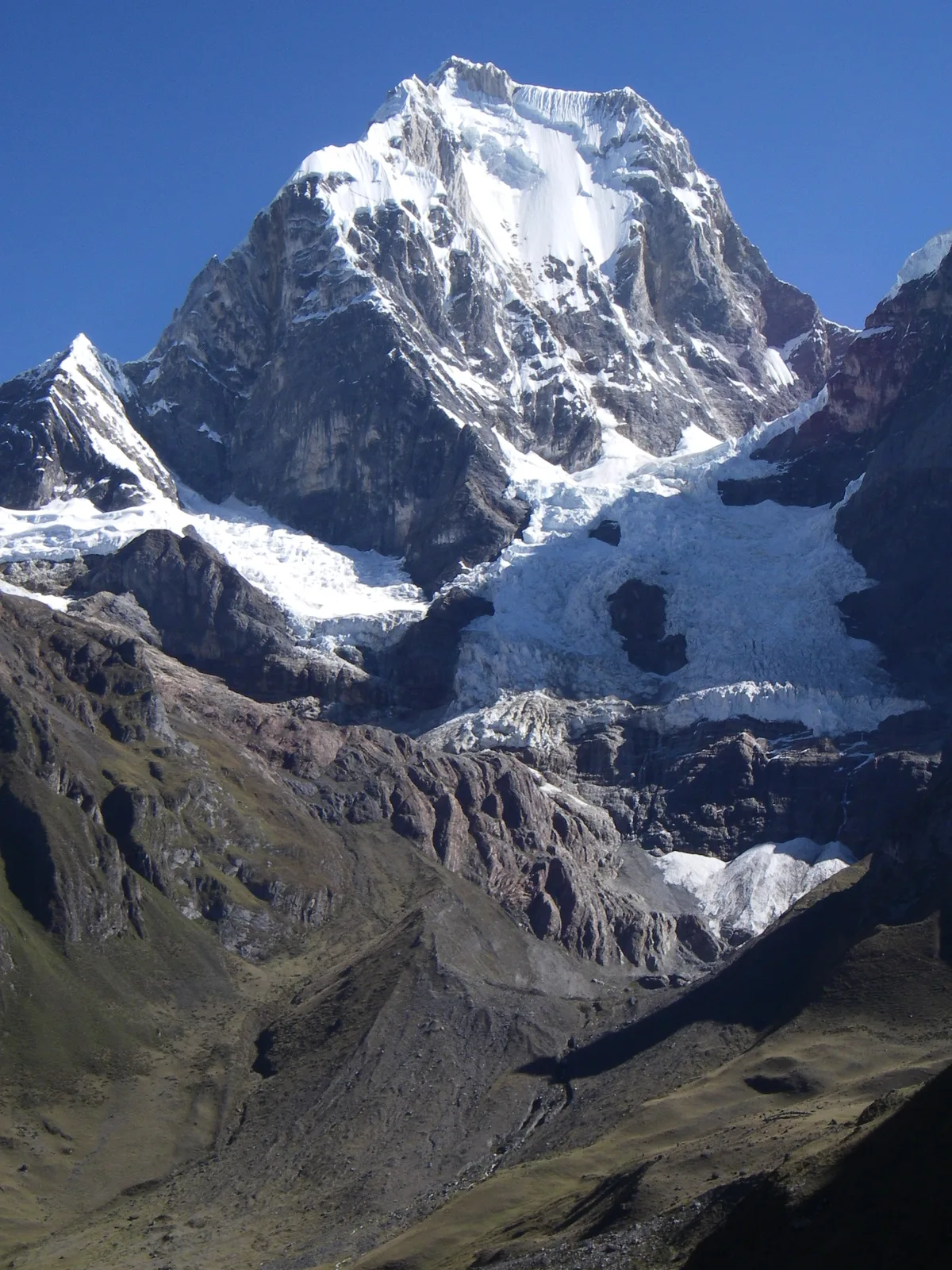
Yerupajá
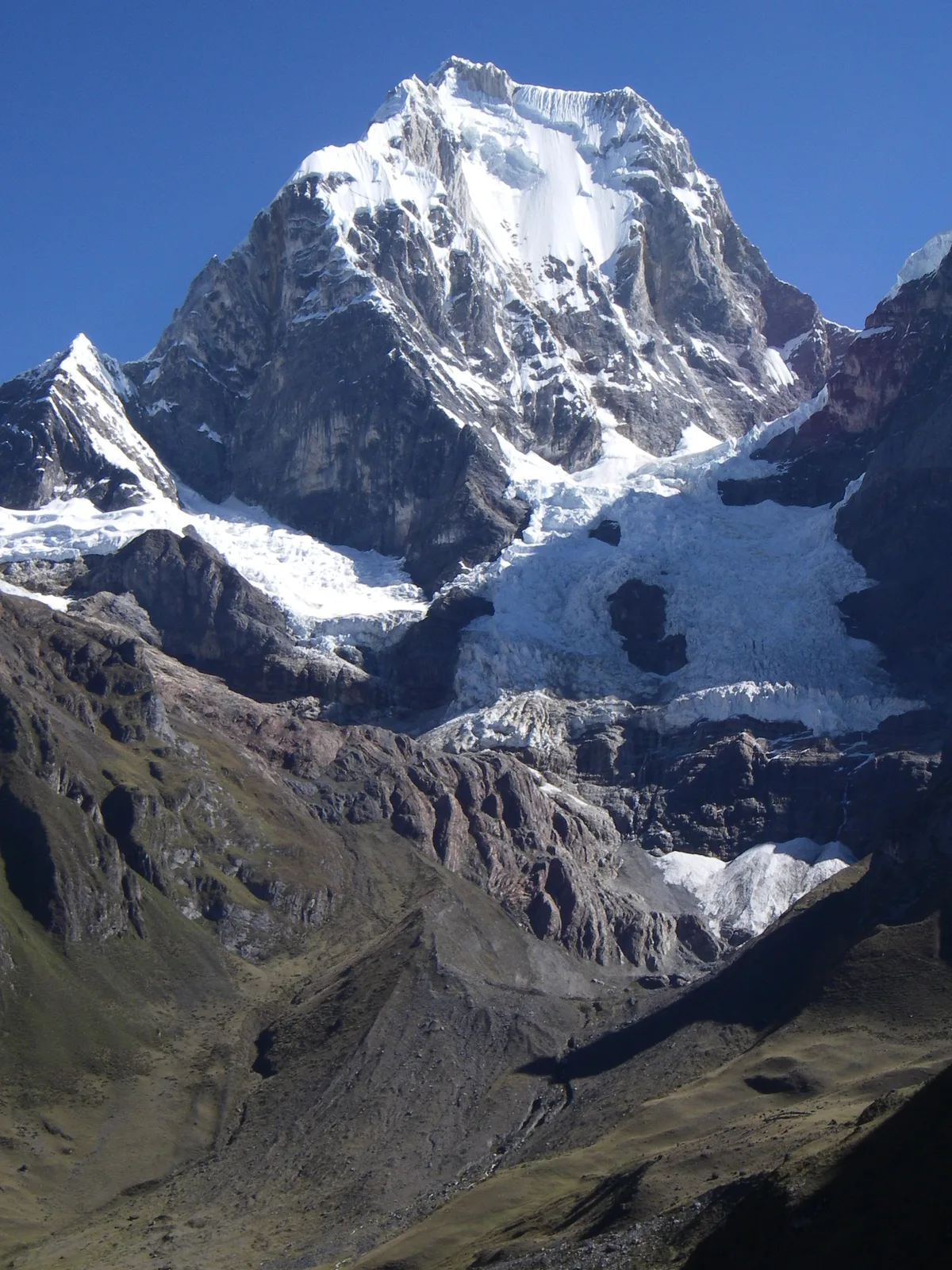
Yerupajá is the second-highest peak in Peru and the undisputed monarch of the Cordillera Huayhuash, soaring to 6,635 metres. Celebrated for its razor-sharp summit cornices, vertical ice walls, and ominous local moniker El Carnicero (The Butcher), it was first climbed in July 1950 by Jim Maxwell and Dave Harrah of the Harvard Andean Mountaineering Club. In 1968, Chris Jones and Paul Dix completed the first ascent of its fearsome 1,200-metre West Face.
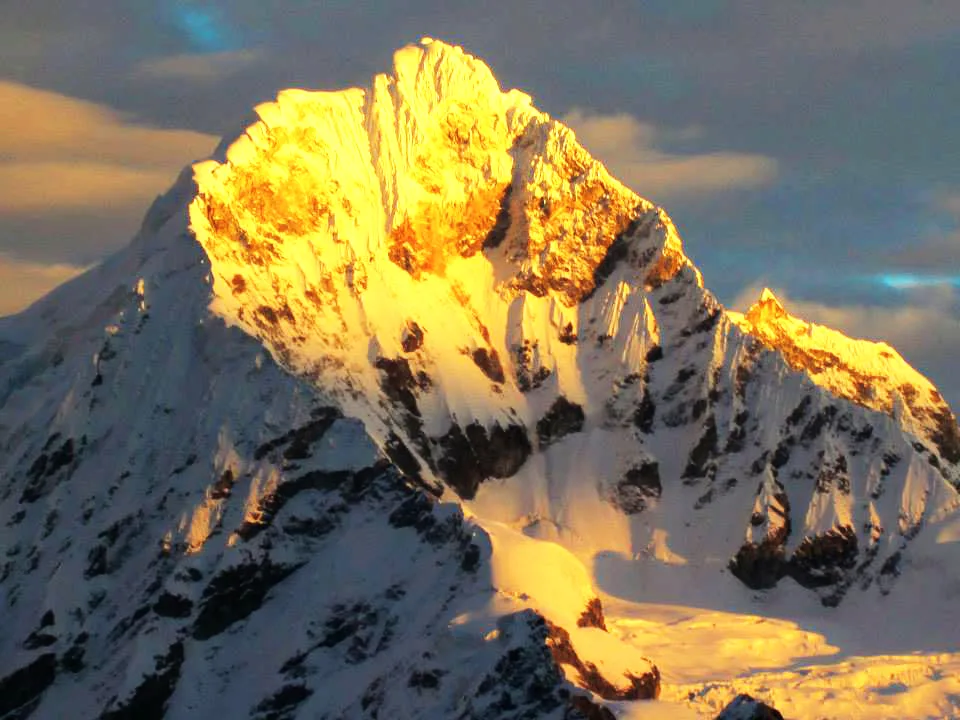
Chopicalqui
Chopicalqui is a magnificent 6,354-metre glaciated peak rising in the heart of Peru's Cordillera Blanca between Huascarán and Yanapaccha. First summited on August 3, 1932, by Erwin Schneider, Philipp Borchers, and Hermann Hoerlin, it is celebrated for its elegant Southwest Ridge route. The mountain offers complex crevassed glacier travel and knife-edge summit cornices.
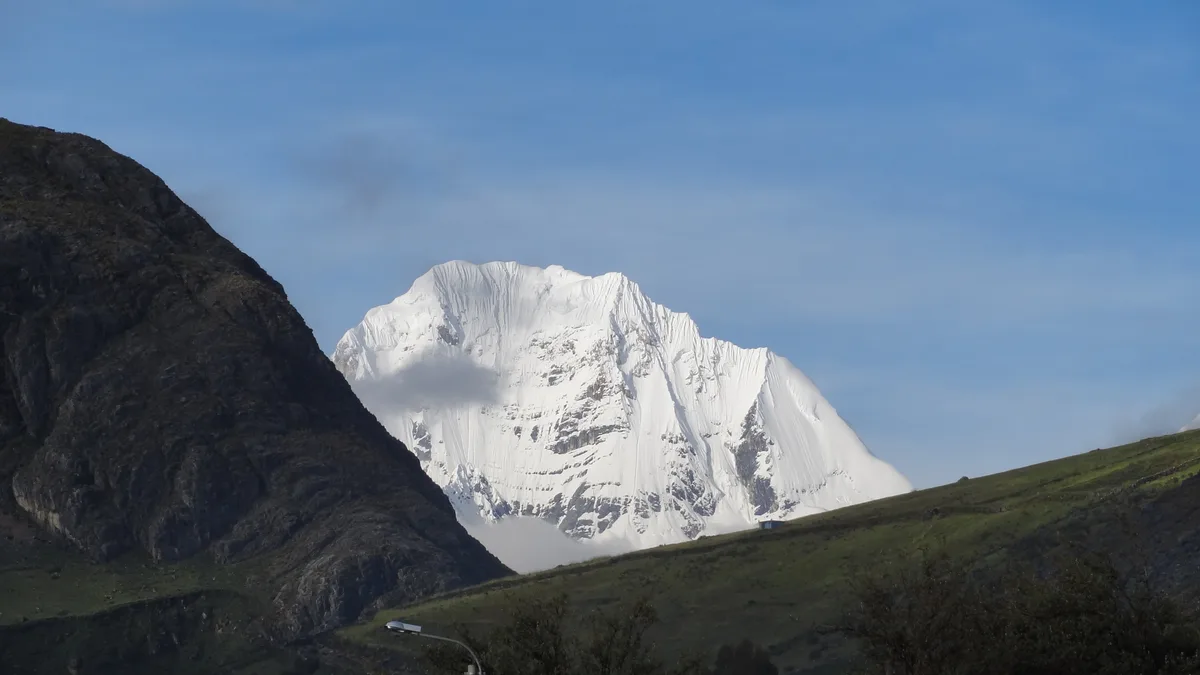
Siula Grande
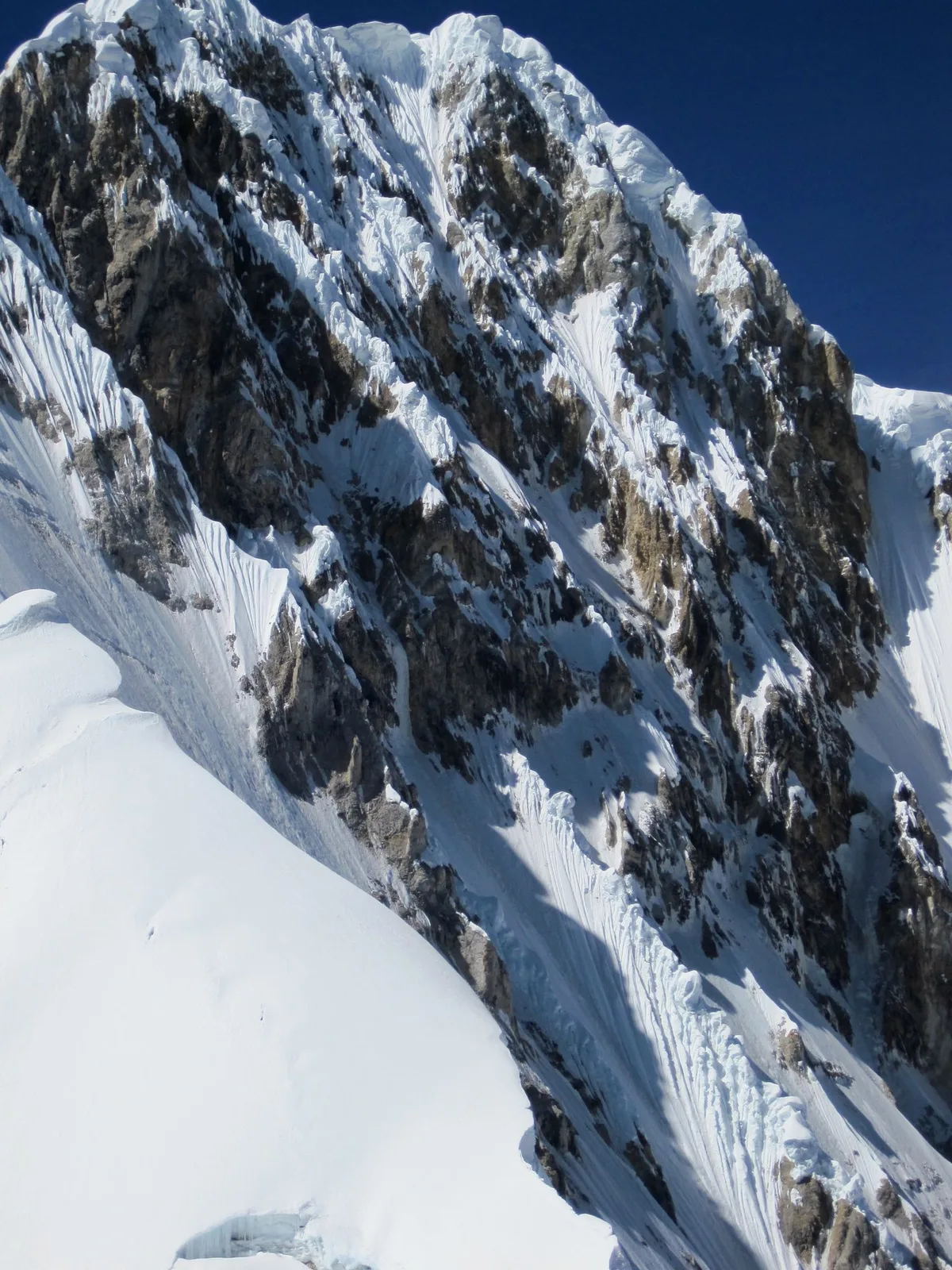
Siula Grande is a majestic 6,344-metre mountain in the Cordillera Huayhuash of the Peruvian Andes, renowned for its sheer western precipice, knife-edge corniced ridges, and one of mountaineering's greatest survival sagas. First climbed in July 1936 by Austrian alpinists Erwin Schneider and Arnold Awerzger via the North Ridge, the peak earned worldwide fame from Joe Simpson and Simon Yates' harrowing 1985 first ascent of the West Face, chronicled in Touching the Void.
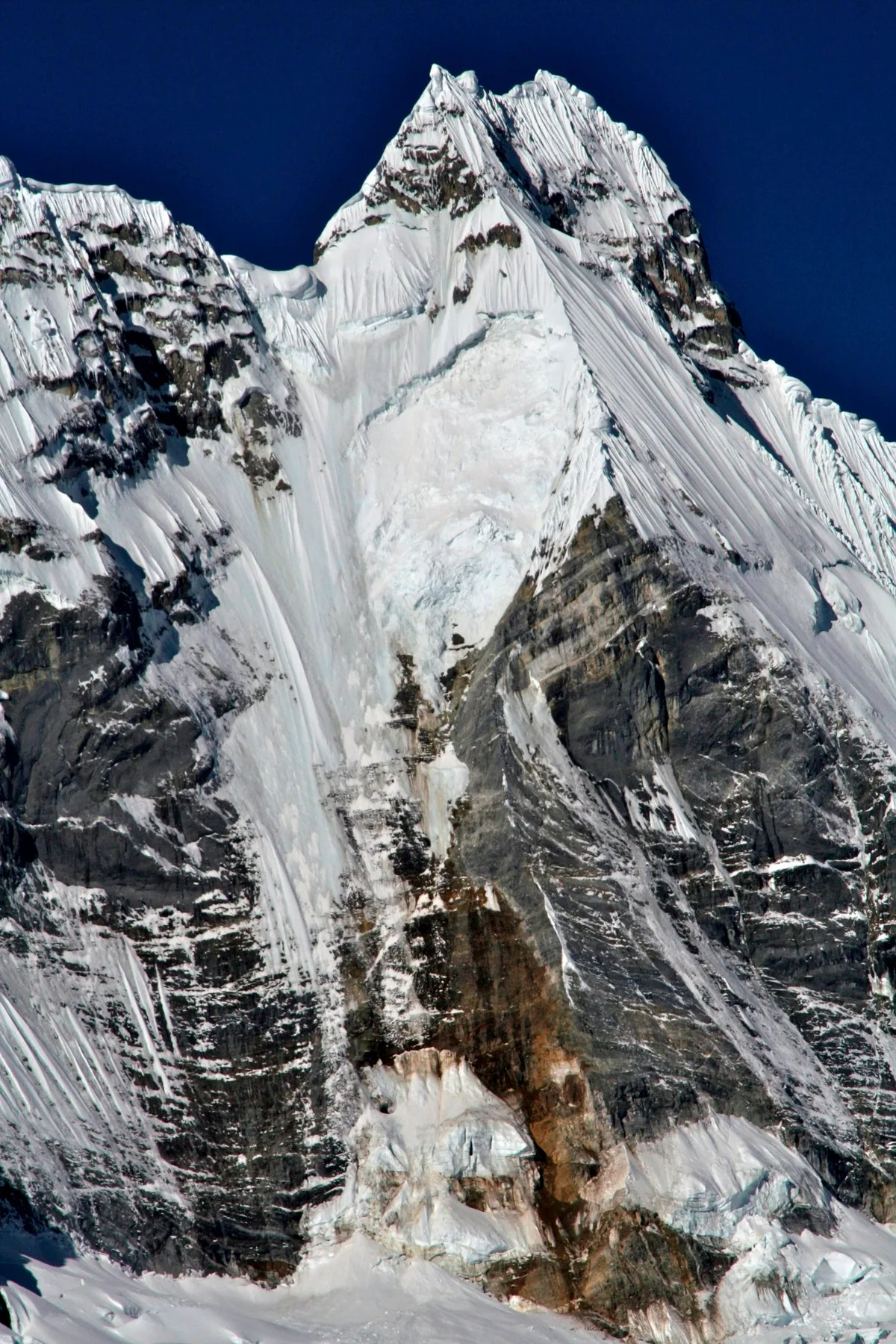
Jirishanca
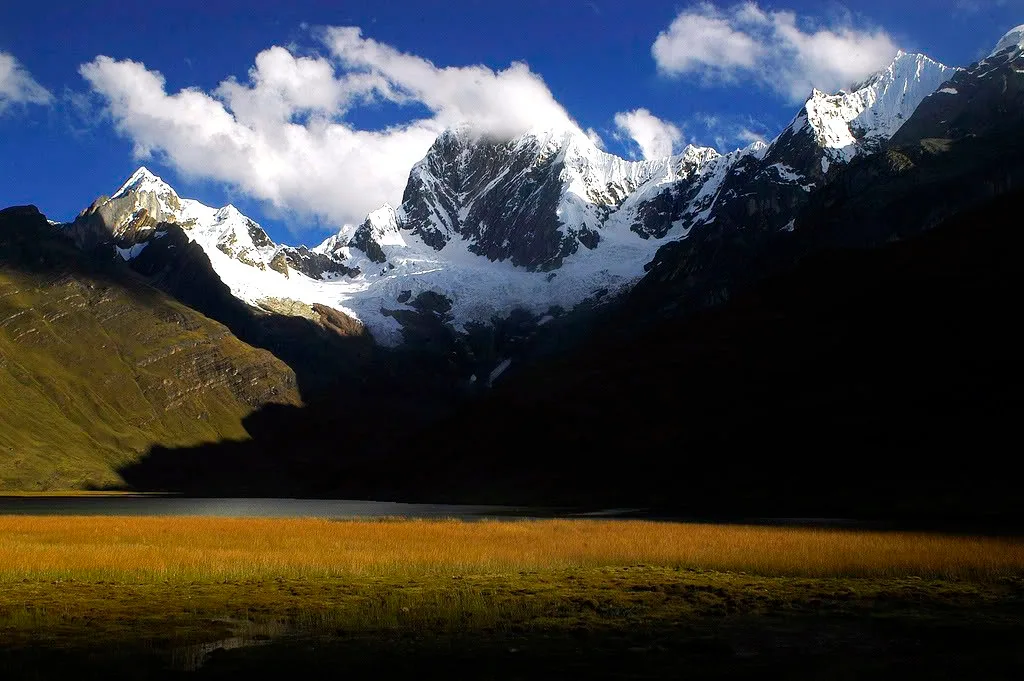
Jirishanca is a breathtaking 6,094-metre pinnacle in the northern Cordillera Huayhuash, internationally renowned as the Matterhorn of the Andes for its impossibly sheer profile and fluted ice spires. Its Quechua name translates to Hummingbird Beak of Ice. The mountain was first climbed on July 12, 1957, by Austrian mountaineering legends Toni Egger and Siegfried Jungmeir via the treacherous East Buttress, one of the boldest technical achievements in Andean climbing history.
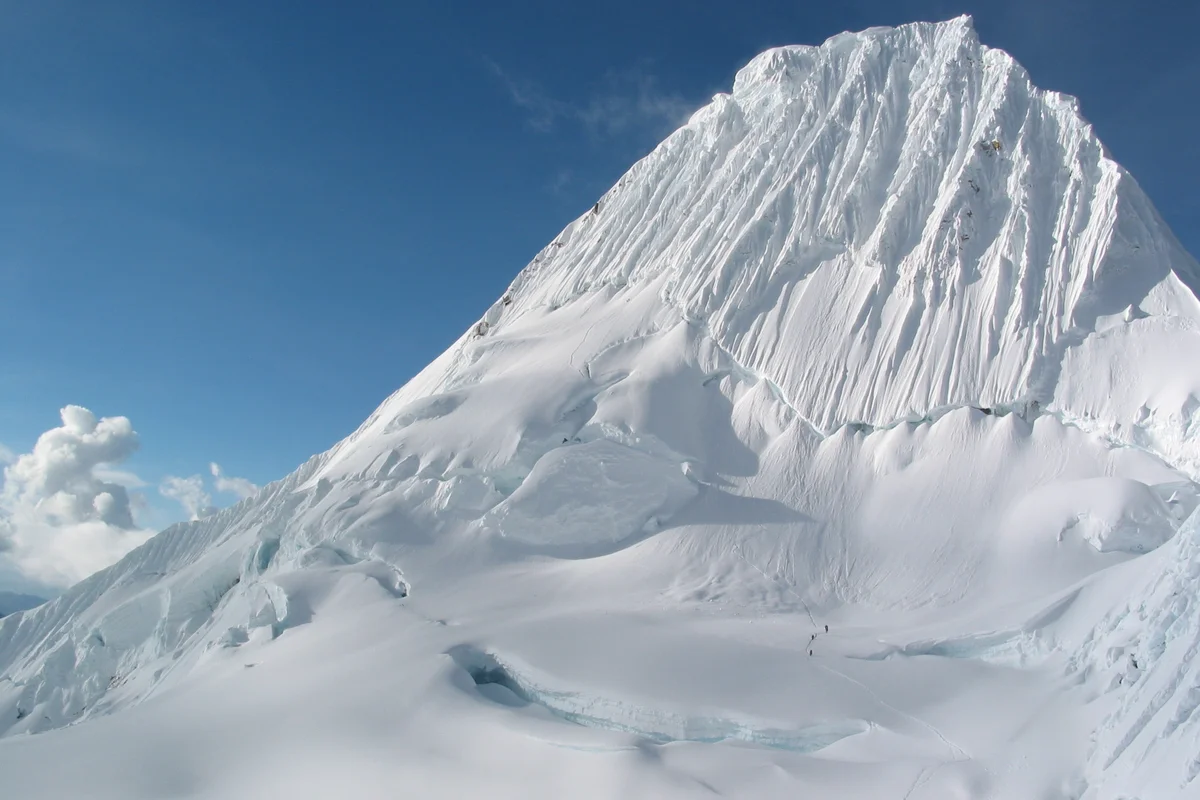
Alpamayo
Alpamayo is an extraordinary 5,947-metre pyramid of ice and snow situated in the northern Cordillera Blanca of Peru. Globally celebrated as the World's Most Beautiful Mountain, its sheer Southwest Face is carved with steep fluted ice runnels that form one of the premier alpine ice climbs on Earth.
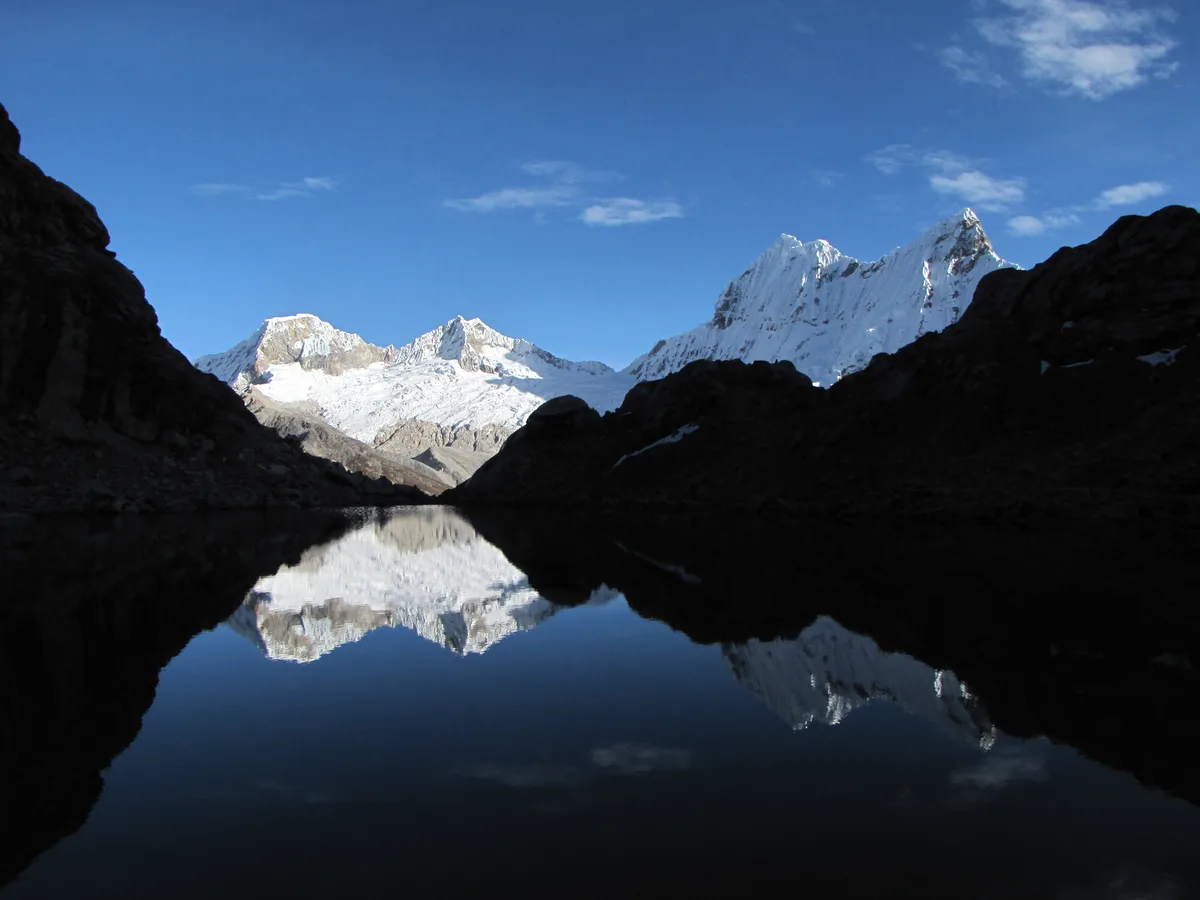
Nevado Pisco
Nevado Pisco is a celebrated 5,752-metre glaciated summit located in the central Cordillera Blanca of Peru above the Quebrada Llanganuco. First climbed on July 12, 1951, by Austrian topographer Erwin Schneider alongside Claude Fabre and Fermo Marzari, it was named to toast their triumph with Peru's traditional pisco brandy. The summit offers an unparalleled 360-degree panorama of Huascarán, Chacraraju, and Artesonraju.
Mountain Ranges Spanning Peru
Geographic mountain massifs, regional topography, and glaciated chains within Peru.
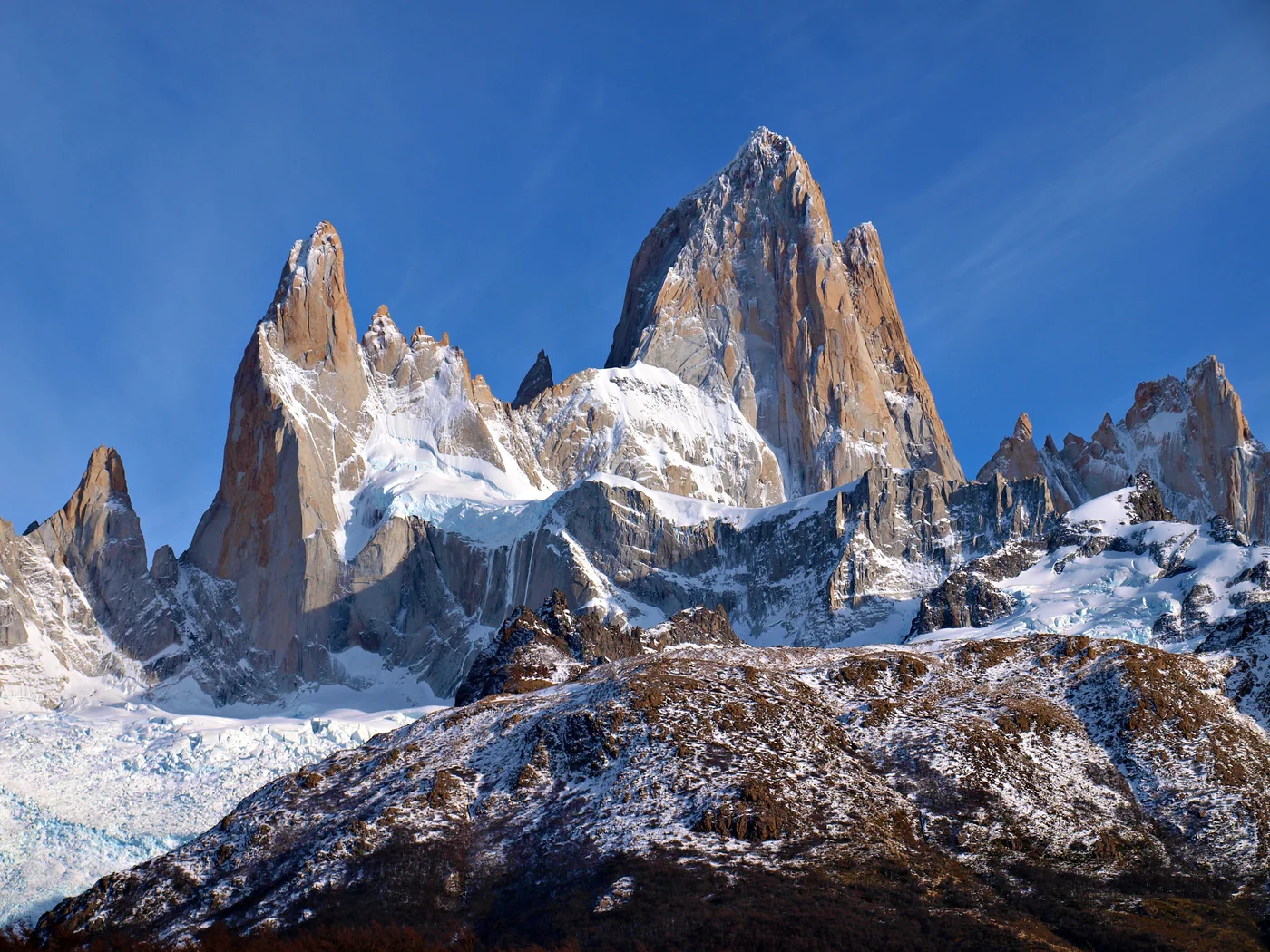
Andes
The Andes form the longest continental mountain range on Earth, stretching over 7,000 kilometres along the western margin of South America. Renowned for soaring glaciated volcanoes, high Altiplano plateaus, and the sheer wind-blasted granite spires of Patagonia, the range contains legendary alpine challenges including Aconcagua and Cerro Fitz Roy.
Documented Climbing Routes
Classic lines of ascent, technical difficulties, and objective hazards across Peru's summits.
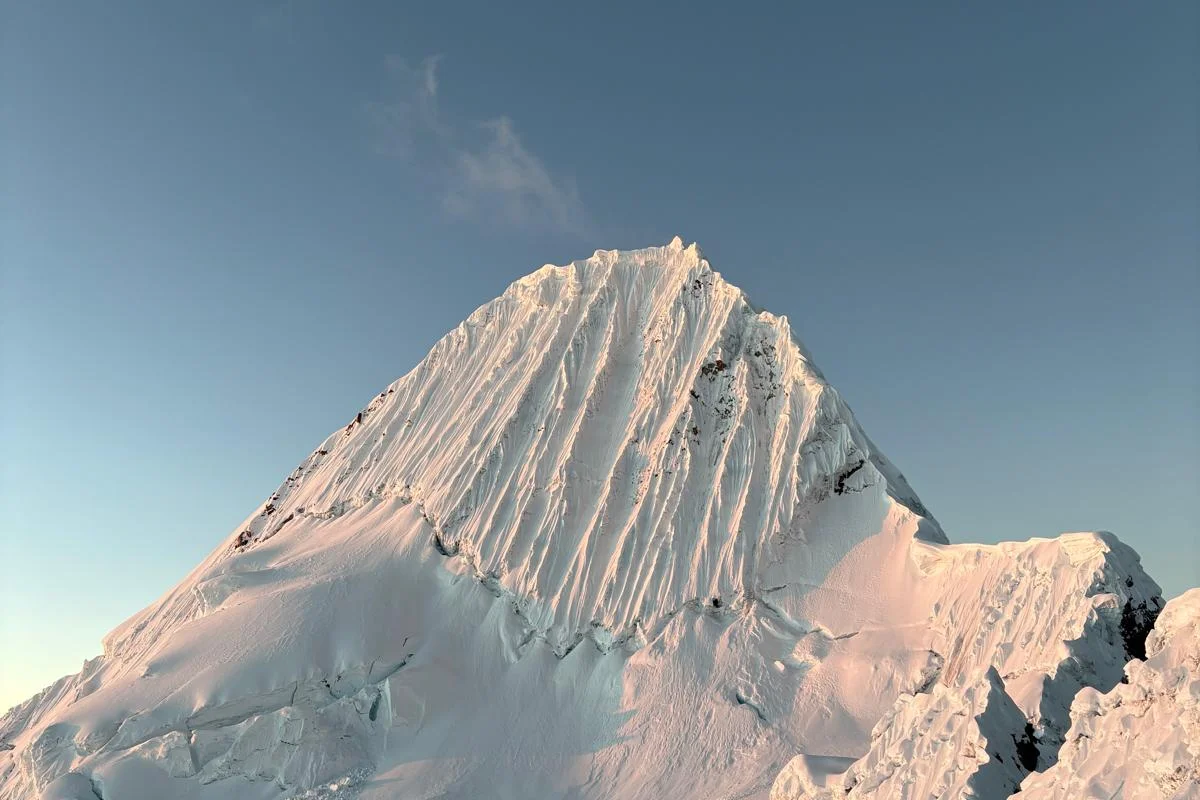
Ferrari Route (Alpamayo Southwest Face)
The Ferrari Route on the Southwest Face of Nevado Alpamayo is one of the most celebrated ice climbs in the world. Ascending 450 vertical metres of fluted, 60° to 80° glacial ice runnels directly beneath towering summit cornices, it is a masterclass in steep Andean ice climbing.
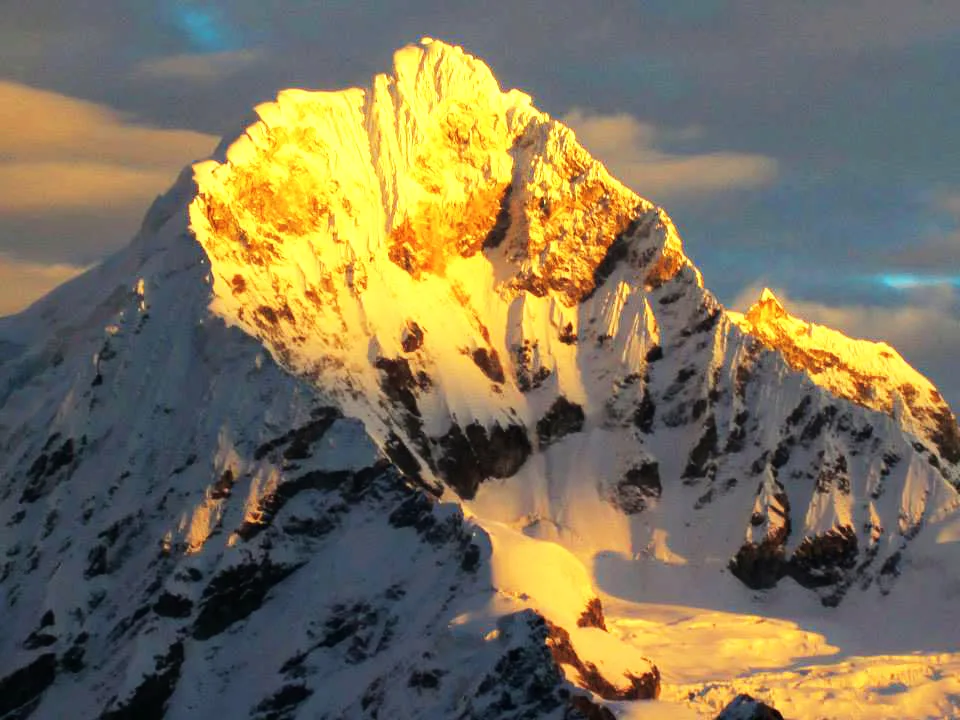
Chopicalqui Southwest Ridge
The Southwest Ridge of Chopicalqui is one of the most aesthetic and popular high-altitude ridge climbs in the Cordillera Blanca. First scaled in August 1932 by Erwin Schneider, Philipp Borchers, and Hermann Hoerlin, the line rises along a soaring glaciated crest from the col above Quebrada Llanganuco. Climbers must overcome exposed knife-edge snow arêtes, bergschrund crossings, and a dramatic final summit mushroom at 6,354 metres.
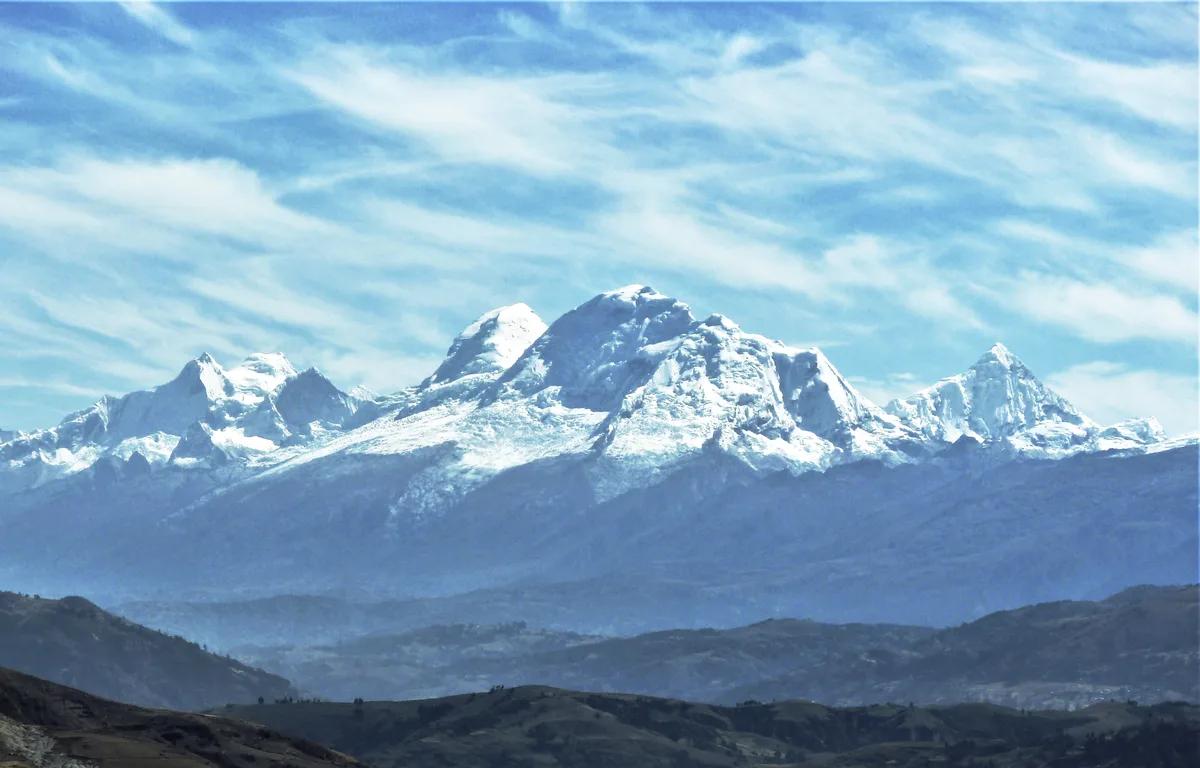
Huascarán Garganta Normal Route
The Huascarán Normal Route via the Garganta is the classic high-altitude line ascending Peru's highest peak in the Cordillera Blanca. Pioneered in July 1932 by the German-Austrian expedition led by Philipp Borchers and Erwin Schneider, the route traverses the fractured glacier of the western flank to the 6,000-metre saddle between the twin summits. It demands rigorous acclimatization, crevasse rescue skills, and vigilance against objective avalanche and serac hazards.
Huascarán Norte Peck Route
The Peck Route on Huascarán Norte marks the historic first ascent of Peru's second-highest peak. Established in September 1908 by suffragist pioneer Annie Smith Peck with Swiss guides Gabriel Zumtaugwald and Rudolf Taugwalder, the route ascends the heavily broken northwestern glacier and steep snow couloirs to attain the north summit at 6,655 metres. It stands as an enduring milestone of women's exploration in high-altitude mountaineering.
Jirishanca East Buttress
The East Buttress of Jirishanca is one of the most audacious and revered milestones in Andean mountaineering. Ascending the monolithic quartzite prow of the Matterhorn of the Andes to 6,094 metres, this route confronts 70-degree Andean ice corridors, overhanging serac mushrooms, and Grade VI rock climbing on friable quartzite. Masterminded in July 1957 by Austrian legends Toni Egger and Siegfried Jungmeir, it set a new global benchmark for high-altitude technical difficulty.
Siula Grande West Face
The West Face of Siula Grande is one of the most celebrated and formidable alpine routes in South America. Rising 1,000 metres above the glacier of Laguna Sarapococha, the line tackles 80-degree water-ice flutings, fragile powder mushrooms, and vertical mixed headwalls. First climbed in June 1985 by British alpinists Joe Simpson and Simon Yates in lightweight alpine style, it became the crucible for one of mountaineering's most legendary survival epics.
Yerupajá West Face and South Ridge
The historic first ascent route of Yerupajá ascends the glaciated western cirque and tackles the ferocious, cornice-hung South Ridge to reach Peru's second-highest summit at 6,635 metres. Pioneered on July 31, 1950, by Harvard mountaineers Jim Maxwell and Dave Harrah, the route demands mastery of steep 60-degree firn, rotten limestone crags, and nerve-testing overhanging double snow cornices suspended over two-mile drops.
Historic Expeditions & First Ascents
Epoch-making sieges and triumphant summits recorded within Peru's alpine history.
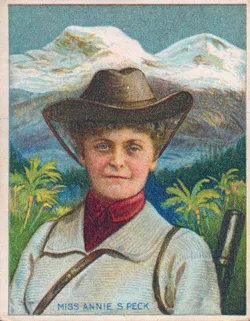
1908 Annie Smith Peck Huascarán Norte Historic First Ascent
In September 1908, 57-year-old American suffragist Annie Smith Peck achieved the daring first ascent of Huascarán Norte (6,655 m) with Swiss guides Gabriel Zumtaugwald and Rudolf Taugwalder. Overcoming treacherous seracs, bitter blizzards, and severe frostbite, Peck set an altitude record for American climbers while unfurling a banner for women's voting rights.
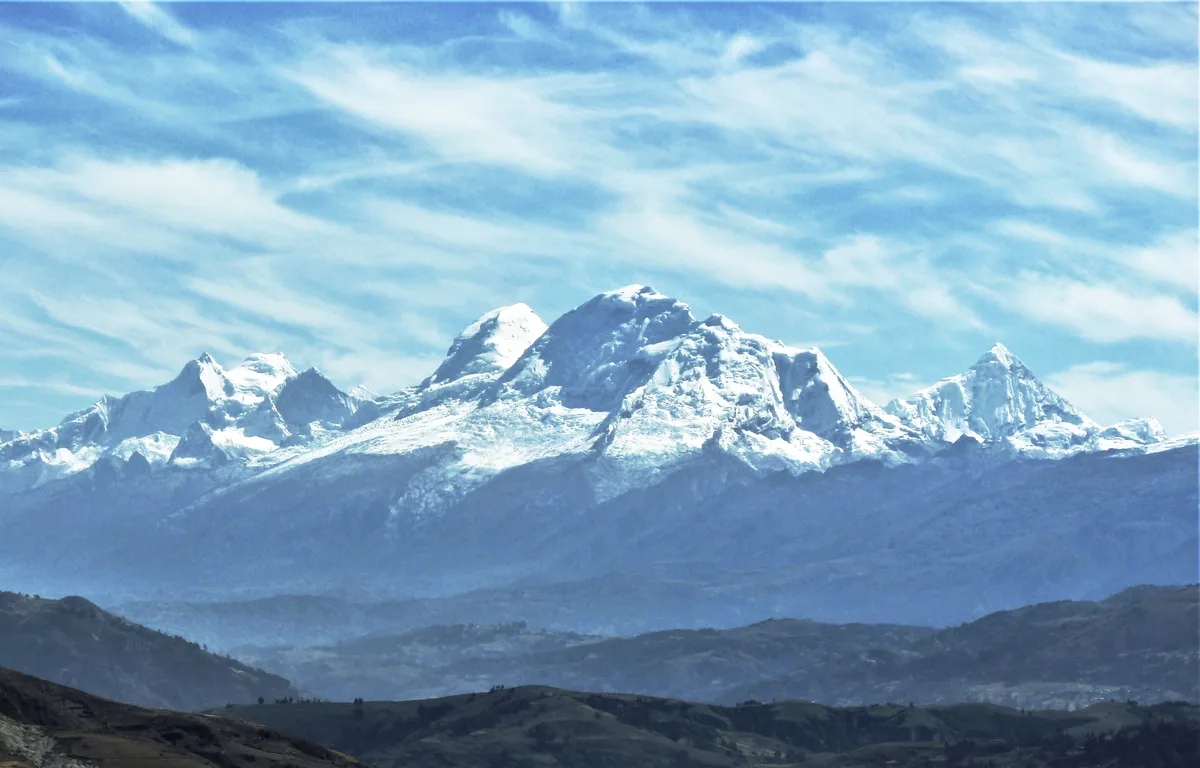
1932 German-Austrian Huascarán Sur Historic First Ascent Expedition
On July 20, 1932, the German-Austrian Alpine Club expedition led by Philipp Borchers and Erwin Schneider achieved the historic first ascent of Huascarán Sur (6,768 m), the highest peak in Peru. Navigating the treacherous Garganta col and western icefall, Borchers, Schneider, Wilhelm Bernard, Franz Schmid, and Hermann Hoerlin solved the supreme high-altitude challenge of the tropical Andes.
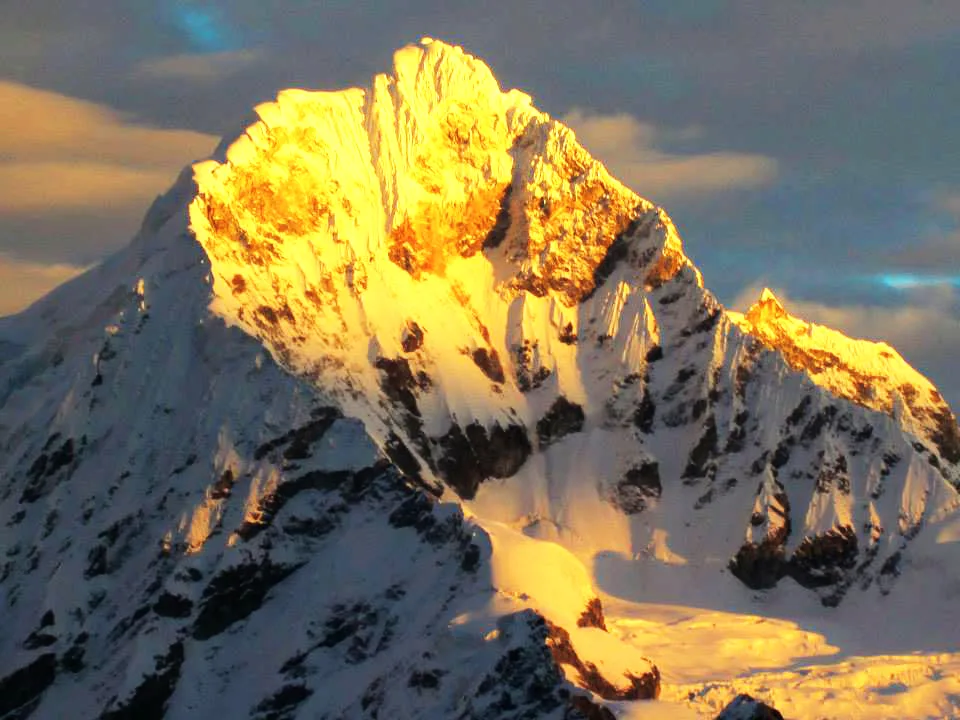
1932 Schneider Chopicalqui Historic First Ascent Expedition
On August 3, 1932, Austrian mountaineer Erwin Schneider, Philipp Borchers, and Hermann Hoerlin made the historic first ascent of Nevado Chopicalqui (6,354 m) in Peru's Cordillera Blanca. Pioneering the elegant Southwest Ridge line from Quebrada Llanganuco, the climbers negotiated razor-sharp snow arêtes and fragile summit cornices to unlock one of the Andes' most aesthetic summits.
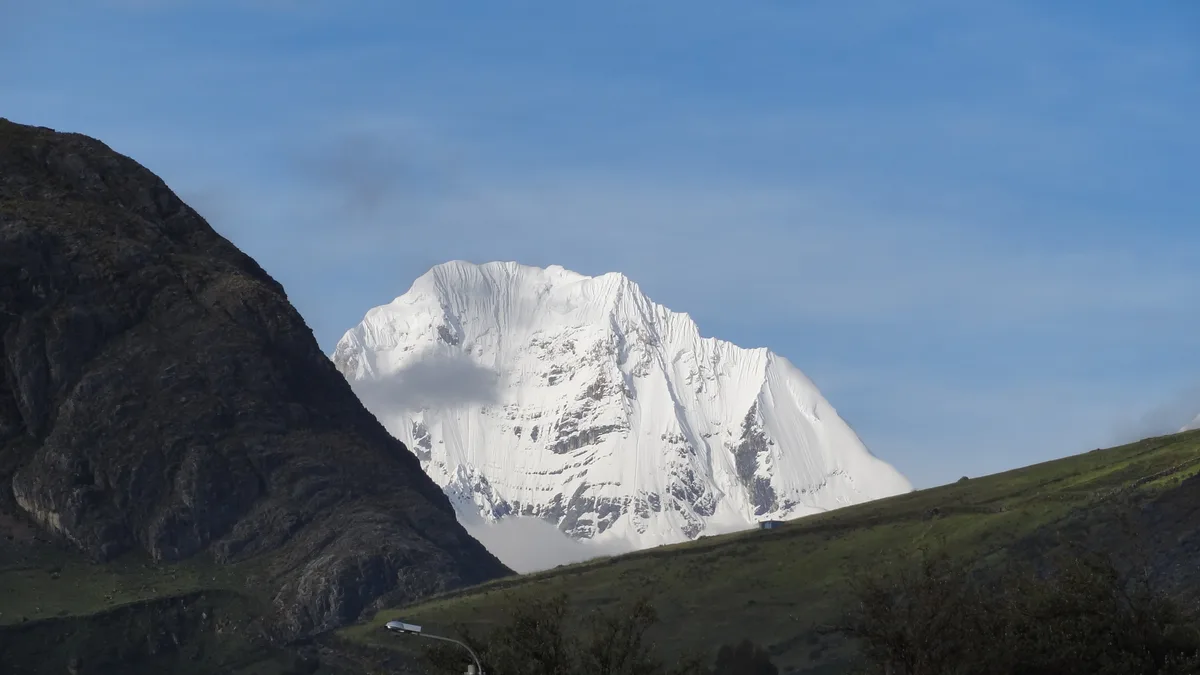
1936 Schneider-Awerzger Siula Grande Historic First Ascent Expedition
On July 28, 1936, Austrian alpine legends Erwin Schneider and Arnold Awerzger accomplished the historic first ascent of Siula Grande (6,344 m) in the Cordillera Huayhuash. Navigating intricate crevasse fields and knife-edge corniced ridges, Schneider and Awerzger achieved the first high-altitude triumph in this formidable and unexplored mountain range.
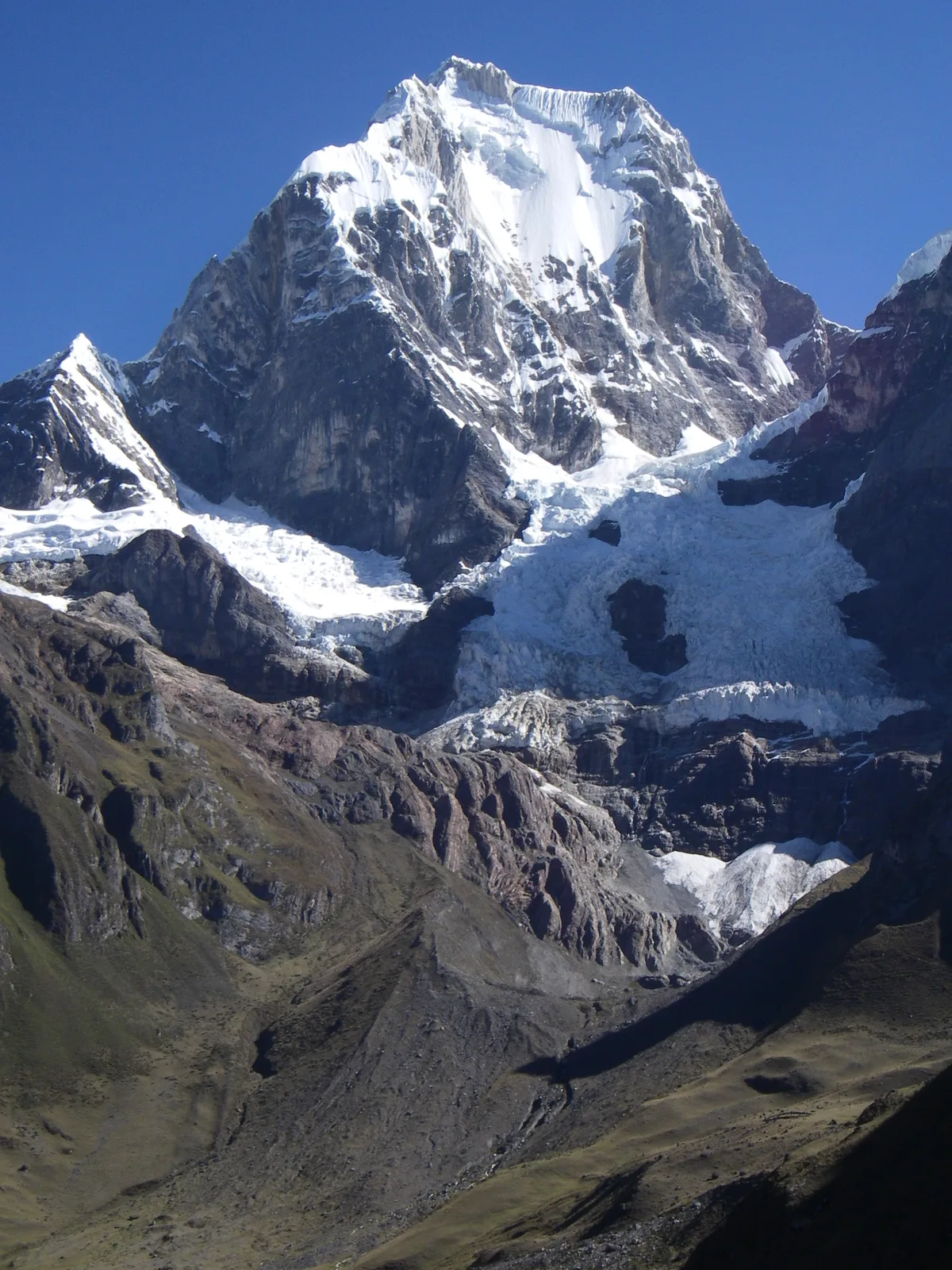
1950 Harvard Andean Yerupajá Historic First Ascent Expedition
On July 31, 1950, American climbers Jim Maxwell and Dave Harrah of the Harvard Andean Mountaineering Club achieved the historic first ascent of Yerupajá (6,635 m), the second-highest peak in Peru. Enduring extreme cornice balancing and an unplanned open bivouac at 6,500 metres that caused severe frostbite, their ascent was hailed as a milestone of post-war North American alpinism.
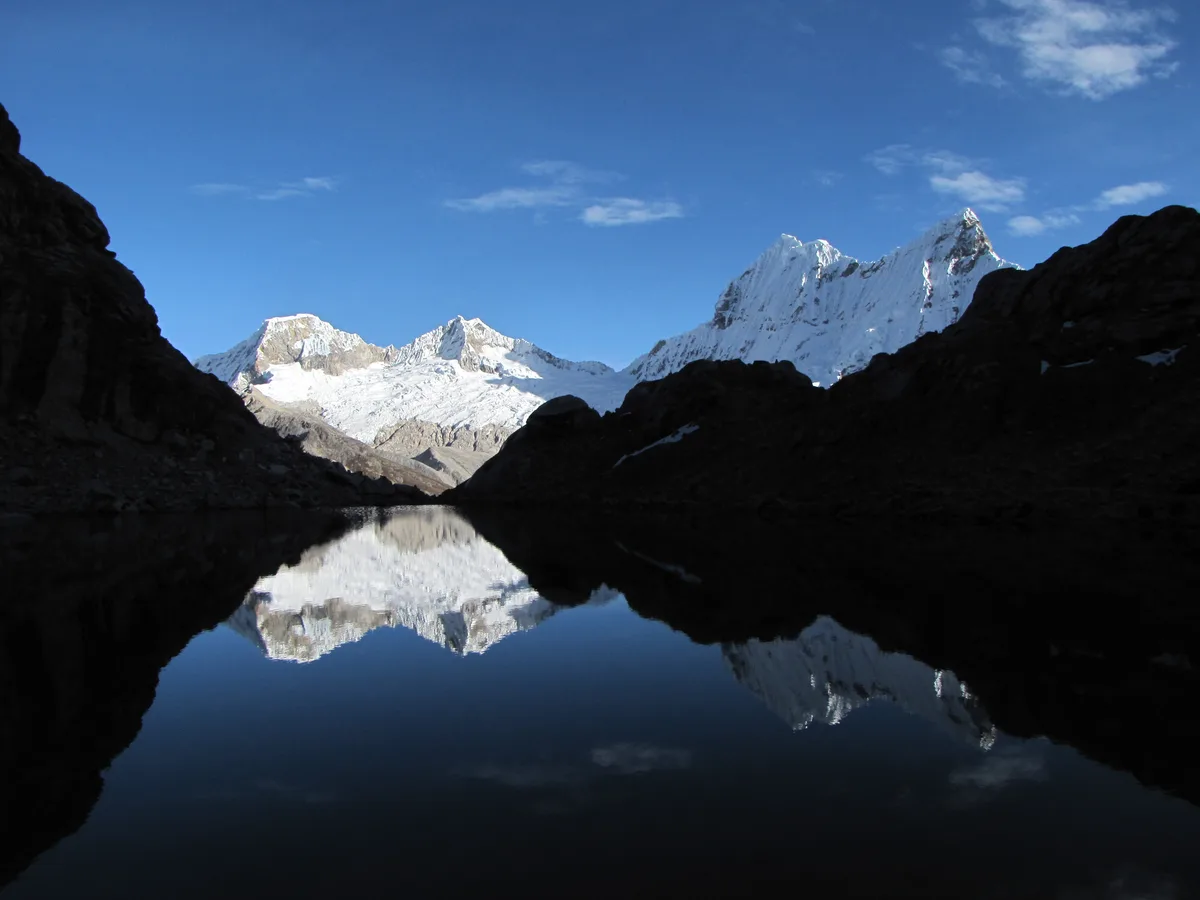
1951 Schneider Nevado Pisco Historic First Ascent Expedition
On July 12, 1951, veteran Austrian cartographer and climber Erwin Schneider led the historic first ascent of Nevado Pisco (5,752 m) alongside Claude Fabre and Fermo Marzari. Celebrating their achievement on the summit with Peru's national liquor, pisco, the team bequeathed the mountain its famous name while unlocking one of the Andes' most spectacular viewpoints.
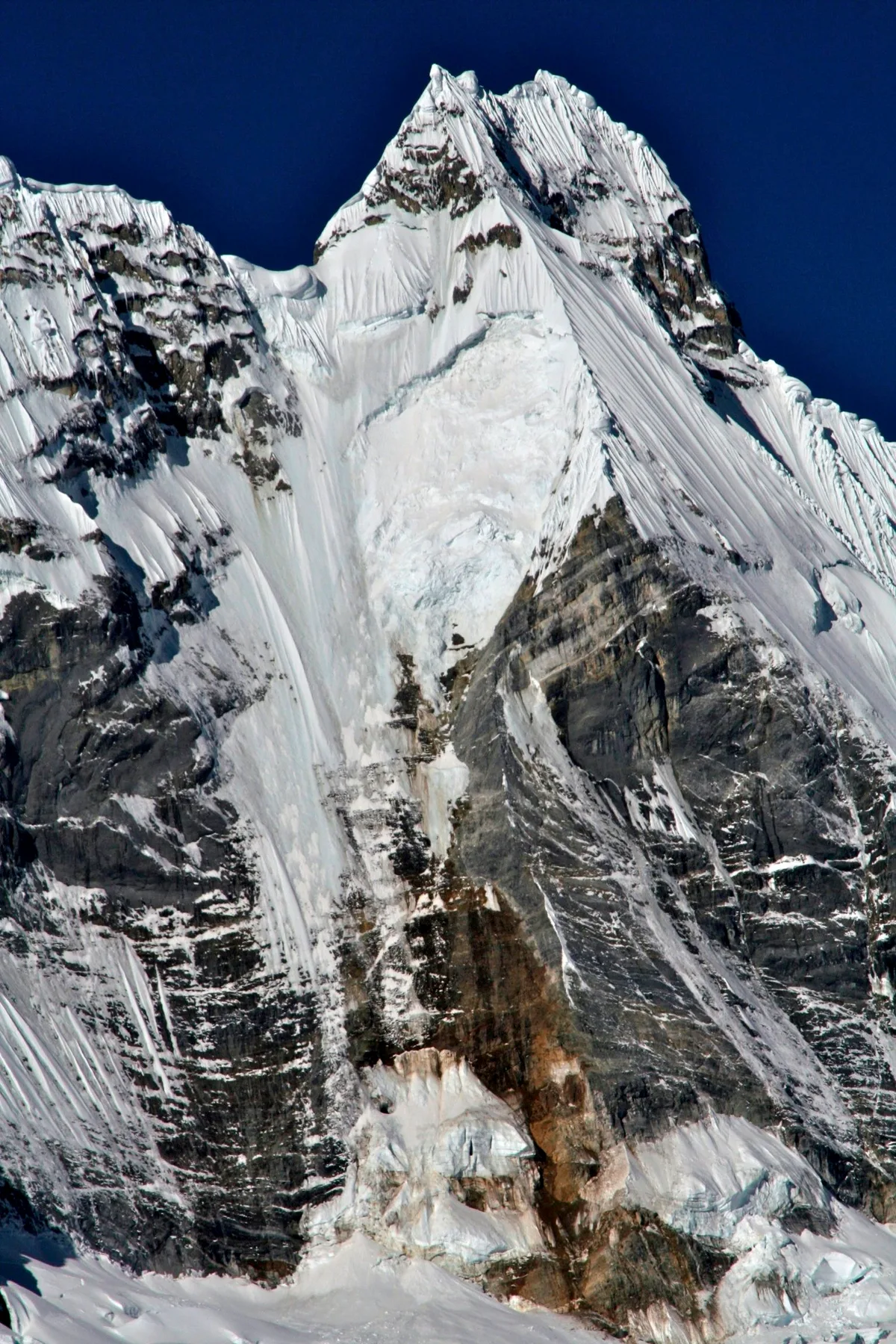
1957 Austrian Jirishanca Historic First Ascent Expedition
On July 12, 1957, Austrian climbing virtuosos Toni Egger and Siegfried Jungmeir accomplished the historic first ascent of Nevado Jirishanca (6,094 m) via its treacherous East Buttress. Tackling Grade VI rock pitches, 70-degree fluted tropical ice, and overhanging snow mushrooms, their triumph established a new pinnacle of technical difficulty in Andean mountaineering.
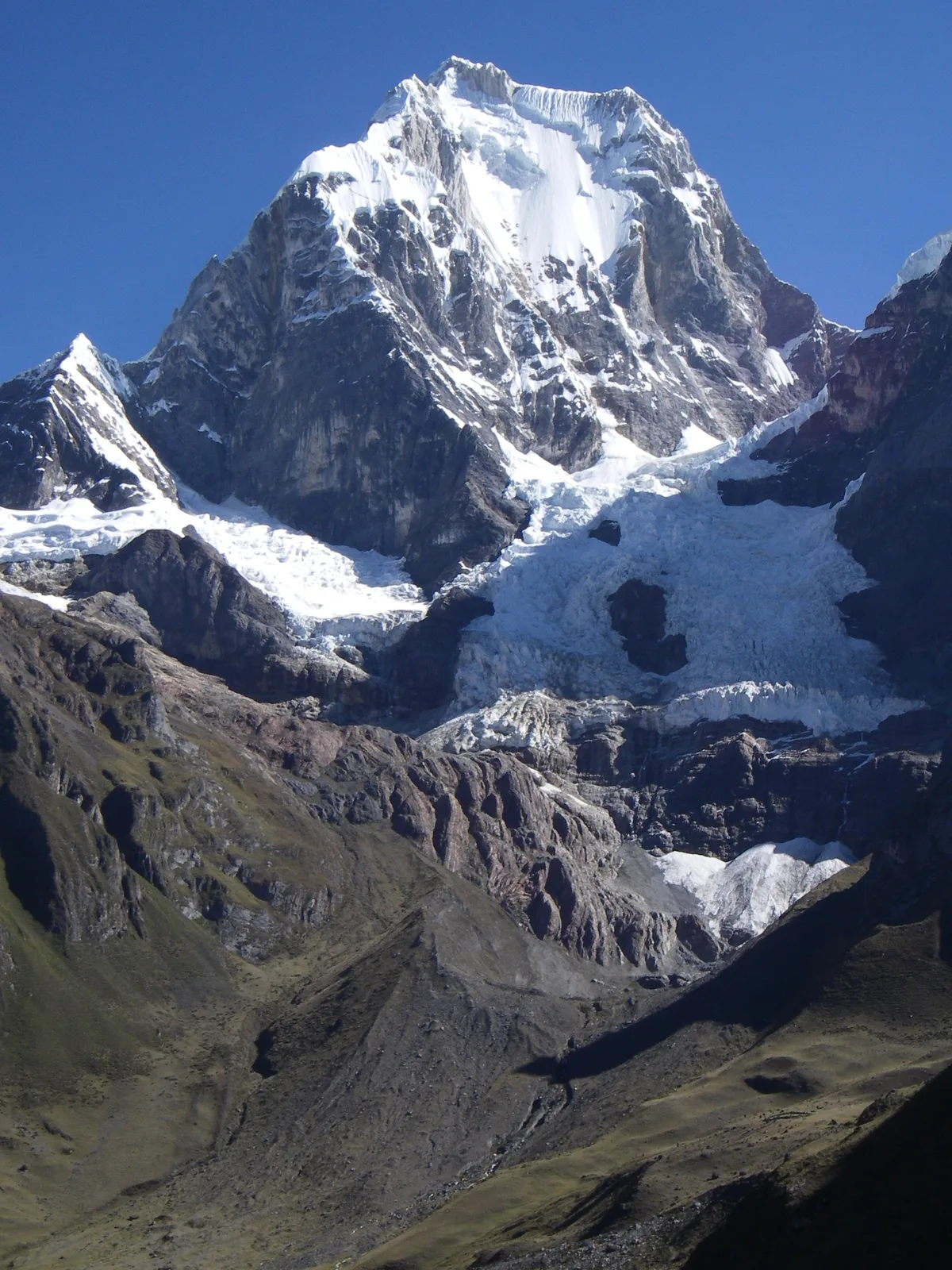
1968 Jones-Dix Yerupajá West Face Historic Direct Ascent
On July 27, 1968, British climber Chris Jones and American alpinist Paul Dix, supported by Dean Caldwell and Leif Patterson, completed the historic first ascent of the terrifying 1,200-metre West Face of Yerupajá (6,635 m). Braving relentless spindrift avalanches, vertical ice flutings, and hanging bivouacs, they unlocked the premier big-wall ice face of the Andes.
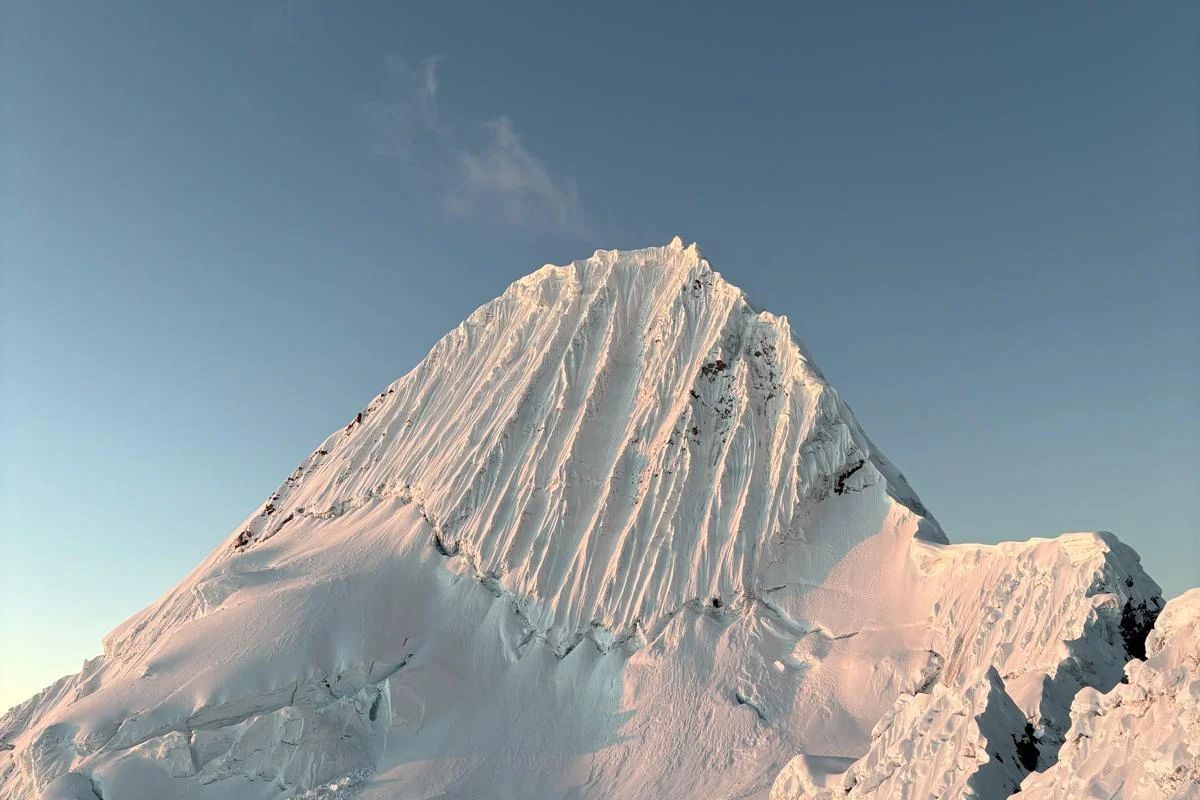
1975 First Ascent of the Southwest Face of Alpamayo (Ferrari Route)
On June 23, 1975, Casimiro Ferrari led an Italian expedition from the Ragni di Lecco to complete the first ascent of the steep, fluted Southwest Face of Alpamayo, establishing one of the most famous ice routes on Earth.
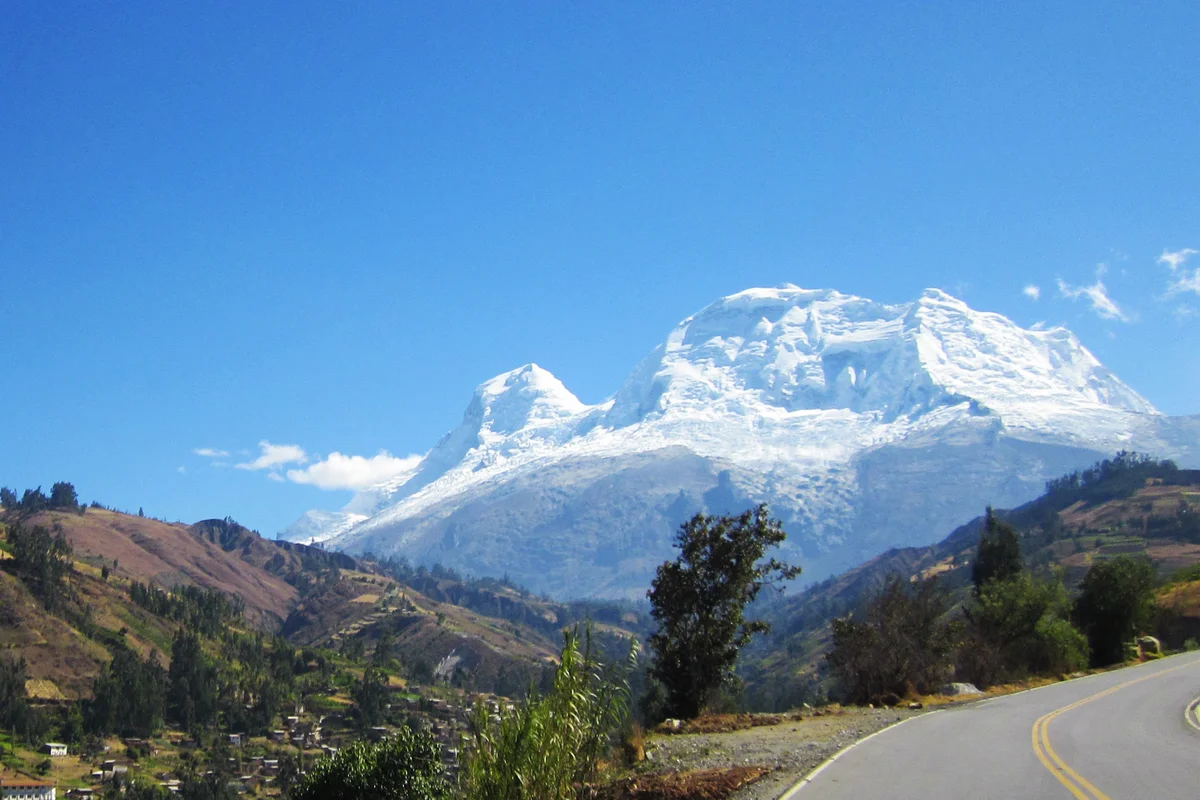
1977 Nicolas Jaeger Huascarán Sur Solo & 60-Day Scientific Survival Bivouac
In 1977 and 1978, French physician and extreme soloist Nicolas Jaeger pushed high-altitude human limits on Huascarán Sur, achieving a solo ascent and subsequently surviving sixty continuous days alone at 6,700 metres.
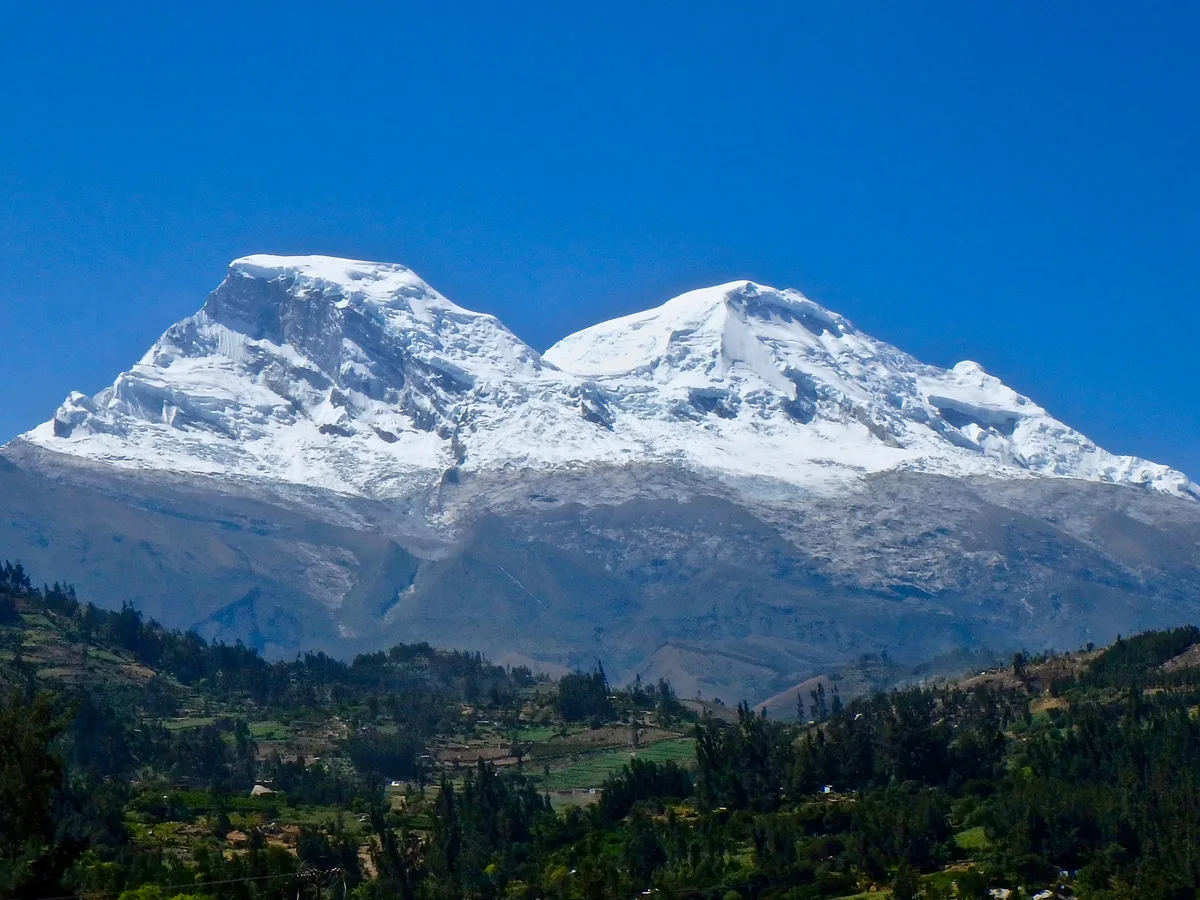
1979 Nicolas Jaeger 60-Day High-Altitude Solitary Survival on Huascarán
From July 27 to September 27, 1979, French physician and extreme solo alpinist Nicolas Jaeger lived alone for sixty consecutive days at 6,700 metres on the summit slopes of Huascarán Sur. Battling extreme hypoxia, sub-zero isolation, and violent Andean gales, Jaeger conducted groundbreaking physiological self-experimentation that redefined human acclimatization limits.
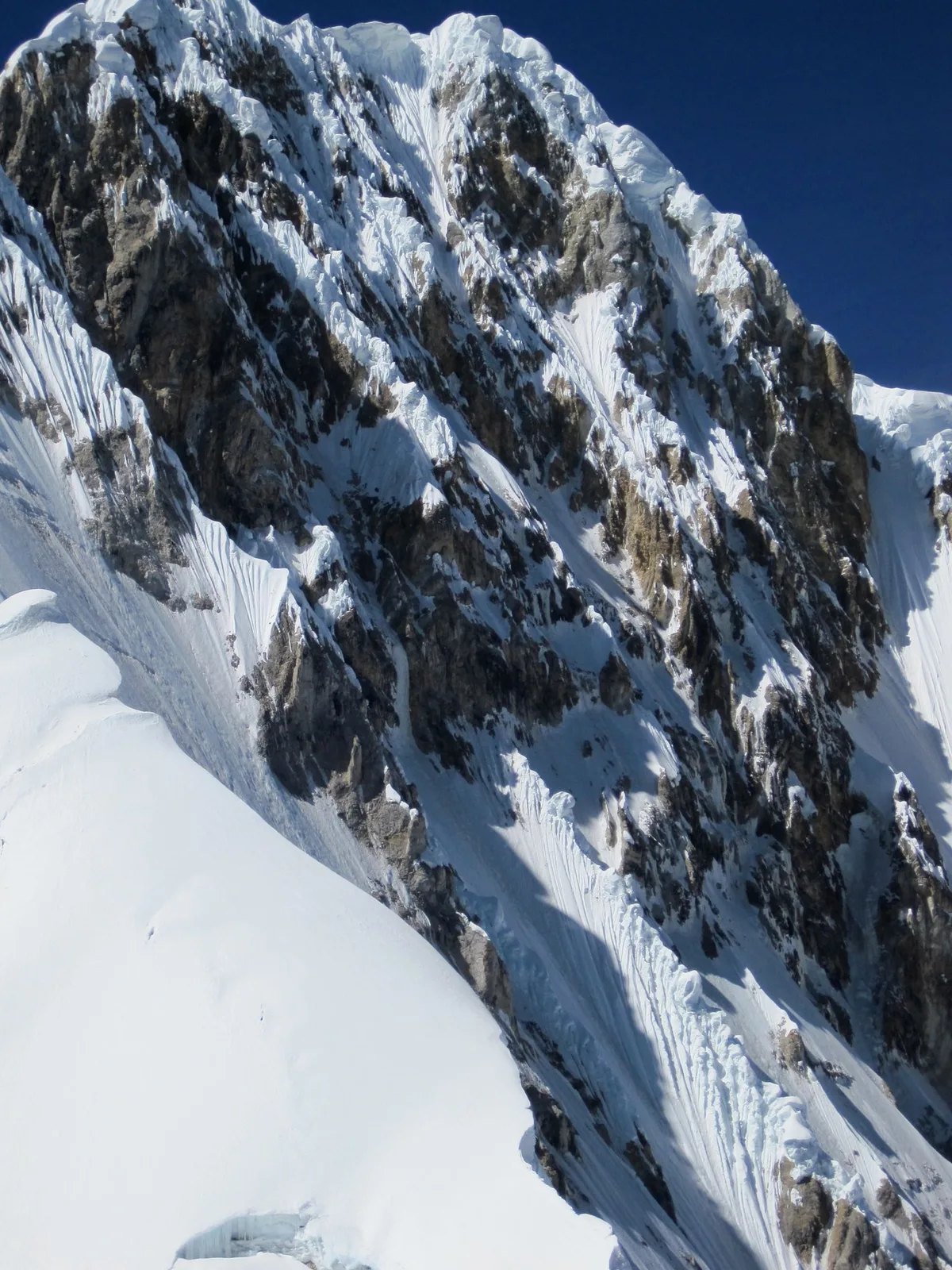
1985 Simpson-Yates Siula Grande West Face & Touching the Void Expedition
In June 1985, British alpinists Joe Simpson and Simon Yates completed the historic first ascent of the unclimbed 1,000-metre West Face of Siula Grande (6,344 m) in lightweight alpine style. The descent turned into mountaineering's most legendary survival drama when Simpson broke his leg, Yates was forced to cut the rope above a crevasse, and Simpson crawled for three days to safety.
Pioneer Mountaineers of Peru
Biographical chronicles of legendary high-altitude alpinists hailing from Peru.
César Morales Arnao
Born in Huaraz, Peru, beneath the towering glaciated ramparts of the Cordillera Blanca, César Morales Arnao grew up with an intimate reverence for the high Andes. In the mid-twentieth century, when Peruvian climbing was largely the preserve of visiting foreign expeditions, Morales Arnao dedicated himself to creating indigenous Peruvian mountaineering institutions. He was a foundational leader of the Club Andino Peruano and served for decades as the Director of Glaciology and Natural Hazards in Huaraz, conducting critical scientific surveys on tropical glacial retreat and glacial lake outburst flood hazards. Between the 1950s and 1980s, Morales Arnao organized and led numerous exploratory expeditions throughout the Cordillera Blanca, Cordillera Huayhuash, and Cordillera Raura, achieving first ascents of virgin peaks including Urus and Huamashraju. He was instrumental in establishing the Casa de Guías in Huaraz and training the first generation of certified Peruvian mountain guides (AGMP). Through his tireless advocacy, publications in international alpine journals, and cartographic documentation, Morales Arnao established Peru as a premier center of international high-altitude alpinism while championing the rights and recognition of native Andean mountain workers.
Archival Primary Source Quotations
“Great things are done when men and mountains meet; this is not done by jostling in the street.”
Defined Alpine Terminology & Concepts
- Archival Integrity
- The standard of verifying historical mountain facts, summit claims, and altitudes using primary expeditions journals and geodetic measurements.
Frequently Asked Questions: Peru Mountaineering
What historical significance does this countrie hold?
Peru represents an essential chapter in global mountaineering heritage, verified through contemporary expedition journals and archival sources.
How are the facts and records for Peru verified?
All records are checked against peer-reviewed journals, national alpine clubs, geodetic surveys, and the Mountanity Archival Integrity Policy.