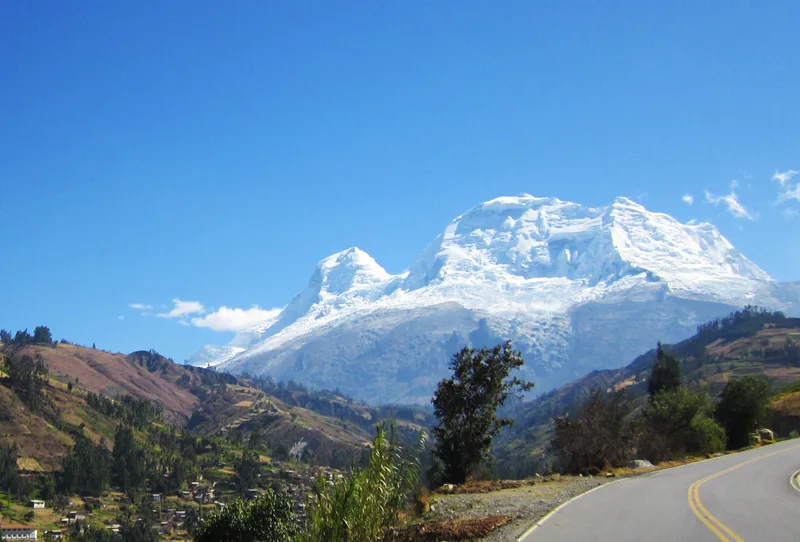
Wilhelm Bernard
Wilhelm Bernard was a skilled German alpine engineer, surveyor, and high-altitude climber who played a crucial role in the 1932 Cordillera Blanca expedition. On July 20, 1932, Bernard stood on the summit of Huascarán Sur at 6,768 metres as part of the first ascent team. His technical expertise in logistics, route engineering, and glacier safety enabled the expedition to conquer the highest summits in Peru.
Mountain Safety & Conditions Disclaimer: High-altitude climbing, glacial travel, and technical ascents entail severe objective risks including avalanches, serac collapses, rapid weather collapse, and altitude illness. Historical route descriptions and summit claims on Mountanity reflect documented archival sources and must not be used as live operational safety assessments. Local regulations, permits, and physical glacial topography change continuously.
Peer Review: Senior Editorial Board & Historical Reviewers • Editorial Standards
Biographical Record & Archival Chronicle
Born in Germany, Wilhelm Bernard trained as a mechanical engineer while developing an exceptional reputation for demanding ascents across the Eastern and Western Alps. A seasoned member of the German and Austrian Alpine Club (DÖAV), Bernard was selected by Philipp Borchers for the 1932 expedition to the Peruvian Andes specifically for his combined alpine stamina and technical engineering abilities. In Peru, Bernard took charge of establishing high camps, bridging complex crevasses, and securing logistical lines up the shattered western glacier of Nevado Huascarán. On July 20, 1932, after enduring freezing storms and thin air in the Garganta col, Bernard, together with Borchers, Erwin Schneider, Franz Schmid, and Hermann Hoerlin, reached the untouched 6,768-metre summit of Huascarán Sur, solving the greatest mountaineering challenge in South America. Bernard also contributed to surveying unexplored valleys in the Cordillera Blanca and testing early high-altitude camping technology. His pioneering work remains a testament to the methodical engineering spirit that opened the tropical Andes to modern alpinism.
Notable Milestones & Ascents
- First ascent of Huascarán Sur (6,768 m) on July 20, 1932, highest peak in Peru
- Engineered high camp logistics and crevasse crossings through the Huascarán icefall
- Pioneered early high-altitude camping systems and gear for tropical glaciated massifs
- Core climber of the landmark 1932 German-Austrian Cordillera Blanca expedition
Key Statistics & Topographic Figures
- Huascarán Sur Summit
- July 20, 1932 (First ascent, 6,768 m)
- Expedition Role
- Chief Alpine Engineer & Logistician
- Highest Elevation Reached
- 6,768 m (22,205 ft)
- Key Icefall Route
- Musho to Garganta western glacier route
Archival Primary Source Quotations
“Engineered safety in the icefall turns the impossible mountain into a series of solved equations.”
Defined Alpine Terminology & Concepts
- Garganta Saddle
- The high glaciated col at 6,000 metres that divides the north and south summits of Nevado Huascarán.
- Bergschrund Bridging
- The engineering technique of constructing or reinforcing snow and ladder crossings across deep marginal glacial crevasses.
Frequently Asked Questions: Wilhelm Bernard
Who was Wilhelm Bernard?
Wilhelm Bernard was a German alpine engineer and climber who was a core member of the 1932 DÖAV first ascent team of Huascarán Sur (6,768 m).
What technical role did Wilhelm Bernard play on Huascarán?
Bernard engineered the safe passage through the lower western icefalls, established fixed rope systems, and anchored high camps through the Garganta saddle.
When did Wilhelm Bernard reach the summit of Huascarán Sur?
On July 20, 1932, Bernard stood on the 6,768-metre summit of Huascarán Sur with Borchers, Schneider, Schmid, and Hoerlin.
What gear innovations did Bernard evaluate in the Andes?
Bernard tested advanced alpine camp gear, tent ventilation in extreme hypoxia, and lightweight crevasse-bridging equipment in the tropical Andes.
Associated Summits (1)
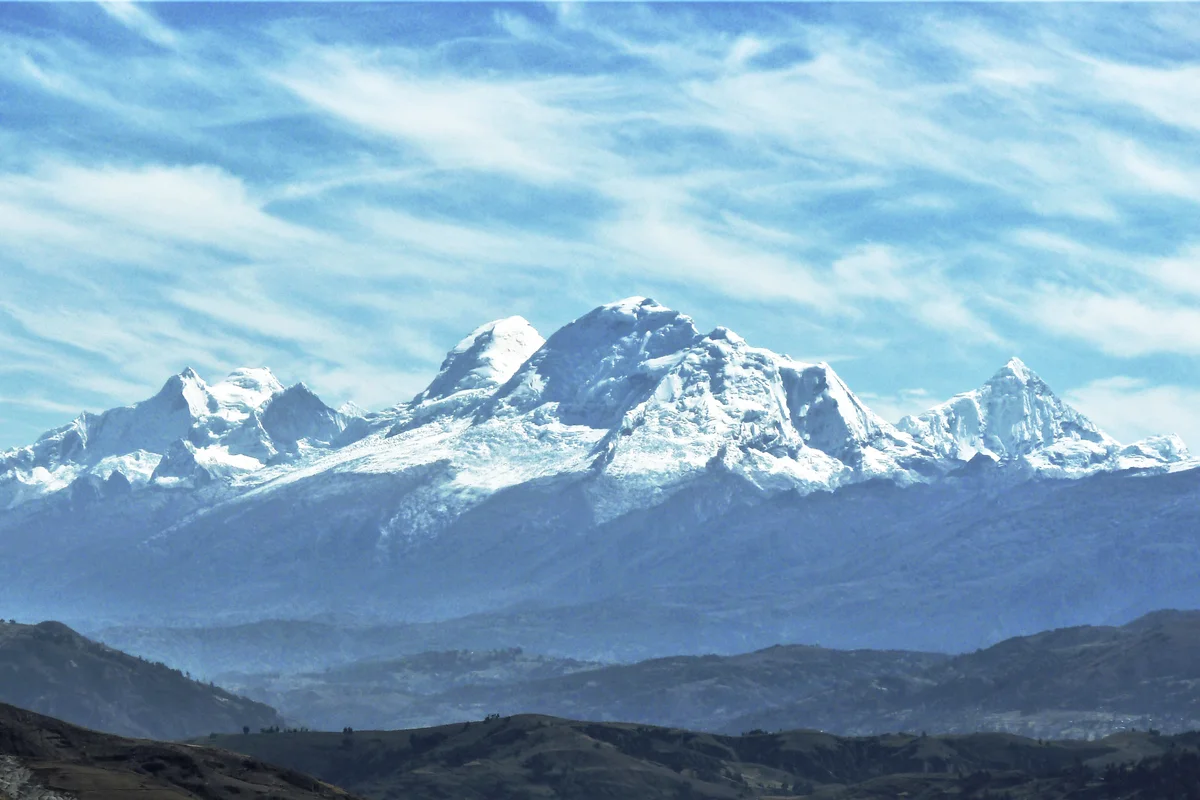

Huascarán
Huascarán is the highest mountain in Peru and the highest peak in the entire tropical zone of Earth, rising to 6,768 metres in the Cordillera Blanca. Its twin glaciated summits—Huascarán Sur (6,768 m) and Huascarán Norte (6,655 m)—tower over the Callejón de Huaylas with colossal icefalls and sheer vertical walls.
Pioneered & Associated Routes (1)
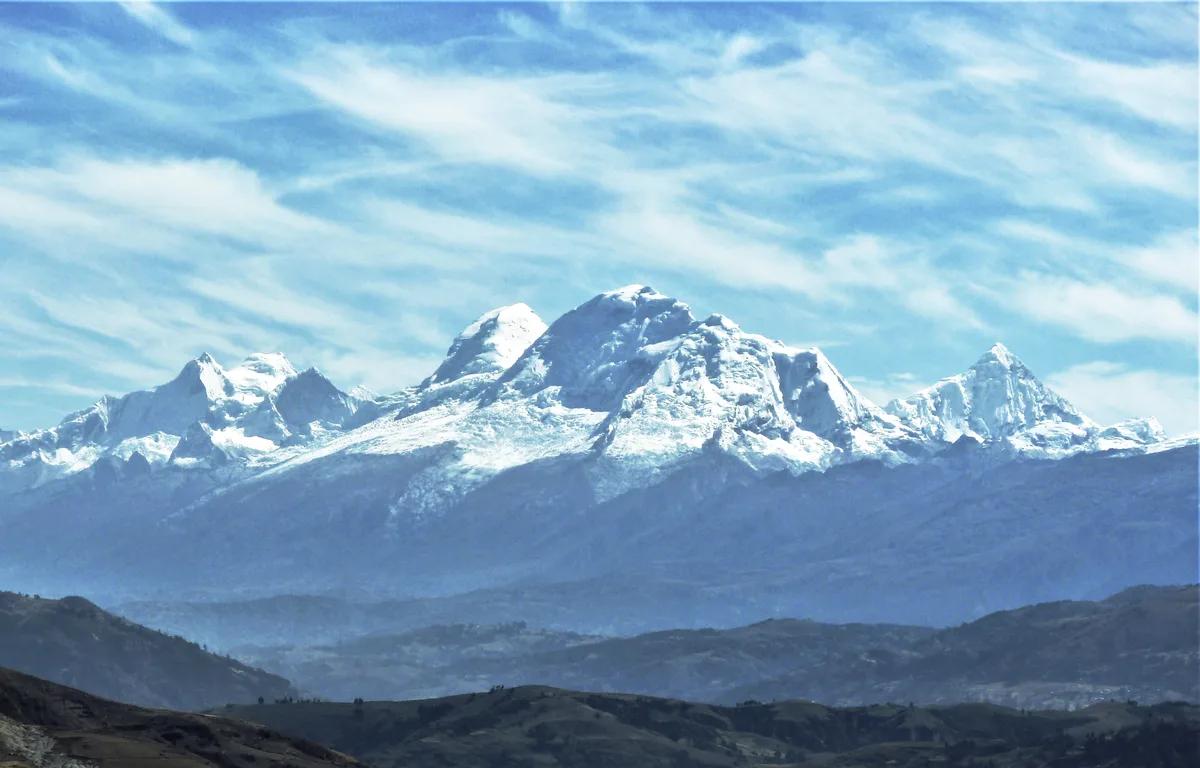
Huascarán Garganta Normal Route
The Huascarán Normal Route via the Garganta is the classic high-altitude line ascending Peru's highest peak in the Cordillera Blanca. Pioneered in July 1932 by the German-Austrian expedition led by Philipp Borchers and Erwin Schneider, the route traverses the fractured glacier of the western flank to the 6,000-metre saddle between the twin summits. It demands rigorous acclimatization, crevasse rescue skills, and vigilance against objective avalanche and serac hazards.
Documented Expeditions (1)
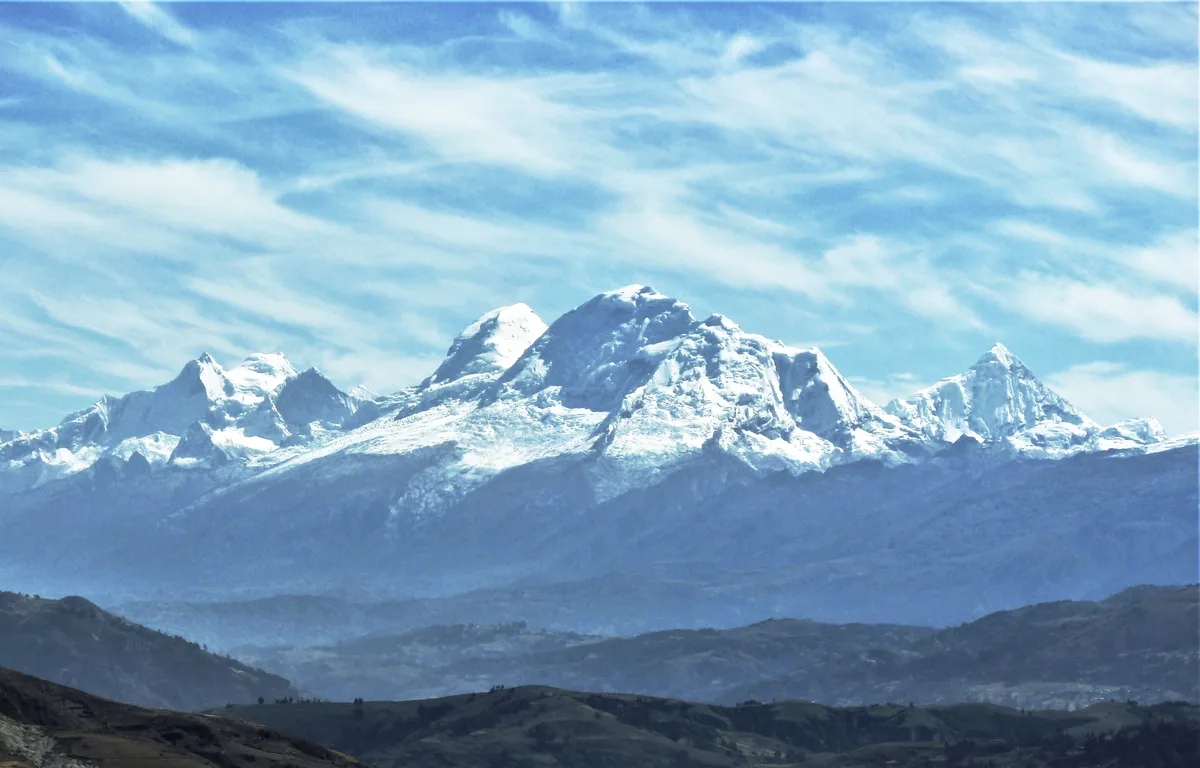
1932 German-Austrian Huascarán Sur Historic First Ascent Expedition
On July 20, 1932, the German-Austrian Alpine Club expedition led by Philipp Borchers and Erwin Schneider achieved the historic first ascent of Huascarán Sur (6,768 m), the highest peak in Peru. Navigating the treacherous Garganta col and western icefall, Borchers, Schneider, Wilhelm Bernard, Franz Schmid, and Hermann Hoerlin solved the supreme high-altitude challenge of the tropical Andes.
Associated Chronicles & Stories (1)
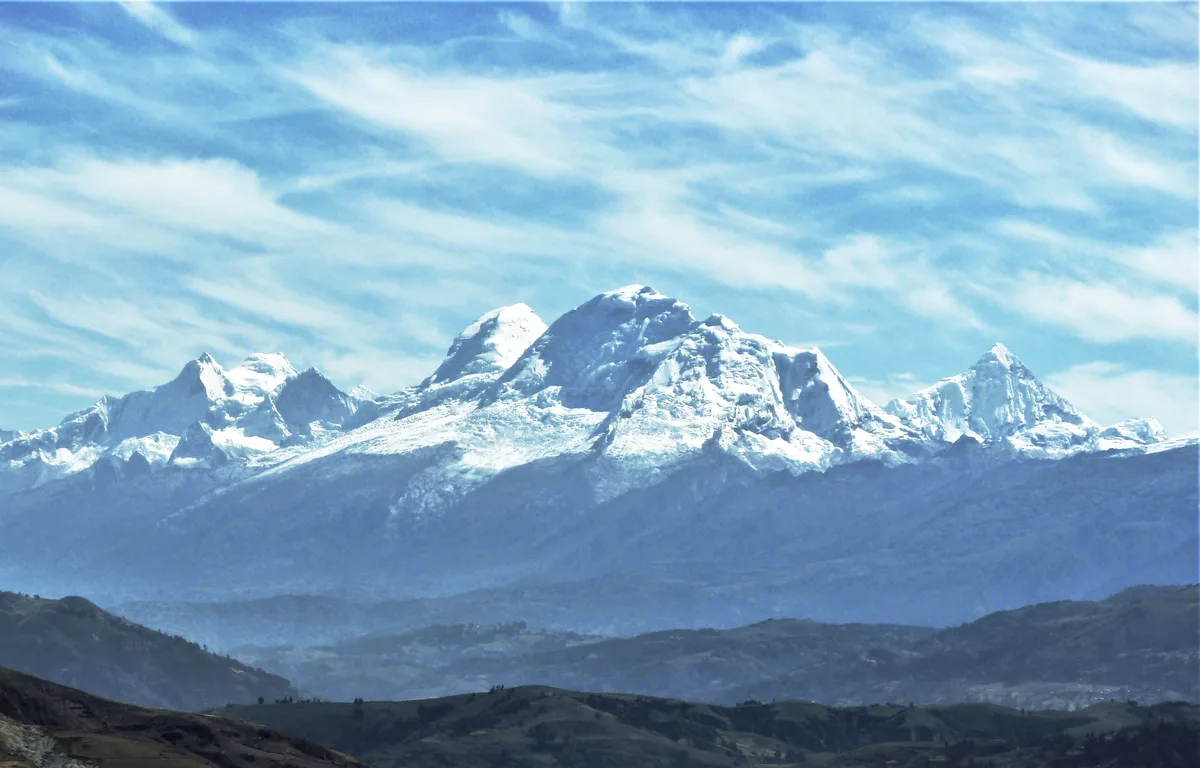
Taming the White Cordillera: The 1932 First Ascent of Huascarán Sur
On July 20, 1932, a powerhouse German-Austrian team led by Philipp Borchers and Erwin Schneider surmounted the harrowing icefalls of the Garganta to achieve the first ascent of Huascarán Sur (6,768 m).
Documented Sources & Archival Citations
- Die Weiße Kordillere(Philipp Borchers / Verlag F. Bruckmann)
Supporting claim: Official record of Wilhelm Bernard's summit ascent and engineering leadership on Huascarán
Accessed/Documented: 2026 - American Alpine Journal: The German-Austrian Expedition to the Cordillera Blanca (1933)(American Alpine Club)
Supporting claim: Contemporary report and summary of team member achievements in the Peruvian Andes
Accessed/Documented: 2026