1932 German-Austrian Huascarán Sur Historic First Ascent Expedition
On July 20, 1932, the German-Austrian Alpine Club expedition led by Philipp Borchers and Erwin Schneider achieved the historic first ascent of Huascarán Sur (6,768 m), the highest peak in Peru. Navigating the treacherous Garganta col and western icefall, Borchers, Schneider, Wilhelm Bernard, Franz Schmid, and Hermann Hoerlin solved the supreme high-altitude challenge of the tropical Andes.
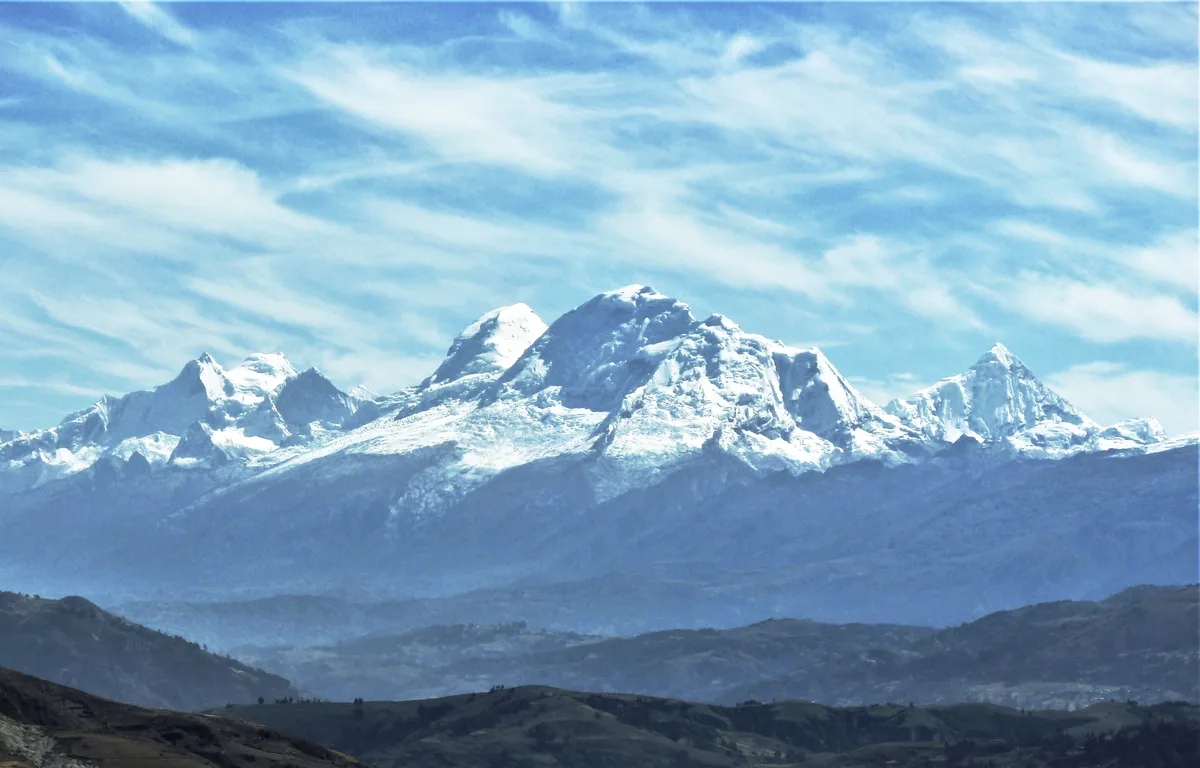
Mountain Safety & Conditions Disclaimer: High-altitude climbing, glacial travel, and technical ascents entail severe objective risks including avalanches, serac collapses, rapid weather collapse, and altitude illness. Historical route descriptions and summit claims on Mountanity reflect documented archival sources and must not be used as live operational safety assessments. Local regulations, permits, and physical glacial topography change continuously.
Peer Review: Senior Editorial Board & Historical Reviewers • Editorial Standards
Official Expedition Narrative & Archival Record
In the austral winter of 1932, the German and Austrian Alpine Club (DÖAV) launched a comprehensive scientific and mountaineering expedition to Peru's Cordillera Blanca under the command of Dr. Philipp Borchers. Assembling an extraordinary elite team—including Himalayan veteran Erwin Schneider, alpine engineer Wilhelm Bernard, physicist Hermann Hoerlin, cartographer Erwin Hein, and Matterhorn North Face victor Franz Schmid—the expedition established its primary assault base above Musho. Over three weeks of rigorous route preparation, Schneider and Bernard engineered a viable route up the tumbling seracs and crevassed ramps of the western glacier, establishing Camp 1 at 5,300 metres and Camp 2 inside the windswept Garganta saddle at 6,000 metres between the twin summits. On July 20, 1932, despite gale-force winds and debilitating thin air, all five summit climbers—Borchers, Schneider, Bernard, Schmid, and Hoerlin—navigated steep 50-degree ice slopes and a gaping bergschrund to stand atop Huascarán Sur at 6,768 metres. The triumph solved the greatest geographic and mountaineering challenge in Peru, establishing the standard route and heralding a golden age of scientific exploration across the Cordillera Blanca.
Documented Team Composition
- Philipp Borchers (Expedition Leader & Alpinist, Germany)
- Erwin Schneider (Lead Climber & Topographer, Austria)
- Wilhelm Bernard (Alpine Engineer & Climber, Germany)
- Franz Schmid (Climber, Germany)
- Hermann Hoerlin (Physicist & Climber, Germany)
- Erwin Hein (Cartographer & Engineer, Austria)
Key Statistics & Topographic Figures
- Summit Date
- July 20, 1932 (First ascent of Huascarán Sur)
- Summit Elevation
- 6,768 m (22,205 ft) - Peru High Point
- Expedition Leader
- Dr. Philipp Borchers (Germany)
- Lead Technical Climber
- Erwin Schneider (Austria)
- Summit Team Size
- 5 climbers (Borchers, Schneider, Bernard, Schmid, Hoerlin)
Archival Primary Source Quotations
“On July 20, 1932, at 1:30 in the afternoon, the highest point of Peru was conquered by five companions united in alpine brotherhood.”
Defined Alpine Terminology & Concepts
- DÖAV Himalayan & Andean Tradition
- The interwar tradition of large-scale scientific and exploration expeditions dispatched by the German and Austrian Alpine Club to unmapped world ranges.
- The Garganta Col Bivouac
- The high camp established at 6,000 metres beneath hurricane-force winds that enabled the final 768-metre summit push.
Frequently Asked Questions: 1932 German-Austrian Huascarán Sur Historic First Ascent Expedition
What was the 1932 DÖAV Huascarán Expedition?
It was the comprehensive German-Austrian Alpine Club expedition led by Philipp Borchers that achieved the first ascent of Huascarán Sur (6,768 m) on July 20, 1932.
Who were the climbers who reached the summit of Huascarán Sur?
All five assault climbers reached the summit: Philipp Borchers, Erwin Schneider, Wilhelm Bernard, Franz Schmid, and Hermann Hoerlin.
What route did the 1932 team establish?
They established the Garganta Normal Route, pioneering passage through the western icefalls and establishing Camp 2 in the 6,000-metre saddle.
What scientific contributions did the 1932 expedition make?
Erwin Schneider and Erwin Hein produced the first precision photogrammetric maps of the range, while Hermann Hoerlin conducted atmospheric radiation experiments.
Why was this ascent a turning point for Andean mountaineering?
It proved that systematic Alpine Club siege tactics, combined with advanced icecraft, could conquer the grandest glaciated massifs of South America.
Ascent Route & Topography
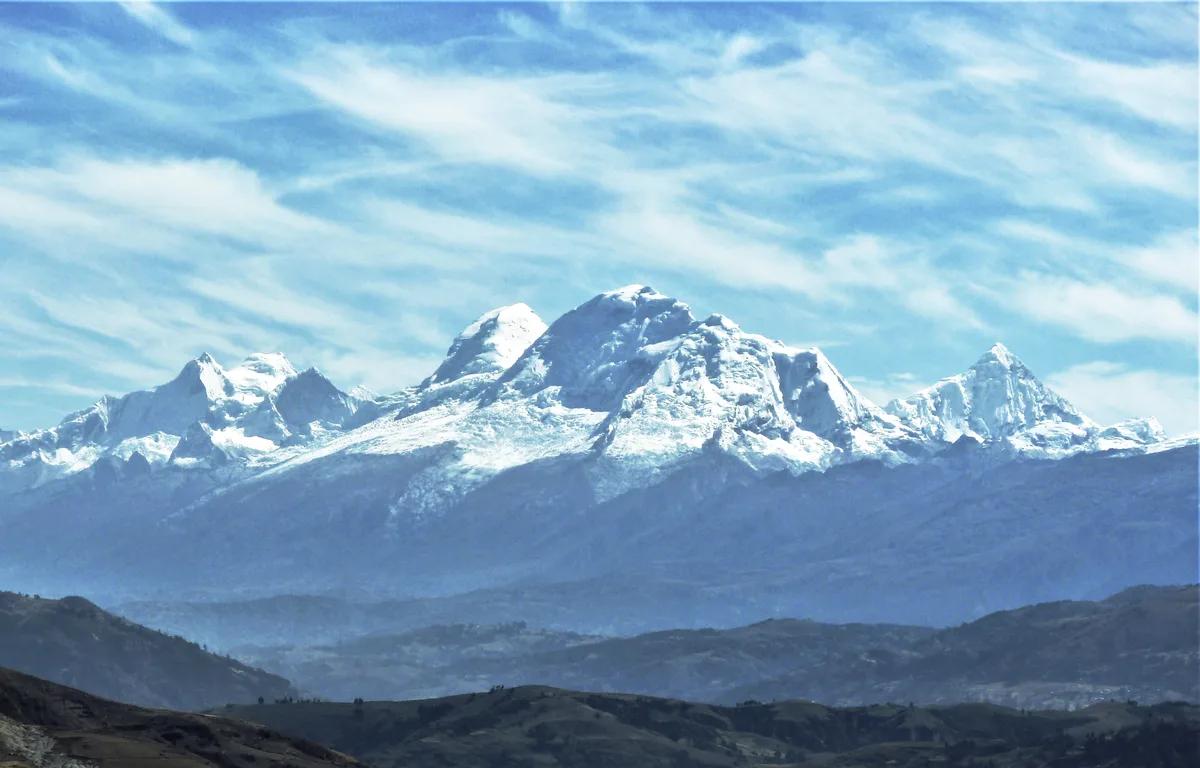
Huascarán Garganta Normal Route
The Huascarán Normal Route via the Garganta is the classic high-altitude line ascending Peru's highest peak in the Cordillera Blanca. Pioneered in July 1932 by the German-Austrian expedition led by Philipp Borchers and Erwin Schneider, the route traverses the fractured glacier of the western flank to the 6,000-metre saddle between the twin summits. It demands rigorous acclimatization, crevasse rescue skills, and vigilance against objective avalanche and serac hazards.
Target Objective Peak
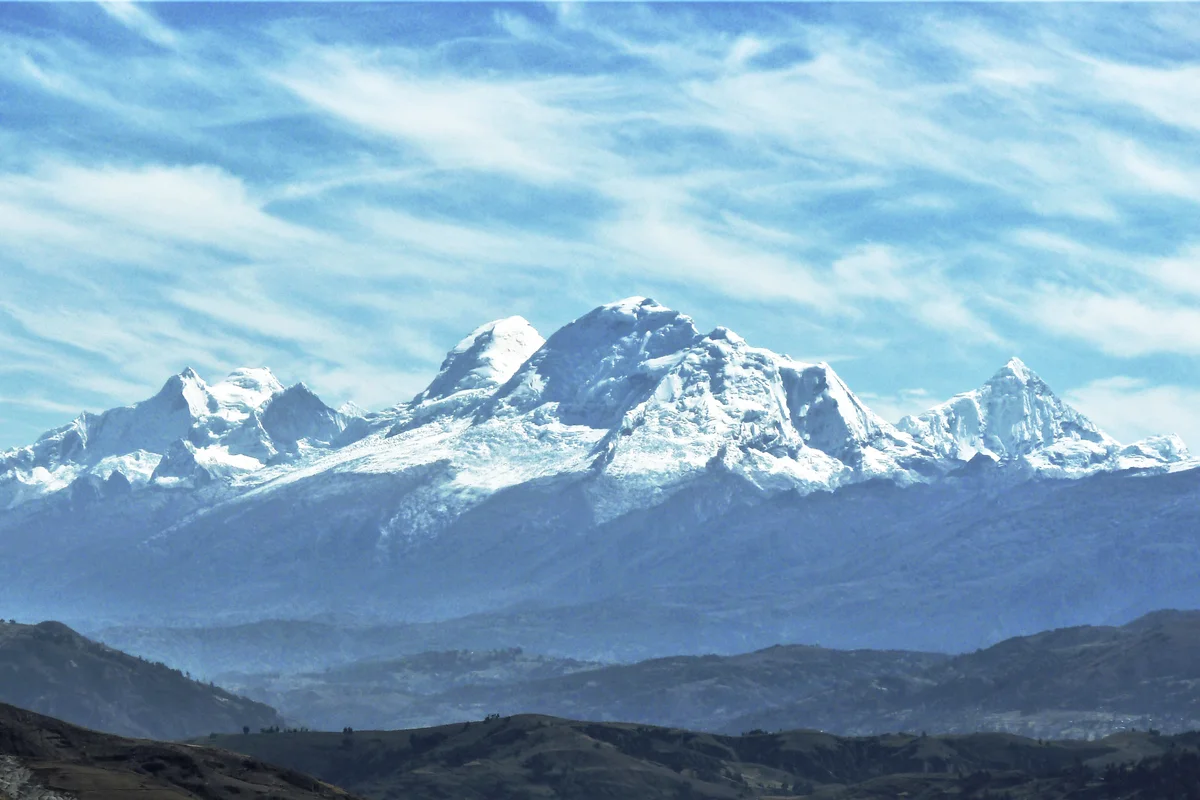

Huascarán
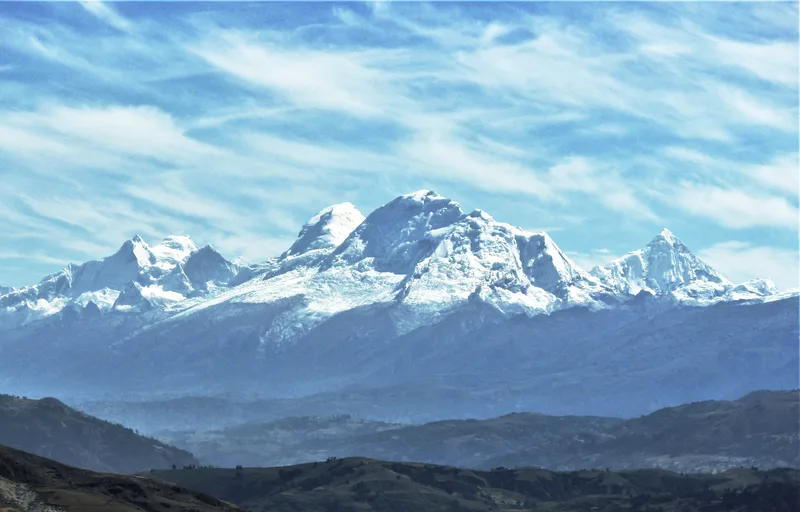
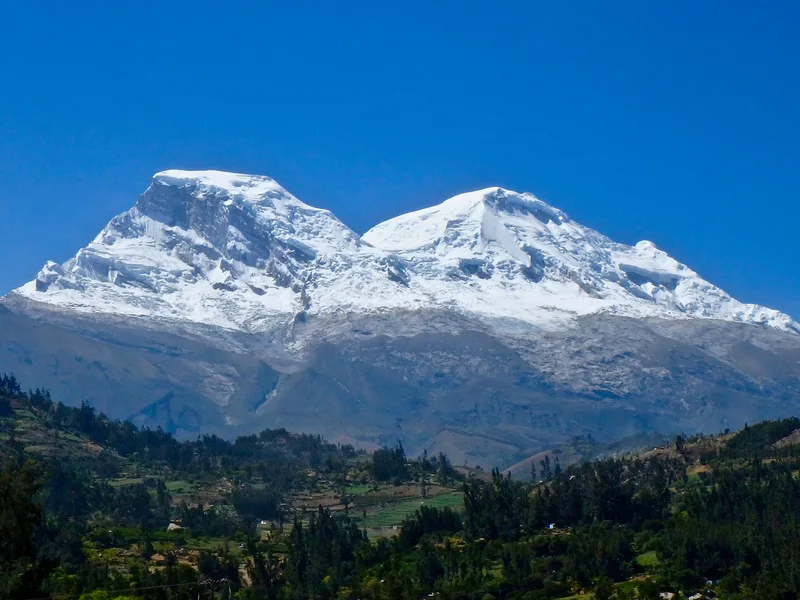
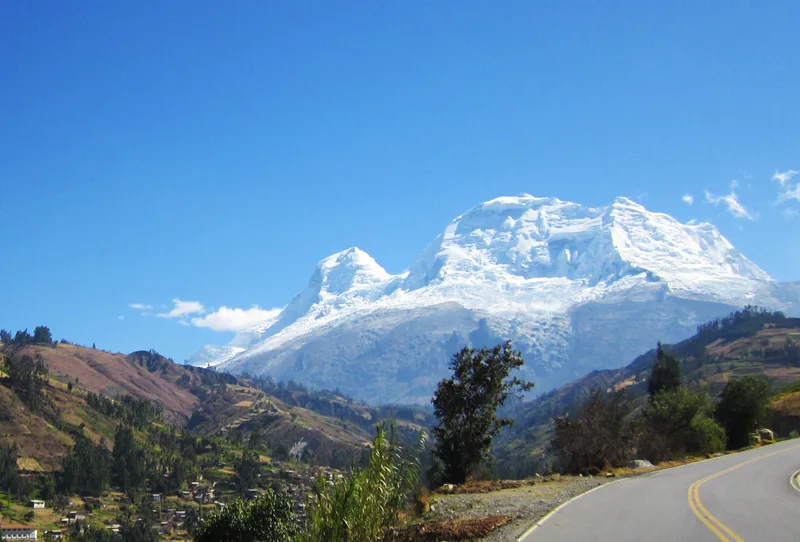
Huascarán is the highest mountain in Peru and the highest peak in the entire tropical zone of Earth, rising to 6,768 metres in the Cordillera Blanca. Its twin glaciated summits—Huascarán Sur (6,768 m) and Huascarán Norte (6,655 m)—tower over the Callejón de Huaylas with colossal icefalls and sheer vertical walls.
Featured Expedition Climbers
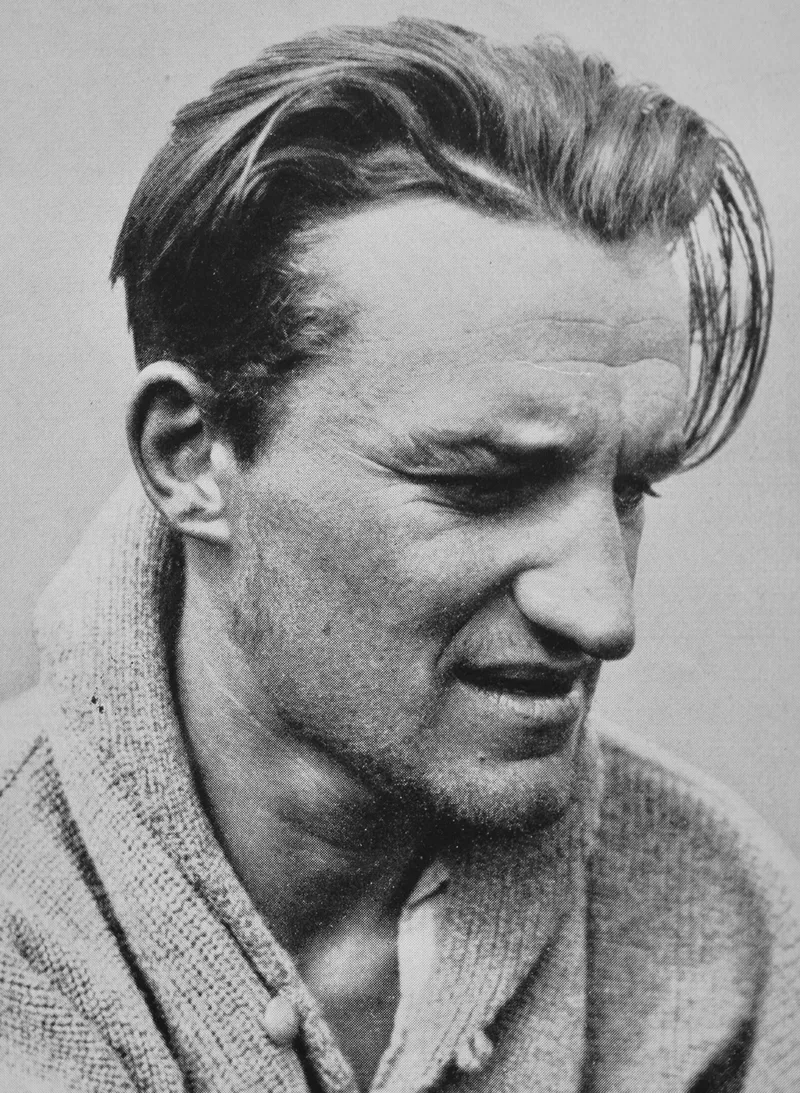
Erwin Schneider
Born in Sankt Joachimsthal on April 13, 1906, Erwin Schneider became one of the most prolific high-altitude mountaineers of the twentieth century. In 1928, as a member of the German-Soviet Alay-Pamir Expedition, Schneider summited Lenin Peak (7,134 m) alongside Karl Wien and Eugen Allwein. In 1930, during the International Himalaya Expedition to Kangchenjunga, Schneider summited Jongsong Peak (7,462 m), setting an undisputed world altitude summit record that stood for years. Schneider's greatest lasting legacy lies in high-altitude photogrammetry and mountain cartography. Between 1955 and 1963, Schneider led the Austrian Alpine Club mapping expeditions that created the legendary 'Schneider Map of the Khumbu Himal and Mount Everest', widely regarded by geographers and mountaineers as a masterpiece of cartographic precision.
Hermann Hoerlin
Born on December 21, 1903, in Bad Nauheim, Germany, Hermann Hoerlin studied physics at the Technical University of Stuttgart, combining a brilliant scientific intellect with elite alpine climbing skills. In 1930, Hoerlin took part in the International Himalayan Expedition to Kangchenjunga and Sikkim led by Günter Oskar Dyhrenfurth, carrying out early cosmic ray experiments and summiting high peaks alongside Erwin Schneider. In 1932, Hoerlin joined Philipp Borchers' expedition to the Cordillera Blanca of Peru. Proving exceptional stamina at extreme altitude, Hoerlin reached the summit of Huascarán Sur (6,768 m) on July 20, 1932, and two weeks later made the first ascent of Chopicalqui (6,354 m) with Schneider and Borchers. Hoerlin also recorded critical photometric and cosmic radiation measurements on the glaciers of Peru. In 1938, having married Kate Schmid (the widow of a Jewish doctor), Hoerlin fled Nazi Germany and emigrated to the United States. He became the director of physics research at Ansco and later a leading group leader at the Los Alamos National Laboratory, specializing in nuclear physics, upper-atmosphere physics, and radiation monitoring. Hoerlin passed away in Santa Fe, New Mexico, in 1983, celebrated for bridging the worlds of elite mountaineering and frontier atomic science.
Philipp Borchers
Born on November 7, 1887, in Hannover, Germany, Philipp Borchers was an accomplished alpinist, lawyer, and high-ranking official within the German and Austrian Alpine Club (DÖAV). During the 1920s and 1930s, Borchers became the chief visionary for modern scientific mountaineering beyond Europe. In 1932, he organized and commanded the landmark DÖAV expedition to Peru's uncharted Cordillera Blanca, assembling a world-class team of alpinists and scientists including topographer Erwin Schneider, engineer Wilhelm Bernard, physicist Hermann Hoerlin, cartographer Erwin Hein, and Matterhorn north face conqueror Franz Schmid. Establishing base camps in the Callejón de Huaylas, Borchers directed a methodical campaign that unlocked the glaciated giants of the tropical Andes. On July 20, 1932, Borchers, Schneider, Bernard, Schmid, and Hoerlin made the historic first ascent of Huascarán Sur (6,768 m) via the Garganta route. Weeks later, Borchers reached the virgin summit of Chopicalqui (6,354 m) with Schneider and Hoerlin. Borchers chronicled these epic successes in his classic 1935 book Die Weiße Kordillere, creating the foundation for twentieth-century Andean mountaineering before his death in 1949.
Wilhelm Bernard
Born in Germany, Wilhelm Bernard trained as a mechanical engineer while developing an exceptional reputation for demanding ascents across the Eastern and Western Alps. A seasoned member of the German and Austrian Alpine Club (DÖAV), Bernard was selected by Philipp Borchers for the 1932 expedition to the Peruvian Andes specifically for his combined alpine stamina and technical engineering abilities. In Peru, Bernard took charge of establishing high camps, bridging complex crevasses, and securing logistical lines up the shattered western glacier of Nevado Huascarán. On July 20, 1932, after enduring freezing storms and thin air in the Garganta col, Bernard, together with Borchers, Erwin Schneider, Franz Schmid, and Hermann Hoerlin, reached the untouched 6,768-metre summit of Huascarán Sur, solving the greatest mountaineering challenge in South America. Bernard also contributed to surveying unexplored valleys in the Cordillera Blanca and testing early high-altitude camping technology. His pioneering work remains a testament to the methodical engineering spirit that opened the tropical Andes to modern alpinism.
Associated Historical Chronicles & Stories
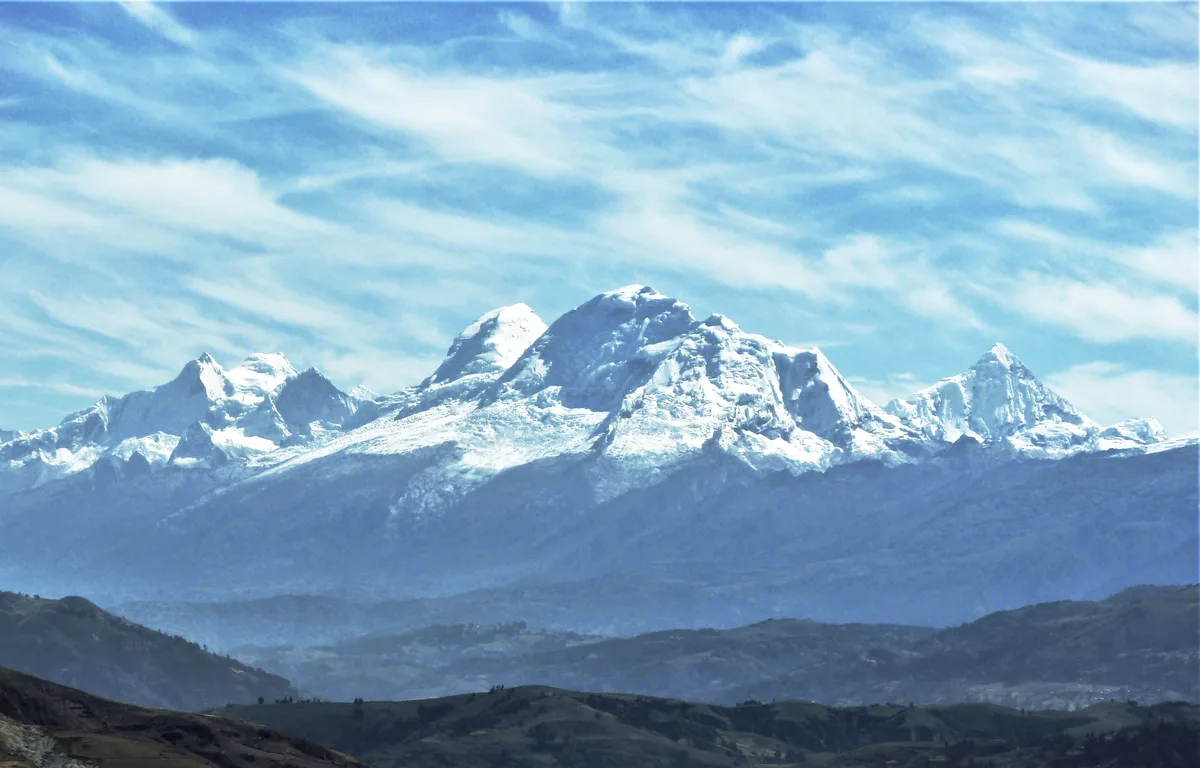
Taming the White Cordillera: The 1932 First Ascent of Huascarán Sur
On July 20, 1932, a powerhouse German-Austrian team led by Philipp Borchers and Erwin Schneider surmounted the harrowing icefalls of the Garganta to achieve the first ascent of Huascarán Sur (6,768 m).
Documented Sources & Archival Citations
- Die Weiße Kordillere(Philipp Borchers / Verlag F. Bruckmann)
Supporting claim: Official expedition book and firsthand account of the 1932 Huascarán Sur first ascent
Accessed/Documented: 2026 - American Alpine Journal: The German-Austrian Andean Expedition(American Alpine Club)
Supporting claim: Contemporary technical review of the 1932 Cordillera Blanca ascents and survey
Accessed/Documented: 2026