Philipp Borchers
Philipp Borchers was a distinguished German mountaineer, expedition organizer, and alpine leader who spearheaded the 1932 German-Austrian Cordillera Blanca expedition. Under his guidance, the team achieved the landmark first ascent of Peru's highest peak, Huascarán Sur at 6,768 metres, alongside the first ascent of Chopicalqui. His expedition revolutionized Andean exploration through precise cartography, scientific fieldwork, and bold alpine sieges.
Mountain Safety & Conditions Disclaimer: High-altitude climbing, glacial travel, and technical ascents entail severe objective risks including avalanches, serac collapses, rapid weather collapse, and altitude illness. Historical route descriptions and summit claims on Mountanity reflect documented archival sources and must not be used as live operational safety assessments. Local regulations, permits, and physical glacial topography change continuously.
Peer Review: Senior Editorial Board & Historical Reviewers • Editorial Standards
Biographical Record & Archival Chronicle
Born on November 7, 1887, in Hannover, Germany, Philipp Borchers was an accomplished alpinist, lawyer, and high-ranking official within the German and Austrian Alpine Club (DÖAV). During the 1920s and 1930s, Borchers became the chief visionary for modern scientific mountaineering beyond Europe. In 1932, he organized and commanded the landmark DÖAV expedition to Peru's uncharted Cordillera Blanca, assembling a world-class team of alpinists and scientists including topographer Erwin Schneider, engineer Wilhelm Bernard, physicist Hermann Hoerlin, cartographer Erwin Hein, and Matterhorn north face conqueror Franz Schmid. Establishing base camps in the Callejón de Huaylas, Borchers directed a methodical campaign that unlocked the glaciated giants of the tropical Andes. On July 20, 1932, Borchers, Schneider, Bernard, Schmid, and Hoerlin made the historic first ascent of Huascarán Sur (6,768 m) via the Garganta route. Weeks later, Borchers reached the virgin summit of Chopicalqui (6,354 m) with Schneider and Hoerlin. Borchers chronicled these epic successes in his classic 1935 book Die Weiße Kordillere, creating the foundation for twentieth-century Andean mountaineering before his death in 1949.
Notable Milestones & Ascents
- Leader of the historic 1932 German-Austrian Alpine Club expedition to the Cordillera Blanca
- First ascent of Huascarán Sur (6,768 m), the highest peak in Peru, on July 20, 1932
- First ascent of Nevado Chopicalqui (6,354 m) via the Southwest Ridge on August 3, 1932
- First ascent of Nevado Copa (6,188 m) in the Cordillera Blanca in 1932
- Author of the seminal expedition chronicle Die Weiße Kordillere (1935)
Key Statistics & Topographic Figures
- Lifespan
- November 7, 1887 – August 26, 1949 (aged 61)
- Expedition Leadership
- Leader of 1932 DÖAV Cordillera Blanca Expedition
- Huascarán Sur Ascent
- July 20, 1932 (First ascent, 6,768 m)
- Chopicalqui Ascent
- August 3, 1932 (First ascent, 6,354 m)
- Seminal Publication
- Die Weiße Kordillere (Bruckmann, 1935)
Archival Primary Source Quotations
“In the White Cordillera, science and alpine daring walked hand in hand across the highest summits of the tropical world.”
Defined Alpine Terminology & Concepts
- DÖAV Expedition
- Scientific and mountaineering expeditions organized by the German and Austrian Alpine Club to survey and climb unmapped mountain ranges worldwide.
- White Cordillera
- The literal English translation of Cordillera Blanca, describing the heavily glaciated tropical range in northern Peru.
Frequently Asked Questions: Philipp Borchers
Who was Philipp Borchers?
Philipp Borchers (1887–1949) was a prominent German mountaineer, jurist, and Alpine Club official who led the historic 1932 DÖAV expedition to the Cordillera Blanca.
What peaks did Philipp Borchers' 1932 expedition climb first?
Under Borchers' leadership, the team achieved the first ascents of Huascarán Sur (6,768 m), Chopicalqui (6,354 m), Artesonraju (6,025 m), Huandoy (6,395 m), and Copa (6,188 m).
Did Philipp Borchers personally reach the summit of Huascarán Sur?
Yes, on July 20, 1932, Borchers summited Huascarán Sur alongside Erwin Schneider, Wilhelm Bernard, Franz Schmid, and Hermann Hoerlin.
What book did Philipp Borchers write about the Cordillera Blanca?
Borchers authored 'Die Weiße Kordillere' (1935), the foundational expedition narrative and topographical record of climbing in Peru.
What was Borchers' role in the German and Austrian Alpine Club?
Borchers served as an executive board member and expedition director for the Deutscher und Österreichischer Alpenverein (DÖAV).
Associated Summits (2)

Huascarán
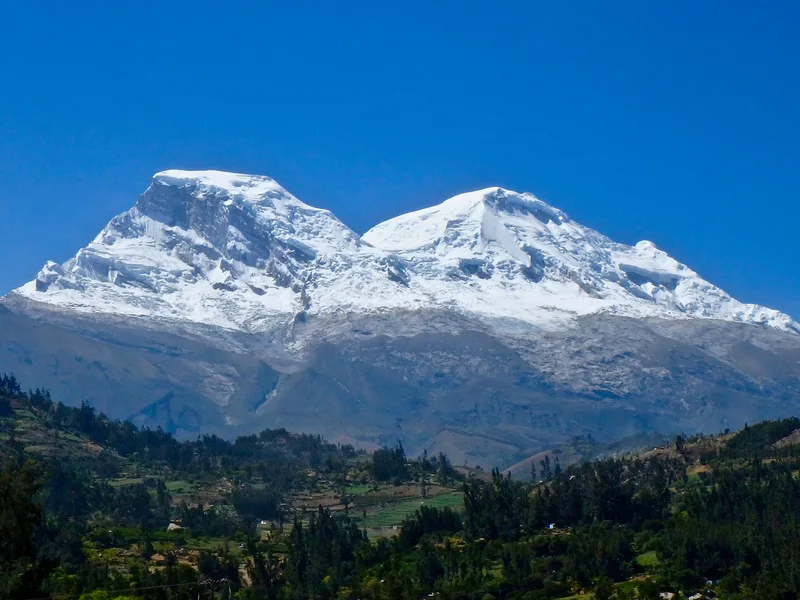
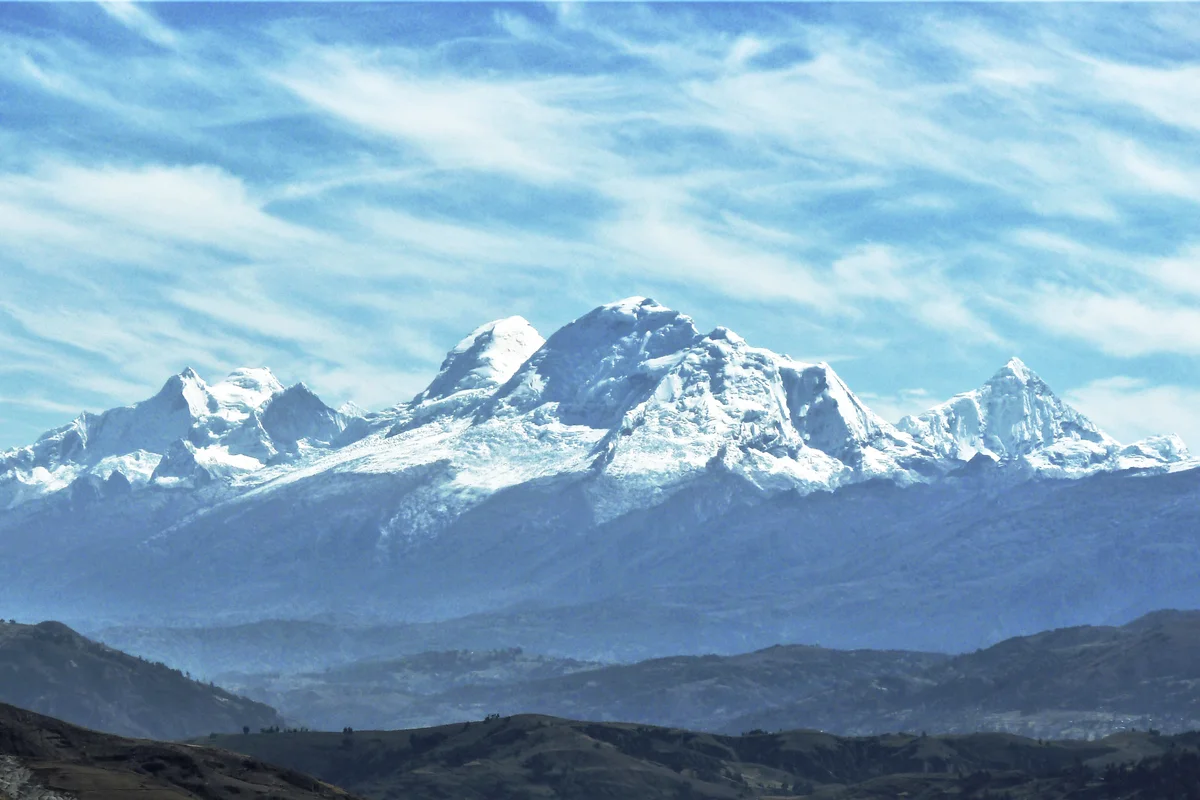
Huascarán is the highest mountain in Peru and the highest peak in the entire tropical zone of Earth, rising to 6,768 metres in the Cordillera Blanca. Its twin glaciated summits—Huascarán Sur (6,768 m) and Huascarán Norte (6,655 m)—tower over the Callejón de Huaylas with colossal icefalls and sheer vertical walls.
Chopicalqui
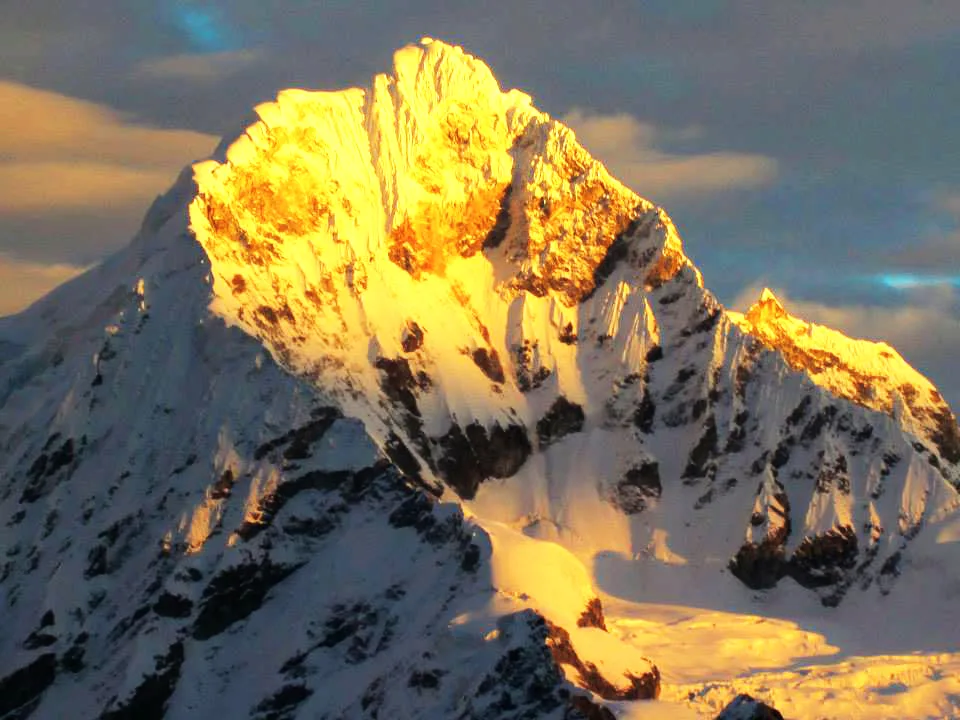
Chopicalqui is a magnificent 6,354-metre glaciated peak rising in the heart of Peru's Cordillera Blanca between Huascarán and Yanapaccha. First summited on August 3, 1932, by Erwin Schneider, Philipp Borchers, and Hermann Hoerlin, it is celebrated for its elegant Southwest Ridge route. The mountain offers complex crevassed glacier travel and knife-edge summit cornices.
Pioneered & Associated Routes (2)
Chopicalqui Southwest Ridge
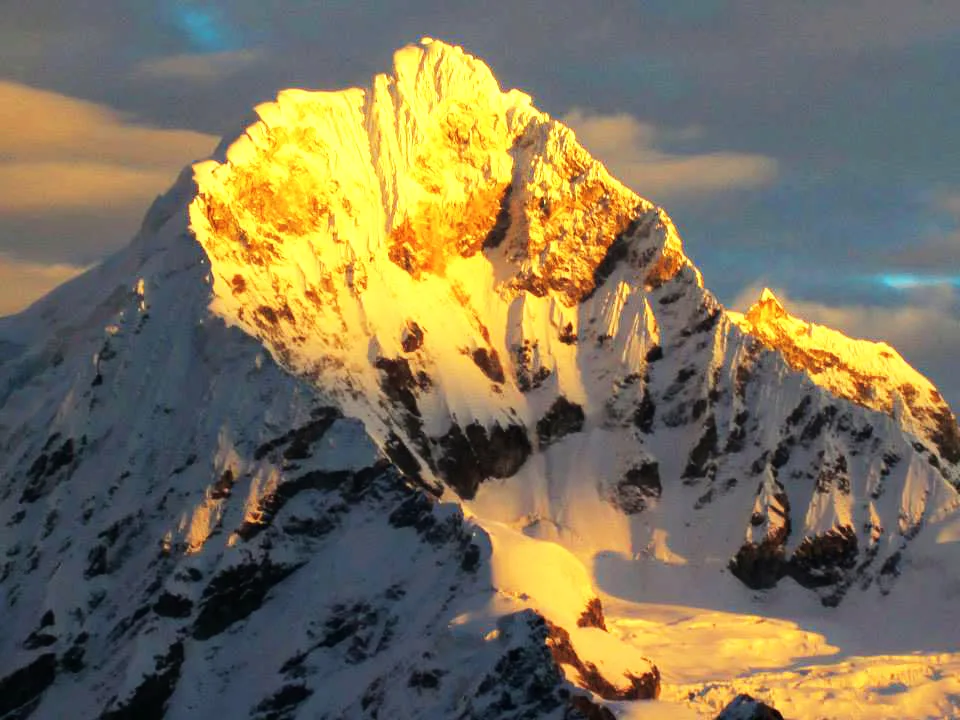
The Southwest Ridge of Chopicalqui is one of the most aesthetic and popular high-altitude ridge climbs in the Cordillera Blanca. First scaled in August 1932 by Erwin Schneider, Philipp Borchers, and Hermann Hoerlin, the line rises along a soaring glaciated crest from the col above Quebrada Llanganuco. Climbers must overcome exposed knife-edge snow arêtes, bergschrund crossings, and a dramatic final summit mushroom at 6,354 metres.
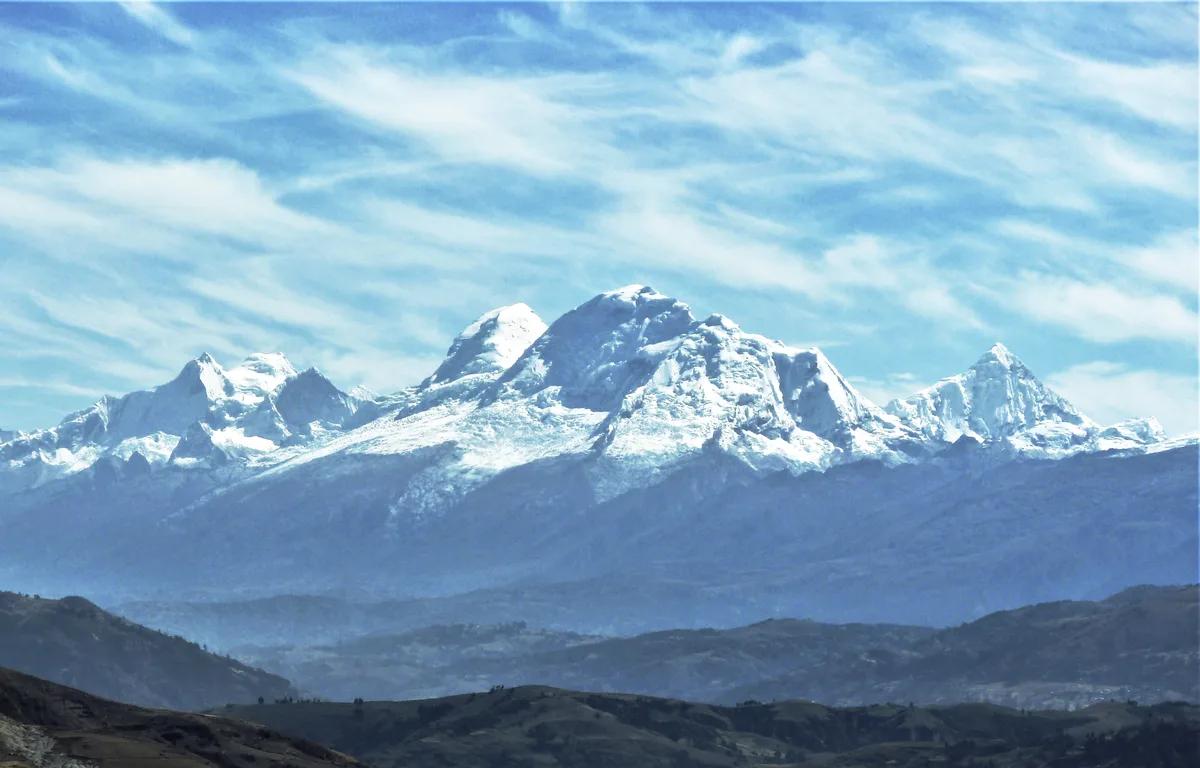
Huascarán Garganta Normal Route
The Huascarán Normal Route via the Garganta is the classic high-altitude line ascending Peru's highest peak in the Cordillera Blanca. Pioneered in July 1932 by the German-Austrian expedition led by Philipp Borchers and Erwin Schneider, the route traverses the fractured glacier of the western flank to the 6,000-metre saddle between the twin summits. It demands rigorous acclimatization, crevasse rescue skills, and vigilance against objective avalanche and serac hazards.
Documented Expeditions (2)
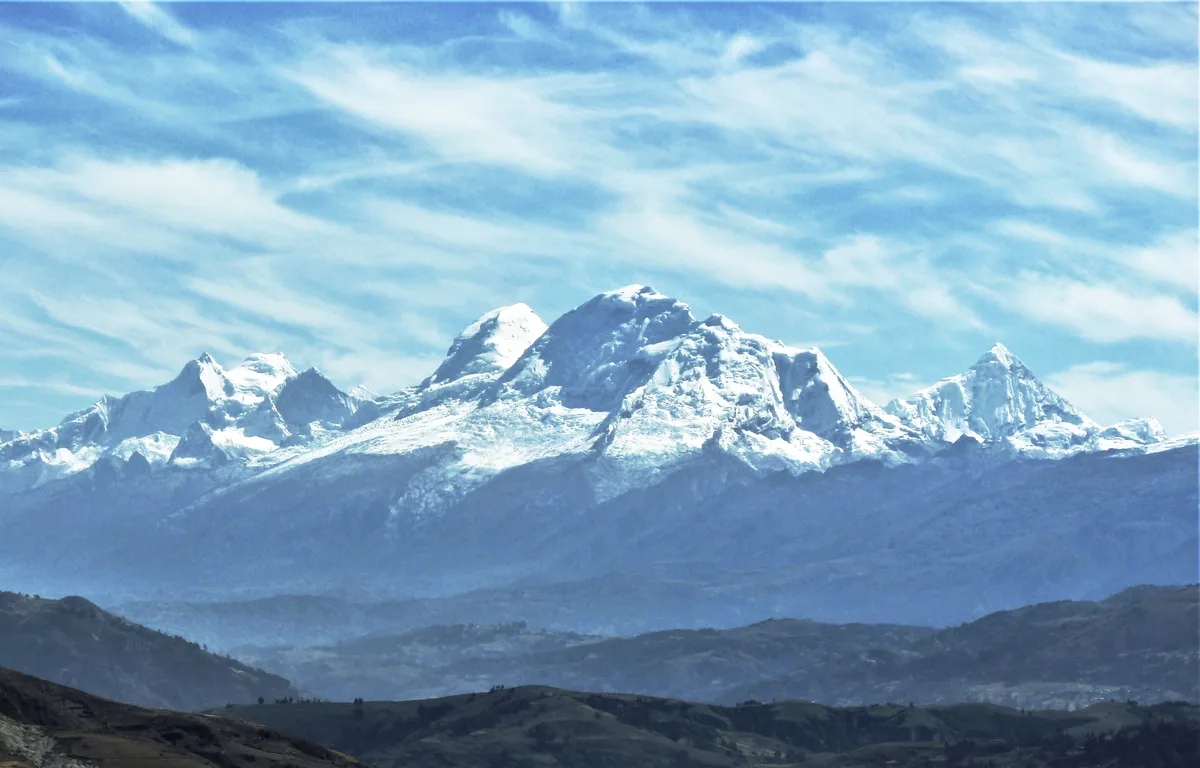
1932 German-Austrian Huascarán Sur Historic First Ascent Expedition
On July 20, 1932, the German-Austrian Alpine Club expedition led by Philipp Borchers and Erwin Schneider achieved the historic first ascent of Huascarán Sur (6,768 m), the highest peak in Peru. Navigating the treacherous Garganta col and western icefall, Borchers, Schneider, Wilhelm Bernard, Franz Schmid, and Hermann Hoerlin solved the supreme high-altitude challenge of the tropical Andes.
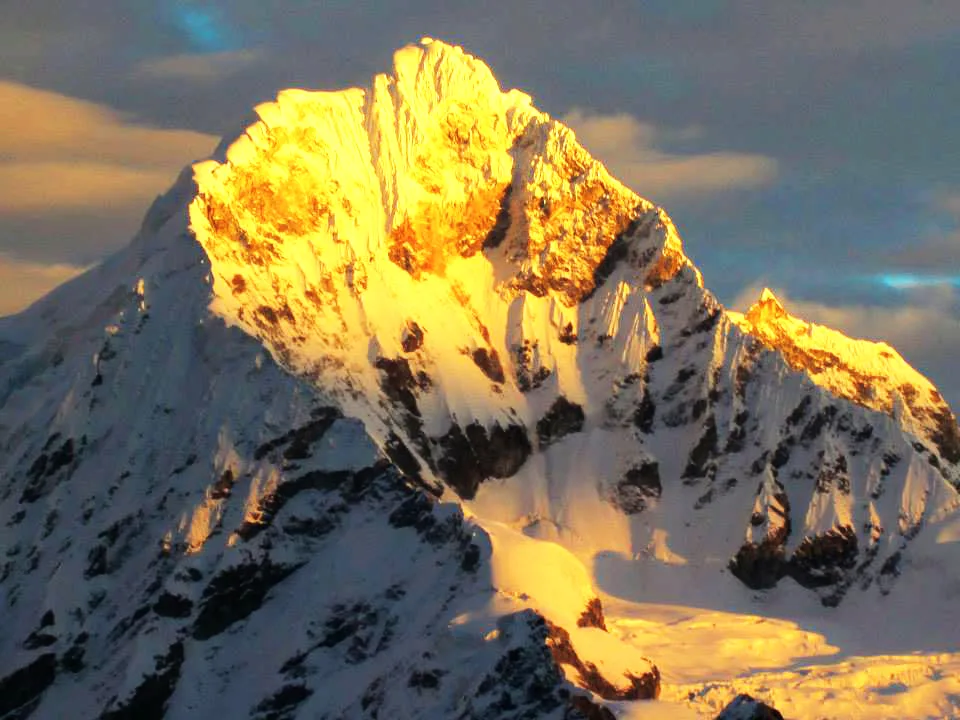
1932 Schneider Chopicalqui Historic First Ascent Expedition
On August 3, 1932, Austrian mountaineer Erwin Schneider, Philipp Borchers, and Hermann Hoerlin made the historic first ascent of Nevado Chopicalqui (6,354 m) in Peru's Cordillera Blanca. Pioneering the elegant Southwest Ridge line from Quebrada Llanganuco, the climbers negotiated razor-sharp snow arêtes and fragile summit cornices to unlock one of the Andes' most aesthetic summits.
Associated Chronicles & Stories (2)
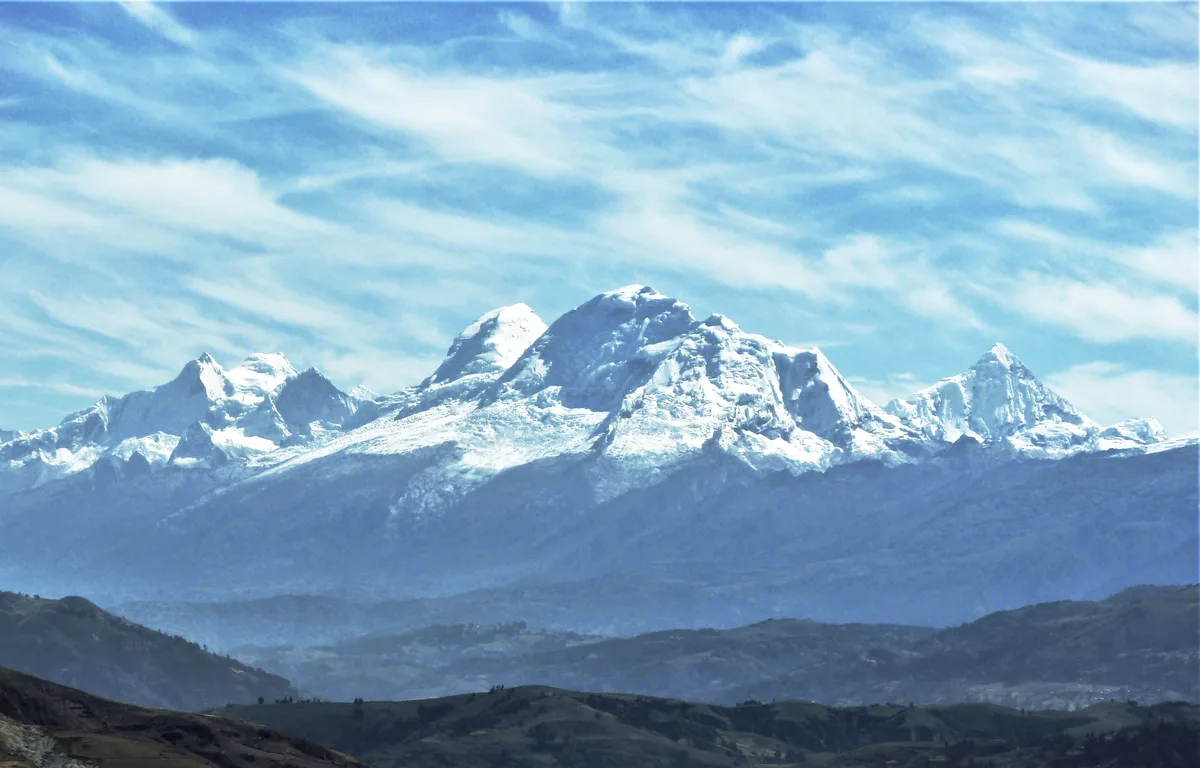
Taming the White Cordillera: The 1932 First Ascent of Huascarán Sur
On July 20, 1932, a powerhouse German-Austrian team led by Philipp Borchers and Erwin Schneider surmounted the harrowing icefalls of the Garganta to achieve the first ascent of Huascarán Sur (6,768 m).
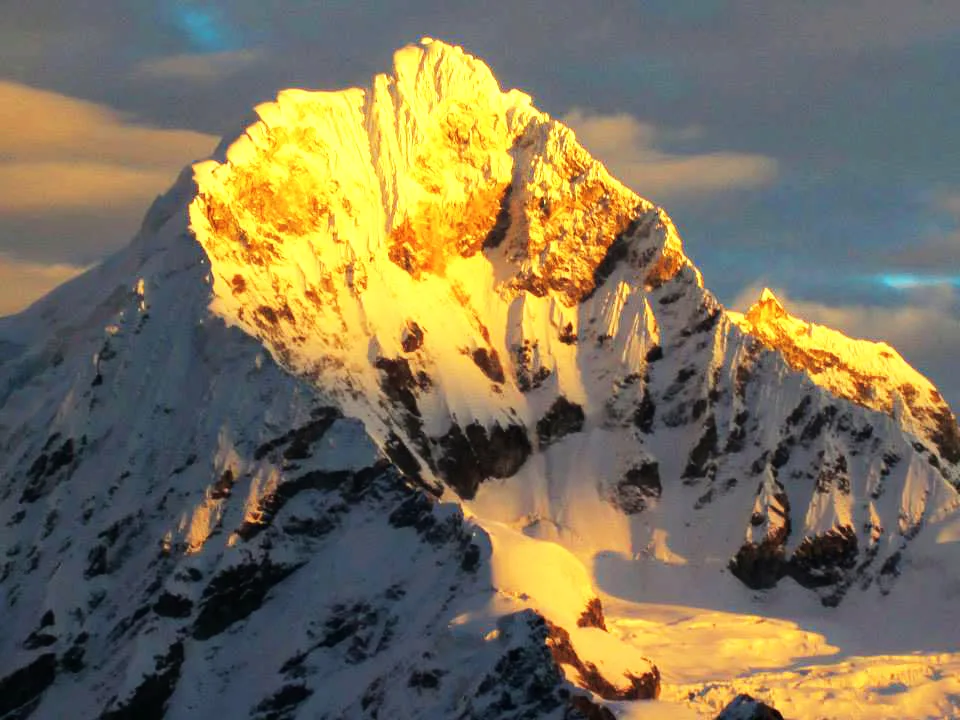
The Knife-Edge of Llanganuco: Erwin Schneider's 1932 Triumph on Chopicalqui
Just two weeks after conquering Huascarán Sur, Erwin Schneider, Philipp Borchers, and Hermann Hoerlin pioneered the razor-sharp Southwest Ridge of Chopicalqui (6,354 m).
Documented Sources & Archival Citations
- Die Weiße Kordillere(Philipp Borchers / Verlag F. Bruckmann)
Supporting claim: Official expedition chronicle of the 1932 Cordillera Blanca first ascents
Accessed/Documented: 2026 - Die Berge und wir: 150 Jahre Deutscher Alpenverein(Gebhard Bendler & Stefan Ritter / Prestel Verlag)
Supporting claim: Biographical survey of Philipp Borchers and his leadership of foreign expeditions
Accessed/Documented: 2026