1932 Schneider Chopicalqui Historic First Ascent Expedition
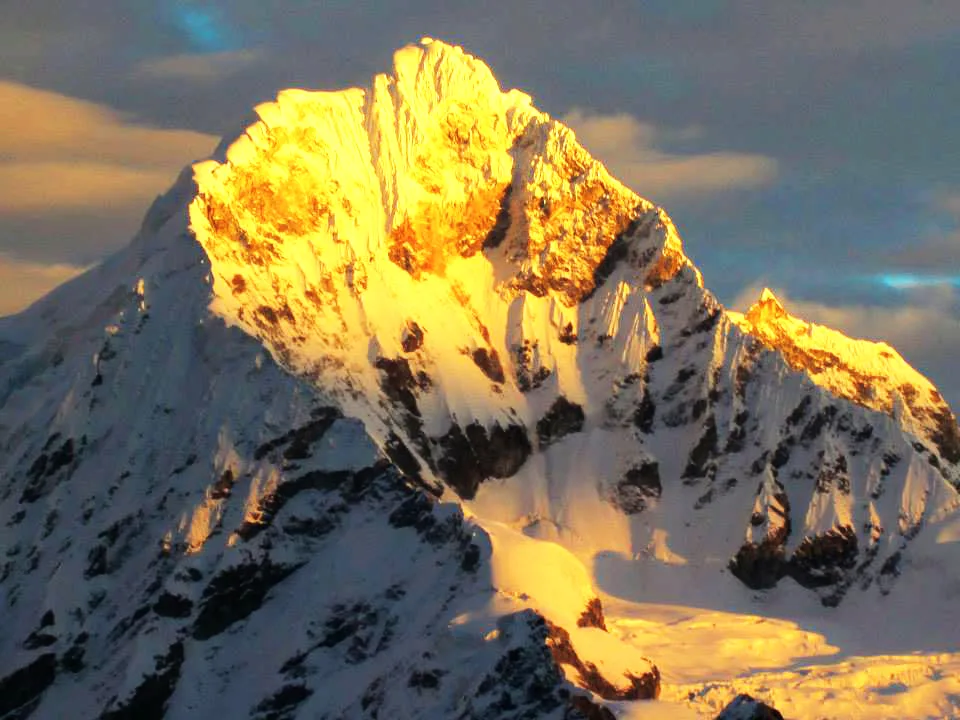
On August 3, 1932, Austrian mountaineer Erwin Schneider, Philipp Borchers, and Hermann Hoerlin made the historic first ascent of Nevado Chopicalqui (6,354 m) in Peru's Cordillera Blanca. Pioneering the elegant Southwest Ridge line from Quebrada Llanganuco, the climbers negotiated razor-sharp snow arêtes and fragile summit cornices to unlock one of the Andes' most aesthetic summits.
Mountain Safety & Conditions Disclaimer: High-altitude climbing, glacial travel, and technical ascents entail severe objective risks including avalanches, serac collapses, rapid weather collapse, and altitude illness. Historical route descriptions and summit claims on Mountanity reflect documented archival sources and must not be used as live operational safety assessments. Local regulations, permits, and physical glacial topography change continuously.
Peer Review: Senior Editorial Board & Historical Reviewers • Editorial Standards
Official Expedition Narrative & Archival Record
Buoyed by their landmark conquest of Huascarán Sur in July 1932, the German-Austrian Alpine Club expedition led by Philipp Borchers turned its attention to the magnificent glaciated pyramid of Nevado Chopicalqui (6,354 m). Scouting from the high pass of Portachuelo de Llanganuco, Erwin Schneider identified a viable line of ascent along the soaring Southwest Ridge that linked the mountain to the Huascarán massif. Moving from a base camp in the Llanganuco valley, Schneider, Borchers, and physicist Hermann Hoerlin established a high camp at 5,600 metres on the broad glaciated col. On August 3, 1932, Schneider led the rope up a breathtaking knife-edge arête of wind-carved firn, carefully bypassing towering seracs and scaling a steep 55-degree bergschrund headwall. Attaining the dramatic summit ice mushroom at 6,354 metres, the three alpinists completed the first ascent of what would become the most sought-after classic route in the Cordillera Blanca.
Documented Team Composition
- Erwin Schneider (Lead Climber & Topographer, Austria)
- Philipp Borchers (Expedition Leader & Alpinist, Germany)
- Hermann Hoerlin (Physicist & Climber, Germany)
Key Statistics & Topographic Figures
- Summit Date
- August 3, 1932 (First ascent of Chopicalqui)
- Peak Elevation
- 6,354 m (20,846 ft)
- Summit Climbers
- Erwin Schneider, Philipp Borchers, Hermann Hoerlin
- Route
- Southwest Ridge (AD, 50°–55° firn)
- Expedition Base
- Quebrada Llanganuco, Peru
Archival Primary Source Quotations
“Chopicalqui granted us a climb of unforgettable beauty, balanced on a silver thread of snow between the clouds.”
Defined Alpine Terminology & Concepts
- Firn Arête Climbing
- Ascending steep, razor-sharp snow ridges composed of granular, partially consolidated glacial snow.
- Glacial Col Camp
- A camp perched in the saddle between two alpine peaks providing direct access to the main climbing ridge.
Frequently Asked Questions: 1932 Schneider Chopicalqui Historic First Ascent Expedition
What was the 1932 Chopicalqui First Ascent Expedition?
It was the follow-up climb of the 1932 DÖAV expedition where Erwin Schneider, Philipp Borchers, and Hermann Hoerlin made the first ascent of Chopicalqui (6,354 m) on August 3, 1932.
Which route did the team pioneer on Chopicalqui?
They pioneered the breathtaking Southwest Ridge from Quebrada Llanganuco, establishing the classic line still climbed today.
What was the major crux overcome on summit day?
Schneider overcame a gaping bergschrund at 6,250 metres and scaled the delicate, overhanging summit snow mushroom.
How high was the high camp established on Chopicalqui?
High Camp was pitched at 5,600 metres on the broad glaciated Southwest Col.
Ascent Route & Topography
Chopicalqui Southwest Ridge
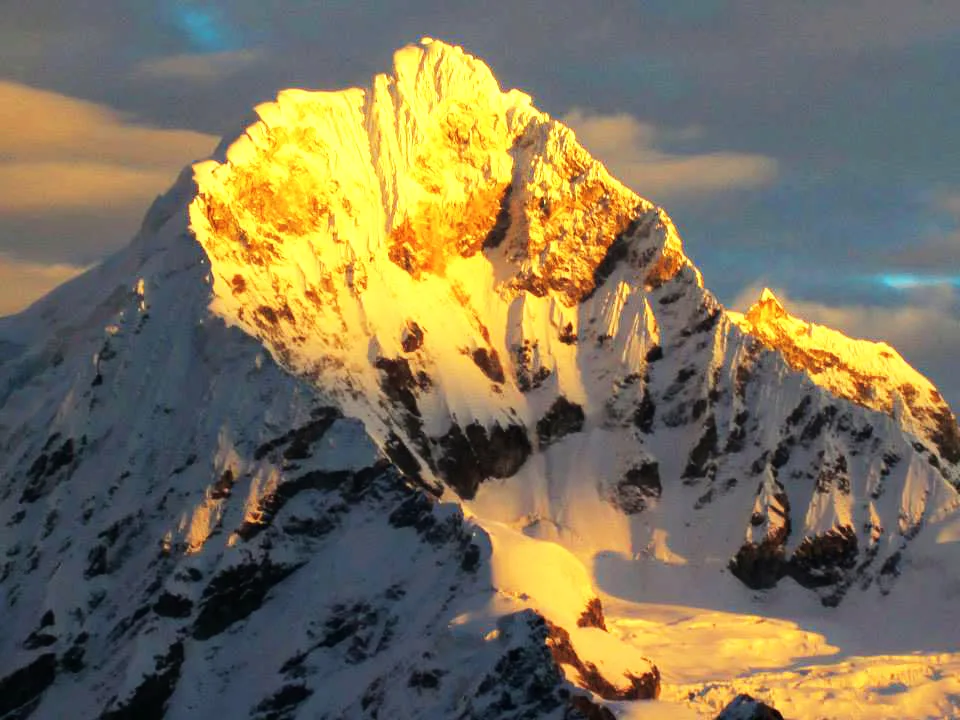
The Southwest Ridge of Chopicalqui is one of the most aesthetic and popular high-altitude ridge climbs in the Cordillera Blanca. First scaled in August 1932 by Erwin Schneider, Philipp Borchers, and Hermann Hoerlin, the line rises along a soaring glaciated crest from the col above Quebrada Llanganuco. Climbers must overcome exposed knife-edge snow arêtes, bergschrund crossings, and a dramatic final summit mushroom at 6,354 metres.
Target Objective Peak

Chopicalqui
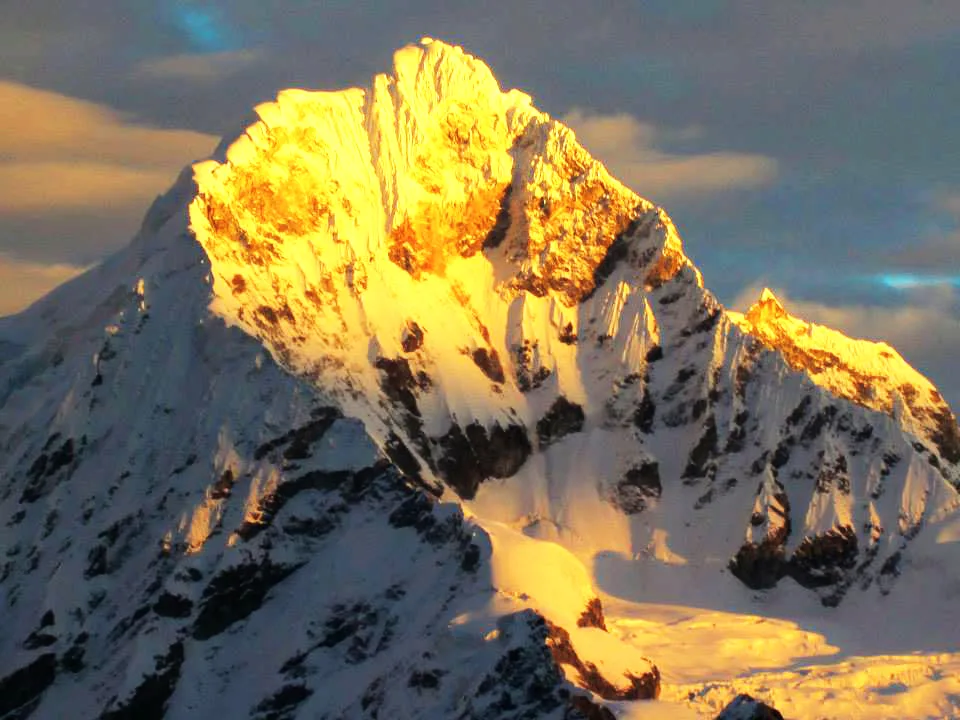
Chopicalqui is a magnificent 6,354-metre glaciated peak rising in the heart of Peru's Cordillera Blanca between Huascarán and Yanapaccha. First summited on August 3, 1932, by Erwin Schneider, Philipp Borchers, and Hermann Hoerlin, it is celebrated for its elegant Southwest Ridge route. The mountain offers complex crevassed glacier travel and knife-edge summit cornices.
Featured Expedition Climbers
Erwin Schneider
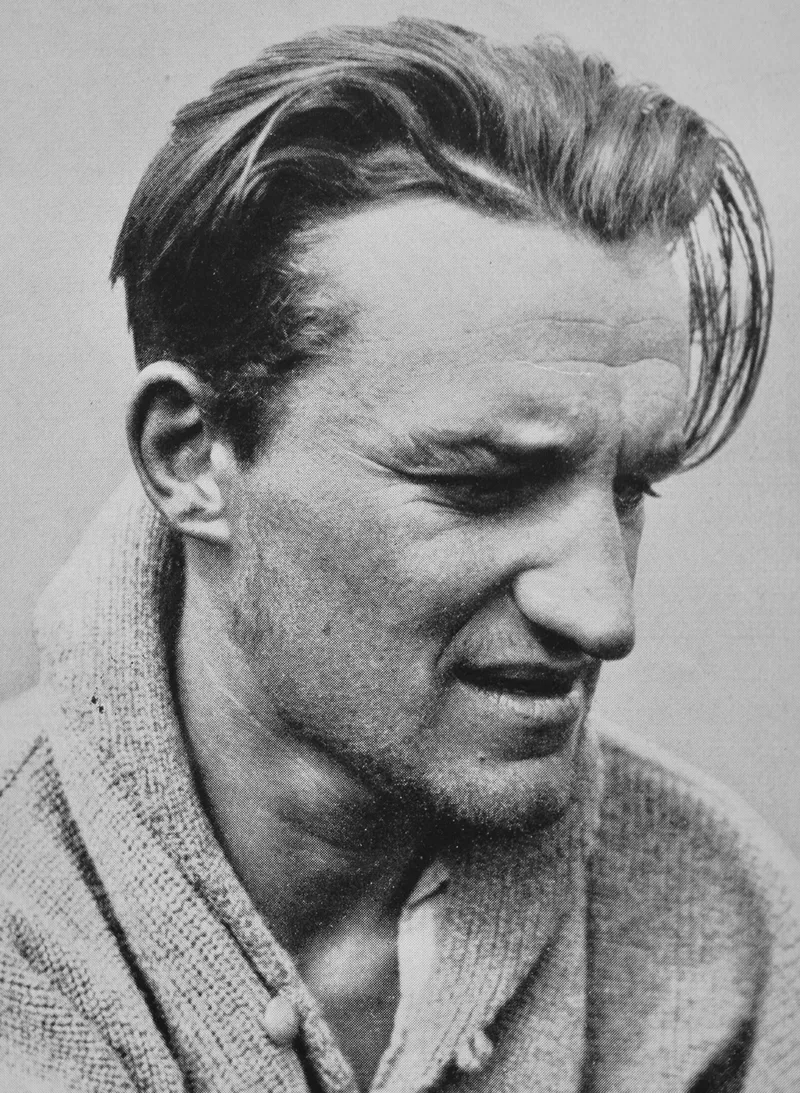
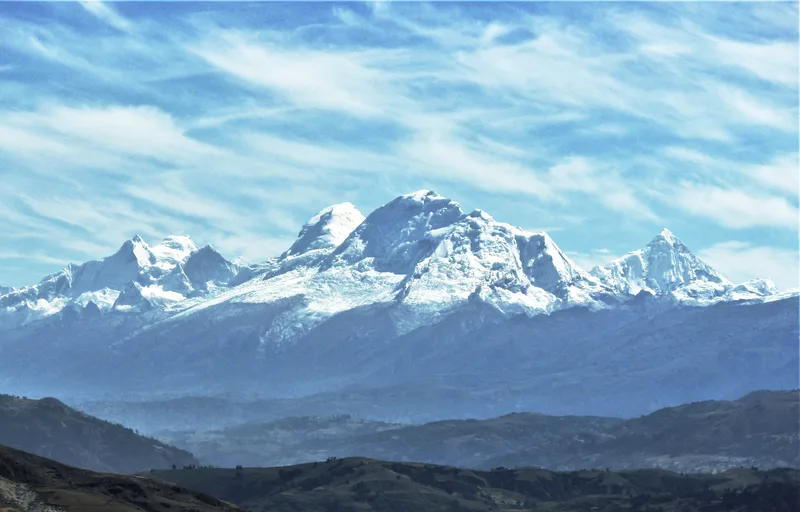
Born in Sankt Joachimsthal on April 13, 1906, Erwin Schneider became one of the most prolific high-altitude mountaineers of the twentieth century. In 1928, as a member of the German-Soviet Alay-Pamir Expedition, Schneider summited Lenin Peak (7,134 m) alongside Karl Wien and Eugen Allwein. In 1930, during the International Himalaya Expedition to Kangchenjunga, Schneider summited Jongsong Peak (7,462 m), setting an undisputed world altitude summit record that stood for years. Schneider's greatest lasting legacy lies in high-altitude photogrammetry and mountain cartography. Between 1955 and 1963, Schneider led the Austrian Alpine Club mapping expeditions that created the legendary 'Schneider Map of the Khumbu Himal and Mount Everest', widely regarded by geographers and mountaineers as a masterpiece of cartographic precision.
Hermann Hoerlin
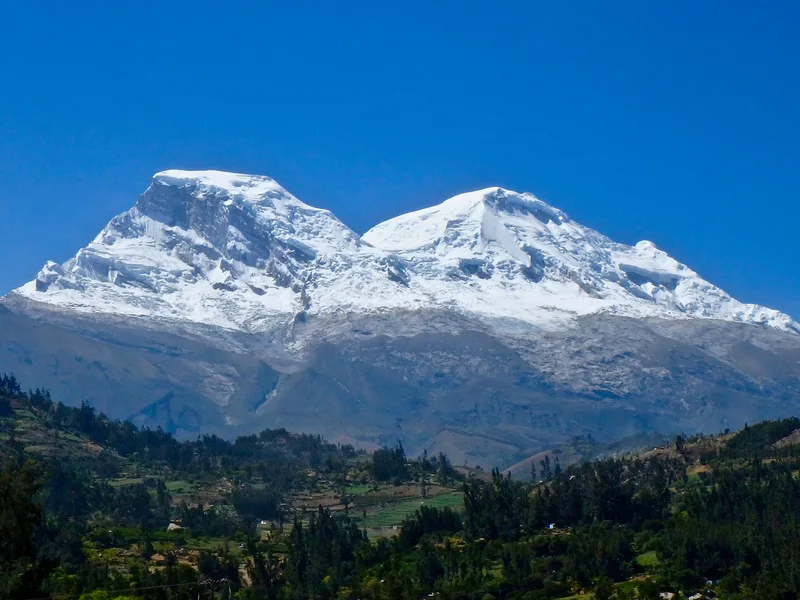
Born on December 21, 1903, in Bad Nauheim, Germany, Hermann Hoerlin studied physics at the Technical University of Stuttgart, combining a brilliant scientific intellect with elite alpine climbing skills. In 1930, Hoerlin took part in the International Himalayan Expedition to Kangchenjunga and Sikkim led by Günter Oskar Dyhrenfurth, carrying out early cosmic ray experiments and summiting high peaks alongside Erwin Schneider. In 1932, Hoerlin joined Philipp Borchers' expedition to the Cordillera Blanca of Peru. Proving exceptional stamina at extreme altitude, Hoerlin reached the summit of Huascarán Sur (6,768 m) on July 20, 1932, and two weeks later made the first ascent of Chopicalqui (6,354 m) with Schneider and Borchers. Hoerlin also recorded critical photometric and cosmic radiation measurements on the glaciers of Peru. In 1938, having married Kate Schmid (the widow of a Jewish doctor), Hoerlin fled Nazi Germany and emigrated to the United States. He became the director of physics research at Ansco and later a leading group leader at the Los Alamos National Laboratory, specializing in nuclear physics, upper-atmosphere physics, and radiation monitoring. Hoerlin passed away in Santa Fe, New Mexico, in 1983, celebrated for bridging the worlds of elite mountaineering and frontier atomic science.
Philipp Borchers
Born on November 7, 1887, in Hannover, Germany, Philipp Borchers was an accomplished alpinist, lawyer, and high-ranking official within the German and Austrian Alpine Club (DÖAV). During the 1920s and 1930s, Borchers became the chief visionary for modern scientific mountaineering beyond Europe. In 1932, he organized and commanded the landmark DÖAV expedition to Peru's uncharted Cordillera Blanca, assembling a world-class team of alpinists and scientists including topographer Erwin Schneider, engineer Wilhelm Bernard, physicist Hermann Hoerlin, cartographer Erwin Hein, and Matterhorn north face conqueror Franz Schmid. Establishing base camps in the Callejón de Huaylas, Borchers directed a methodical campaign that unlocked the glaciated giants of the tropical Andes. On July 20, 1932, Borchers, Schneider, Bernard, Schmid, and Hoerlin made the historic first ascent of Huascarán Sur (6,768 m) via the Garganta route. Weeks later, Borchers reached the virgin summit of Chopicalqui (6,354 m) with Schneider and Hoerlin. Borchers chronicled these epic successes in his classic 1935 book Die Weiße Kordillere, creating the foundation for twentieth-century Andean mountaineering before his death in 1949.
Associated Historical Chronicles & Stories
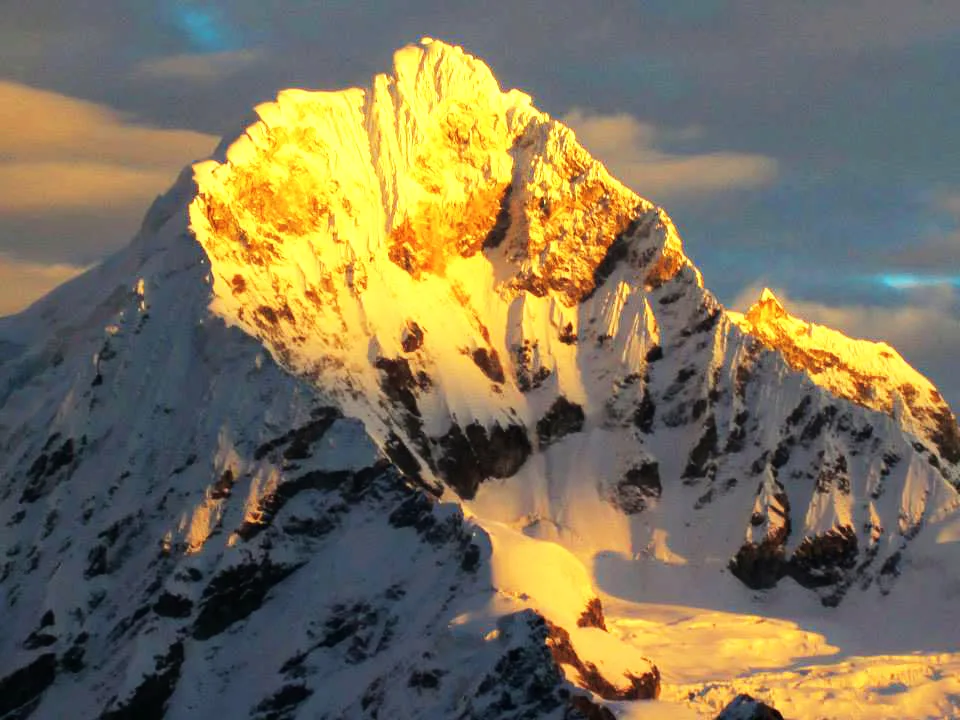
The Knife-Edge of Llanganuco: Erwin Schneider's 1932 Triumph on Chopicalqui
Just two weeks after conquering Huascarán Sur, Erwin Schneider, Philipp Borchers, and Hermann Hoerlin pioneered the razor-sharp Southwest Ridge of Chopicalqui (6,354 m).
Documented Sources & Archival Citations
- Die Weiße Kordillere(Philipp Borchers & Erwin Schneider / Verlag F. Bruckmann)
Supporting claim: Official expedition report of the 1932 first ascent of Chopicalqui
Accessed/Documented: 2026 - Classic Climbs of the Cordillera Blanca(Brad Johnson / The Mountaineers Books)
Supporting claim: Modern topographical analysis and history of the Southwest Ridge first ascent
Accessed/Documented: 2026