1985 Simpson-Yates Siula Grande West Face & Touching the Void Expedition
In June 1985, British alpinists Joe Simpson and Simon Yates completed the historic first ascent of the unclimbed 1,000-metre West Face of Siula Grande (6,344 m) in lightweight alpine style. The descent turned into mountaineering's most legendary survival drama when Simpson broke his leg, Yates was forced to cut the rope above a crevasse, and Simpson crawled for three days to safety.
Mountain Safety & Conditions Disclaimer: High-altitude climbing, glacial travel, and technical ascents entail severe objective risks including avalanches, serac collapses, rapid weather collapse, and altitude illness. Historical route descriptions and summit claims on Mountanity reflect documented archival sources and must not be used as live operational safety assessments. Local regulations, permits, and physical glacial topography change continuously.
Peer Review: Senior Editorial Board & Historical Reviewers • Editorial Standards
Official Expedition Narrative & Archival Record
In May 1985, 25-year-old Joe Simpson and 21-year-old Simon Yates arrived in Peru's remote Cordillera Huayhuash, accompanied by non-climbing trekker Richard Hawking to watch their base camp at Laguna Sarapococha. Their audacious goal was the pristine, unclimbed 1,000-metre West Face of Siula Grande (6,344 m). Eschewing fixed ropes and heavy sieges, they climbed in pure alpine style, scaling 80-degree water-ice flutings, rotten snow mushrooms, and vertical mixed crags over three relentless days, bivouacking in scooped snow caves. On June 8, 1985, they attained the razor summit crest. Disaster struck on descent along the North Ridge when Simpson slipped off an ice cliff, driving his right tibia through his knee joint. Refusing to abandon his partner, Yates engineered an astonishing lowering system, belaying Simpson down 3,000 feet of blizzard-battered mountain in 300-foot increments. In the darkness, Simpson slipped over an unseen serac lip, dangling helpless in mid-air over a gaping crevasse. For over an hour, Yates anchored into a collapsing snow seat, slowly being dragged off the precipice. With death imminent for both, Yates cut the rope. Simpson plummeted 150 feet into the crevasse onto a subterranean snow bridge, where he found an exit tunnel into the glacier. Over the following three days, dehydrated, frostbitten, and crippled, Simpson crawled five agonizing miles across moraines, reaching camp in the dead of night just hours before Yates and Hawking prepared to leave. The saga, immortalized in Touching the Void, remains the ultimate testament to alpine endurance and human willpower.
Documented Team Composition
- Joe Simpson (Lead Climber, United Kingdom)
- Simon Yates (Lead Climber, United Kingdom)
- Richard Hawking (Base Camp Support, United Kingdom)
Key Statistics & Topographic Figures
- Peak Elevation
- 6,344 m (20,814 ft)
- West Face Height
- 1,000 m (3,300 vertical ft)
- Summit Date
- June 8, 1985
- Rope-Cutting Altitude
- Approximately 5,800 m on North Ridge
- Survival Distance
- 5 miles (8 km) crawled across glacier and boulder moraines over 3.5 days
Archival Primary Source Quotations
“You gotta be able to make a decision, stick to it, and take the consequences. Simon made the only decision he could.”
Defined Alpine Terminology & Concepts
- Tibial Plateau Fracture
- A severe high-energy compression fracture where the tibia bone is driven upward through the knee joint surface, disabling leg movement.
- Alpine Style
- Ascending high peaks in a single continuous push with all gear carried on climbers' backs, without fixed ropes, support camps, or oxygen.
Frequently Asked Questions: 1985 Simpson-Yates Siula Grande West Face & Touching the Void Expedition
What peak did Joe Simpson and Simon Yates climb in 1985?
They completed the historic first ascent of the 1,000-metre West Face of Siula Grande (6,344 m) in Peru's Cordillera Huayhuash in June 1985.
Why did Simon Yates cut the rope on Siula Grande?
During the descent in a blizzard, Joe Simpson fell over an unseen cliff and hung in free air above a crevasse. Being pulled off his snow seat and facing death, Yates cut the rope after holding it for over an hour.
How did Joe Simpson survive the crevasse fall?
Simpson survived the 150-foot fall by landing on an internal snow bridge. He then lowered himself deeper into the crevasse, found a lateral opening onto the glacier, and crawled five miles to base camp.
What is the book and film Touching the Void based on?
Touching the Void is Joe Simpson's autobiographical account of their 1985 Siula Grande ascent, the harrowing rope-cutting incident, and his miraculous survival crawl with a shattered leg.
Ascent Route & Topography
Siula Grande West Face
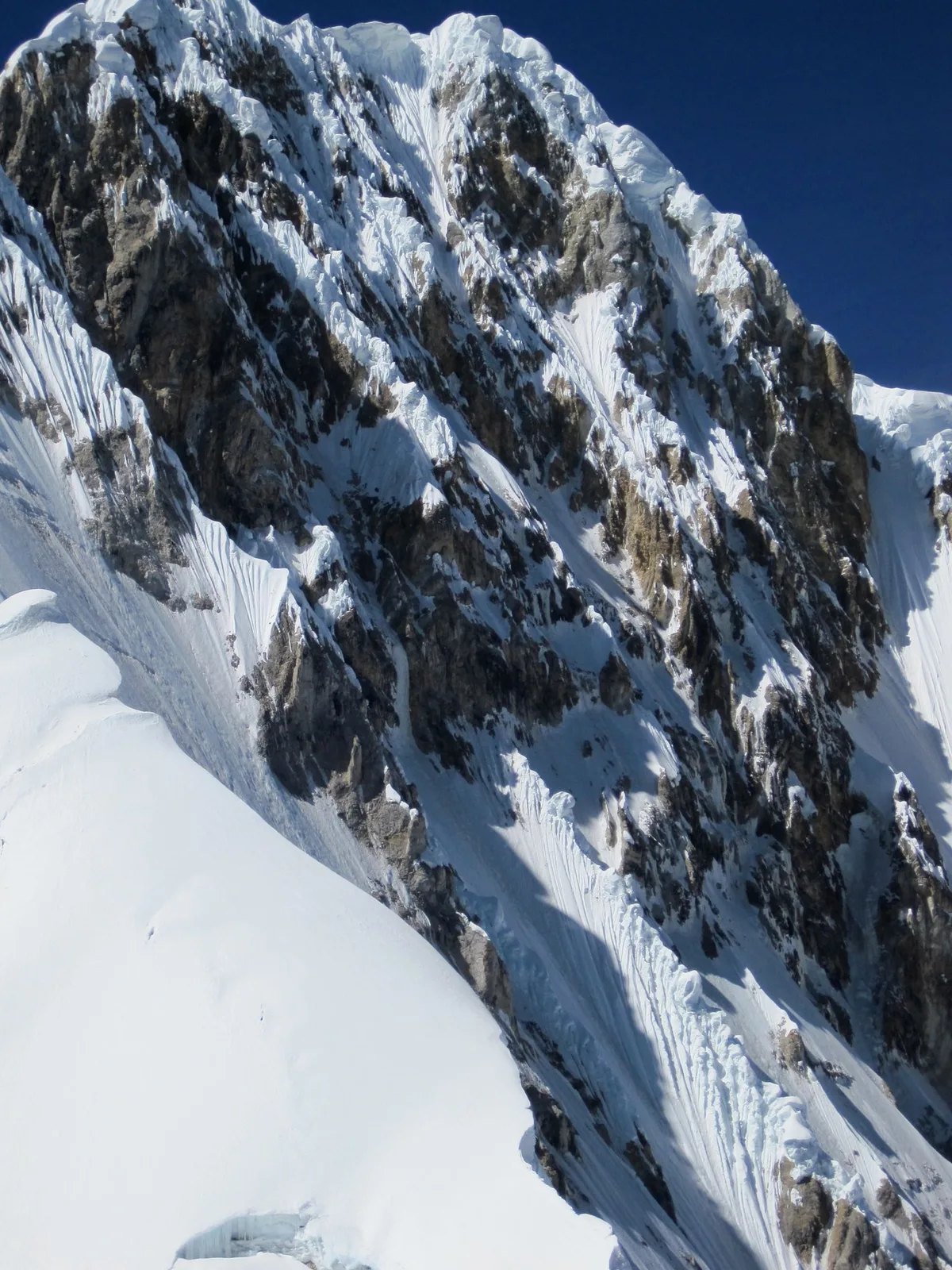
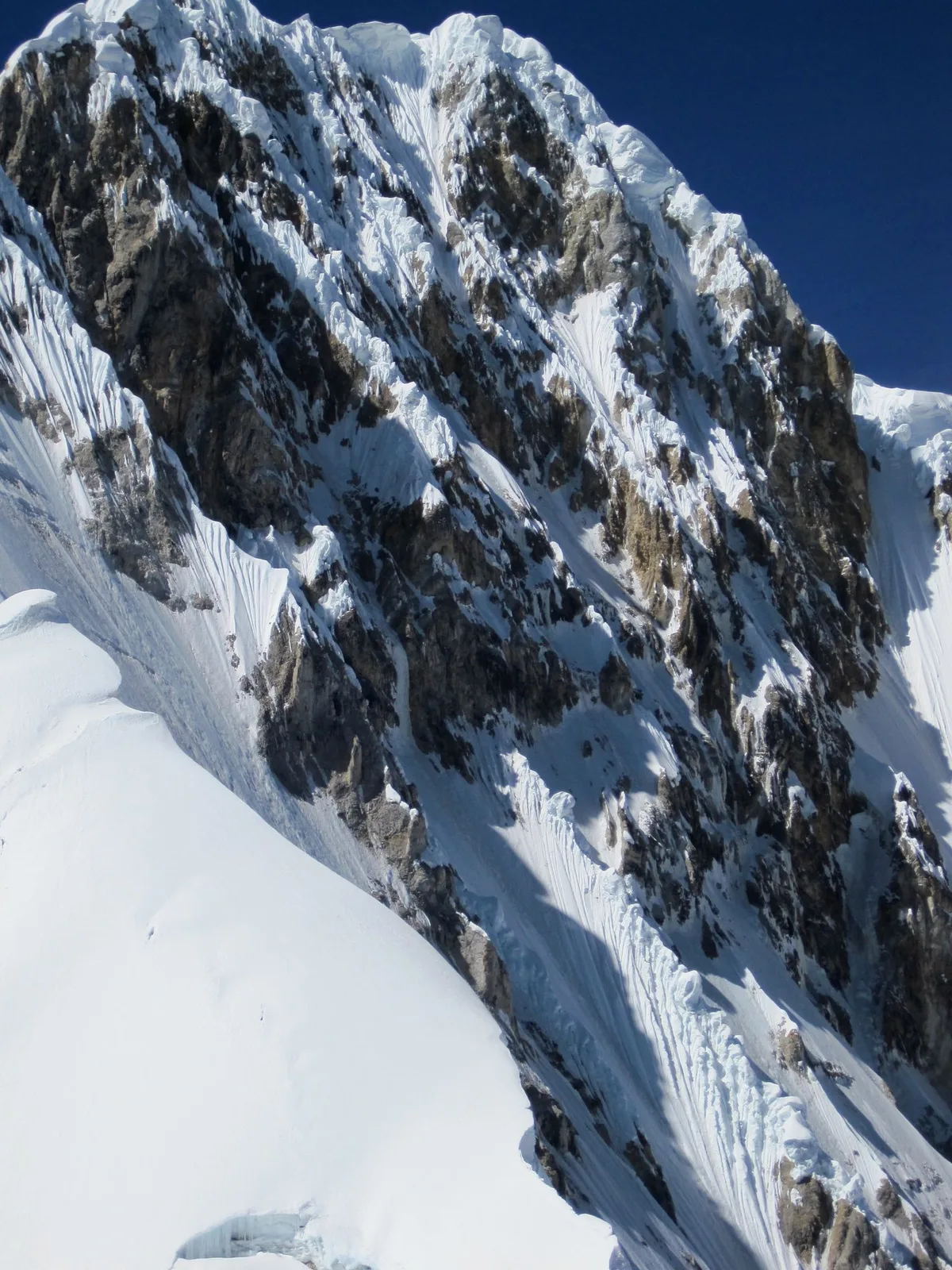
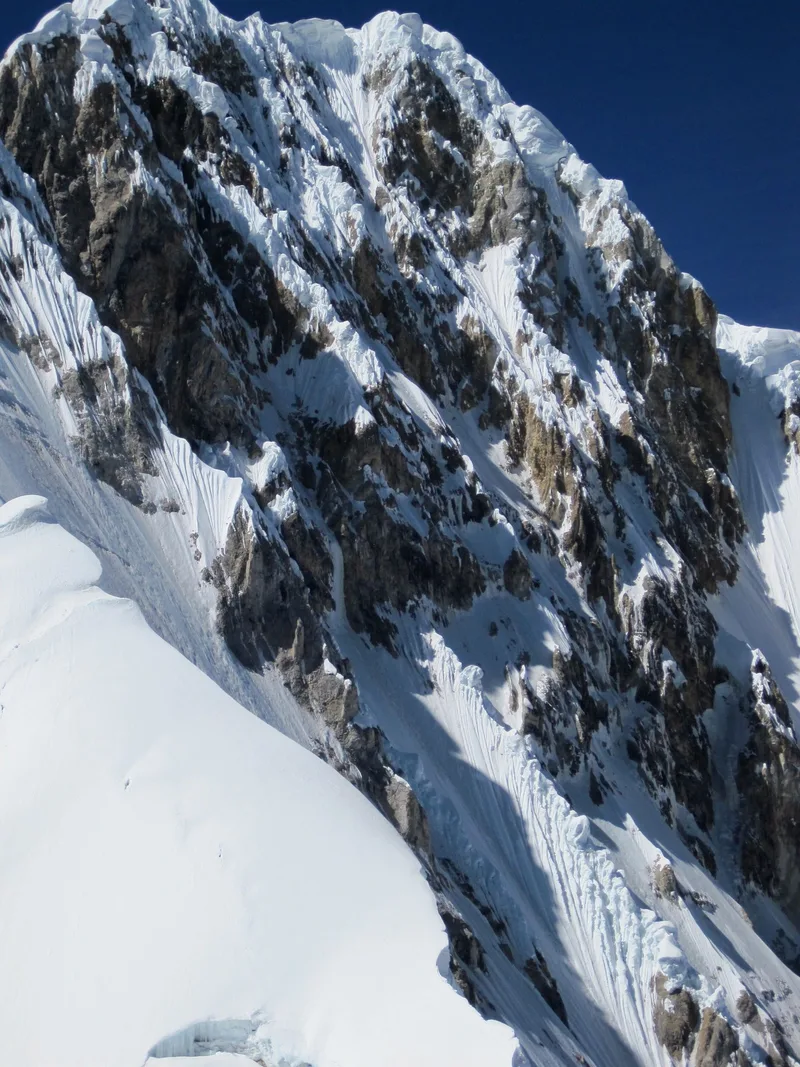
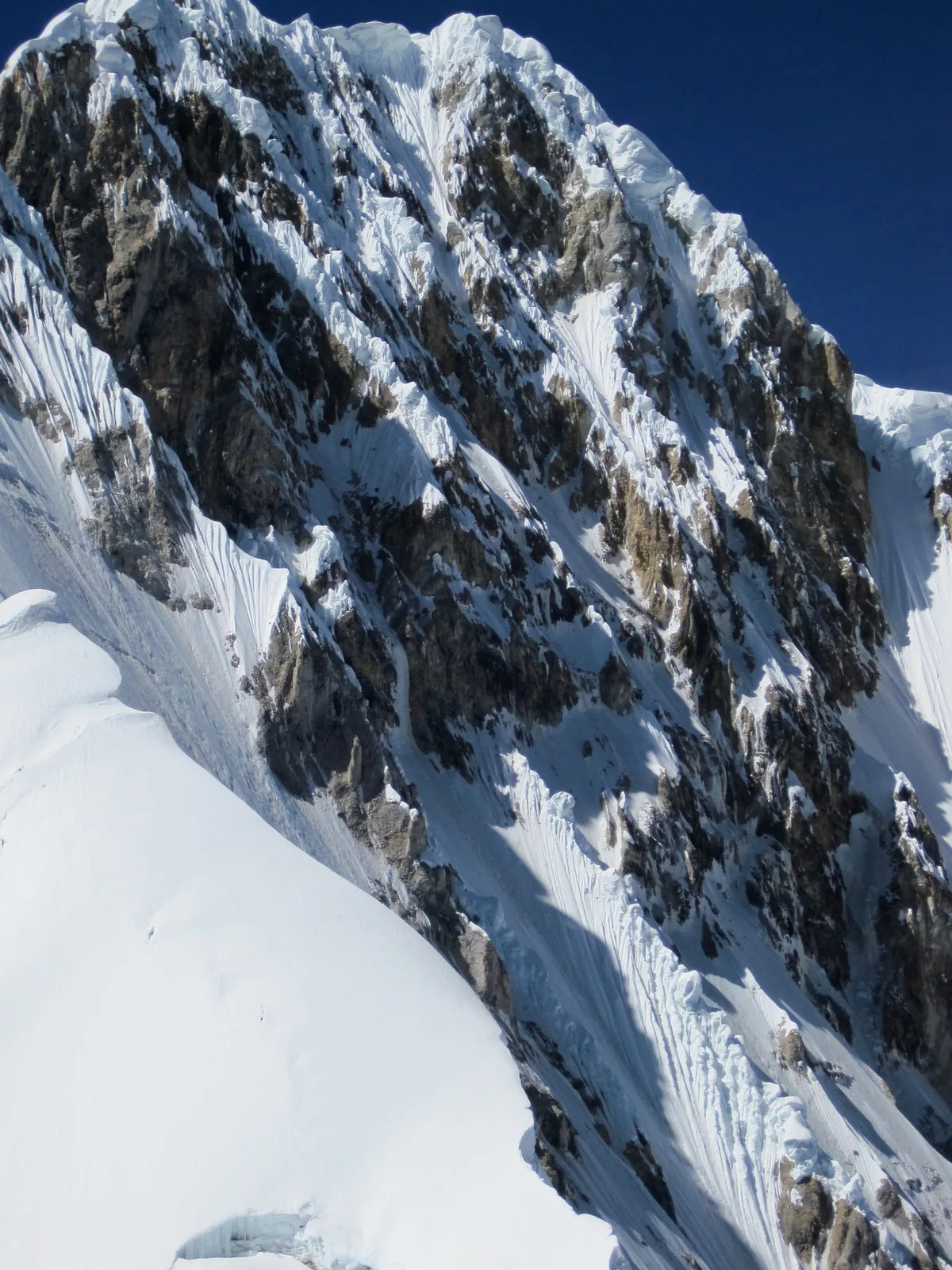
The West Face of Siula Grande is one of the most celebrated and formidable alpine routes in South America. Rising 1,000 metres above the glacier of Laguna Sarapococha, the line tackles 80-degree water-ice flutings, fragile powder mushrooms, and vertical mixed headwalls. First climbed in June 1985 by British alpinists Joe Simpson and Simon Yates in lightweight alpine style, it became the crucible for one of mountaineering's most legendary survival epics.
Target Objective Peak

Siula Grande
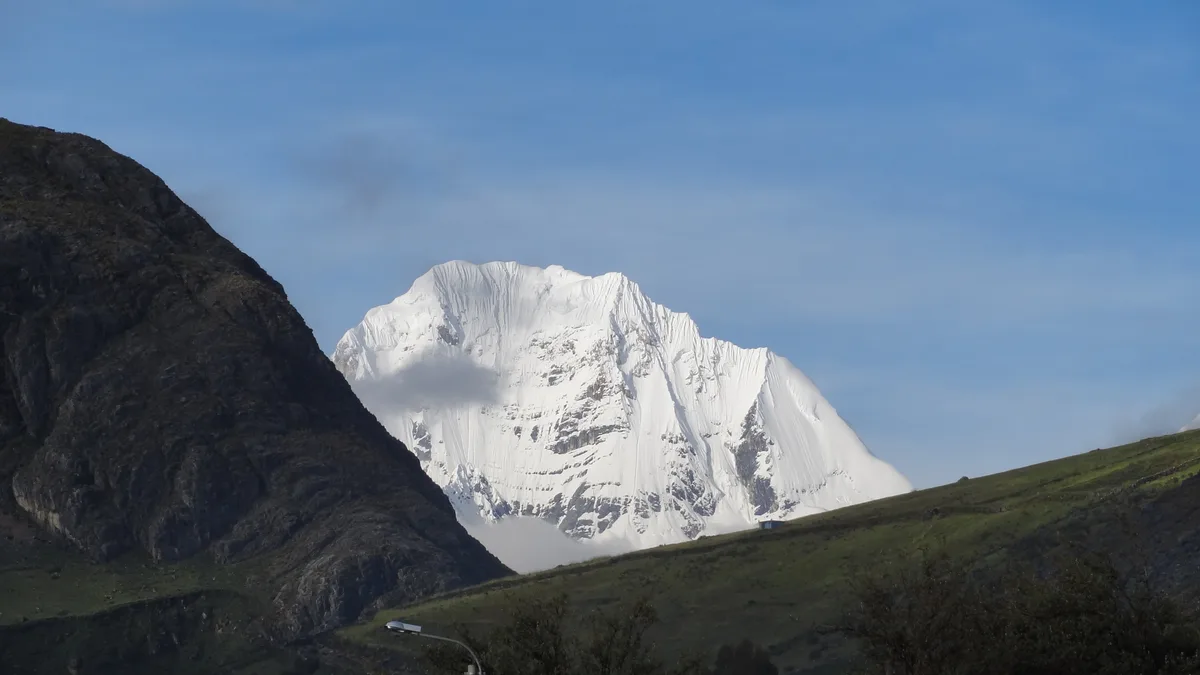
Siula Grande is a majestic 6,344-metre mountain in the Cordillera Huayhuash of the Peruvian Andes, renowned for its sheer western precipice, knife-edge corniced ridges, and one of mountaineering's greatest survival sagas. First climbed in July 1936 by Austrian alpinists Erwin Schneider and Arnold Awerzger via the North Ridge, the peak earned worldwide fame from Joe Simpson and Simon Yates' harrowing 1985 first ascent of the West Face, chronicled in Touching the Void.
Featured Expedition Climbers
Joe Simpson
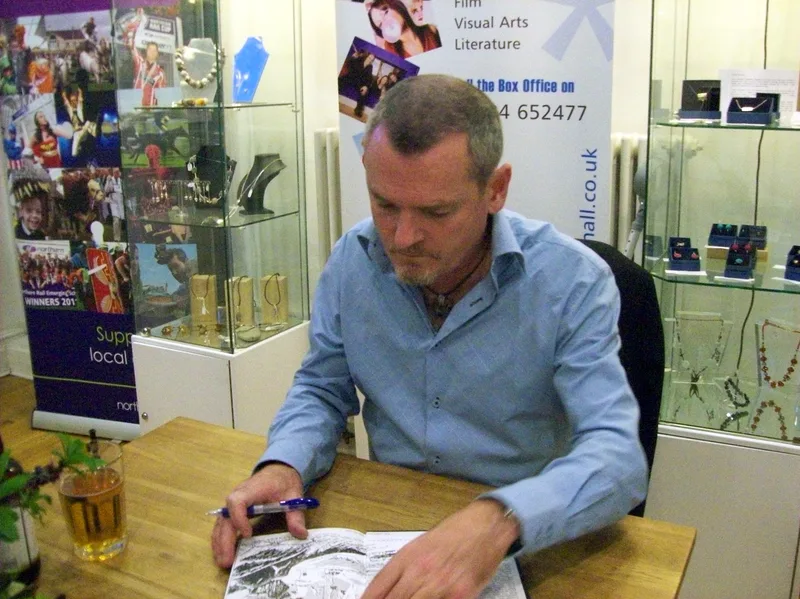
Born on August 13, 1960, in Kuala Lumpur, Malaysia, to a British Army officer, Joe Simpson was educated in England and discovered rock climbing at Ampleforth College. By his early twenties, Simpson had established himself as a dedicated alpine-style mountaineer, tackling difficult classic routes across the European Alps, including the Dru and the Eiger North Face. In May 1985, Simpson and his climbing partner Simon Yates traveled to the remote Cordillera Huayhuash in Peru to attempt the unclimbed 1,000-metre West Face of Siula Grande (6,344 m). Climbing in pure, lightweight alpine style without fixed ropes, the pair successfully reached the summit on June 8, 1985. During the descent along the precarious North Ridge in a raging blizzard, Simpson slipped down an ice cliff and shattered his right tibial plateau into the knee joint. In an extraordinary display of partnership, Yates lowered Simpson down 3,000 feet of storm-blasted slopes using two knotted 150-foot ropes, until Simpson inadvertently slid over an unseen overhang, hanging suspended in free space above a colossal crevasse. Unable to hear Simpson's shouts and being pulled from his precarious snow belay, Yates made the agonizing decision to cut the rope. Miraculously, Simpson survived the 150-foot fall onto a snow bridge inside the crevasse. Over the next three and a half days, without food or water and suffering agonizing pain, Simpson crawled, hopped, and slid across five miles of crevassed glacier and boulder moraines, reaching their base camp tents just hours before Yates planned to depart. Simpson documented this triumph of the human spirit in his 1988 masterpiece Touching the Void, which won the Boardman Tasker Prize and was adapted into an award-winning feature documentary. Despite multiple surgeries, Simpson returned to mountaineering, climbing in the Himalayas, Andes, and Karakoram, and authoring several acclaimed books exploring danger, fear, and human resilience.
Simon Yates
Born in 1963 in Croft, Leicestershire, Simon Yates developed an early passion for technical rock climbing and alpine mountaineering. Known for his methodical temperament, exceptional physical endurance, and calm composure under extreme stress, Yates quickly established himself among the leading British alpinists of the 1980s. In 1985, at the age of 21, Yates joined 25-year-old Joe Simpson for an ambitious two-man lightweight expedition to the Cordillera Huayhuash in Peru. Their goal was the unclimbed 1,000-metre West Face of Siula Grande (6,344 m). In three grueling days of technical ice and mixed climbing, they conquered the vertical face to claim the first ascent. During the treacherous descent in storm conditions, Simpson fell and sustained a crippling fracture to his right leg. In a display of heroic devotion, Yates engineered a system of lowering his partner down 3,000 feet of blizzard-swept slopes in darkness, until Simpson slipped over a hidden serac lip and dangled freely above a yawning crevasse. Unable to communicate or see his partner, and gradually being pulled off his unanchored snow seat, Yates held the load for over an hour before using an alpine knife to sever the taut rope, saving his own life. Believing Simpson dead, Yates descended to base camp in grief, only to be reunited with his frostbitten partner four days later when Simpson crawled back to camp. Despite sensationalized media controversy, Simpson vigorously defended Yates' action as entirely rational and life-saving. Yates continued an extraordinary mountaineering career, completing the first ascent of the Central Buttress of Leyla Peak in the Karakoram, first ascents in the Cordillera Darwin in Chile, and exploratory expeditions across Greenland, Antarctica, and Central Asia.
Associated Historical Chronicles & Stories
Touching the Void: Simpson & Yates on Siula Grande's West Face
In June 1985, British alpinists Joe Simpson and Simon Yates conquered the unclimbed 1,000-metre West Face of Siula Grande (6,344 m), triggering mountaineering's greatest survival drama.
Documented Sources & Archival Citations
- Touching the Void(Joe Simpson / Jonathan Cape)
Supporting claim: Firsthand narrative of the 1985 Siula Grande West Face ascent, rope-cutting, and three-day survival crawl
Accessed/Documented: 1988 - Alpine Journal: Siula Grande West Face(Simon Yates / Alpine Club)
Supporting claim: Official expedition chronicle documenting climbing pitches, gear, and descent chronology
Accessed/Documented: 1986