1950 Harvard Andean Yerupajá Historic First Ascent Expedition
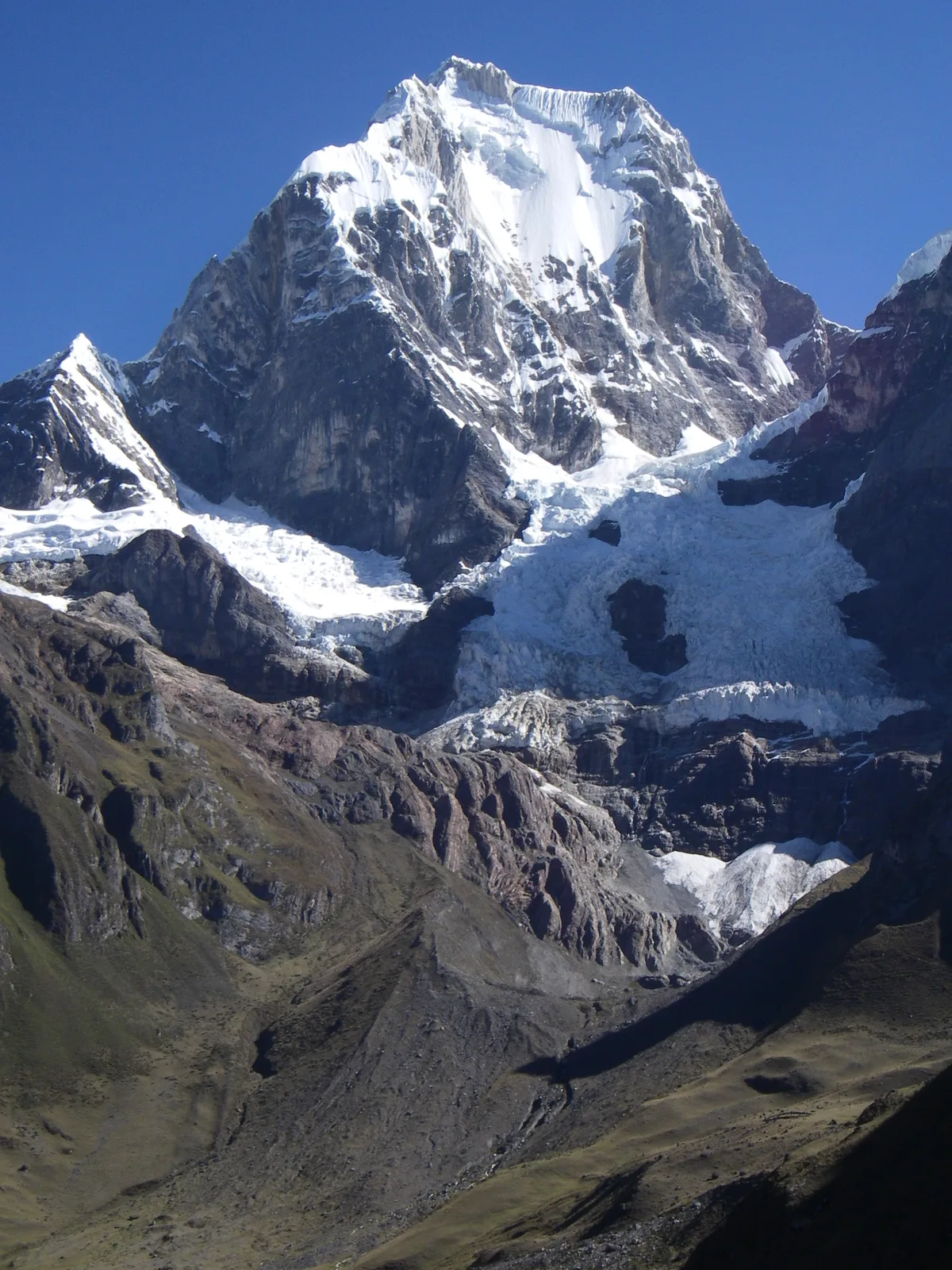
On July 31, 1950, American climbers Jim Maxwell and Dave Harrah of the Harvard Andean Mountaineering Club achieved the historic first ascent of Yerupajá (6,635 m), the second-highest peak in Peru. Enduring extreme cornice balancing and an unplanned open bivouac at 6,500 metres that caused severe frostbite, their ascent was hailed as a milestone of post-war North American alpinism.
Mountain Safety & Conditions Disclaimer: High-altitude climbing, glacial travel, and technical ascents entail severe objective risks including avalanches, serac collapses, rapid weather collapse, and altitude illness. Historical route descriptions and summit claims on Mountanity reflect documented archival sources and must not be used as live operational safety assessments. Local regulations, permits, and physical glacial topography change continuously.
Peer Review: Senior Editorial Board & Historical Reviewers • Editorial Standards
Official Expedition Narrative & Archival Record
In June 1950, a determined team of young collegiate mountaineers from the Harvard Mountaineering Club arrived in Peru targeting Mount Yerupajá (6,635 m). Soaring with sheer walls and lethal avalanches in the Cordillera Huayhuash, the peak was whispered by locals as El Carnicero (The Butcher) and stood as the highest unclimbed summit in Peru. Under the leadership of Jim Maxwell and Dave Harrah, supported by Chuck Matthews, George Bell, Austen Riggs, and Graham Matthews, the expedition established Base Camp at Laguna Jahuacocha. Over weeks of grueling labour, they pushed through the crevassed southwest glacier, erecting high camps on hanging snow platforms. On July 31, 1950, Maxwell and Harrah launched their summit assault. They negotiated steep 60-degree firn faces and straddled nerve-wracking double-sided snow cornices suspended over 4,000-foot precipices. At 5:30 p.m., they conquered the final knife-edge crest to stand atop Yerupajá. Caught by freezing darkness on descent, an ice bridge collapsed, stranding them in an emergency open bivouac without sleeping bags at 6,500 metres. Harrah suffered catastrophic frostbite to his feet, but through magnificent teamwork and heroism from their support teammates below, both men were evacuated to safety, marking one of the greatest feats in American alpine exploration.
Documented Team Composition
- Jim Maxwell (Summit Climber, USA)
- Dave Harrah (Summit Climber, USA)
- George Bell (Climber, USA)
- Chuck Matthews (Climber, USA)
- Graham Matthews (Climber, USA)
- Austen Riggs (Climber, USA)
Key Statistics & Topographic Figures
- Summit Elevation
- 6,635 m (21,768 ft, 2nd highest in Peru)
- Summit Date
- July 31, 1950 at 5:30 PM
- Bivouac Altitude
- 6,500 m (Unplanned open-air bivouac)
- Base Camp
- Laguna Jahuacocha (4,050 m)
- Frostbite Consequence
- Harrah suffered loss of all toes; Maxwell lost several toes
Archival Primary Source Quotations
“Yerupajá was not merely a mountain; it was a fortress of ice that yielded only to total devotion and brotherhood.”
Defined Alpine Terminology & Concepts
- Acheval Ridge Technique
- A method of traversing razor-sharp snow crests by sitting astride the knife-edge with one leg hanging over each side of the mountain.
- Open Andean Bivouac
- An unplanned overnight survival halt at extreme altitude without sleeping bags, tents, or supplemental heat.
Frequently Asked Questions: 1950 Harvard Andean Yerupajá Historic First Ascent Expedition
Who made the first ascent of Yerupajá in 1950?
American mountaineers Jim Maxwell and Dave Harrah of the Harvard Andean Mountaineering Club made the historic first ascent of Yerupajá (6,635 m) on July 31, 1950.
Why is Mount Yerupajá nicknamed El Carnicero?
Yerupajá was dubbed El Carnicero (The Butcher) by locals because of its relentless avalanches, sheer ice precipices, and deadly cornice collapse hazards.
How did Maxwell and Harrah survive their summit descent?
After a snow bridge collapsed and trapped them at 6,500 metres in darkness, they survived an open sub-zero bivouac without sleeping bags before being rescued by their support team.
What technical difficulties did the Harvard team encounter on Yerupajá?
The climbers negotiated 60-degree firn faces and straddled knife-edge double cornices suspended over 4,000-foot drops along the South Ridge.
Ascent Route & Topography
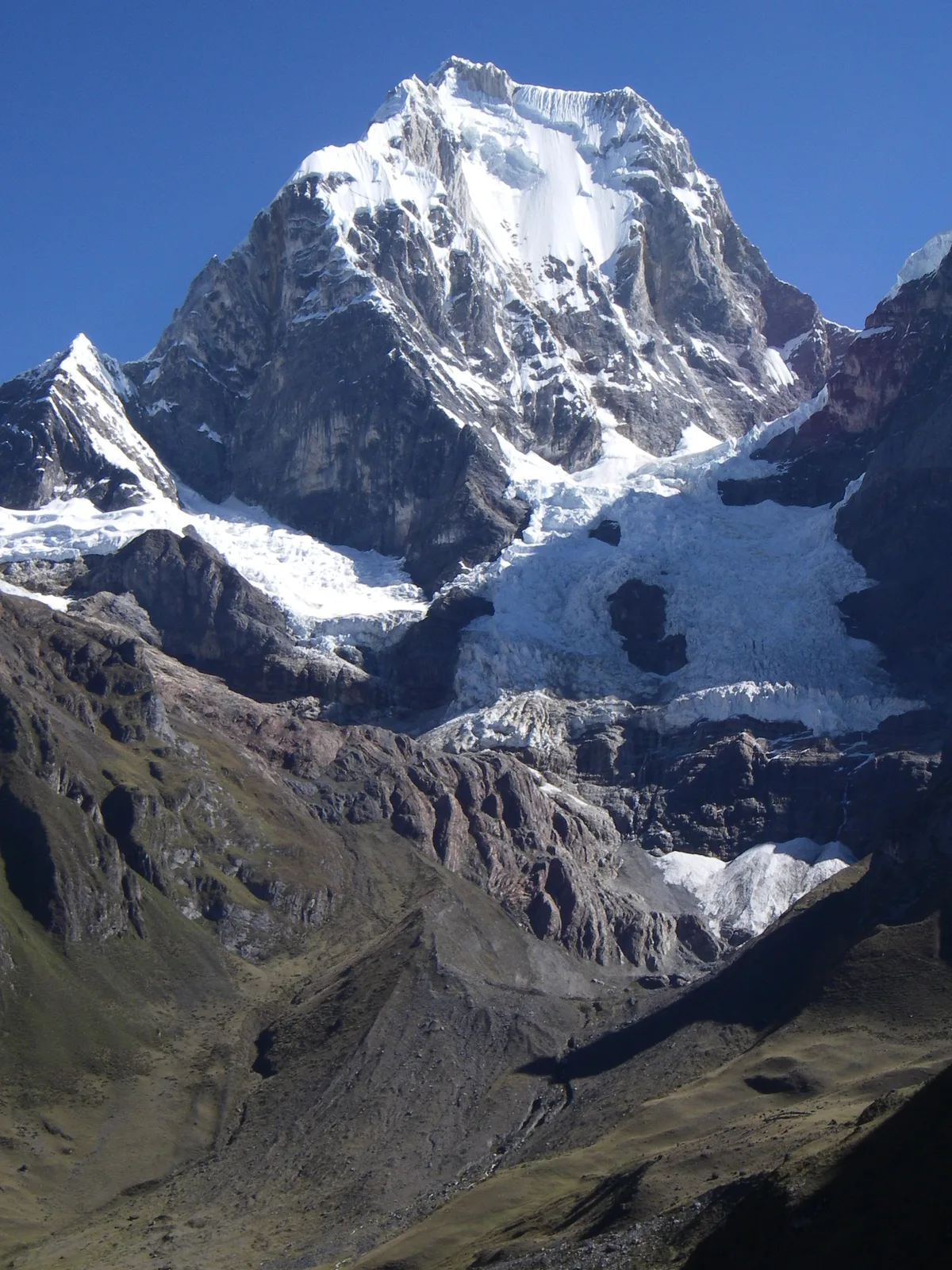
Yerupajá West Face and South Ridge
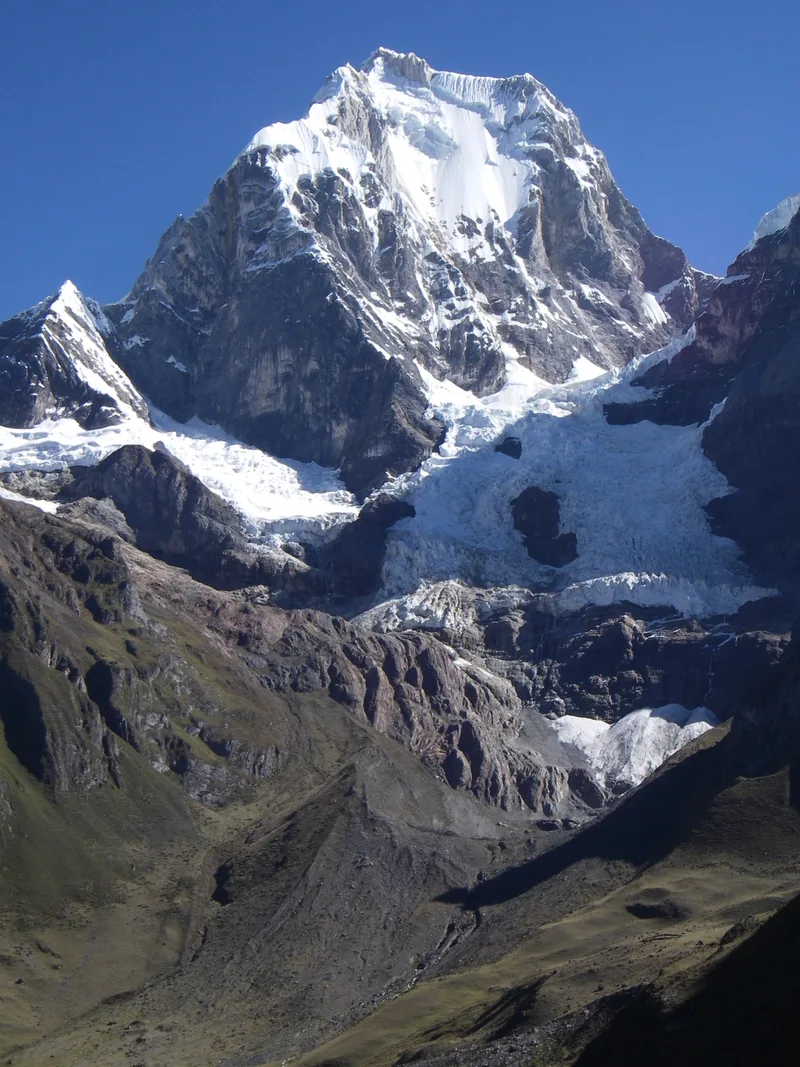
The historic first ascent route of Yerupajá ascends the glaciated western cirque and tackles the ferocious, cornice-hung South Ridge to reach Peru's second-highest summit at 6,635 metres. Pioneered on July 31, 1950, by Harvard mountaineers Jim Maxwell and Dave Harrah, the route demands mastery of steep 60-degree firn, rotten limestone crags, and nerve-testing overhanging double snow cornices suspended over two-mile drops.
Target Objective Peak
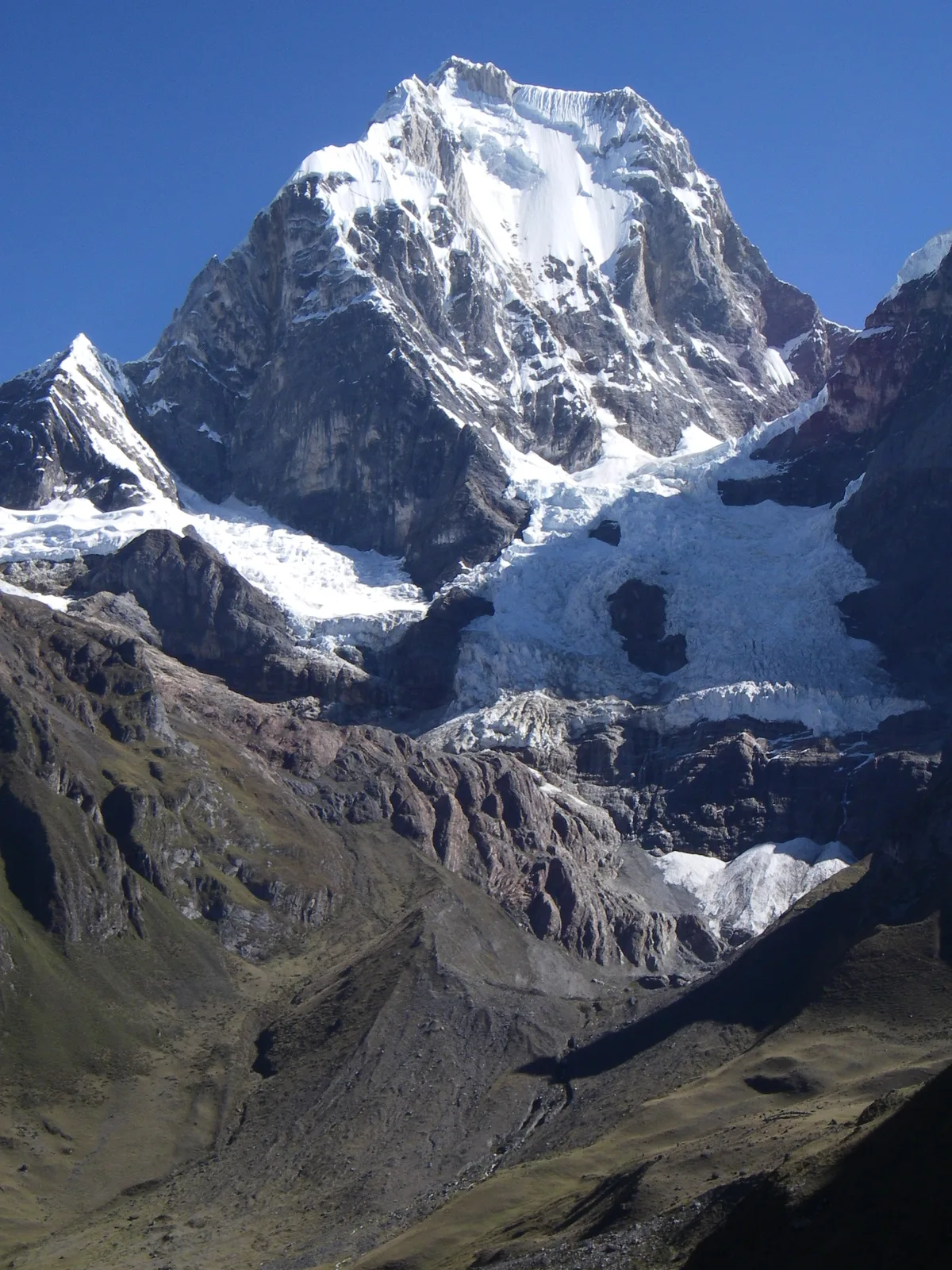

Yerupajá
Yerupajá is the second-highest peak in Peru and the undisputed monarch of the Cordillera Huayhuash, soaring to 6,635 metres. Celebrated for its razor-sharp summit cornices, vertical ice walls, and ominous local moniker El Carnicero (The Butcher), it was first climbed in July 1950 by Jim Maxwell and Dave Harrah of the Harvard Andean Mountaineering Club. In 1968, Chris Jones and Paul Dix completed the first ascent of its fearsome 1,200-metre West Face.
Featured Expedition Climbers
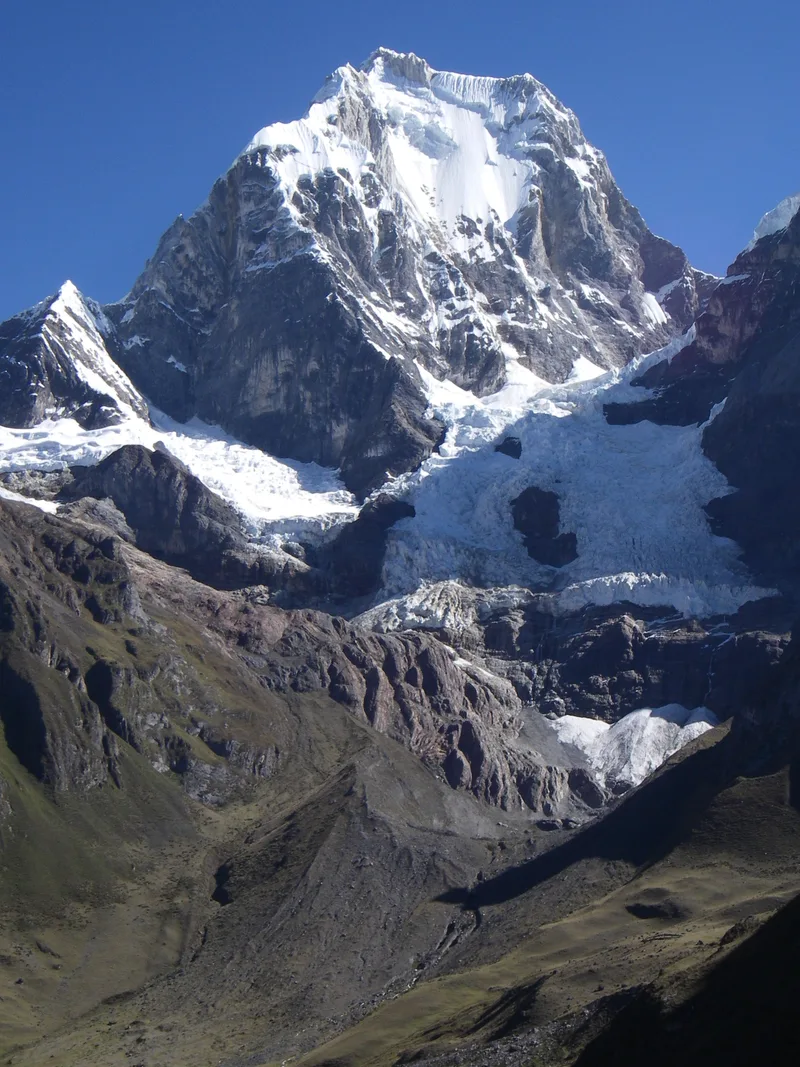
Dave Harrah
Born in 1926, David Harrah graduated from Harvard University, where he distinguished himself as both an exceptional intellect and an accomplished rock climber with the Harvard Mountaineering Club. In the summer of 1950, Harrah served as a core climbing member of the Harvard Andean Expedition targeting Mount Yerupajá (6,635 m), the second highest mountain in Peru and the undisputed monarch of the Cordillera Huayhuash. Known locally as El Carnicero, the mountain had repulsed prior European scouting parties. Harrah demonstrated remarkable icecraft, pioneering the technical passages through the lower icefall and kicking thousands of steps up the steep firn slopes of the southwest wall. Paired with Jim Maxwell for the final push, Harrah led portions of the knife-edge South Ridge, gingerly straddling overhanging snow mushrooms suspended above dizzying abysses on either side. Reaching the summit late in the day on July 31, 1950, the pair celebrated a historic milestone for American mountaineering. During the perilous descent in fading light, a snow bridge collapsed, and the climbers were forced into an emergency open bivouac at 6,500 metres in brutal freezing winds. The night of extreme exposure caused catastrophic frostbite to Harrah's feet, ultimately requiring the surgical amputation of all his toes. Despite this life-altering injury, Harrah maintained a deep love for mountaineering literature and pursued an illustrious academic career, serving for decades as Professor of Philosophy at the University of California, Riverside, where he was a leading scholar of formal logic, semantics, and game theory.
Jim Maxwell
James Maxwell grew up in the northeastern United States and joined the Harvard Mountaineering Club following World War II, during an era when American climbers were beginning to match European standards on the world's great ranges. Known for his formidable physical stamina, ice-climbing skill, and rock craft honed in the White Mountains and Shawangunks, Maxwell helped organize the ambitious 1950 Harvard Andean Expedition to Peru. The objective was Mount Yerupajá (6,635 m), the towering second-highest peak in Peru, locally feared as El Carnicero (The Butcher) due to its lethal avalanches and knife-edge summit crest. Establishing a series of camps up the glaciated southwest slopes from Laguna Jahuacocha, Maxwell and his collegiate climbing partner Dave Harrah were selected for the final summit assault. On July 31, 1950, Maxwell and Harrah pushed through intense cold, step-kicking up 60-degree firn and delicately traversing monstrous overhanging double cornices suspended over 4,000-foot precipices. At late afternoon, they stood victorious atop Yerupajá's 6,635-metre pinnacle, claiming the first ascent of the greatest unclimbed peak in the Americas. Caught by darkness during the descent, the pair were forced to endure an unplanned open bivouac at 6,500 metres in temperatures plunging far below zero. Despite severe frostbite that later required the amputation of several toes, Maxwell displayed magnificent fortitude in shepherding his frostbitten partner down the mountain to safety. Maxwell's ascent marked the coming-of-age of American high-altitude mountaineering in the Andes and earned him enduring respect in alpine history.
Associated Historical Chronicles & Stories
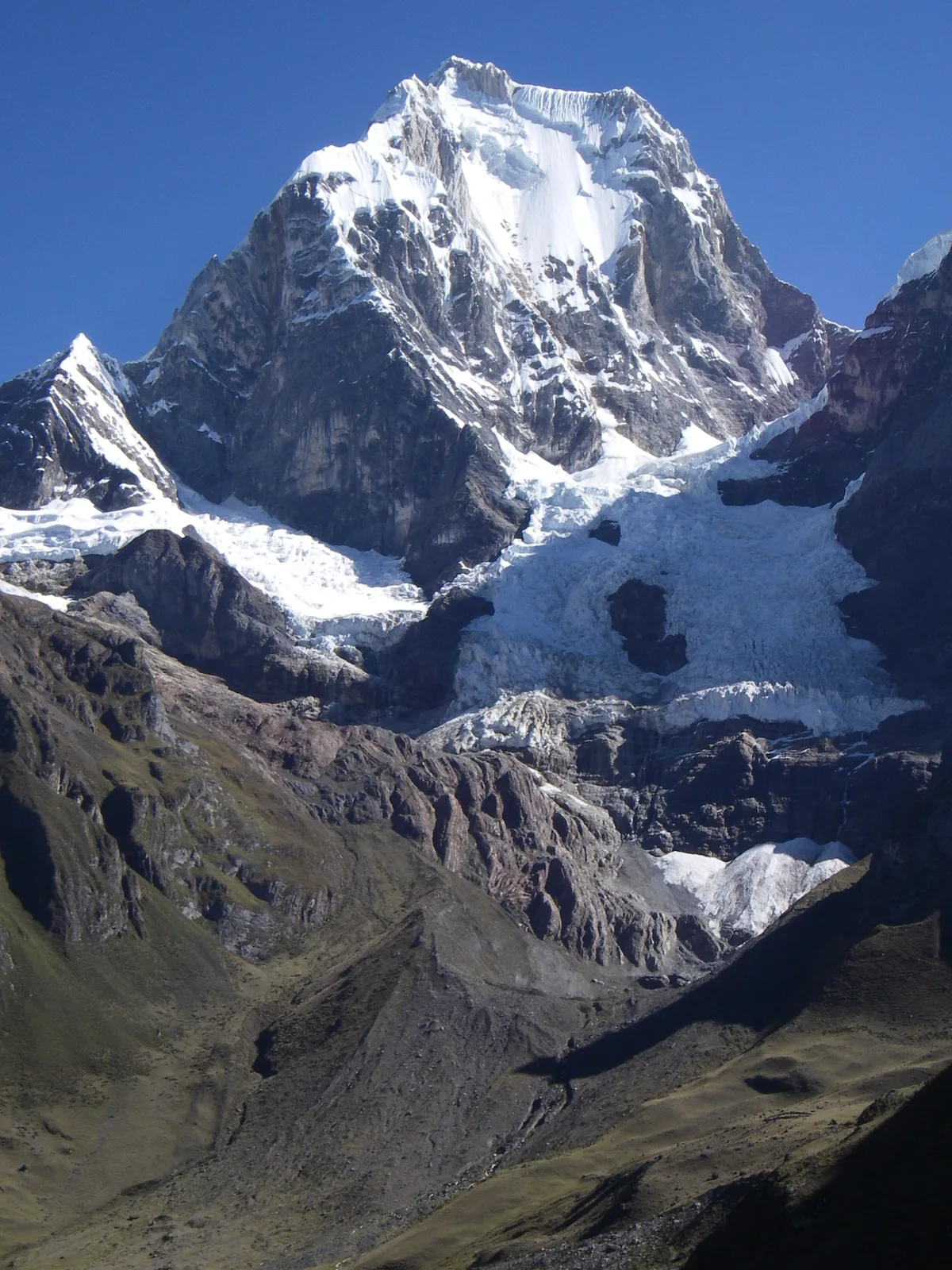
Conquering The Butcher: The 1950 Harvard First Ascent of Yerupajá
On July 31, 1950, Harvard mountaineers Jim Maxwell and Dave Harrah conquered Yerupajá (6,635 m), surviving knife-edge double cornices and an emergency sub-zero bivouac.
Documented Sources & Archival Citations
- The Butcher: The Ascent of Yerupajá(John Sack / Rinehart & Company)
Supporting claim: Official book detailing the planning, climbing, summit victory, and heroic evacuation from Yerupajá
Accessed/Documented: 1952 - American Alpine Journal: Harvard Andean Expedition 1950(Dave Harrah / American Alpine Club)
Supporting claim: Firsthand expedition report detailing technical route difficulties and high camps
Accessed/Documented: 1951