Yerupajá
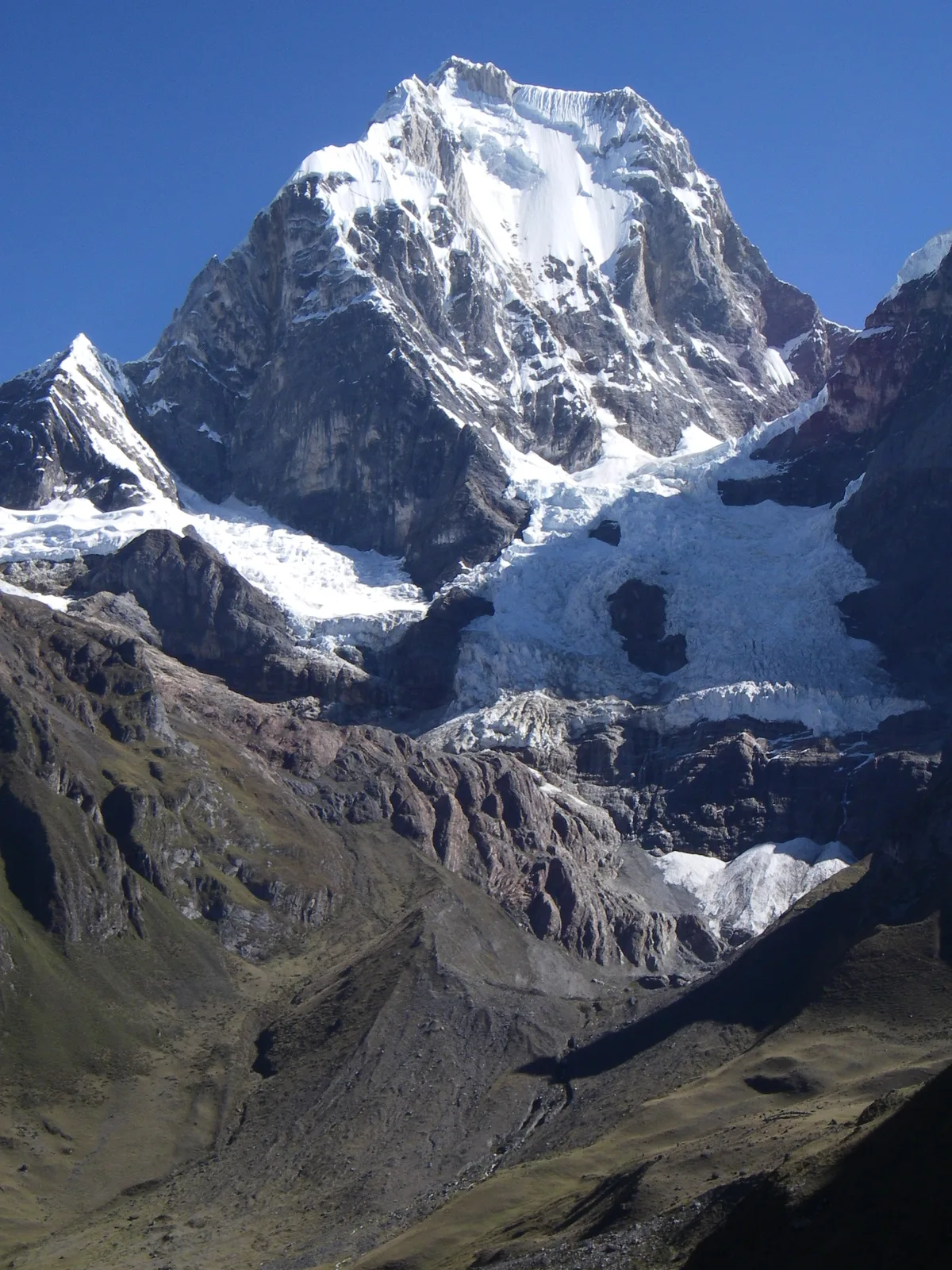
Yerupajá is the second-highest peak in Peru and the undisputed monarch of the Cordillera Huayhuash, soaring to 6,635 metres. Celebrated for its razor-sharp summit cornices, vertical ice walls, and ominous local moniker El Carnicero (The Butcher), it was first climbed in July 1950 by Jim Maxwell and Dave Harrah of the Harvard Andean Mountaineering Club.

Mountain Safety & Conditions Disclaimer: High-altitude climbing, glacial travel, and technical ascents entail severe objective risks including avalanches, serac collapses, rapid weather collapse, and altitude illness. Historical route descriptions and summit claims on Mountanity reflect documented archival sources and must not be used as live operational safety assessments. Local regulations, permits, and physical glacial topography change continuously.
Peer Review: Senior Editorial Board & Historical Reviewers • Editorial Standards
Geographical Setting & Topography
Yerupajá dominates the central crest of the Cordillera Huayhuash, forming a tri-point boundary between the Ancash, Huánuco, and Lima regions. It is flanked by Yerupajá Chico to the north and Siula Grande to the south. Its sheer western face plunges dramatically toward Laguna Jahuacocha, while its glaciated eastern cirque feeds the Amazon headwaters.
Historic First Ascent
Date: 1950-07-31
Ascent Team: Jim Maxwell and Dave Harrah
Key Statistics & Topographic Figures
- Summit Elevation
- 6,635 m (21,768 ft, 2nd highest in Peru)
- Prominence
- 2,028 m (Ultra-prominent peak)
- First Ascent
- July 31, 1950 (Maxwell & Harrah)
- West Face Height
- 1,200 vertical metres of fluted ice
- Base Lake
- Laguna Jahuacocha (4,050 m)
Archival Primary Source Quotations
“To look upon Yerupajá is to look upon the supreme challenge of Andean mountaineering: towering, terrifying, and majestic.”
Defined Alpine Terminology & Concepts
- Ultra-Prominent Peak
- A mountain possessing topographic prominence of 1,500 metres (4,921 ft) or more above its lowest connecting col.
- Corniced Ridge Crest
- A narrow alpine spine where snow builds out over vertical voids, prone to sudden and catastrophic collapse.
Yerupajá Mountain Weather Forecast
Detailed 14-Day Summit Window & Weather Timeline
Explore day-by-day summit push safety windows, wind shear analysis, and extended multi-day forecasts for Yerupajá.
Explore Yerupajá (6,635 m) in Interactive 3D
Inspect steep glacial walls, hanging seracs, ridge approaches, and elevation relief with 360° rotation and terrain tilt in WebGL.
Documented Climbing Routes (1)
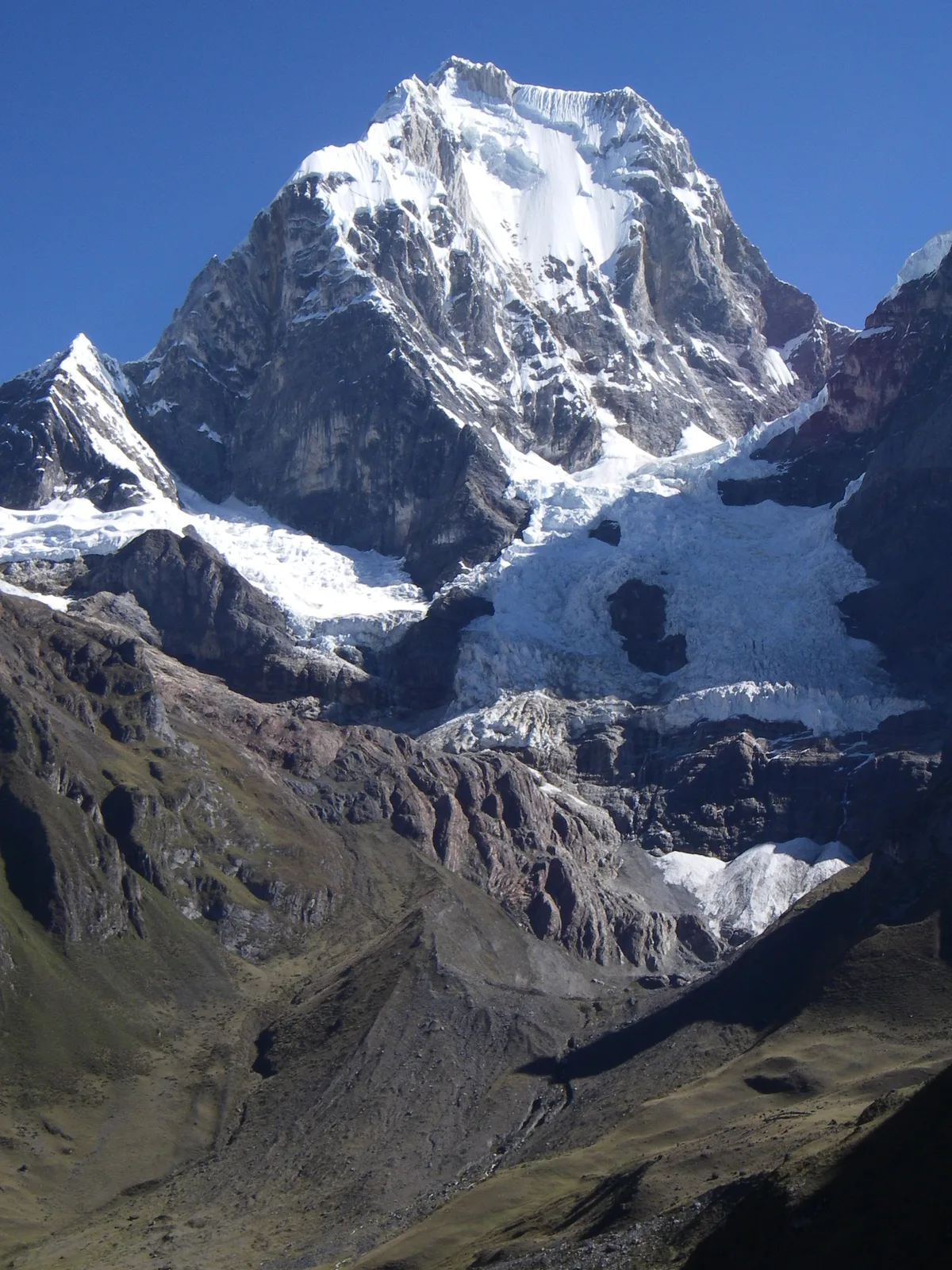
Yerupajá West Face and South Ridge
The historic first ascent route of Yerupajá ascends the glaciated western cirque and tackles the ferocious, cornice-hung South Ridge to reach Peru's second-highest summit at 6,635 metres. Pioneered on July 31, 1950, by Harvard mountaineers Jim Maxwell and Dave Harrah, the route demands mastery of steep 60-degree firn, rotten limestone crags, and nerve-testing overhanging double snow cornices suspended over two-mile drops.
Historical Expeditions (2)
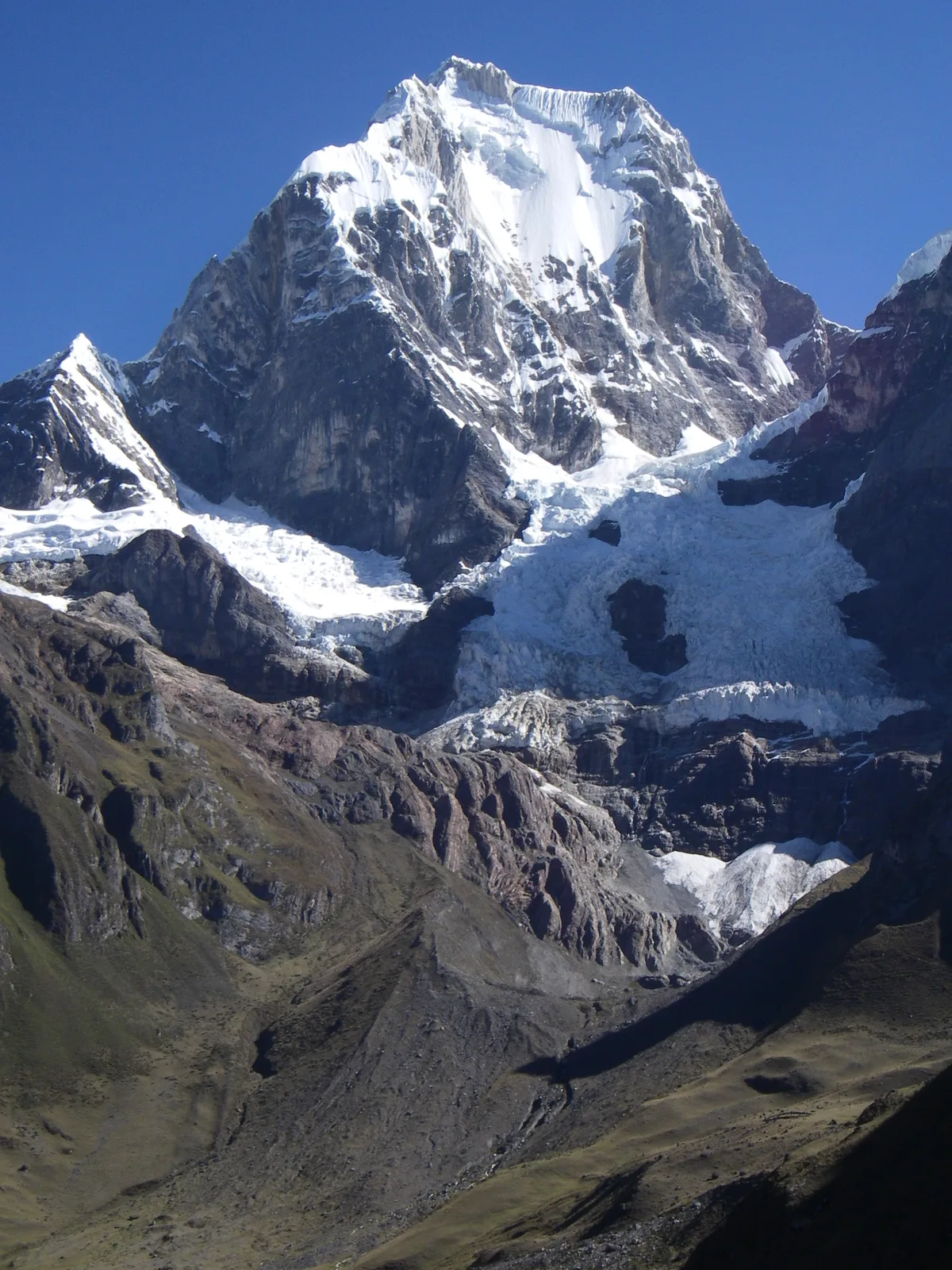
1950 Harvard Andean Yerupajá Historic First Ascent Expedition
On July 31, 1950, American climbers Jim Maxwell and Dave Harrah of the Harvard Andean Mountaineering Club achieved the historic first ascent of Yerupajá (6,635 m), the second-highest peak in Peru. Enduring extreme cornice balancing and an unplanned open bivouac at 6,500 metres that caused severe frostbite, their ascent was hailed as a milestone of post-war North American alpinism.
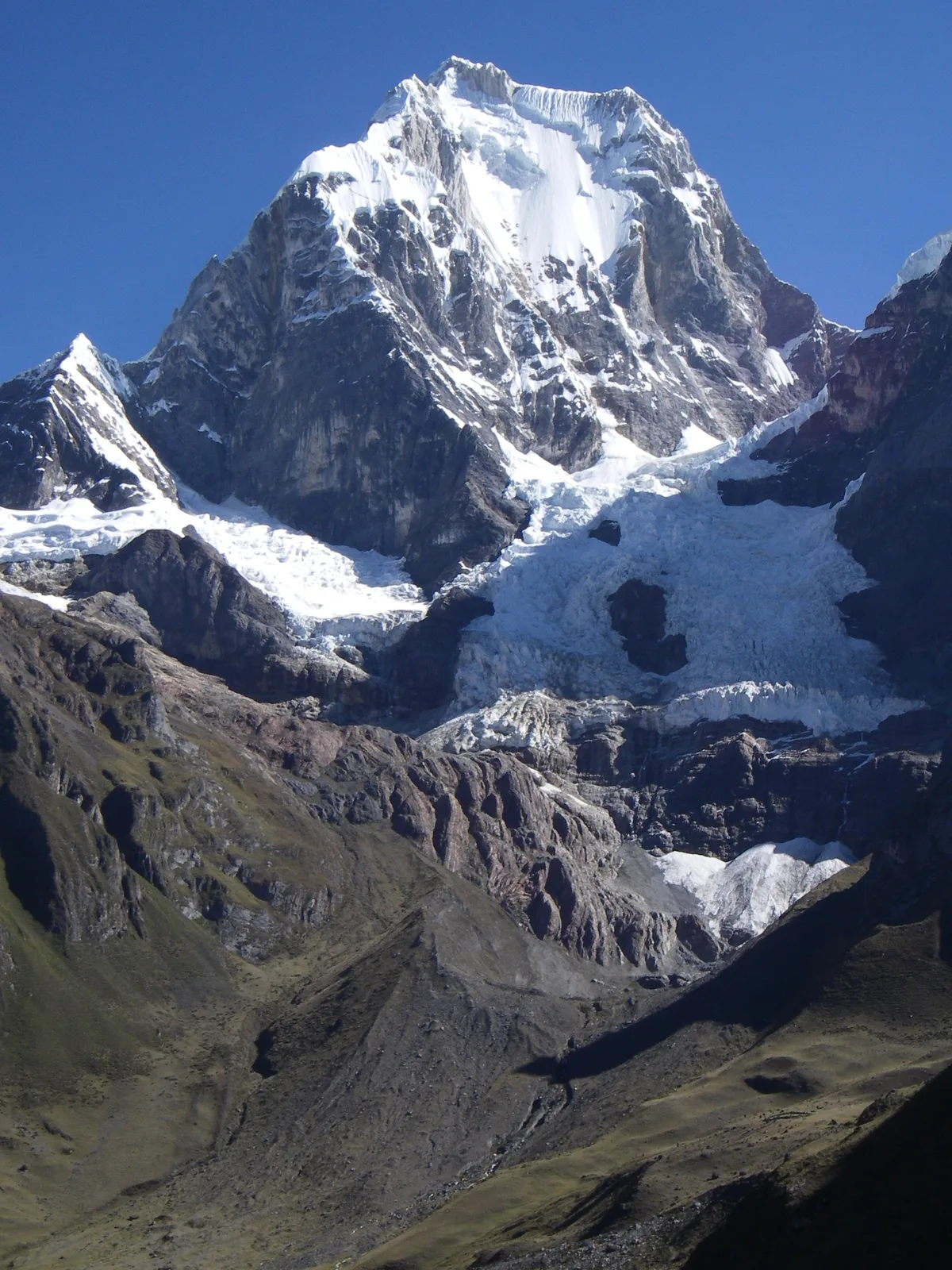
1968 Jones-Dix Yerupajá West Face Historic Direct Ascent
On July 27, 1968, British climber Chris Jones and American alpinist Paul Dix, supported by Dean Caldwell and Leif Patterson, completed the historic first ascent of the terrifying 1,200-metre West Face of Yerupajá (6,635 m). Braving relentless spindrift avalanches, vertical ice flutings, and hanging bivouacs, they unlocked the premier big-wall ice face of the Andes.
Summit Chronicles & Stories (2)
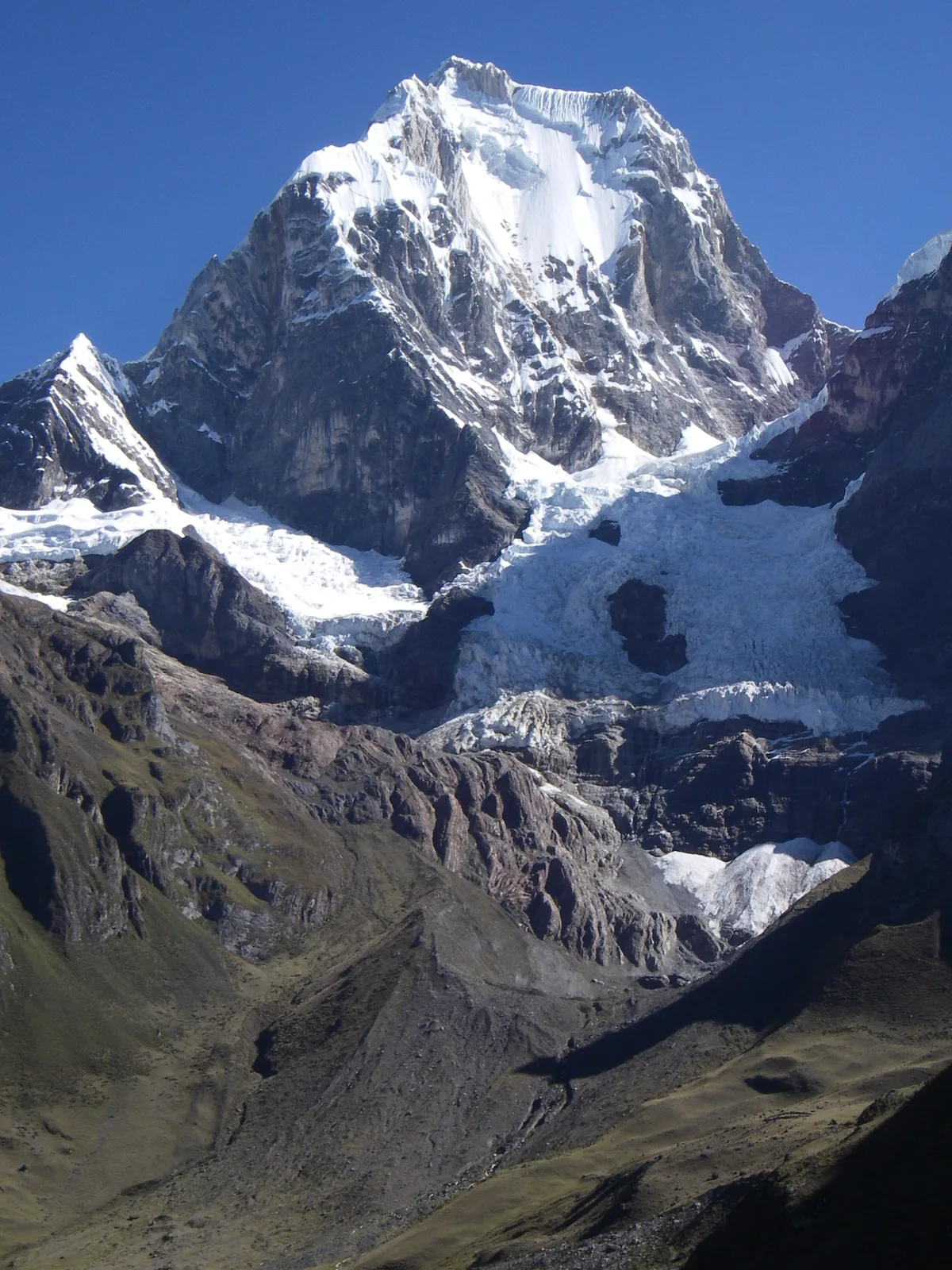
Conquering The Butcher: The 1950 Harvard First Ascent of Yerupajá
On July 31, 1950, Harvard mountaineers Jim Maxwell and Dave Harrah conquered Yerupajá (6,635 m), surviving knife-edge double cornices and an emergency sub-zero bivouac.
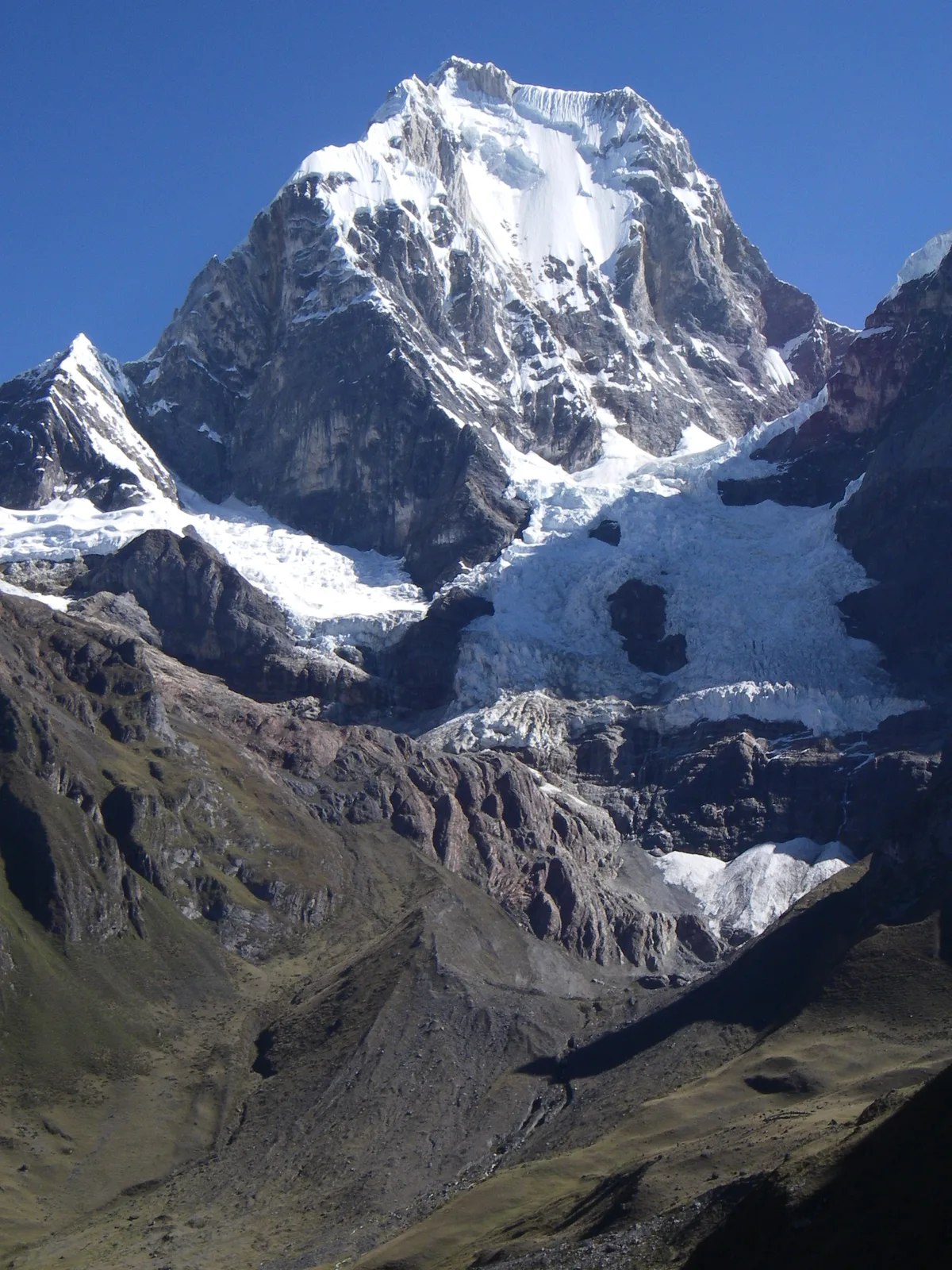
Direct on El Carnicero: The 1968 West Face of Yerupajá
On July 27, 1968, Chris Jones and Paul Dix unlocked the 1,200-metre direct West Face of Yerupajá (6,635 m), achieving one of the greatest big-wall ice ascents of the era.
Frequently Asked Questions: Yerupajá
What is the elevation and rank of Yerupajá in Peru?
Yerupajá stands at 6,635 metres (21,768 ft), making it the second-highest mountain in Peru and the highest summit in the Cordillera Huayhuash.
Who made the first ascent of Yerupajá?
Harvard mountaineers Jim Maxwell and Dave Harrah achieved the historic first ascent on July 31, 1950, via the South Ridge.
Why is Yerupajá called El Carnicero?
Locals called it El Carnicero (The Butcher) because of its sheer avalanches, razor-thin snow cornices, and lethal drops.
When was the West Face of Yerupajá climbed?
The 1,200-metre direct West Face was first conquered on July 27, 1968, by Chris Jones and Paul Dix.
Documented Sources & Archival Citations
- The Butcher: The Ascent of Yerupajá(John Sack / Rinehart & Company)
Supporting claim: Definitive historical narrative of the 1950 Harvard expedition and Maxwell-Harrah first ascent
Accessed/Documented: 1952 - American Alpine Journal: Yerupajá's West Face(Chris Jones / American Alpine Club)
Supporting claim: First-person report of the 1968 direct West Face climb by Jones, Dix, Caldwell, and Patterson
Accessed/Documented: 1969