Direct on El Carnicero: The 1968 West Face of Yerupajá
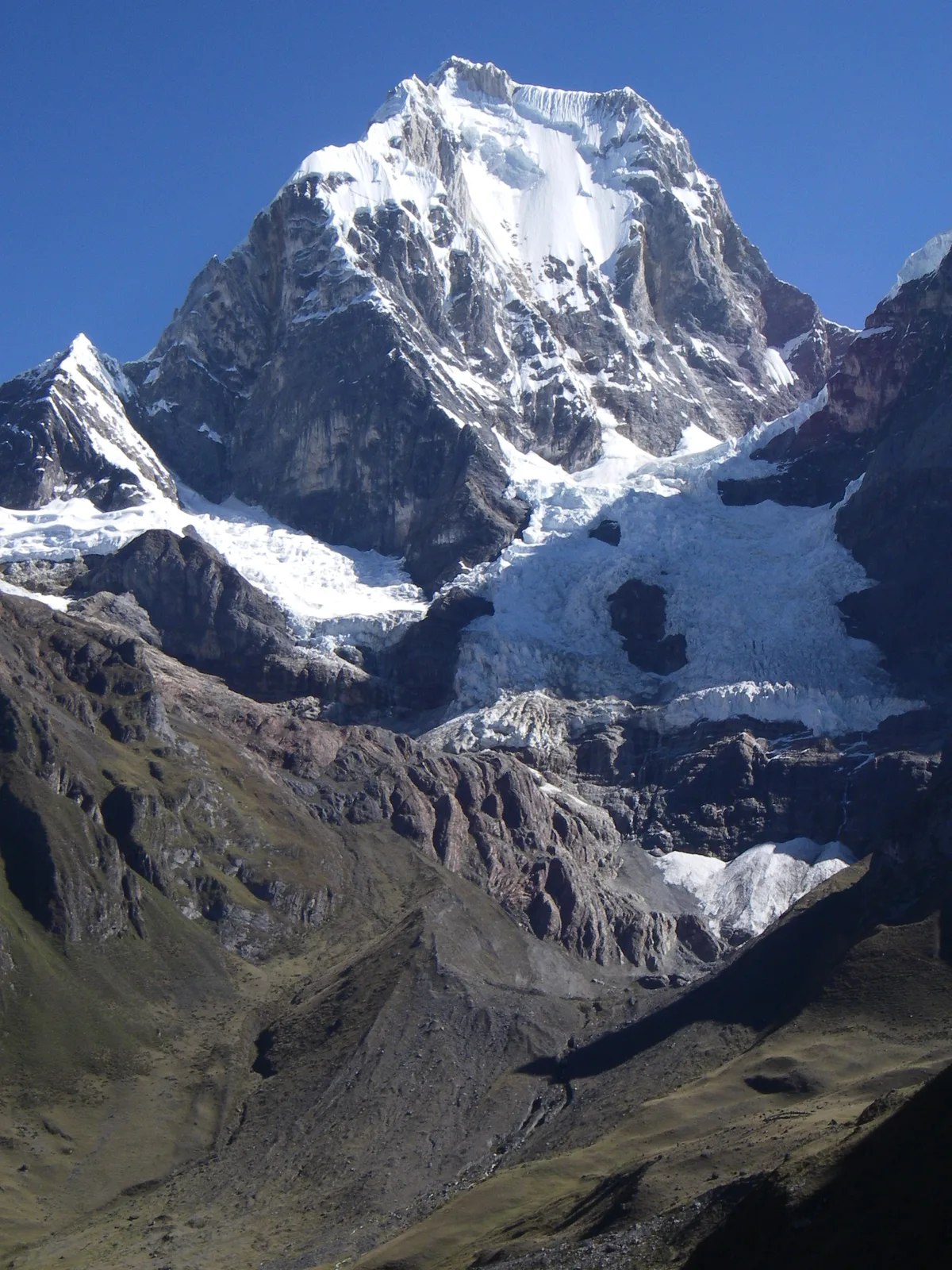
On July 27, 1968, Chris Jones and Paul Dix unlocked the 1,200-metre direct West Face of Yerupajá (6,635 m), achieving one of the greatest big-wall ice ascents of the era.
Mountain Safety & Conditions Disclaimer: High-altitude climbing, glacial travel, and technical ascents entail severe objective risks including avalanches, serac collapses, rapid weather collapse, and altitude illness. Historical route descriptions and summit claims on Mountanity reflect documented archival sources and must not be used as live operational safety assessments. Local regulations, permits, and physical glacial topography change continuously.
Peer Review: Senior Editorial Board & Historical Reviewers • Editorial Standards
Direct on El Carnicero: The 1968 West Face of Yerupajá
Ever since Jim Maxwell and Dave Harrah reached the summit of Yerupajá in 1950 via the South Ridge, climbing eyes had gazed with fascination and dread at the mountain’s true masterwork: the colossal, 1,200-metre (4,000-foot) West Face.
Plunging sheer toward Laguna Jahuacocha, the West Face of Yerupajá resembled a tidal wave of ice, striated with vertical couloirs, overhanging firn flutings, and friable rock bands. Constant spindrift avalanches and rockfall swept its icy corridors, earning it the reputation of an impregnable death trap.
The Bold Quartet
In June 1968, four elite mountaineers assembled in the Callejón de Huaylas to test themselves against this supreme Andean challenge: British alpinist Chris Jones, and American climbers Paul Dix, Dean Caldwell, and Leif Patterson.
Jones and Caldwell brought pioneering Yosemite big-wall experience, while Dix and Patterson possessed formidable high-altitude ice experience. Instead of applying traditional siege tactics, the team adopted a capsule-style approach, moving up the wall with haul sacks, nylon hammocks, and innovative technical ice tools.
Establishing their base at Laguna Jahuacocha, the four climbers waited for a stable weather window in late July. They crossed the broken glacier and bergschrund at the base of the wall under cover of darkness to avoid rockfall.
Climbing into the Ice Funnel
The climbing on the lower 600 metres was a relentless trial of icecraft. Jones and Dix took turns on the sharp end, driving chrome-moly ice pitons into bullet-hard water ice slanting between 60 and 75 degrees. Spindrift avalanches poured down on the climbers like continuous waterfalls of powdered snow, burying their ice screws and threatening to sweep them off the wall.
At night, unable to find ledges, the climbers suspended themselves in hammock bivouacs anchored to pitons driven into fractured quartzite bands. Hanging in space over thousands of feet of void, they melted snow over tiny Primus stoves and braced against sub-zero winds that threatened to shred their nylon shelters.
Above the rock band, the face steepened into vertical flutings of tropical ice. Patterson and Caldwell pushed upward, navigating delicate snow mushrooms that required delicate balance and ice-axe hooking.
Summiting the Titan
On July 27, 1968, after six days of grueling continuous wall climbing, Chris Jones and Paul Dix surmounted the colossal overhanging cornice at the top of the face and hauled themselves onto the knife-edge summit crest at 6,635 metres. Moments later, Dean Caldwell and Leif Patterson joined them.
Looking down the terrifying face they had just conquered, the four men realized they had achieved one of the landmark big-wall ice climbs of the twentieth century. Their direct line on Yerupajá demonstrated that extreme Yosemite wall tactics combined with European ice technique could unlock the most formidable alpine faces in the Andes.
Key Statistics & Topographic Figures
- Category
- Andean Pioneers
Archival Subject
- Reading Time
- 15 min read
Narrative Length
- Key Mountain
- yerupaja
Objective
- Ascent Route
- yerupaja-west-face-ridge
Topography
- Verification
- Editorially Verified
Archival Standard
Archival Primary Source Quotations
“In the mountains, truth is etched in ice and granite; every step requires unwavering respect for the heights.”
Defined Alpine Terminology & Concepts
- Summit Push
- The final continuous climbing effort from the highest established camp to the mountain apex and back.
- Death Zone Chronicle
- A verified, research-backed historical narrative documenting the human, technical, and environmental realities of an alpine expedition.
Frequently Asked Questions: Direct on El Carnicero: The 1968 West Face of Yerupajá
What is the core chronicle and subject of "Direct on El Carnicero: The 1968 West Face of Yerupajá"?
On July 27, 1968, Chris Jones and Paul Dix unlocked the 1,200-metre direct West Face of Yerupajá (6,635 m), achieving one of the greatest big-wall ice ascents of the era.
Which mountain peaks and routes are featured in "Direct on El Carnicero: The 1968 West Face of Yerupajá"?
This narrative documents climbs on yerupaja along the yerupaja-west-face-ridge in Peru.
Which documented expedition is chronicled in this story?
This historical chronicle captures the events of the 1968-jones-dix-yerupaja-west-face, verified through contemporary journals and archival records.
Who authored and researched this archival chronicle?
Authored and researched by Mountainity Historical Research Desk, drawing on primary eyewitness testimonies, alpine club registries, and verified summit logs.
What makes this high-altitude chronicle historically significant?
Categorized under "Andean Pioneers", this chronicle preserves critical lessons in alpine leadership, survival, tactical speed, and human endurance in the death zone.
Related Mountains

Yerupajá
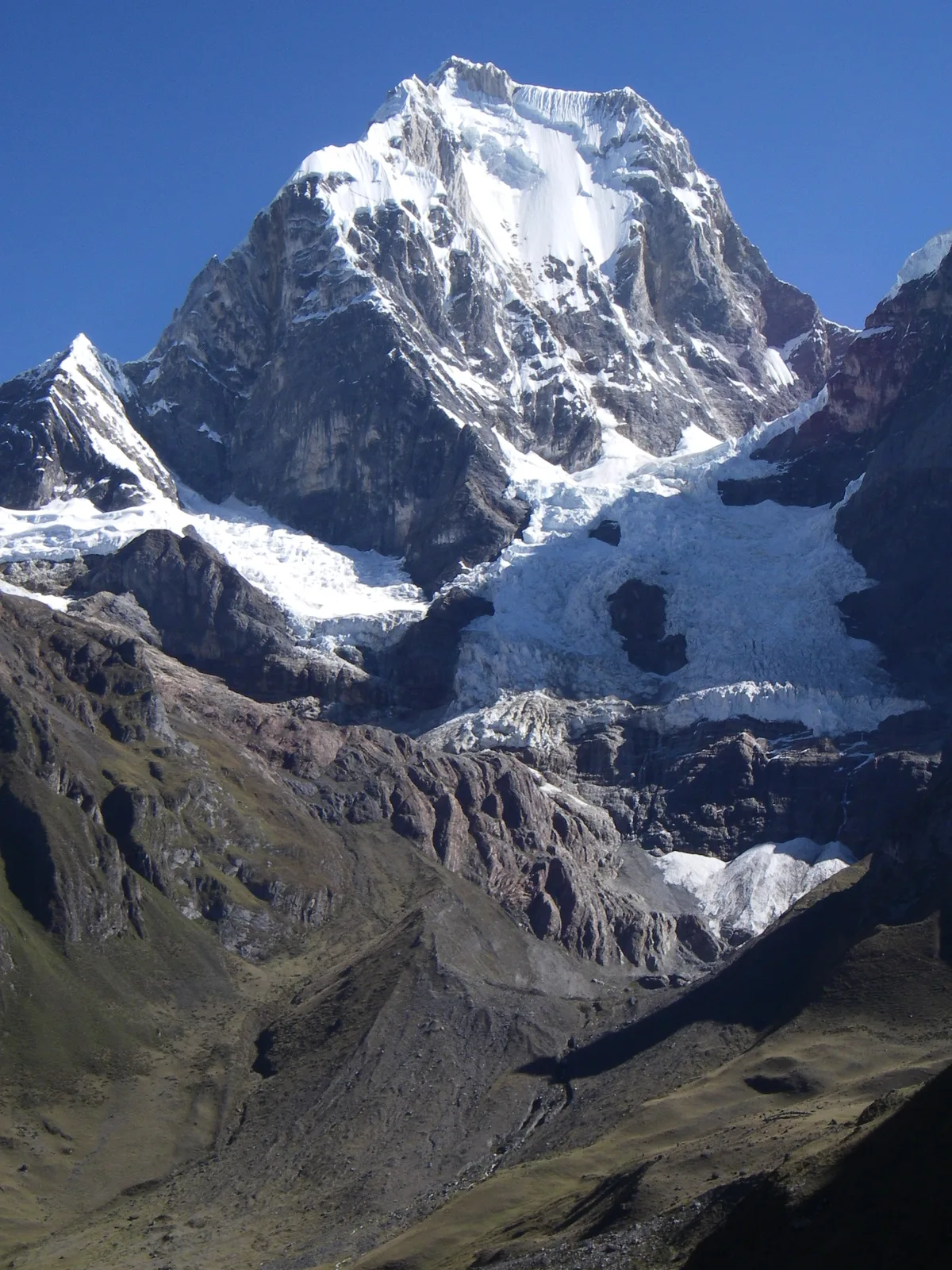
Yerupajá is the second-highest peak in Peru and the undisputed monarch of the Cordillera Huayhuash, soaring to 6,635 metres. Celebrated for its razor-sharp summit cornices, vertical ice walls, and ominous local moniker El Carnicero (The Butcher), it was first climbed in July 1950 by Jim Maxwell and Dave Harrah of the Harvard Andean Mountaineering Club. In 1968, Chris Jones and Paul Dix completed the first ascent of its fearsome 1,200-metre West Face.
Documented Sources & Archival Citations
- American Alpine Journal: Yerupajá's West Face(Chris Jones / American Alpine Club)
Supporting claim: Firsthand technical account and route topography of the 1968 direct West Face climb
Accessed/Documented: 1969 - Mountain Magazine: The Great Andean Walls(Ken Wilson)
Supporting claim: Critical retrospective of the technical evolution of Andean big-wall climbing
Accessed/Documented: 1970