Conquering The Butcher: The 1950 Harvard First Ascent of Yerupajá
On July 31, 1950, Harvard mountaineers Jim Maxwell and Dave Harrah conquered Yerupajá (6,635 m), surviving knife-edge double cornices and an emergency sub-zero bivouac.
Mountain Safety & Conditions Disclaimer: High-altitude climbing, glacial travel, and technical ascents entail severe objective risks including avalanches, serac collapses, rapid weather collapse, and altitude illness. Historical route descriptions and summit claims on Mountanity reflect documented archival sources and must not be used as live operational safety assessments. Local regulations, permits, and physical glacial topography change continuously.
Peer Review: Senior Editorial Board & Historical Reviewers • Editorial Standards
Conquering The Butcher: The 1950 Harvard First Ascent of Yerupajá
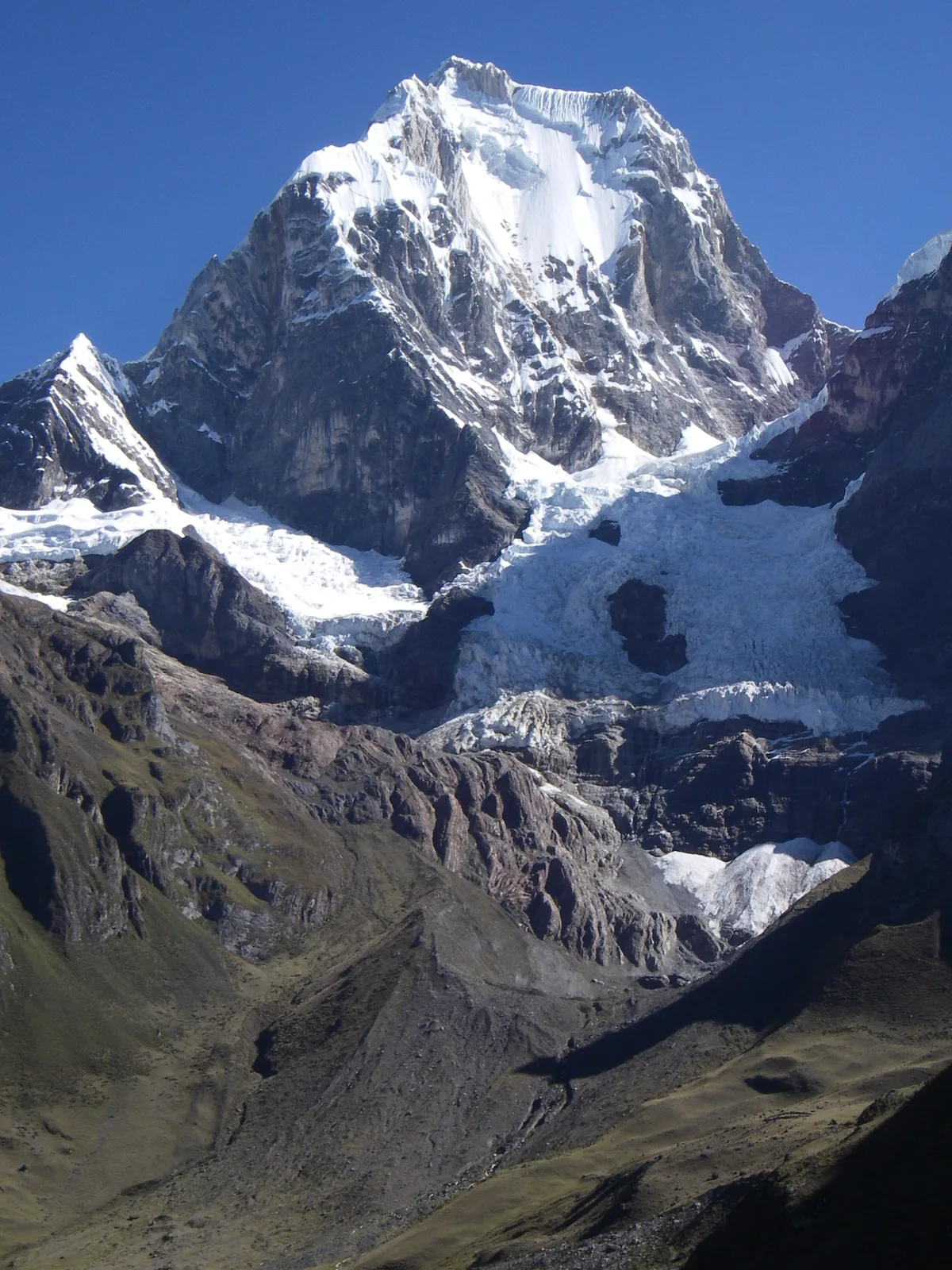
In the heart of the Peruvian Andes, rising like a jagged blade of ice above the alpine lakes of the Cordillera Huayhuash, stands Mount Yerupajá. At 6,635 metres (21,768 feet), it is the second-highest mountain in Peru and one of the most terrifying massifs on Earth. Quechua villagers referred to it as El Carnicero—The Butcher—a name born from the thundering avalanches that constantly tore down its fluted walls.
By 1950, Yerupajá stood as the highest unclimbed peak in the Americas. European and South American expeditions had scouted its approaches and retreated, intimidated by its vertical ice headwalls and monstrous, overhanging summit cornices.
The Harvard Mountaineering Club Takes Up the Challenge
In the spring of 1950, a group of bold collegiate mountaineers from the Harvard Mountaineering Club decided to test themselves against the giant. Led by Jim Maxwell and Dave Harrah, and supported by George Bell, Chuck Matthews, Graham Matthews, and Austen Riggs, the young Americans assembled an expedition characterized by exceptional camaraderie and technical daring.
Establishing their Base Camp at the emerald shores of Laguna Jahuacocha at 4,050 metres, the team gazed up at Yerupajá’s staggering 8,000-foot western face. Recognizing that a direct assault was suicidal due to ice avalanches, Maxwell and Harrah mapped an intricate route threading through the glaciated southwest cirque toward the razor-sharp South Ridge.
Over weeks of exhausting effort, the team ferried loads, kicked steps across 50-degree firn ramps, and established Camp 1 at 5,200 metres, followed by a precarious Camp 2 perched on an ice terrace at 6,100 metres beneath the summit ridge.
The Knife-Edge Ridge of El Carnicero
On July 31, 1950, Jim Maxwell and Dave Harrah set off on their final summit bid. The climbing immediately entered terrain of unprecedented extremity. To gain the summit, they were forced to traverse the South Ridge—a knife-edge spine of rotten firn draped in gigantic double cornices that hung out over multi-thousand-foot voids on both sides.
In places, the ridge was so sharp that the climbers had to straddle it like a horse, kicking their feet into empty air on either side. A single cornice collapse would plunge both men into the abyss. Maxwell and Harrah took turns leading, carefully testing each snow mushroom with their ice axes before trusting their weight to it.
At 5:30 p.m., under a deepening purple sky, Maxwell and Harrah crested the final snow dome and stepped onto the virgin summit of Yerupajá at 6,635 metres. They had solved the greatest unclimbed problem in the Western Hemisphere.
The Ordeal of the Sub-Zero Bivouac
Their triumph was instantly shadowed by mortal danger. With sunset fading into bitter Andean darkness, the climbers had to retrace their steps across the corniced ridge. As Harrah crossed a narrow snow bridge, the structure gave way beneath him. Maxwell arrested the fall with a lightning-fast ice-axe belay, but Harrah’s pack slipped into the chasm.
Stranded on a narrow ledge at 6,500 metres in temperatures plunging below minus-twenty degrees, and without sleeping bags or a tent, the two men had no choice but to endure an open bivouac. Throughout the endless night, they beat their hands and stamped their boots against the ice to fend off deadly hypothermia.
By morning, Harrah’s feet were frozen solid like blocks of wood, and Maxwell’s fingers were blackened with frostbite. In an epic display of will, Maxwell belayed Harrah down pitch after pitch of steep ice until their waiting teammates from Camp 2 rushed upward to assist them.
Although Harrah ultimately lost his toes to frostbite, the 1950 Harvard ascent of Yerupajá was celebrated internationally as one of the bravest and most audacious achievements in the history of American mountaineering.
Key Statistics & Topographic Figures
- Category
- Andean Pioneers
Archival Subject
- Reading Time
- 16 min read
Narrative Length
- Key Mountain
- yerupaja
Objective
- Ascent Route
- yerupaja-west-face-ridge
Topography
- Verification
- Editorially Verified
Archival Standard
Archival Primary Source Quotations
“In the mountains, truth is etched in ice and granite; every step requires unwavering respect for the heights.”
Defined Alpine Terminology & Concepts
- Summit Push
- The final continuous climbing effort from the highest established camp to the mountain apex and back.
- Death Zone Chronicle
- A verified, research-backed historical narrative documenting the human, technical, and environmental realities of an alpine expedition.
Frequently Asked Questions: Conquering The Butcher: The 1950 Harvard First Ascent of Yerupajá
What is the core chronicle and subject of "Conquering The Butcher: The 1950 Harvard First Ascent of Yerupajá"?
On July 31, 1950, Harvard mountaineers Jim Maxwell and Dave Harrah conquered Yerupajá (6,635 m), surviving knife-edge double cornices and an emergency sub-zero bivouac.
Which mountain peaks and routes are featured in "Conquering The Butcher: The 1950 Harvard First Ascent of Yerupajá"?
This narrative documents climbs on yerupaja along the yerupaja-west-face-ridge in Peru.
Which documented expedition is chronicled in this story?
This historical chronicle captures the events of the 1950-maxwell-harrah-yerupaja-first-ascent, verified through contemporary journals and archival records.
Who authored and researched this archival chronicle?
Authored and researched by Mountainity Historical Research Desk, drawing on primary eyewitness testimonies, alpine club registries, and verified summit logs.
What makes this high-altitude chronicle historically significant?
Categorized under "Andean Pioneers", this chronicle preserves critical lessons in alpine leadership, survival, tactical speed, and human endurance in the death zone.
Related Mountains

Yerupajá
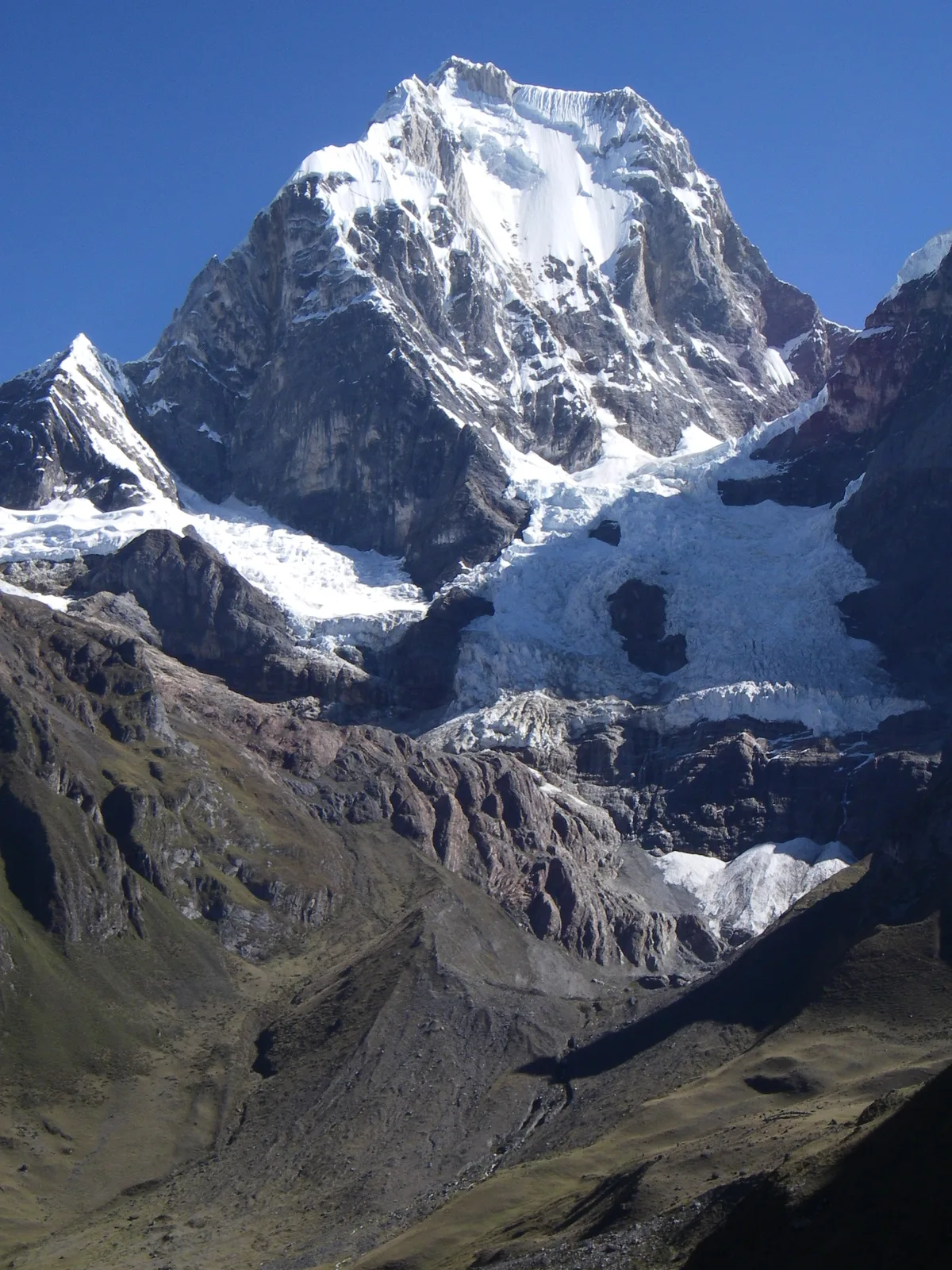
Yerupajá is the second-highest peak in Peru and the undisputed monarch of the Cordillera Huayhuash, soaring to 6,635 metres. Celebrated for its razor-sharp summit cornices, vertical ice walls, and ominous local moniker El Carnicero (The Butcher), it was first climbed in July 1950 by Jim Maxwell and Dave Harrah of the Harvard Andean Mountaineering Club. In 1968, Chris Jones and Paul Dix completed the first ascent of its fearsome 1,200-metre West Face.
Documented Sources & Archival Citations
- The Butcher: The Ascent of Yerupajá(John Sack / Rinehart & Company)
Supporting claim: Complete firsthand narrative of the Harvard Andean Expedition and the dramatic Maxwell-Harrah ascent
Accessed/Documented: 1952 - American Alpine Journal: Harvard Andean Expedition 1950(Dave Harrah / American Alpine Club)
Supporting claim: Official expedition report documenting high camps, ridge difficulties, and medical rescue
Accessed/Documented: 1951