1979 Nicolas Jaeger 60-Day High-Altitude Solitary Survival on Huascarán
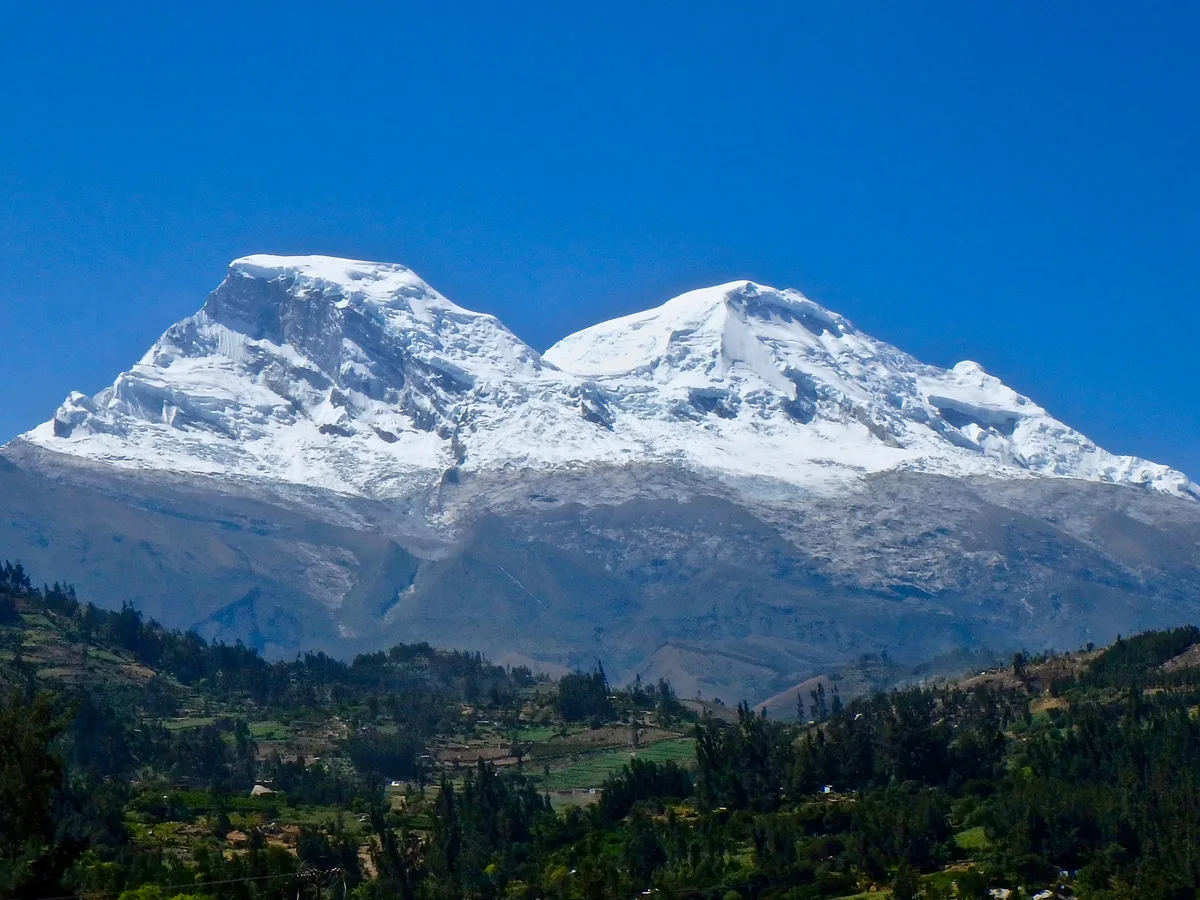
From July 27 to September 27, 1979, French physician and extreme solo alpinist Nicolas Jaeger lived alone for sixty consecutive days at 6,700 metres on the summit slopes of Huascarán Sur. Battling extreme hypoxia, sub-zero isolation, and violent Andean gales, Jaeger conducted groundbreaking physiological self-experimentation that redefined human acclimatization limits.
Mountain Safety & Conditions Disclaimer: High-altitude climbing, glacial travel, and technical ascents entail severe objective risks including avalanches, serac collapses, rapid weather collapse, and altitude illness. Historical route descriptions and summit claims on Mountanity reflect documented archival sources and must not be used as live operational safety assessments. Local regulations, permits, and physical glacial topography change continuously.
Peer Review: Senior Editorial Board & Historical Reviewers • Editorial Standards
Official Expedition Narrative & Archival Record
In July 1979, French physician, Chamonix guide, and extreme soloist Nicolas Jaeger embarked upon one of the most audacious experiments in the history of high-altitude medicine and solo exploration. Returning to Huascarán Sur (6,768 m)—where he had climbed a direct solo line in 1977—Jaeger established a solo survival station at 6,700 metres, just beneath the summit dome. Supported by friends and local porters who helped haul food, fuel, scientific instruments, and physiological test equipment to the Garganta and summit plateau, Jaeger bid farewell to humanity on July 27, 1979. For sixty consecutive days and nights, he lived entirely alone in a small double-walled tent battered by hurricane-force Andean storms and temperatures plummeting below minus thirty degrees Celsius. Acting as his own laboratory subject, Jaeger took daily capillary blood samples, measured arterial oxygen saturation, performed pulmonary spirometry, and maintained a searingly honest philosophical journal. Descending safely on September 27, 1979, after two full months above 6,700 metres without supplemental oxygen, Jaeger demonstrated that prolonged human acclimatization to extreme hypoxia was physiologically viable, a historic achievement documented in his classic book Carnets de Solitude.
Documented Team Composition
- Nicolas Jaeger (Solo Alpinist, Physician & Scientific Subject, France)
Key Statistics & Topographic Figures
- Survival Duration
- 60 consecutive days alone (July 27 – September 27, 1979)
- Camp Elevation
- 6,700 m (21,981 ft) on Huascarán Sur
- Soloist & Physician
- Dr. Nicolas Jaeger (France, aged 32)
- Hematocrit Rise
- 45% to 65% (Extreme polycythemia)
- Weight Lost
- 15 kilograms of body mass
Archival Primary Source Quotations
“I am no longer an intruder on Huascarán. The mountain does not tolerate tourists, but she accepts a solitary hermit.”
Defined Alpine Terminology & Concepts
- Chronic Extreme Hypoxia
- Prolonged deprivation of adequate oxygen supply at barometric pressures beneath 350 mmHg, testing the absolute biological limits of acclimatization.
- Sensory Deprivation Hallucinations
- Spontaneous auditory and visual perceptions triggered by extended isolation, whiteout conditions, and constant wind noise at high altitude.
Frequently Asked Questions: 1979 Nicolas Jaeger 60-Day High-Altitude Solitary Survival on Huascarán
What was Nicolas Jaeger's 1979 Huascarán experiment?
From July 27 to September 27, 1979, French physician Nicolas Jaeger lived alone for sixty continuous days at 6,700 metres on Huascarán Sur, conducting solitary physiological research.
What medical tests did Nicolas Jaeger perform on himself?
Jaeger drew daily capillary blood samples, measured haematocrit levels (rising from 45% to 65%), tracked resting pulse, recorded blood pressure, and monitored spirometry.
What gear did Jaeger use during the 60-day bivouac?
Jaeger used a small double-walled geodesic tent, sub-zero down sleeping bags, a kerosene melting stove, freeze-dried rations, and scientific testing kits.
What psychological challenges did Jaeger endure?
Jaeger battled profound sensory deprivation, debilitating lethargy, extreme storm confinement, auditory hallucinations, and existential loneliness.
What book did Nicolas Jaeger write about the experience?
Jaeger published his intimate diary and medical records in the classic 1979 book 'Carnets de Solitude: 60 Jours Seul à 6,700 Mètres'.
Ascent Route & Topography
Huascarán Garganta Normal Route
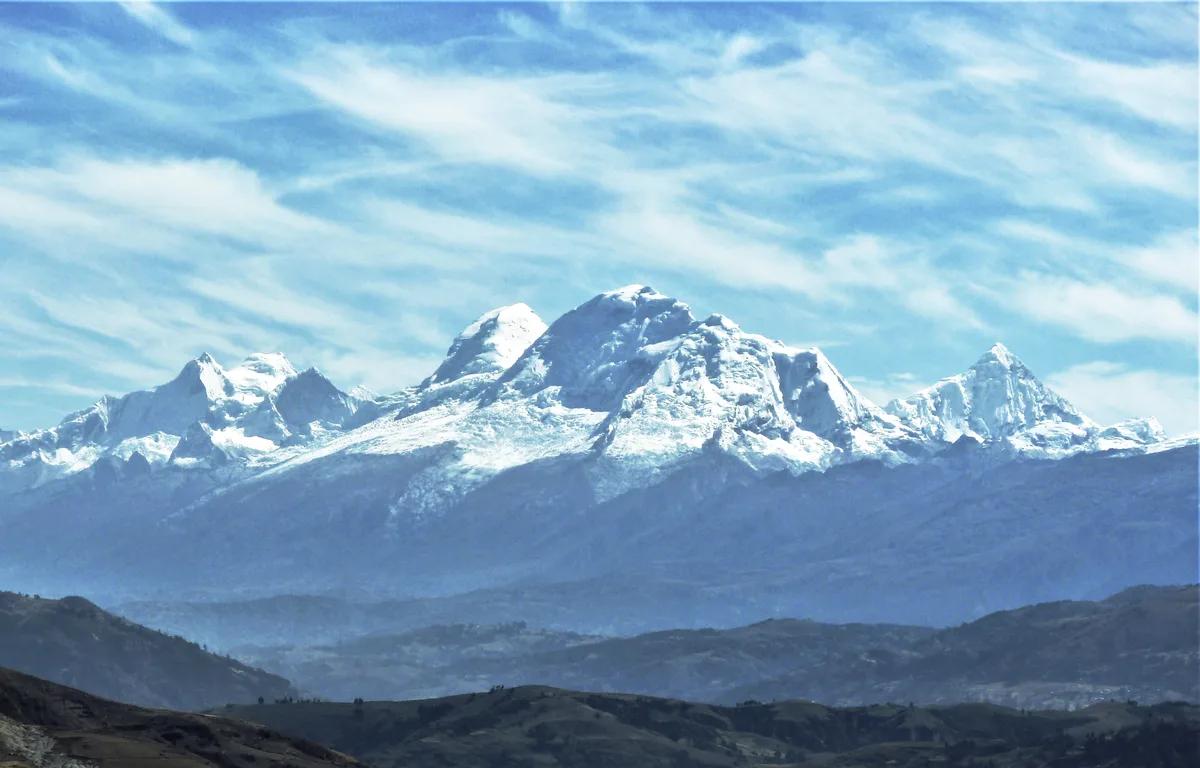
The Huascarán Normal Route via the Garganta is the classic high-altitude line ascending Peru's highest peak in the Cordillera Blanca. Pioneered in July 1932 by the German-Austrian expedition led by Philipp Borchers and Erwin Schneider, the route traverses the fractured glacier of the western flank to the 6,000-metre saddle between the twin summits. It demands rigorous acclimatization, crevasse rescue skills, and vigilance against objective avalanche and serac hazards.
Target Objective Peak

Huascarán
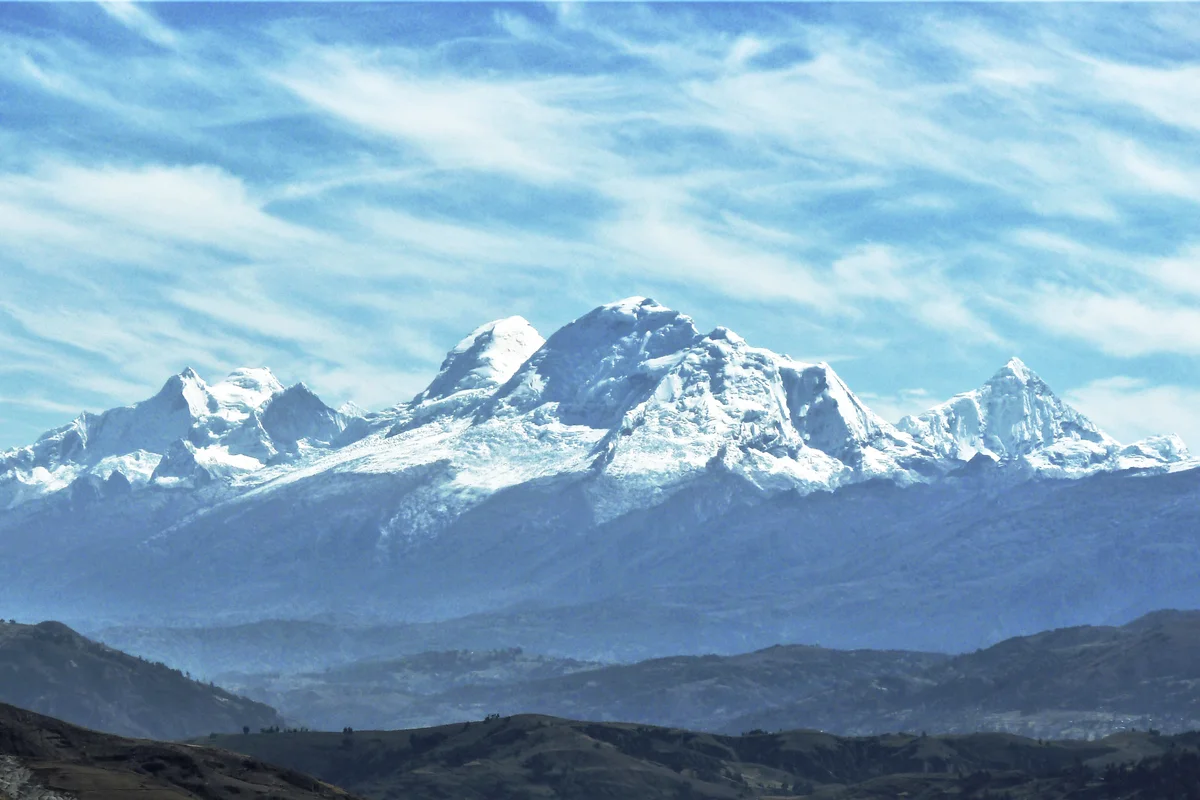
Huascarán is the highest mountain in Peru and the highest peak in the entire tropical zone of Earth, rising to 6,768 metres in the Cordillera Blanca. Its twin glaciated summits—Huascarán Sur (6,768 m) and Huascarán Norte (6,655 m)—tower over the Callejón de Huaylas with colossal icefalls and sheer vertical walls.
Featured Expedition Climber
Nicolas Jaeger
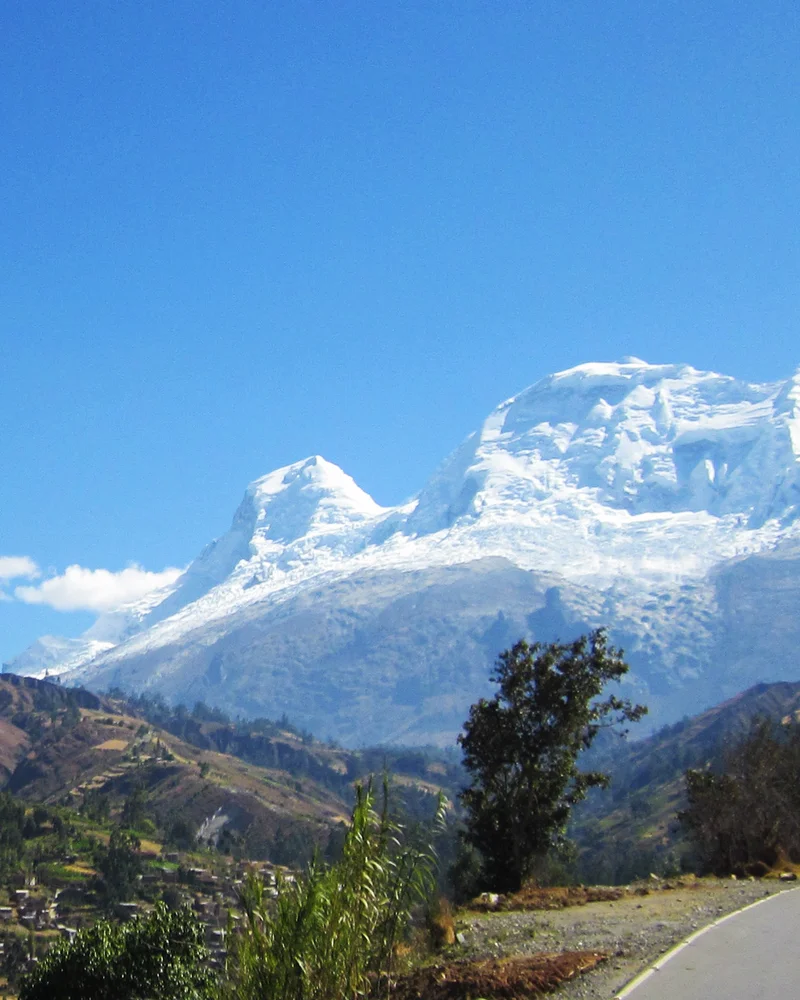
Born on October 20, 1946, in Boulogne-Billancourt, France, Nicolas Jaeger was the son of noted French photographer Janine Niépce. Qualifying both as a medical doctor and as a Chamonix mountain guide, Jaeger dedicated his life to pushing the boundaries of extreme high-altitude physiology and solo alpinism. In the Mont Blanc massif, he achieved legendary solo linkups and first ascents, including the first solo ascent of the Bonatti Pillar on the Petit Dru in 1973. In 1977, Jaeger traveled to Peru's Cordillera Blanca, where he made a breathtaking solo first ascent of the direct South Face of Huascarán Sur (6,768 m). Driven by scientific curiosity regarding the human body's capacity to acclimatize to extreme hypoxia, Jaeger returned to Huascarán in 1978 and spent sixty consecutive days living entirely alone in a tiny tent near the summit at 6,700 metres, recording daily medical measurements of his own blood gases, heart rate, and psychological state—a feat chronicled in his classic book Carnets de Solitude. In October 1978, Jaeger summitted Mount Everest without bottled oxygen alongside Pierre Mazeaud and Jean Afanassieff. In April 1980, while attempting a daring solo first ascent of the colossal South Face of Lhotse Shar in the Himalayas, Jaeger disappeared near 8,200 metres, leaving behind a profound legacy of scientific courage and solitary devotion to the high mountains.
Associated Historical Chronicles & Stories
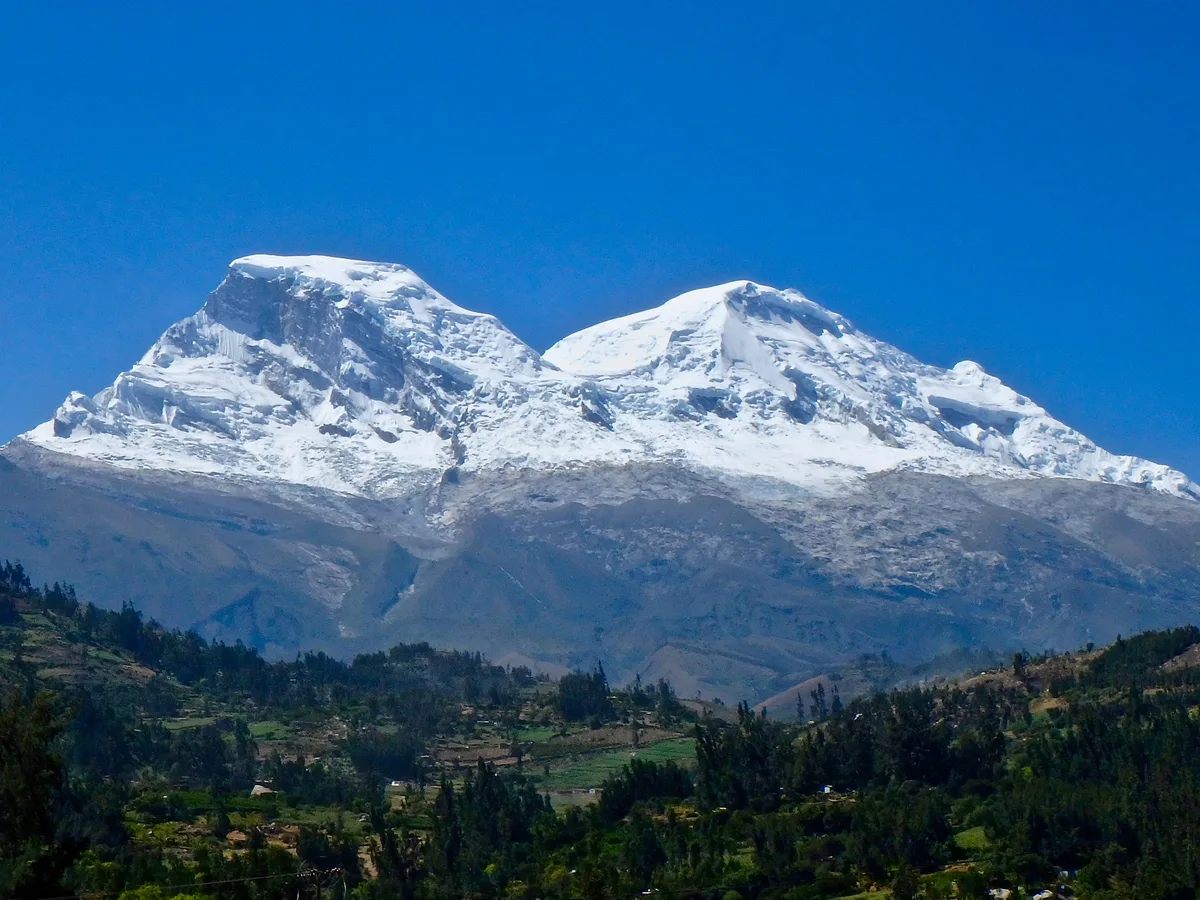
Carnets of the Solitary: Nicolas Jaeger's Sixty Days at 6,700 Metres
From July to September 1979, French doctor and extreme soloist Nicolas Jaeger lived alone for sixty days on the summit ice of Huascarán Sur, turning his body into a living laboratory.
Documented Sources & Archival Citations
- Carnets de Solitude: 60 Jours Seul à 6,700 Mètres(Nicolas Jaeger / Éditions Denoël)
Supporting claim: Autobiographical medical and psychological record of the 60-day solitary bivouac on Huascarán
Accessed/Documented: 2026 - American Alpine Journal: Huascarán Solitary Survival Research (1980)(American Alpine Club)
Supporting claim: Scientific evaluation and high-altitude physiological analysis of Nicolas Jaeger's stay
Accessed/Documented: 2026