Huascarán Norte
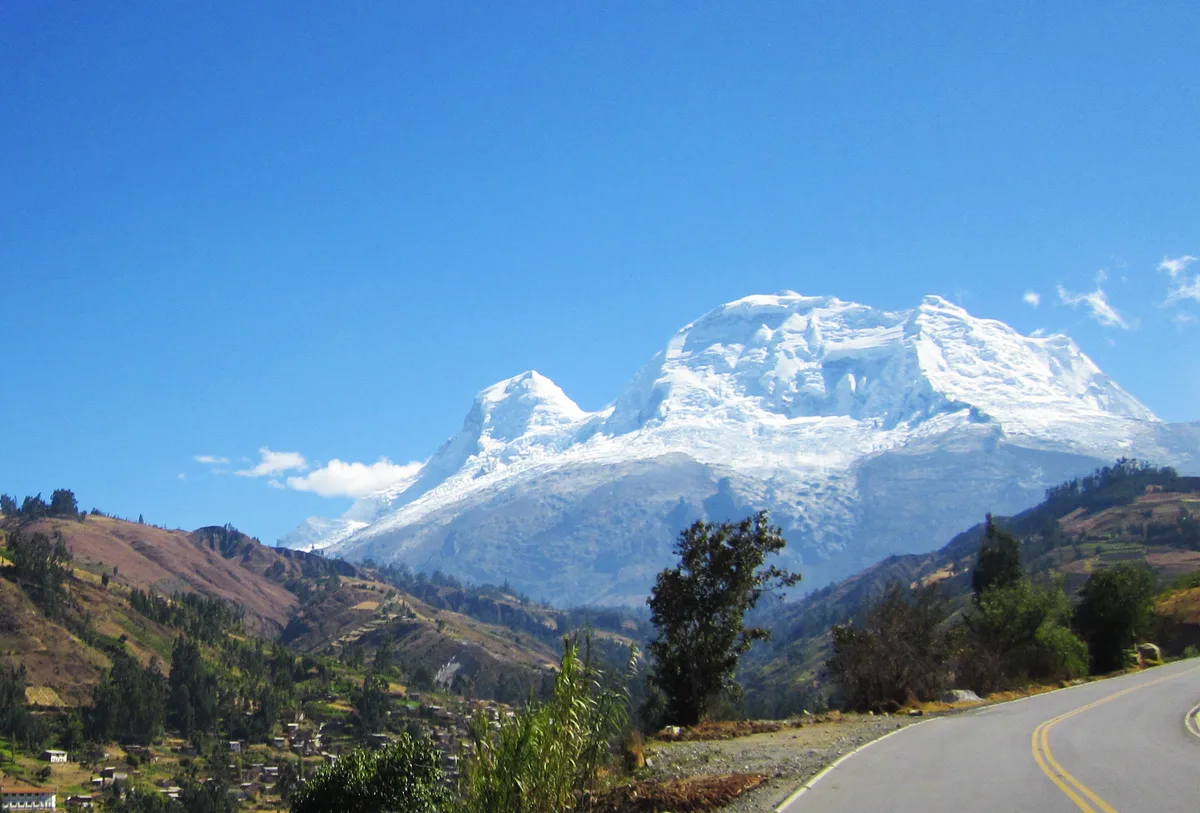
Huascarán Norte is the northern summit of Peru's highest mountain massif, rising to 6,655 metres in the Cordillera Blanca. It was first climbed in September 1908 by pioneering American suffragist Annie Smith Peck alongside Swiss guides Gabriel Zumtaugwald and Rudolf Taugwalder.

Mountain Safety & Conditions Disclaimer: High-altitude climbing, glacial travel, and technical ascents entail severe objective risks including avalanches, serac collapses, rapid weather collapse, and altitude illness. Historical route descriptions and summit claims on Mountanity reflect documented archival sources and must not be used as live operational safety assessments. Local regulations, permits, and physical glacial topography change continuously.
Peer Review: Senior Editorial Board & Historical Reviewers • Editorial Standards
Geographical Setting & Topography
Situated within Huascarán National Park directly north of the higher south summit across the glaciated Garganta saddle at 6,000 metres, Huascarán Norte looms over the Santa River valley and the town of Yungay. Its northwest and north flanks present sheer rock and ice faces that descend precipitously toward Llanganuco lakes.
Historic First Ascent
Date: 1908-09-02
Ascent Team: Annie Smith Peck, Gabriel Zumtaugwald, and Rudolf Taugwalder
Key Statistics & Topographic Figures
- Elevation
- 6,655 m (21,834 ft)
- Prominence
- 355 m
- First Ascent Date
- September 2, 1908 (Annie Smith Peck team)
- Separating Col
- The Garganta (6,000 m)
- Mountain Range
- Cordillera Blanca, Peruvian Andes
Archival Primary Source Quotations
“Standing on the north summit of Huascarán, we looked out across the highest frozen kingdom of the tropical world.”
Defined Alpine Terminology & Concepts
- Huascarán Massif
- The colossal glaciated mountain massif rising in the Cordillera Blanca comprising Huascarán Sur (6,768 m) and Huascarán Norte (6,655 m).
- The Garganta
- The high glaciated col at 6,000 metres separating the twin peaks of Huascarán, forming the key camping platform for summit ascents.
Huascarán Norte Mountain Weather Forecast
Detailed 14-Day Summit Window & Weather Timeline
Explore day-by-day summit push safety windows, wind shear analysis, and extended multi-day forecasts for Huascarán Norte.
Explore Huascarán Norte (6,655 m) in Interactive 3D
Inspect steep glacial walls, hanging seracs, ridge approaches, and elevation relief with 360° rotation and terrain tilt in WebGL.
Documented Climbing Routes (2)
Huascarán Garganta Normal Route
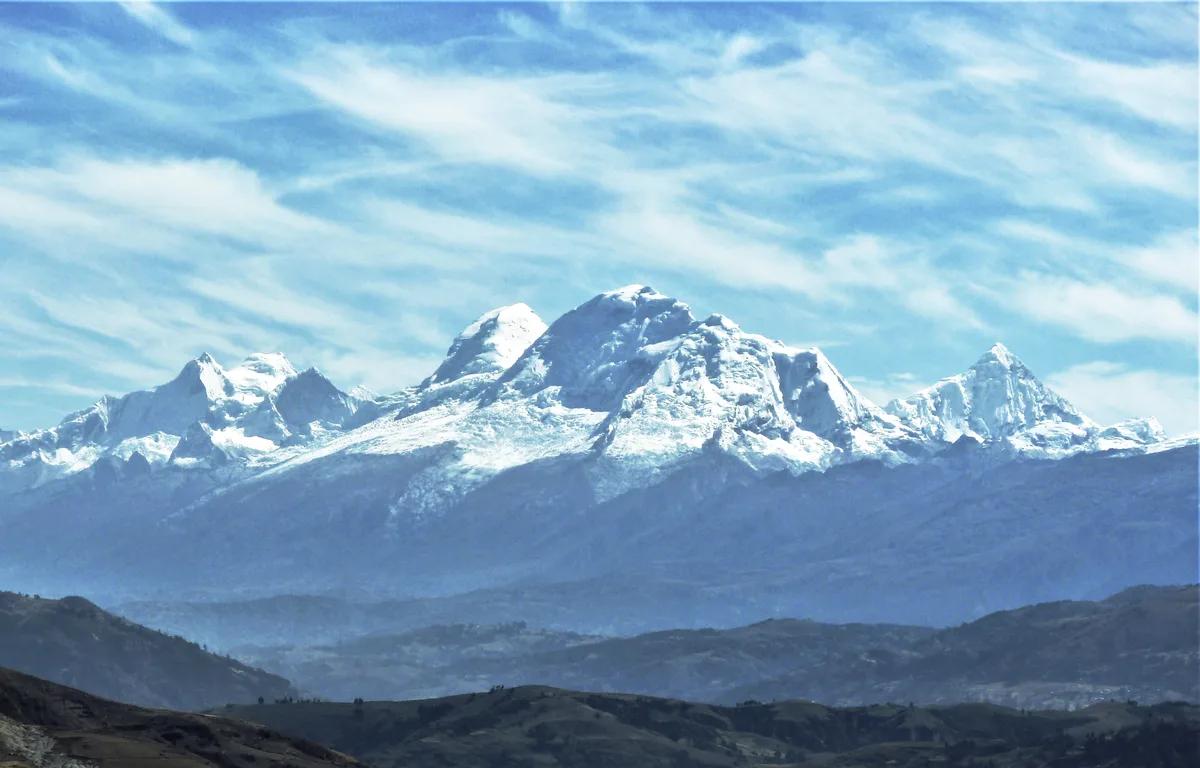
The Huascarán Normal Route via the Garganta is the classic high-altitude line ascending Peru's highest peak in the Cordillera Blanca. Pioneered in July 1932 by the German-Austrian expedition led by Philipp Borchers and Erwin Schneider, the route traverses the fractured glacier of the western flank to the 6,000-metre saddle between the twin summits. It demands rigorous acclimatization, crevasse rescue skills, and vigilance against objective avalanche and serac hazards.
Huascarán Norte Peck Route
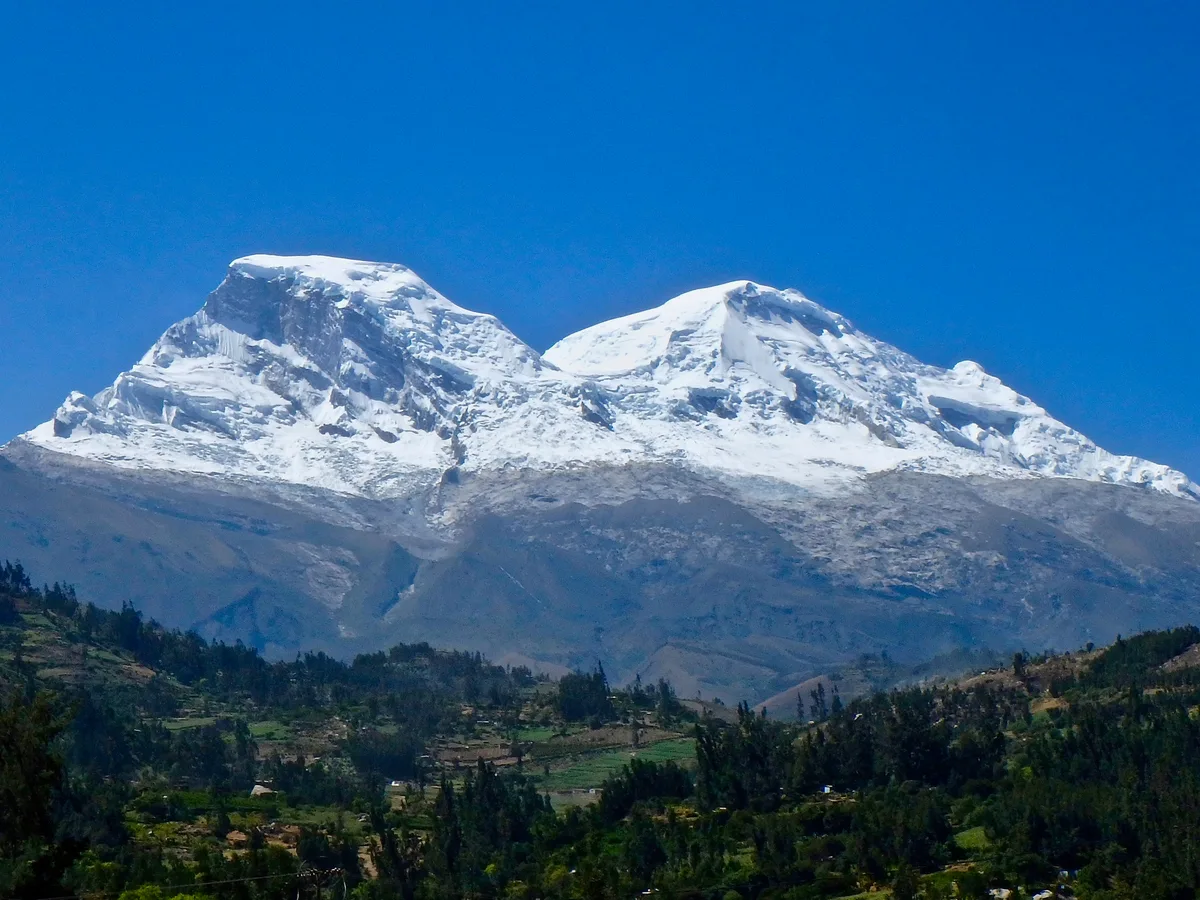
The Peck Route on Huascarán Norte marks the historic first ascent of Peru's second-highest peak. Established in September 1908 by suffragist pioneer Annie Smith Peck with Swiss guides Gabriel Zumtaugwald and Rudolf Taugwalder, the route ascends the heavily broken northwestern glacier and steep snow couloirs to attain the north summit at 6,655 metres. It stands as an enduring milestone of women's exploration in high-altitude mountaineering.
Historical Expeditions (1)
1908 Annie Smith Peck Huascarán Norte Historic First Ascent
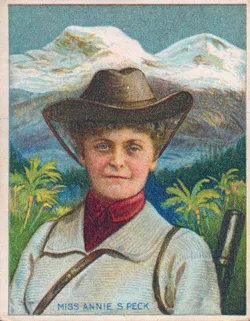
In September 1908, 57-year-old American suffragist Annie Smith Peck achieved the daring first ascent of Huascarán Norte (6,655 m) with Swiss guides Gabriel Zumtaugwald and Rudolf Taugwalder. Overcoming treacherous seracs, bitter blizzards, and severe frostbite, Peck set an altitude record for American climbers while unfurling a banner for women's voting rights.
Summit Chronicles & Stories (1)
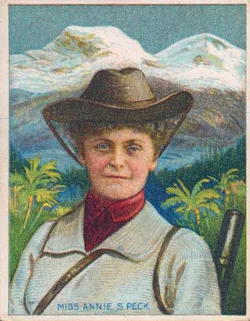
Queen of the Climbers: Annie Smith Peck's 1908 Conquest of Huascarán Norte
In September 1908, 57-year-old scholar and suffragist Annie Smith Peck defied Victorian society, ferocious Andean blizzards, and shattering icefalls to achieve the first ascent of Huascarán Norte.
Frequently Asked Questions: Huascarán Norte
What is the elevation of Huascarán Norte?
Huascarán Norte has an official summit elevation of 6,655 metres (21,834 ft), making it the second highest peak in Peru.
Who made the first ascent of Huascarán Norte?
American pioneer Annie Smith Peck, together with Swiss guides Gabriel Zumtaugwald and Rudolf Taugwalder, completed the first ascent on September 2, 1908.
How is Huascarán Norte separated from Huascarán Sur?
The two peaks are separated by the Garganta col, a glaciated saddle situated at 6,000 metres.
What are the main climbing routes on Huascarán Norte?
The primary routes include the historic Peck Route from the northwest and the normal traverse from the Garganta Col (AD+).
What national park protects Huascarán Norte?
Huascarán Norte is protected within Huascarán National Park, declared a UNESCO World Heritage site in 1985.
Documented Sources & Archival Citations
- A Search for the Apex of America: High Mountain Climbing in Peru and Bolivia(Annie Smith Peck / Dodd, Mead and Company)
Supporting claim: Detailed first-hand account of the historic 1908 first ascent of Huascarán Norte
Accessed/Documented: 2026 - The Andes of Peru: Geographical and Climatic Reconnaissance(Isaiah Bowman / American Geographical Society)
Supporting claim: Cartographic and elevation analysis of the twin peaks of the Huascarán massif
Accessed/Documented: 2026