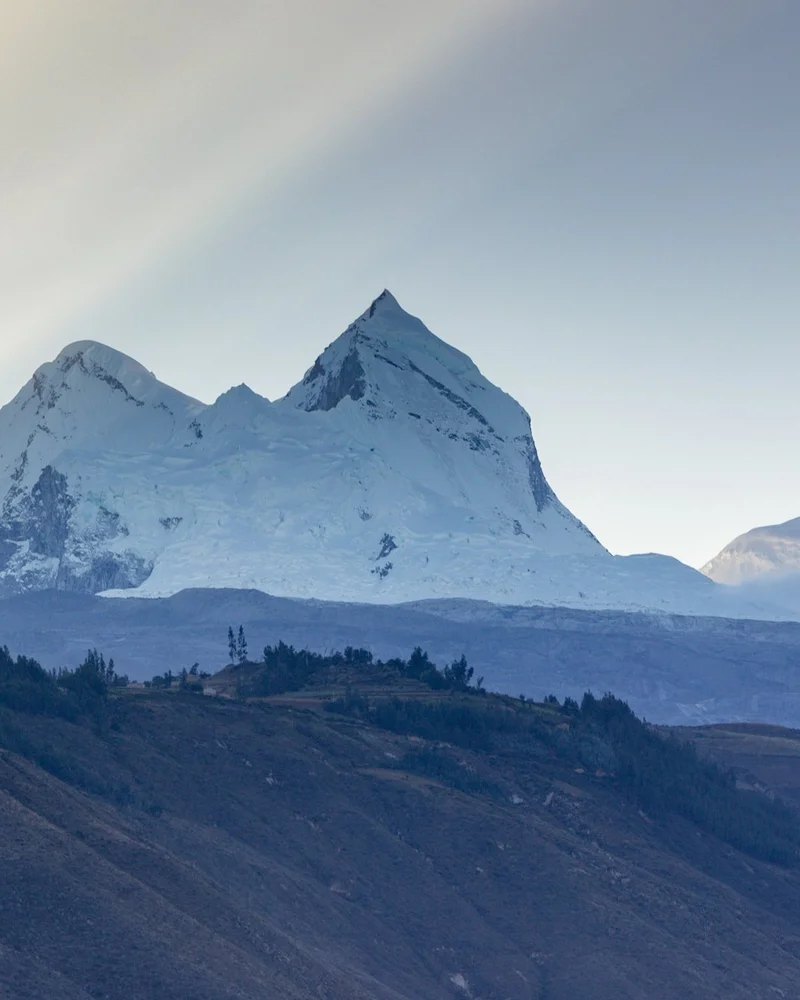
César Morales Arnao
César Morales Arnao was a pioneering Peruvian mountaineer, glaciologist, and geographer who founded modern alpine exploration in Peru. He led early expeditions across the Cordillera Blanca and Cordillera Huayhuash, mapping uncharted tropical glaciers and establishing Peru's national mountain rescue and guide systems. His leadership opened the high Andes to generations of global climbers.
Mountain Safety & Conditions Disclaimer: High-altitude climbing, glacial travel, and technical ascents entail severe objective risks including avalanches, serac collapses, rapid weather collapse, and altitude illness. Historical route descriptions and summit claims on Mountanity reflect documented archival sources and must not be used as live operational safety assessments. Local regulations, permits, and physical glacial topography change continuously.
Peer Review: Senior Editorial Board & Historical Reviewers • Editorial Standards
Biographical Record & Archival Chronicle
Born in Huaraz, Peru, beneath the towering glaciated ramparts of the Cordillera Blanca, César Morales Arnao grew up with an intimate reverence for the high Andes. In the mid-twentieth century, when Peruvian climbing was largely the preserve of visiting foreign expeditions, Morales Arnao dedicated himself to creating indigenous Peruvian mountaineering institutions. He was a foundational leader of the Club Andino Peruano and served for decades as the Director of Glaciology and Natural Hazards in Huaraz, conducting critical scientific surveys on tropical glacial retreat and glacial lake outburst flood hazards. Between the 1950s and 1980s, Morales Arnao organized and led numerous exploratory expeditions throughout the Cordillera Blanca, Cordillera Huayhuash, and Cordillera Raura, achieving first ascents of virgin peaks including Urus and Huamashraju. He was instrumental in establishing the Casa de Guías in Huaraz and training the first generation of certified Peruvian mountain guides (AGMP). Through his tireless advocacy, publications in international alpine journals, and cartographic documentation, Morales Arnao established Peru as a premier center of international high-altitude alpinism while championing the rights and recognition of native Andean mountain workers.
Notable Milestones & Ascents
- Founding father of modern Peruvian mountaineering and key leader of the Club Andino Peruano
- Directed scientific monitoring of tropical glaciers and hazardous glacial lakes across the Cordillera Blanca
- Pioneered first ascents of multiple Andean peaks including Urus and Huamashraju
- Established the Casa de Guías in Huaraz and developed the first professional Peruvian mountain guide curriculum
- Honored internationally by the Union Internationale des Associations d'Alpinisme (UIAA)
Key Statistics & Topographic Figures
- Role in Peru
- Founding Father of Peruvian Mountaineering
- Institutional Legacy
- Club Andino Peruano & Casa de Guías Huaraz
- Scientific Leadership
- Director of Glaciology and Natural Hazards
- Key Mountain Ranges
- Cordillera Blanca, Huayhuash, and Raura
- International Standing
- UIAA Honorary Delegate for South America
Archival Primary Source Quotations
“Our mountains are not foreign playgrounds. They are our ancestral heritage, and Peruvians must be the masters of their own summits.”
Defined Alpine Terminology & Concepts
- Glacial Lake Outburst Flood (GLOF)
- A catastrophic sudden release of water from a glacial moraine lake, common in the tropical Andes and capable of destroying downstream valleys.
- Cordillera Blanca
- The highest tropical mountain range in the world, stretching for 200 kilometres in central Peru with dozens of peaks over 6,000 metres.
Frequently Asked Questions: César Morales Arnao
Who was César Morales Arnao in Andean mountaineering?
César Morales Arnao was a visionary Peruvian mountaineer, glaciologist, and surveyor revered as the founding father of modern Peruvian mountaineering.
What role did César Morales Arnao play in Peruvian mountain institutions?
He was a founding leader of the Club Andino Peruano and established the Casa de Guías in Huaraz, creating Peru's national mountain guide system.
What scientific contributions did César Morales Arnao make to glaciology?
He directed scientific surveys of tropical glaciers and hazardous glacial lakes in the Cordillera Blanca to prevent catastrophic outburst flood disasters.
What first ascents did César Morales Arnao complete in Peru?
He organized and led pioneering exploratory ascents of virgin peaks across the Cordillera Blanca and Huayhuash, including Urus and Huamashraju.
Why was Morales Arnao's work critical for native mountain workers in Huaraz?
He fought for professional certification, fair wages, insurance, and international recognition for native Quechua porters and mountain guides.
What international mountaineering organizations recognized César Morales Arnao?
He served as an active delegate to the Union Internationale des Associations d'Alpinisme (UIAA) and published widely in international alpine journals.
What major books and inventories did Morales Arnao author?
He authored comprehensive inventories of Peru's glaciated ranges and historic guides to mountaineering across the Cordillera Blanca.
Where was César Morales Arnao born?
He was born in the Andean mountain city of Huaraz, located in the Callejón de Huaylas at the foot of the Cordillera Blanca in Peru.
Associated Summits (2)
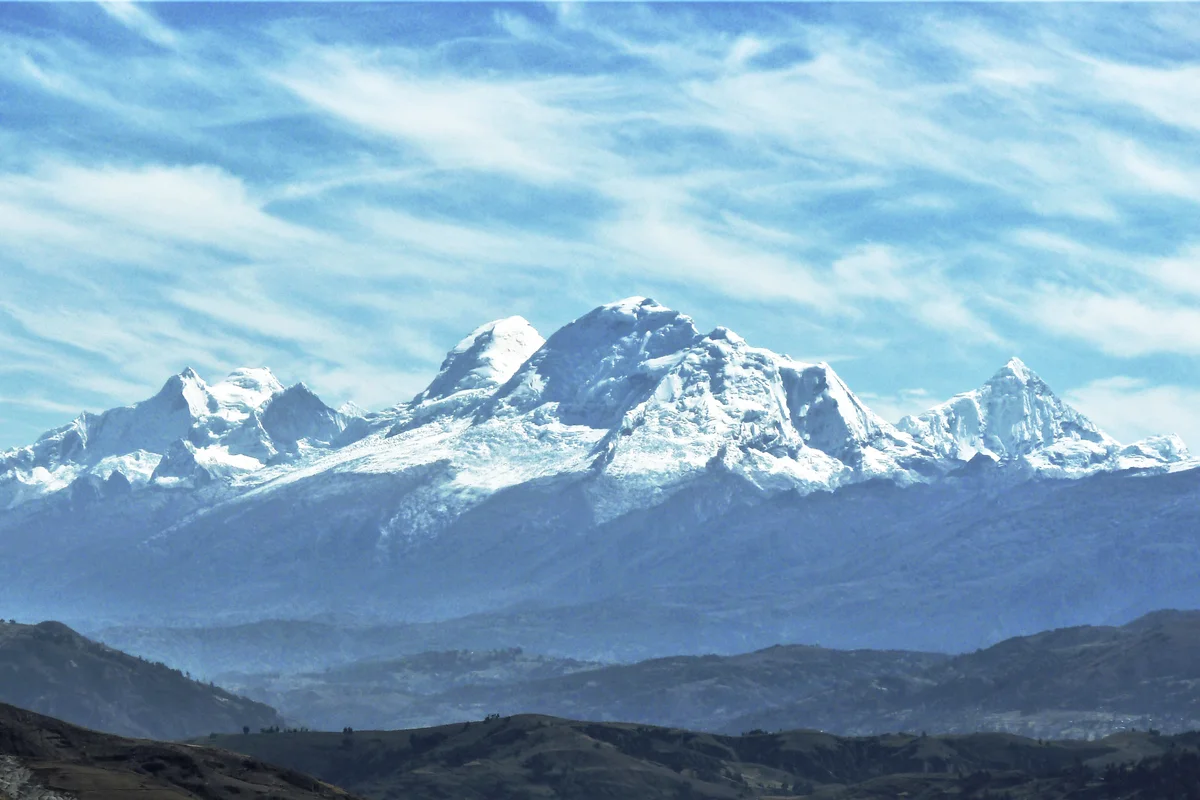

Huascarán
Huascarán is the highest mountain in Peru and the highest peak in the entire tropical zone of Earth, rising to 6,768 metres in the Cordillera Blanca. Its twin glaciated summits—Huascarán Sur (6,768 m) and Huascarán Norte (6,655 m)—tower over the Callejón de Huaylas with colossal icefalls and sheer vertical walls.
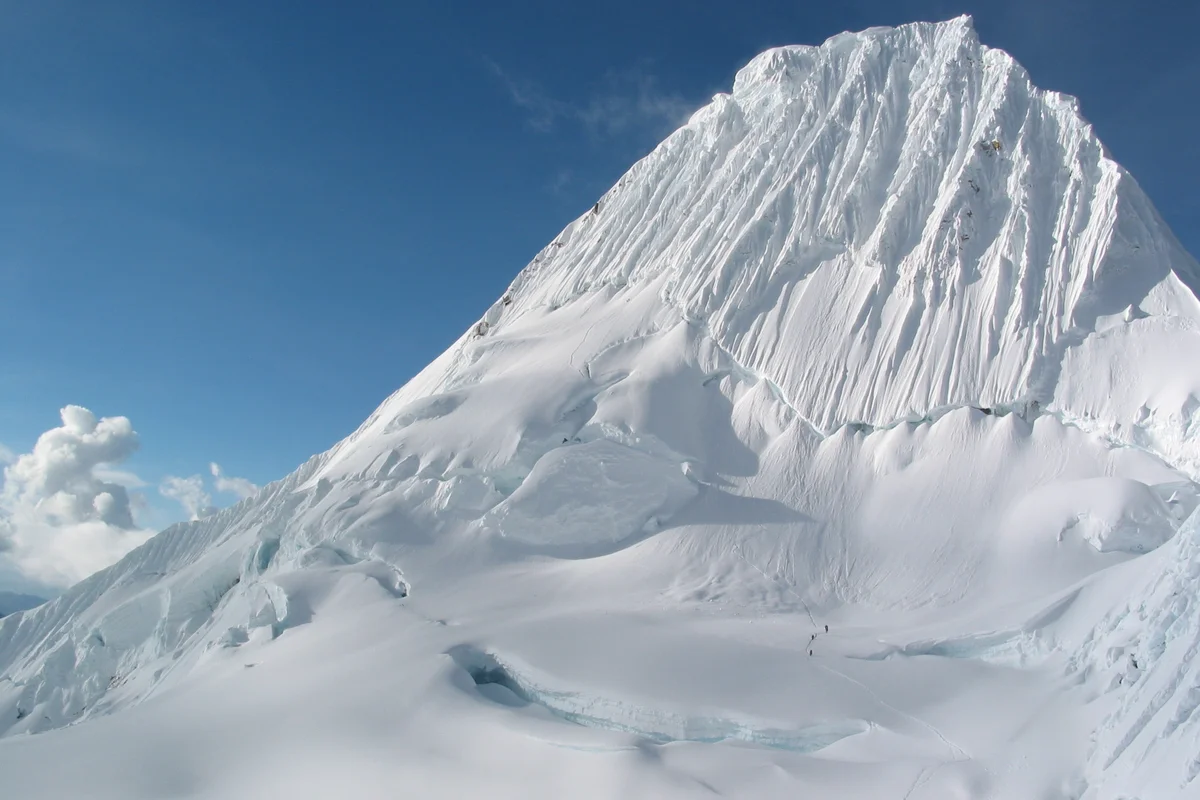
Alpamayo
Alpamayo is an extraordinary 5,947-metre pyramid of ice and snow situated in the northern Cordillera Blanca of Peru. Globally celebrated as the World's Most Beautiful Mountain, its sheer Southwest Face is carved with steep fluted ice runnels that form one of the premier alpine ice climbs on Earth.
Pioneered & Associated Routes (2)
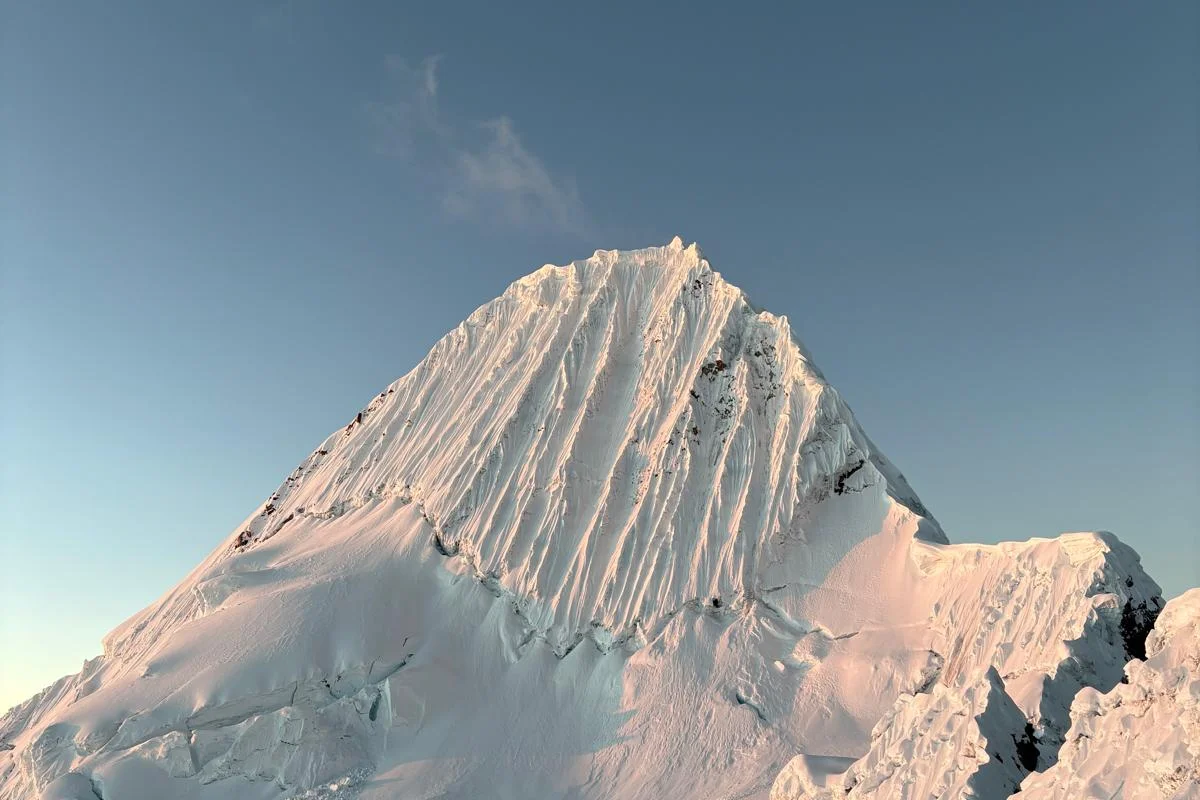
Ferrari Route (Alpamayo Southwest Face)
The Ferrari Route on the Southwest Face of Nevado Alpamayo is one of the most celebrated ice climbs in the world. Ascending 450 vertical metres of fluted, 60° to 80° glacial ice runnels directly beneath towering summit cornices, it is a masterclass in steep Andean ice climbing.
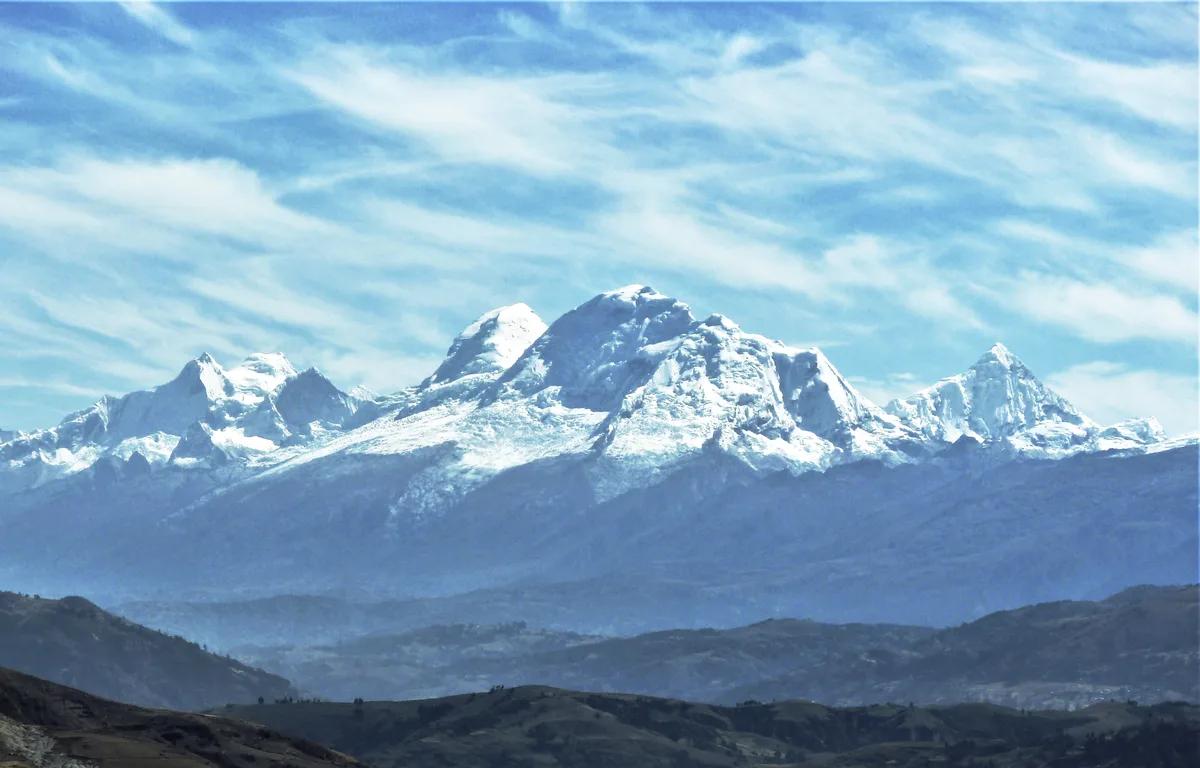
Huascarán Garganta Normal Route
The Huascarán Normal Route via the Garganta is the classic high-altitude line ascending Peru's highest peak in the Cordillera Blanca. Pioneered in July 1932 by the German-Austrian expedition led by Philipp Borchers and Erwin Schneider, the route traverses the fractured glacier of the western flank to the 6,000-metre saddle between the twin summits. It demands rigorous acclimatization, crevasse rescue skills, and vigilance against objective avalanche and serac hazards.
Documented Sources & Archival Citations
- American Alpine Journal: Mountaineering in Peru (1966)(American Alpine Club)
Supporting claim: Historical survey of Peruvian expeditions by César Morales Arnao
Accessed/Documented: 2026 - Glaciares de la Cordillera Blanca: Inventario y Evolución(César Morales Arnao / Instituto Geológico Minero y Metalúrgico)
Supporting claim: Pioneering glaciological studies of tropical Andean icefields
Accessed/Documented: 2026