1957 Austrian Jirishanca Historic First Ascent Expedition
On July 12, 1957, Austrian climbing virtuosos Toni Egger and Siegfried Jungmeir accomplished the historic first ascent of Nevado Jirishanca (6,094 m) via its treacherous East Buttress. Tackling Grade VI rock pitches, 70-degree fluted tropical ice, and overhanging snow mushrooms, their triumph established a new pinnacle of technical difficulty in Andean mountaineering.
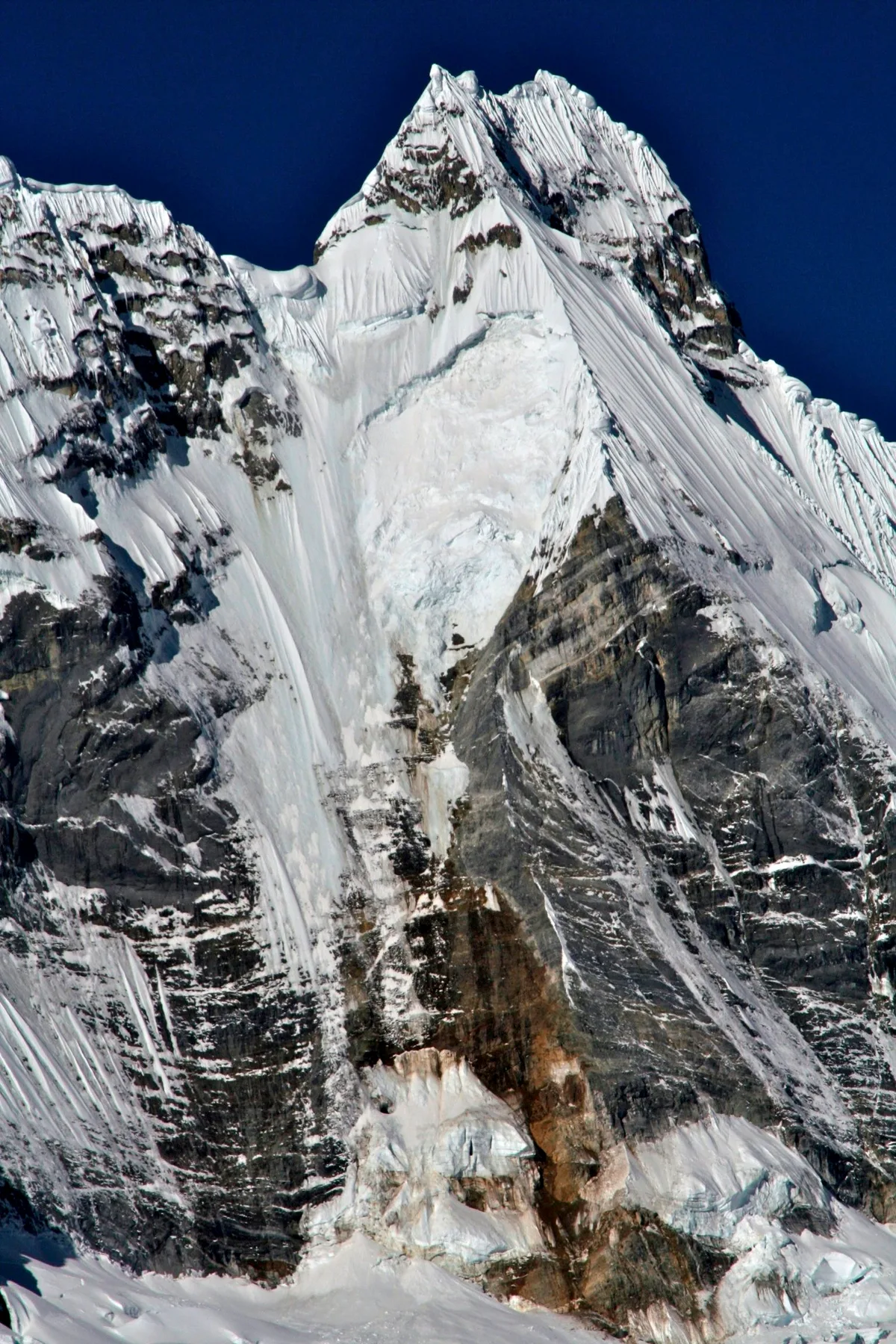
Mountain Safety & Conditions Disclaimer: High-altitude climbing, glacial travel, and technical ascents entail severe objective risks including avalanches, serac collapses, rapid weather collapse, and altitude illness. Historical route descriptions and summit claims on Mountanity reflect documented archival sources and must not be used as live operational safety assessments. Local regulations, permits, and physical glacial topography change continuously.
Peer Review: Senior Editorial Board & Historical Reviewers • Editorial Standards
Official Expedition Narrative & Archival Record
Known in the Quechua tongue as the Hummingbird Beak of Ice and celebrated internationally as the Matterhorn of the Andes, Nevado Jirishanca (6,094 m) was considered by 1950s alpinists to be the most technically menacing mountain in South America. In June 1957, an elite expedition from the Austrian Alpine Club arrived at Laguna Mitococha under the leadership of Heinrich Klier. The spearhead of the climbing effort was the formidable Tyrolean partnership of Toni Egger and Siegfried Jungmeir, both renowned for extreme Grade VI routes in the Dolomites. Rather than seeking a snow route, Egger and Jungmeir launched directly up the soaring monolithic quartzite pillar of the East Buttress. For four days, the pair battled relentless vertical exposure, hammering early tubular ice pitons into 70-degree fluted couloirs and using hand-to-hand combat to bore tunnels through aerated snow mushrooms hanging over 3,000-foot drops. Bivouacking in hollowed ice caves hacked out of precarious seracs, Egger and Jungmeir reached the razor summit on July 12, 1957. Their safe multi-day retreat down the vertical face confirmed the climb as a worldwide masterclass in high-altitude extreme alpinism.
Documented Team Composition
- Toni Egger (Lead Climber, Austria)
- Siegfried Jungmeir (Lead Climber, Austria)
- Heinrich Klier (Expedition Leader, Austria)
Key Statistics & Topographic Figures
- Summit Elevation
- 6,094 m (19,993 ft)
- First Ascent Date
- July 12, 1957
- Technical Grade
- ED, UIAA VI, 70° ice flutings
- Base Camp
- Laguna Mitococha (4,250 m)
- Duration on Wall
- 4 continuous days of technical alpine climbing
Archival Primary Source Quotations
“On the East Buttress of Jirishanca, every pitch demanded perfection; the Hummingbird Beak tolerated no mistakes.”
Defined Alpine Terminology & Concepts
- Ice Fluting
- Vertical parallel channels sculpted into steep high-altitude tropical ice walls by gravity and spindrift melt-freeze cycles.
- Cauliflower Mushroom Snow
- Aerated, unconsolidated rime formations adhering to windward alpine ridges that offer poor holding power for technical gear.
Frequently Asked Questions: 1957 Austrian Jirishanca Historic First Ascent Expedition
Who made the first ascent of Jirishanca in 1957?
Austrian alpinists Toni Egger and Siegfried Jungmeir accomplished the historic first ascent of Nevado Jirishanca (6,094 m) on July 12, 1957.
Why is Jirishanca called the Matterhorn of the Andes?
It is named the Matterhorn of the Andes because of its impossibly sheer pyramidal quartzite monolith and soaring fluted ice spires.
What route did Toni Egger and Siegfried Jungmeir pioneer on Jirishanca?
They pioneered the East Buttress, tackling Grade VI rock climbing on fractured quartzite and 70-degree fluted tropical ice over four grueling days.
How did Egger and Jungmeir overcome the summit snow mushrooms?
They used their ice axes to tunnel directly through overhanging cauliflower snow mushrooms blocking the summit ridge.
Ascent Route & Topography
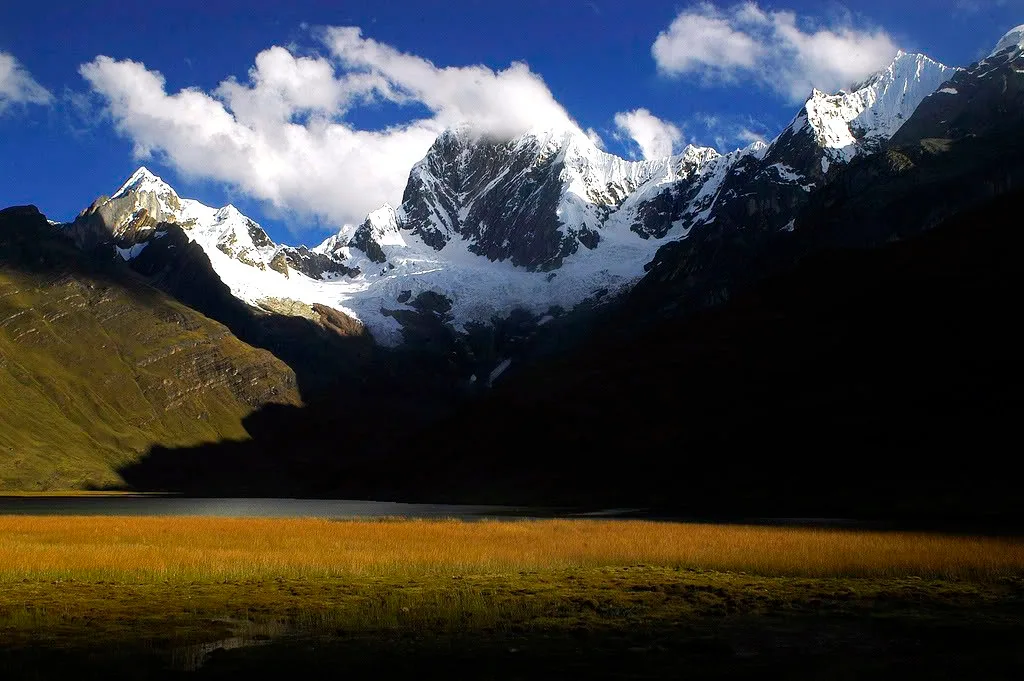
Jirishanca East Buttress
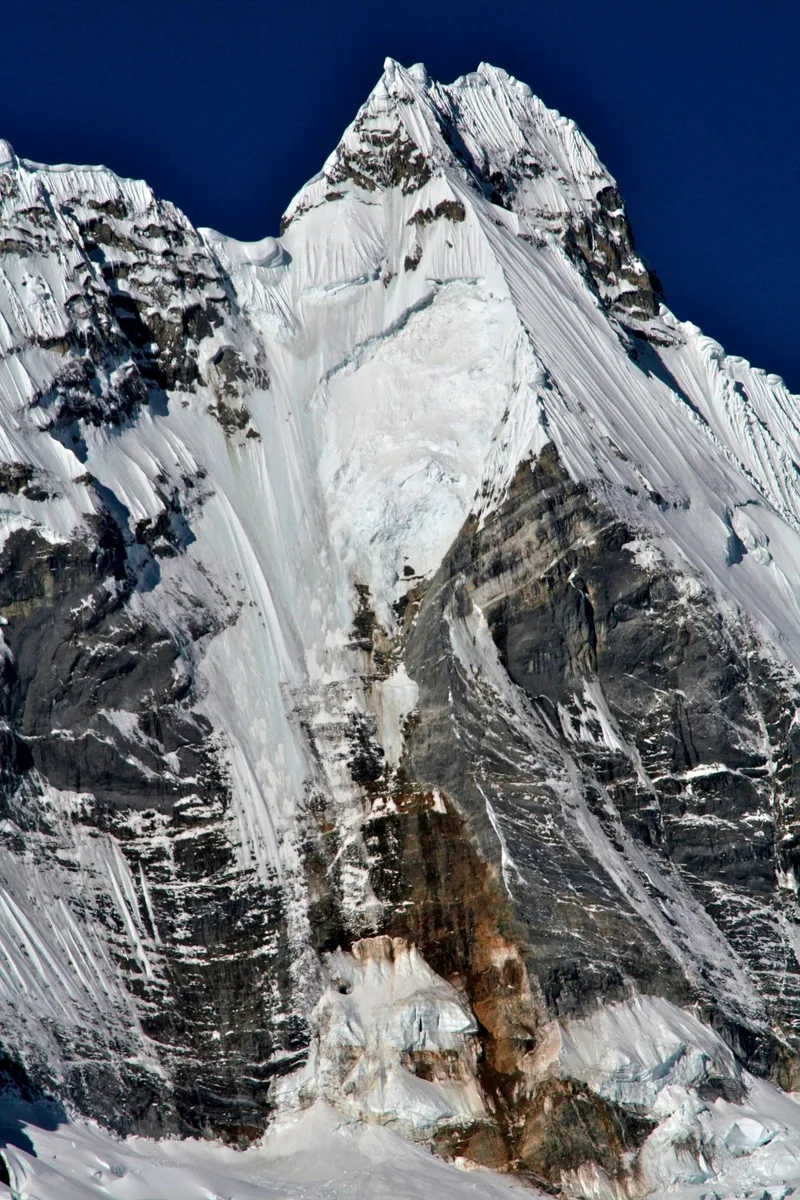
The East Buttress of Jirishanca is one of the most audacious and revered milestones in Andean mountaineering. Ascending the monolithic quartzite prow of the Matterhorn of the Andes to 6,094 metres, this route confronts 70-degree Andean ice corridors, overhanging serac mushrooms, and Grade VI rock climbing on friable quartzite. Masterminded in July 1957 by Austrian legends Toni Egger and Siegfried Jungmeir, it set a new global benchmark for high-altitude technical difficulty.
Target Objective Peak
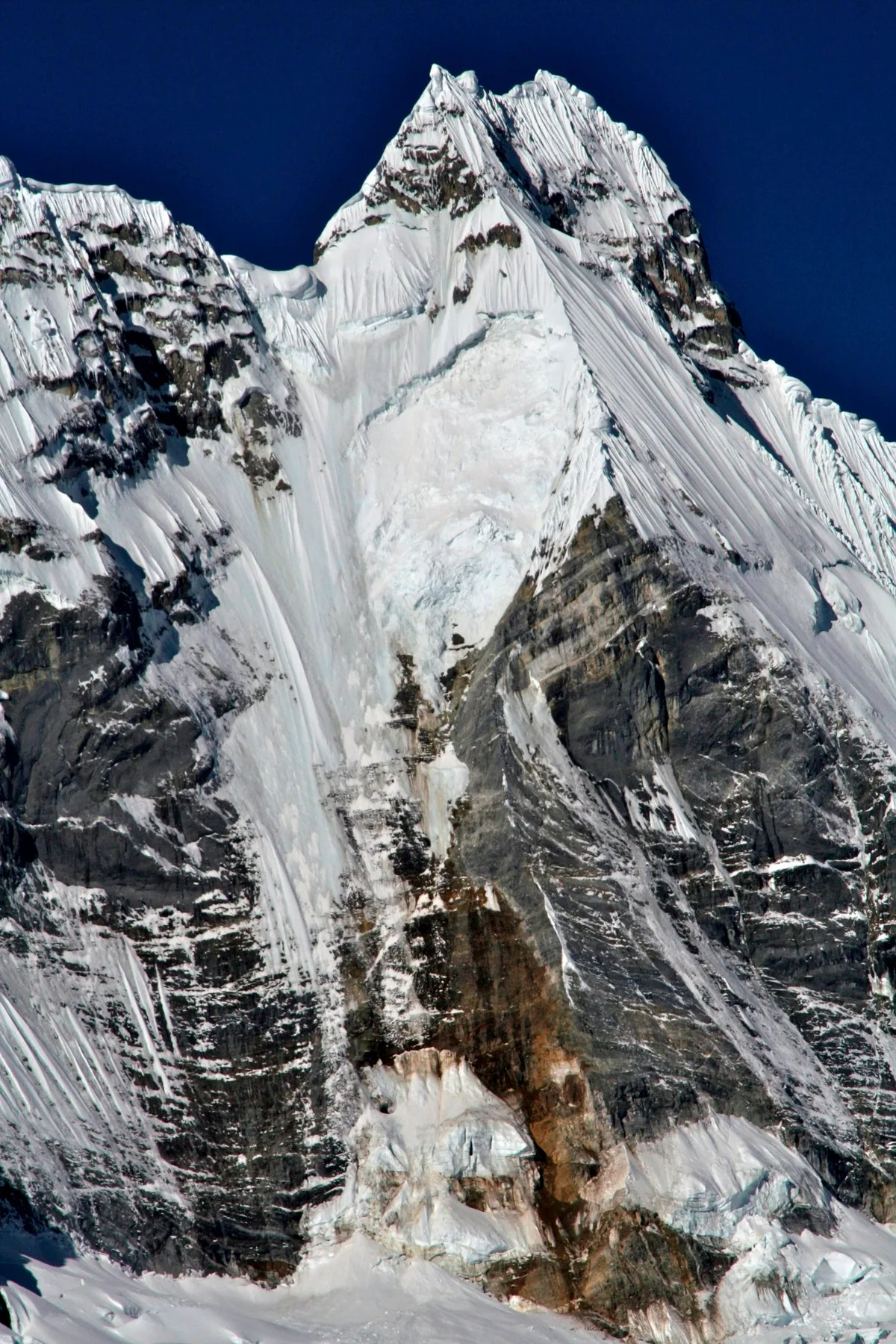

Jirishanca
Jirishanca is a breathtaking 6,094-metre pinnacle in the northern Cordillera Huayhuash, internationally renowned as the Matterhorn of the Andes for its impossibly sheer profile and fluted ice spires. Its Quechua name translates to Hummingbird Beak of Ice. The mountain was first climbed on July 12, 1957, by Austrian mountaineering legends Toni Egger and Siegfried Jungmeir via the treacherous East Buttress, one of the boldest technical achievements in Andean climbing history.
Featured Expedition Climbers
Siegfried Jungmeir
Born in the Austrian Tyrol, Siegfried Jungmeir grew up amongst the limestone bastions of the Wilder Kaiser and the glaciated peaks of the Zillertal Alps. Working as a certified alpine guide, Jungmeir gained a formidable reputation for his mastery of steep ice couloirs, delicate piton placement, and unwavering calm during dangerous mixed leads. In the mid-1950s, he forged a climbing partnership with fellow Tyrolean virtuoso Toni Egger, with whom he opened numerous extreme Grade VI rock routes in the Dolomites and Austrian Alps. In the austral winter of 1957, Egger and Jungmeir joined the Austrian Andean Expedition organized by the Innsbruck Alpine Club to tackle Nevado Jirishanca (6,094 m) in the Cordillera Huayhuash. Known as the Matterhorn of the Andes and Hummingbird Beak of Ice in Quechua, Jirishanca had repulsed several international attempts with its 70-degree fluted ice walls and overhanging quartzite towers. Over four relentless days on the mountain's formidable East Buttress, Jungmeir and Egger overcame extreme technical difficulties, utilizing early ice screws, tubular pitons, and tunneling through rotten snow mushrooms. On July 12, 1957, they achieved the summit crest, completing one of the most audaciously difficult high-altitude routes ever accomplished in the tropical Andes. Jungmeir safely led the complex multi-day rappel descent down the ice-plastered face, returning to Austria to widespread acclaim as one of the foremost ice climbing pioneers of the twentieth century.
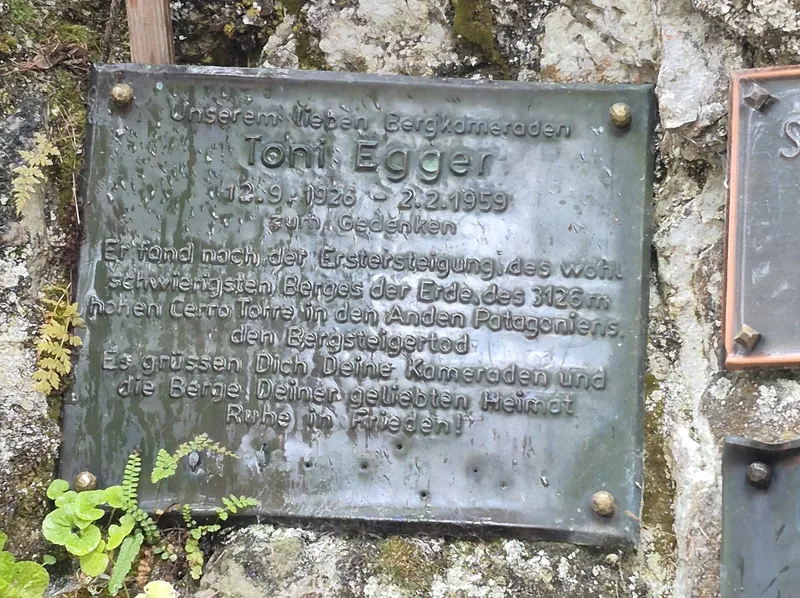
Toni Egger
Born on September 12, 1926, in Bolzano, South Tyrol, Toni Egger grew up in the Austrian Alps of East Tyrol near Lienz. He emerged in the 1950s as a technical climbing virtuoso, revered for his flawless movement on vertical limestone and innovative icecraft. Egger opened legendary new routes across the Dolomites, the Wilder Kaiser, the Brenta Group, and the Carnic Alps, consistently pushing the limits of free climbing into Grade VI. In 1958, he led a daring Austrian expedition to the Peruvian Andes, making the historic first ascent of Nevado Jirishanca (6,126 m), a terrifying granite and ice horn in the Cordillera Huayhuash nicknamed the 'Matterhorn of the Andes'. In late 1958, Egger joined Italian climber Cesare Maestri and Cesarino Fava for an ambitious expedition to the Southern Patagonian Icefield to tackle the unclimbed, storm-swept needle of Cerro Torre. After weeks of battling ferocious winds, Egger and Maestri launched a bold alpine-style push up the north face. On February 2, 1959, during their descent amidst severe storms, an ice avalanche swept Egger into the abyss at the base of the wall, carrying away his camera and leaving Maestri clinging to life. Although the summit claim remains one of mountaineering's greatest historical mysteries, Egger's extraordinary talent was immortalized when the adjacent granite needle was christened Torre Egger in his memory.
Associated Historical Chronicles & Stories
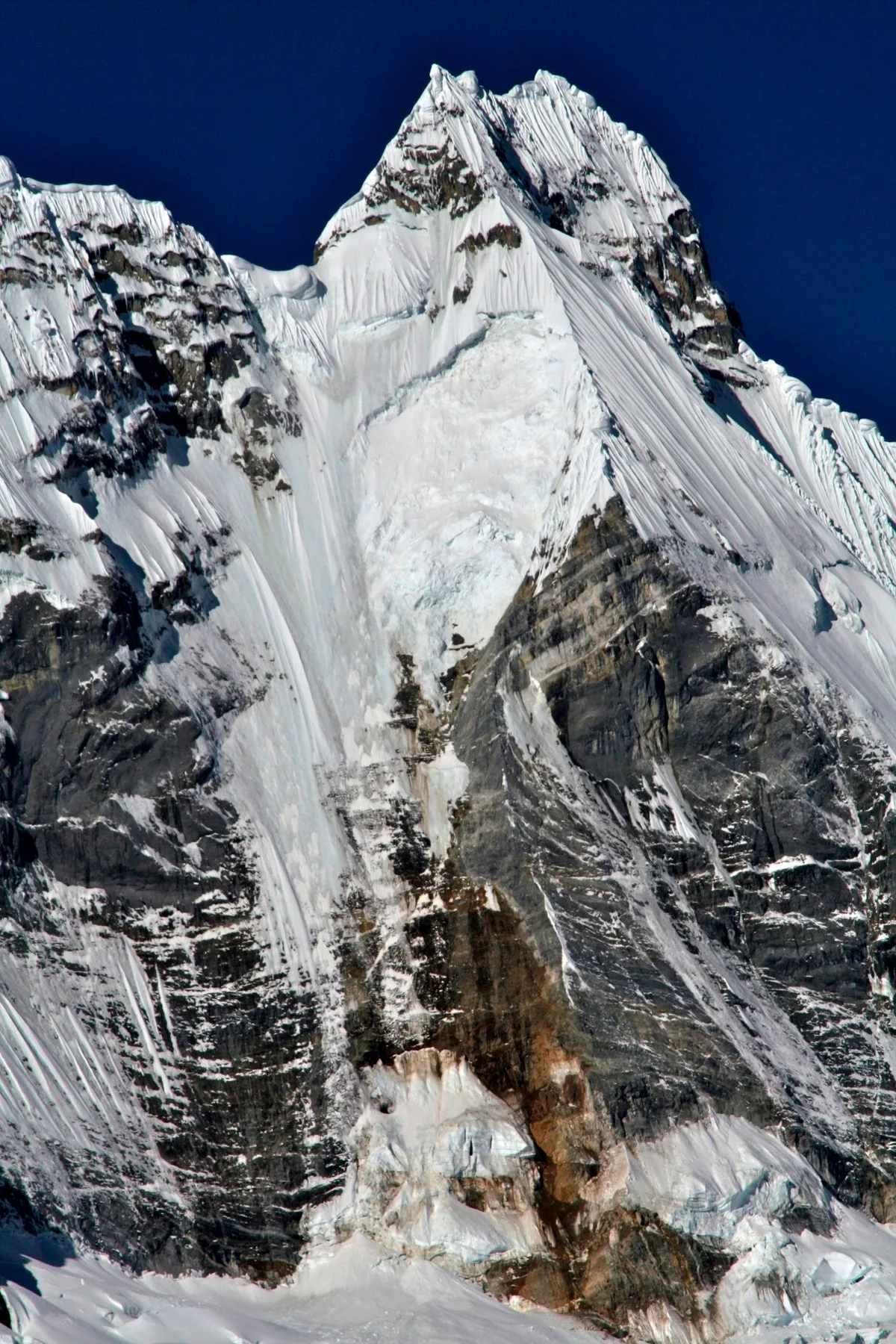
The Matterhorn of the Andes: Egger & Jungmeir on Jirishanca
On July 12, 1957, Austrian climbing virtuosos Toni Egger and Siegfried Jungmeir conquered Nevado Jirishanca (6,094 m) via its fearsome East Buttress.
Documented Sources & Archival Citations
- American Alpine Journal: Jirishanca and the Ascents of Toni Egger(American Alpine Club)
Supporting claim: Comprehensive analysis of the technical route, ice difficulties, and historical significance of the 1957 ascent
Accessed/Documented: 1959 - Österreichische Alpenzeitung: Die Erstbesteigung des Jirishanca(Österreichischer Alpenklub)
Supporting claim: Original Austrian expedition report detailing logistics, bivouacs, and climbing grades
Accessed/Documented: 1958