Jirishanca East Buttress
The East Buttress of Jirishanca is one of the most audacious and revered milestones in Andean mountaineering. Ascending the monolithic quartzite prow of the Matterhorn of the Andes to 6,094 metres, this route confronts 70-degree Andean ice corridors, overhanging serac mushrooms, and Grade VI rock climbing on friable quartzite.
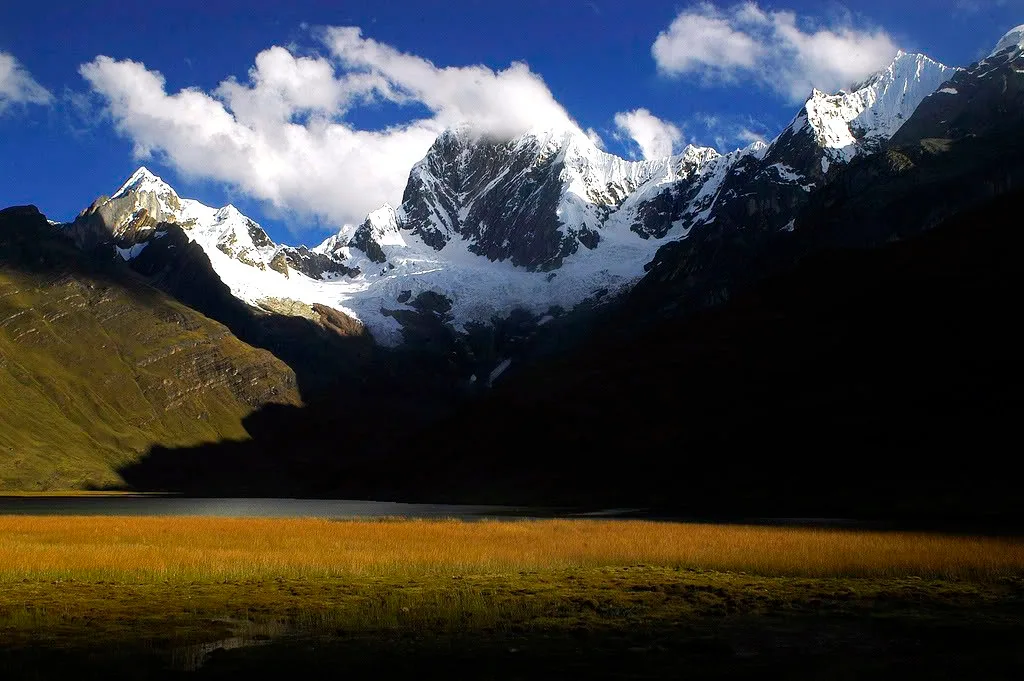
Ascent line, technical cruxes & camp topography profile for Jirishanca East Buttress
Mountain Safety & Conditions Disclaimer: High-altitude climbing, glacial travel, and technical ascents entail severe objective risks including avalanches, serac collapses, rapid weather collapse, and altitude illness. Historical route descriptions and summit claims on Mountanity reflect documented archival sources and must not be used as live operational safety assessments. Local regulations, permits, and physical glacial topography change continuously.
Peer Review: Senior Editorial Board & Historical Reviewers • Editorial Standards
Tactical & Camp Notes
Starting from Laguna Mitococha, climbers cross glacial scree to approach the ferocious eastern cirque. The route tackles the steep lower quartzite buttress (UIAA Grade V-VI) using direct aid and delicate free climbing. Gaining the upper ridge, climbers must navigate overhanging ice cornices and delicate vertical flutings of tropical ice that require innovative ice-piton placement and tunnel techniques. The final 300 metres demand bold climbing on treacherous unconsolidated snow mushrooms to reach the razor summit.
Interactive Elevation Profile
Vertical profile, technical cruxes, and camp staging progression for Jirishanca East Buttress on Jirishanca.
Picturesque alpine camp situated directly beneath the eastern precipice of Jirishanca.
Camp-by-Camp Topography
Key staging altitudes, technical cruxes, and terrain transitions for Jirishanca East Buttress.
Laguna Mitococha Base Camp
Picturesque alpine camp situated directly beneath the eastern precipice of Jirishanca.
Buttress High Camp
Small platform hacked into the lower rock buttress safe from falling serac avalanches.
Upper Ridge Ice Bivouac
Hollowed snow cave excavated beneath a precarious ice mushroom on the summit ridge.
Jirishanca Summit
The needle summit tip of the Hummingbird Beak, flanked by sheer 3,000-foot precipices.
Topographic Location & Terrain Map
Cartographic datum, massif coordinates, and terrain context for Jirishanca East Buttress on Jirishanca.
Interactive Topographic Terrain Map
Click below to load live cartographic contours, glacier approaches, and geographic markers for Jirishanca (10°14′10″ S, 76°54′11″ W).
Key Statistics & Topographic Figures
- Vertical Gain
- 1,100 m of technical rock and ice
- Rock Grade
- UIAA VI on brittle quartzite
- Ice Angle
- 70° continuous tropical fluted couloirs
- First Ascent
- July 12, 1957 (Toni Egger & Siegfried Jungmeir)
Archival Primary Source Quotations
“The East Buttress is a monument to what courage and pure technique can achieve against impossible verticality.”
Defined Alpine Terminology & Concepts
- Snow Mushroom Tunneling
- An extreme mountaineering technique of boring a physical passage through overhanging aerated rime ice when climbing over it is impossible.
Frequently Asked Questions: Jirishanca East Buttress
What is the Jirishanca East Buttress route?
It is the 1,100-metre monolithic rock and fluted ice route conquered on July 12, 1957, by Toni Egger and Siegfried Jungmeir.
What difficulty grade is the East Buttress of Jirishanca?
It is graded ED with UIAA VI rock pitches, 70-degree Andean ice couloirs, and vertical powder-snow mushroom tunneling.
Why is this route considered a milestone in Andean climbing?
It established modern extreme technical standards in South America, combining steep rock wall tactics with advanced ice climbing.
Mountain Ascended
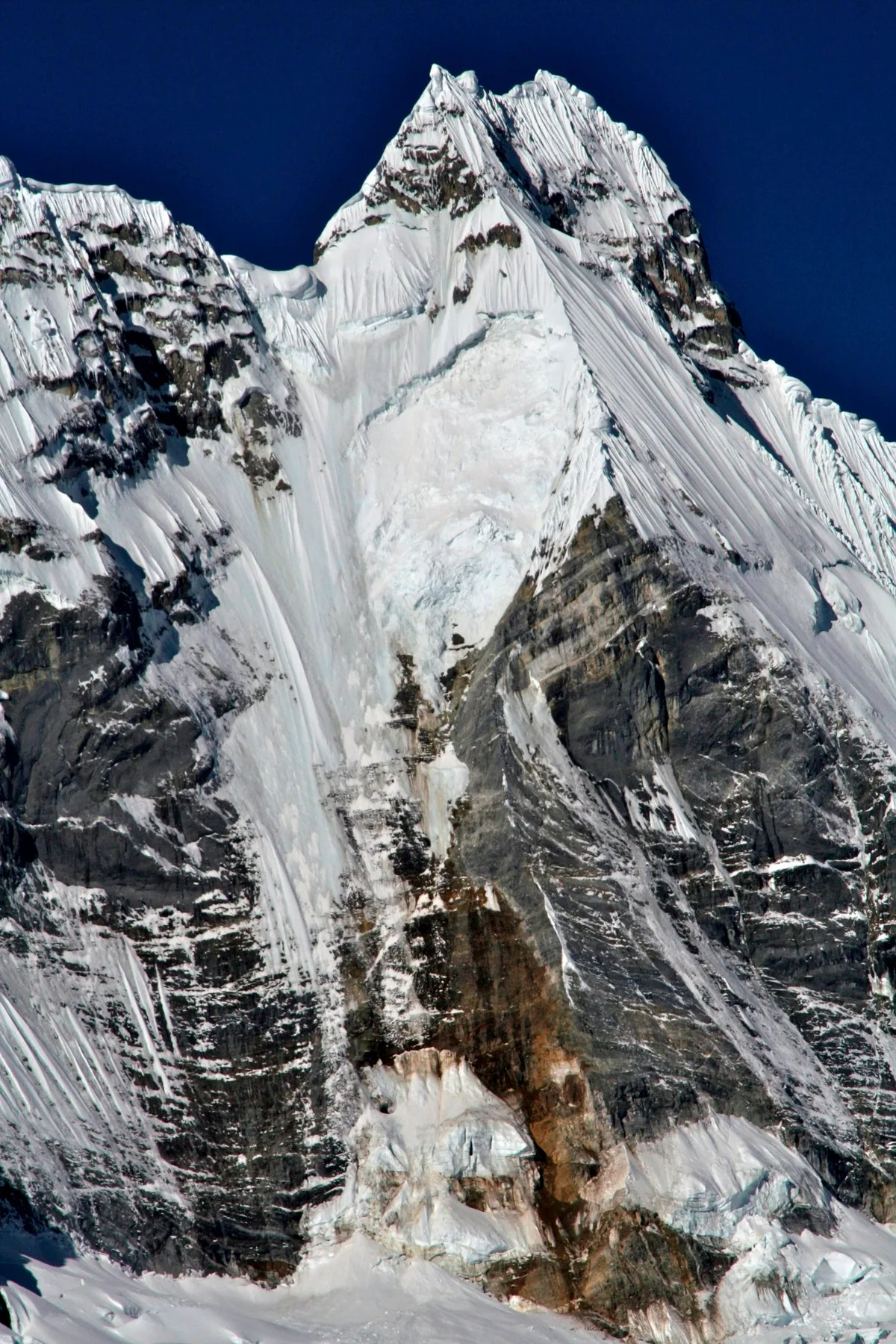

Jirishanca
Jirishanca is a breathtaking 6,094-metre pinnacle in the northern Cordillera Huayhuash, internationally renowned as the Matterhorn of the Andes for its impossibly sheer profile and fluted ice spires. Its Quechua name translates to Hummingbird Beak of Ice. The mountain was first climbed on July 12, 1957, by Austrian mountaineering legends Toni Egger and Siegfried Jungmeir via the treacherous East Buttress, one of the boldest technical achievements in Andean climbing history.
Documented Expeditions on this Route (1)
Verified historical summits, siege campaigns, and pioneer attempts recorded on Jirishanca East Buttress.
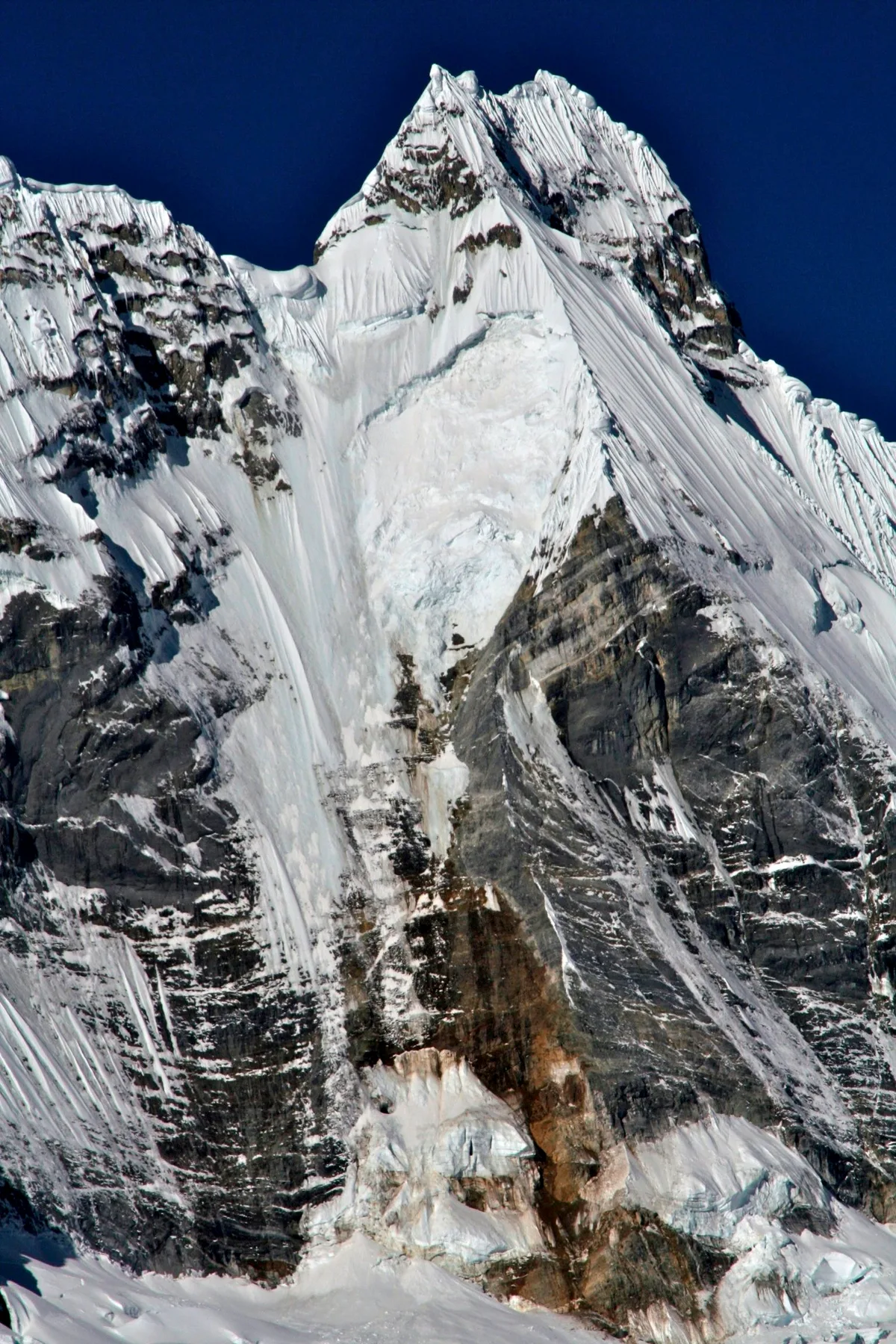
1957 Austrian Jirishanca Historic First Ascent Expedition
On July 12, 1957, Austrian climbing virtuosos Toni Egger and Siegfried Jungmeir accomplished the historic first ascent of Nevado Jirishanca (6,094 m) via its treacherous East Buttress. Tackling Grade VI rock pitches, 70-degree fluted tropical ice, and overhanging snow mushrooms, their triumph established a new pinnacle of technical difficulty in Andean mountaineering.
Archival Chronicles & Stories on this Route (1)
In-depth longform historical narratives, harrowing survival accounts, and firsthand alpine journals on Jirishanca East Buttress.
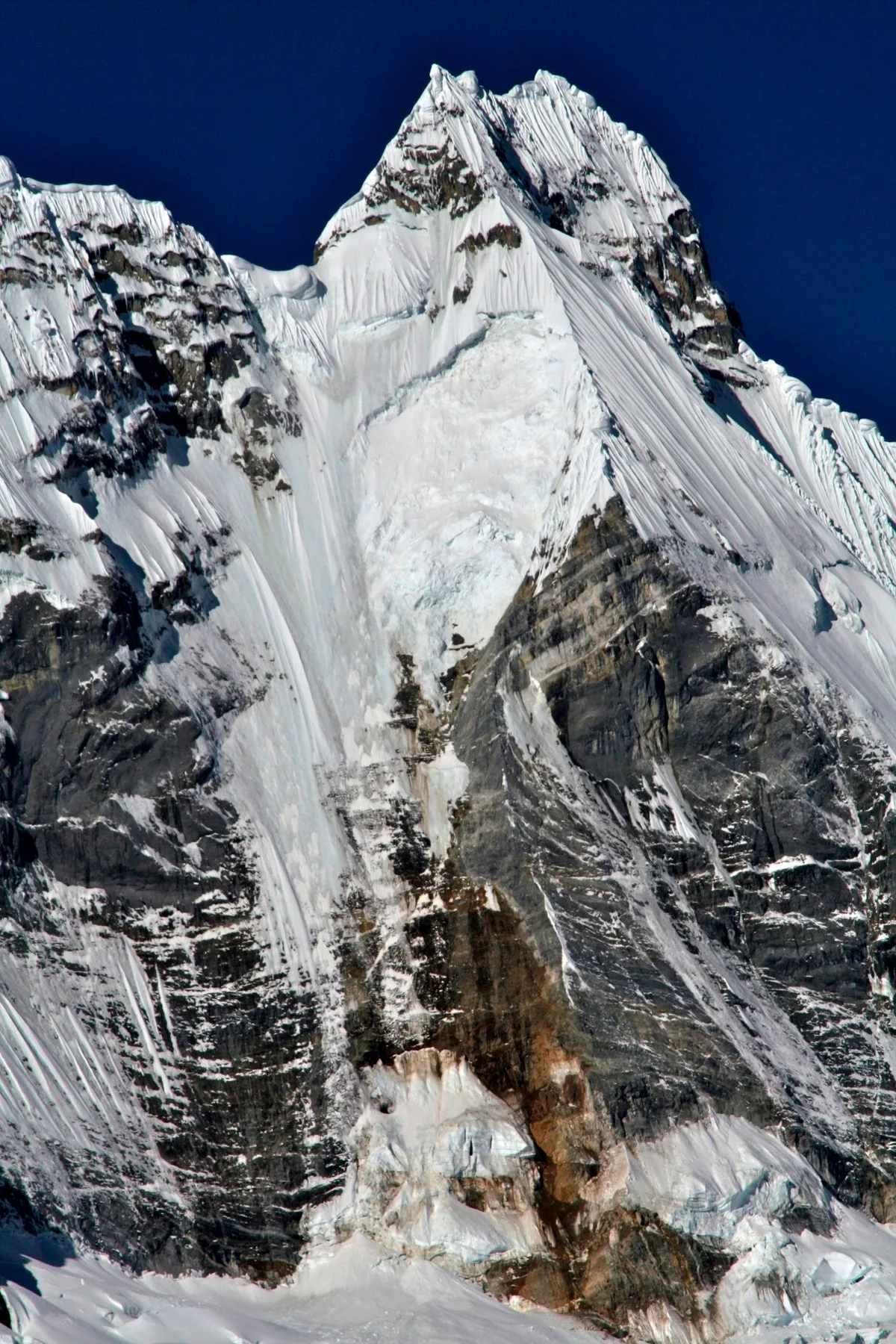
The Matterhorn of the Andes: Egger & Jungmeir on Jirishanca
On July 12, 1957, Austrian climbing virtuosos Toni Egger and Siegfried Jungmeir conquered Nevado Jirishanca (6,094 m) via its fearsome East Buttress.
Documented Sources & Archival Citations
- American Alpine Journal: Jirishanca and the Ascents of Toni Egger(American Alpine Club)
Supporting claim: Firsthand technical documentation of the 1957 East Buttress first ascent by Egger and Jungmeir
Accessed/Documented: 1959 - Österreichische Alpenzeitung: Die Erstbesteigung des Jirishanca(Österreichischer Alpenklub)
Supporting claim: Detailed route breakdown, pitch-by-pitch difficulties, and equipment analysis
Accessed/Documented: 1958