1975 First Ascent of the Southwest Face of Alpamayo (Ferrari Route)
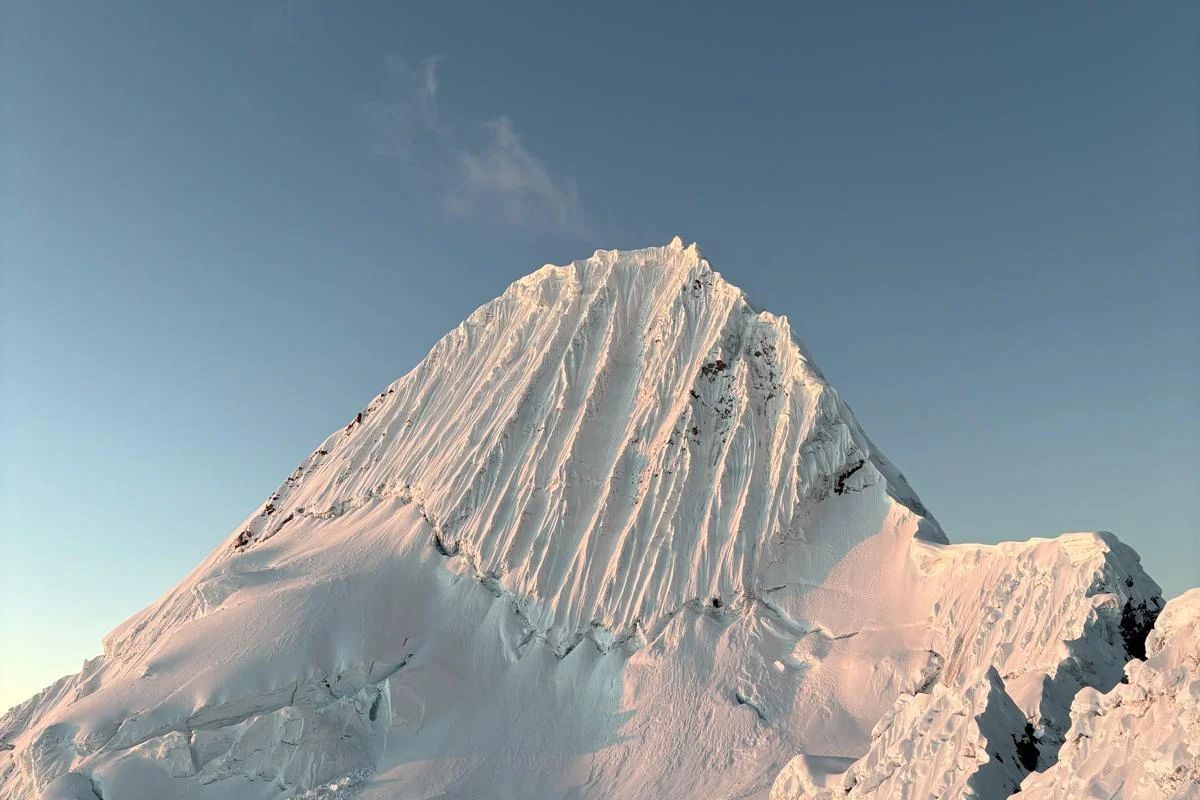
On June 23, 1975, Casimiro Ferrari led an Italian expedition from the Ragni di Lecco to complete the first ascent of the steep, fluted Southwest Face of Alpamayo, establishing one of the most famous ice routes on Earth.
Mountain Safety & Conditions Disclaimer: High-altitude climbing, glacial travel, and technical ascents entail severe objective risks including avalanches, serac collapses, rapid weather collapse, and altitude illness. Historical route descriptions and summit claims on Mountanity reflect documented archival sources and must not be used as live operational safety assessments. Local regulations, permits, and physical glacial topography change continuously.
Peer Review: Senior Editorial Board & Historical Reviewers • Editorial Standards
Official Expedition Narrative & Archival Record
In June 1975, fresh off his triumph on Cerro Torre, Casimiro Ferrari journeyed to Peru's Cordillera Blanca at the head of a Ragni di Lecco expedition targeting the legendary Southwest Face of Nevado Alpamayo (5,947 m). Rising in a flawless trapezoid of fluted ice runnels, the face was widely regarded as too steep and prone to ice avalanches for direct climbing. Operating from a high glacial col camp at 5,400 metres between Alpamayo and Quitaraju, Ferrari, Danilo Borgonovo, Angelo Zoia, and Pinuccio Castelnuovo attacked the central ice fluting. Negotiating a cavernous bergschrund, the climbers front-pointed up 450 vertical metres of 60° to 80° bullet-hard water ice, placing tubular ice screws and chopping delicate belay platforms in the flutings. In the final pitches, Ferrari led through fragile rime mushrooms to break through the razor-thin summit ridge cornice. Reaching the narrow apex on June 23, 1975, their line—christened the Ferrari Route—instantly became the global benchmark for steep Andean ice climbing.
Documented Team Composition
- Casimiro Ferrari (Leader, Italy)
- Danilo Borgonovo (Climber, Italy)
- Angelo Zoia (Climber, Italy)
- Pinuccio Castelnuovo (Climber, Italy)
Key Statistics & Topographic Figures
- Summit Date
- June 23, 1975
- Face Height
- 450 vertical metres
- Climbing Slope
- 60° to 80° steep ice
- Expedition Leader
- Casimiro Ferrari (Ragni di Lecco)
- Route Name
- Ferrari Route (Southwest Face)
Archival Primary Source Quotations
“The ice flutings of Alpamayo are a symphony in white. Climbing them was one of the purest experiences of my life.”
Defined Alpine Terminology & Concepts
- High Col Bivouac
- A camp pitched on a high-altitude glaciated pass between two peaks to provide immediate access to face climbing routes.
- Cornice Breach
- The technical crux of hacking an exit hole through an overhanging crest of wind-blown snow to gain the summit ridge.
Frequently Asked Questions: 1975 First Ascent of the Southwest Face of Alpamayo (Ferrari Route)
What was the 1975 Southwest Face expedition on Alpamayo?
It was the landmark Italian first ascent of the steep, fluted 450-metre ice face of Nevado Alpamayo led by Casimiro Ferrari.
When did the team summit Alpamayo via the Ferrari Route?
Casimiro Ferrari, Danilo Borgonovo, Angelo Zoia, and Pinuccio Castelnuovo reached the summit on June 23, 1975.
What is the climbing character of the Ferrari Route on Alpamayo?
Sustained 60- to 80-degree water ice climbing up narrow, parallel fluted runnels directly beneath overhanging cornices.
How did the climbers protect themselves on the steep ice flutings?
They placed tubular alloy ice screws and chopped small belay platforms into the dense tropical glacial ice.
Where did the 1975 Italian expedition establish their high camp?
At 5,400 metres on the glaciated col between Nevado Alpamayo and Nevado Quitaraju.
What hazard makes climbing the Southwest Face of Alpamayo dangerous in the afternoon?
Intense equatorial solar radiation softens the upper cornices, unleashing dangerous ice avalanches down the flutings.
Why did the 1975 ascent become so famous globally?
It opened a direct, elegant line on what had been voted the World's Most Beautiful Mountain, becoming a global ice climbing classic.
What climbing organization sponsored the 1975 Alpamayo expedition?
The Ragni di Lecco from northern Italy, fresh off their historic triumph on Cerro Torre.
Ascent Route & Topography
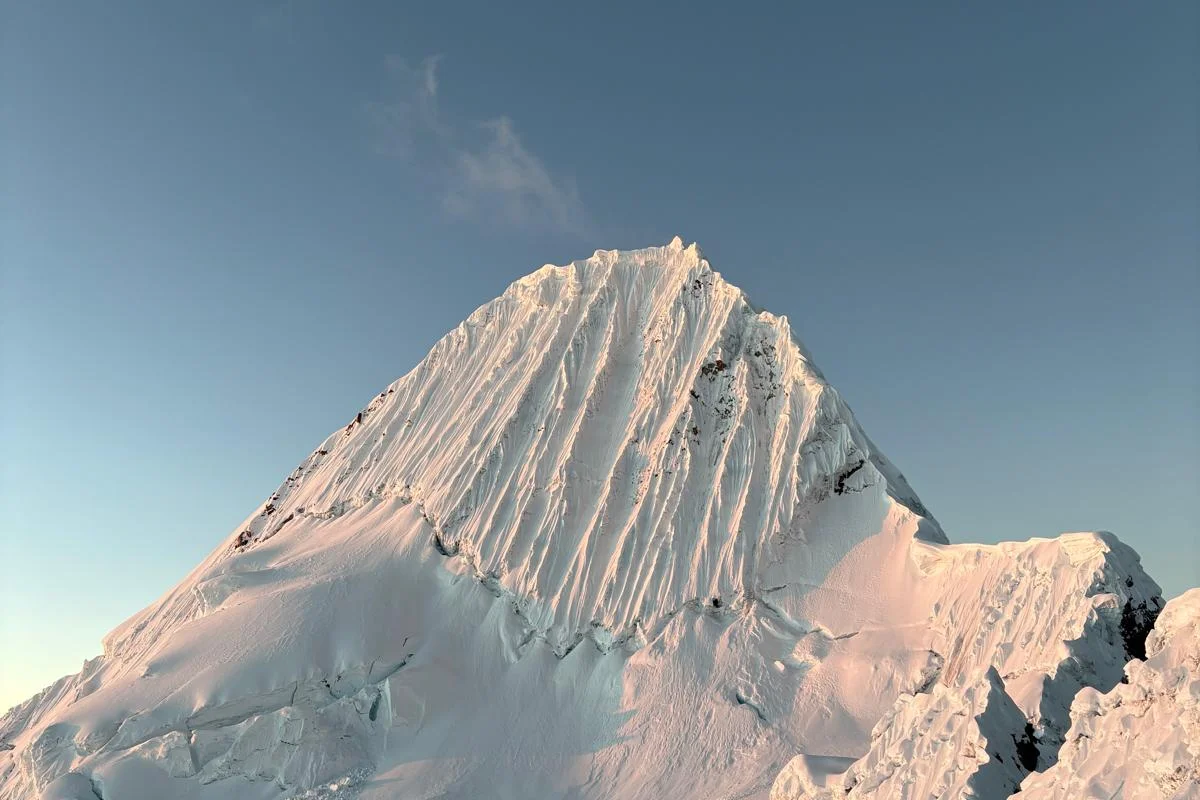
Ferrari Route (Alpamayo Southwest Face)
The Ferrari Route on the Southwest Face of Nevado Alpamayo is one of the most celebrated ice climbs in the world. Ascending 450 vertical metres of fluted, 60° to 80° glacial ice runnels directly beneath towering summit cornices, it is a masterclass in steep Andean ice climbing.
Target Objective Peak
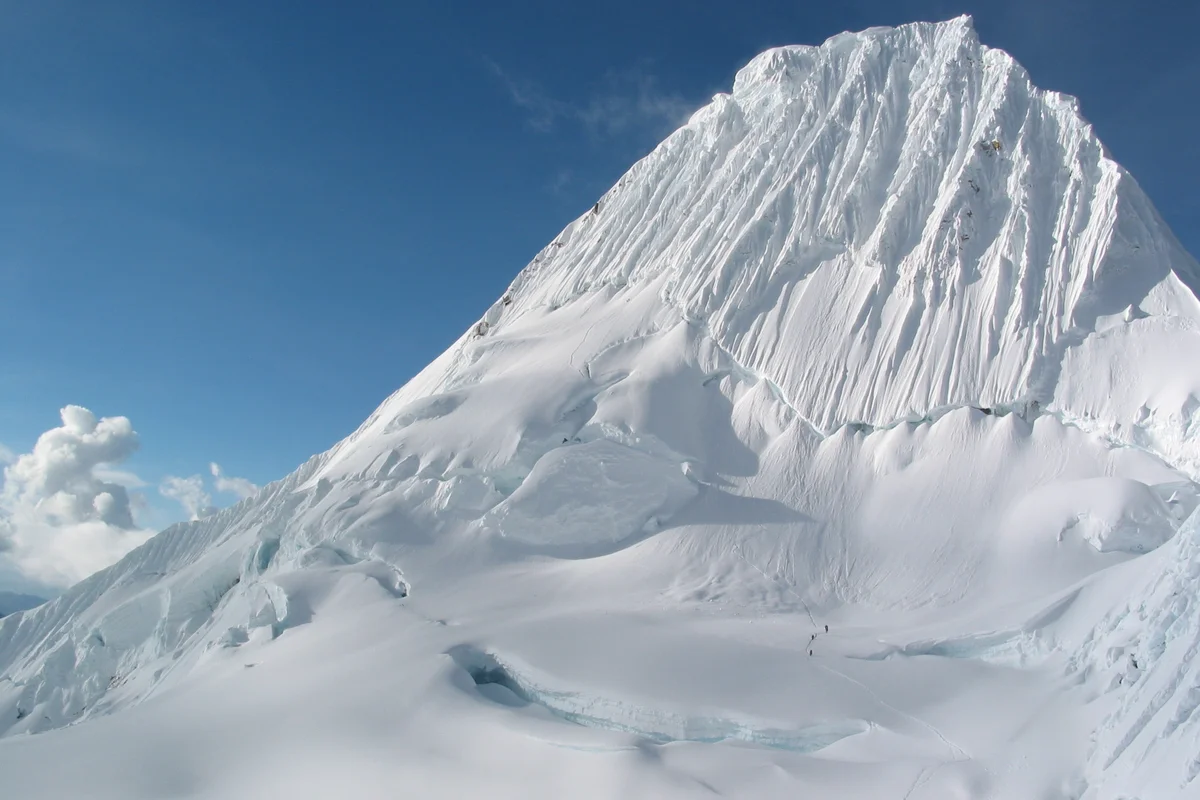

Alpamayo
Alpamayo is an extraordinary 5,947-metre pyramid of ice and snow situated in the northern Cordillera Blanca of Peru. Globally celebrated as the World's Most Beautiful Mountain, its sheer Southwest Face is carved with steep fluted ice runnels that form one of the premier alpine ice climbs on Earth.
Featured Expedition Climber
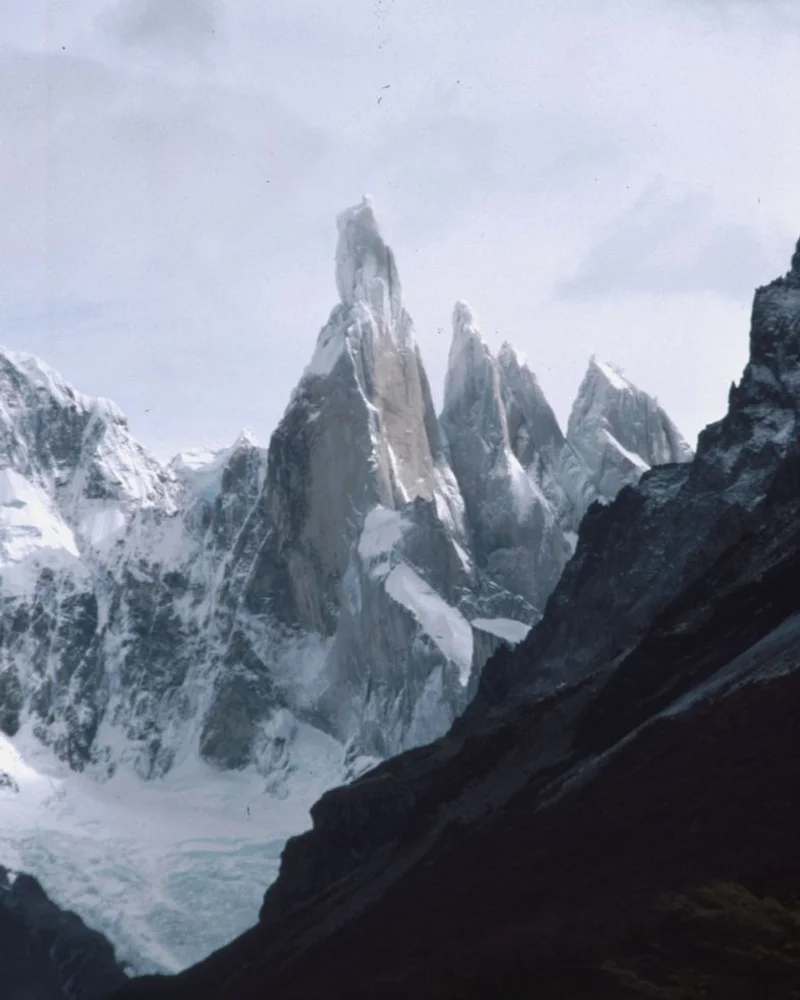
Casimiro Ferrari
Born on June 18, 1940, in Lecco, Italy, Casimiro Ferrari joined the elite Ragni della Grignetta at age eighteen. Endowed with fierce determination, extraordinary ice-climbing technique, and exceptional mountain leadership, Ferrari turned his attention to the wind-scoured granite spires of Patagonia. In January 1974, leading a formidable team comprising Daniele Chiappa, Mario Conti, and Pino Negri, Ferrari spearheaded the monumental first undisputed ascent of the West Face of Cerro Torre, braving horrific ice mushrooms and weeks of Patagonian storms to reach the summit rim. Two years later, in February 1976, Ferrari returned to Patagonia to make the historic first ascent of the towering East Pillar of Fitz Roy with Vittorio Meles. His exploratory vision extended to the Peruvian Andes as well, where in June 1975 he led the first ascent of the steep, fluted Southwest Face of Nevado Alpamayo, opening what became known as the Ferrari Route. Ferrari spent his later years managing an estancia in Patagonia, where he passed away in September 2001, celebrated across the alpine world as one of the fiercest and most devoted Patagonian pioneers in mountaineering history.
Associated Historical Chronicles & Stories
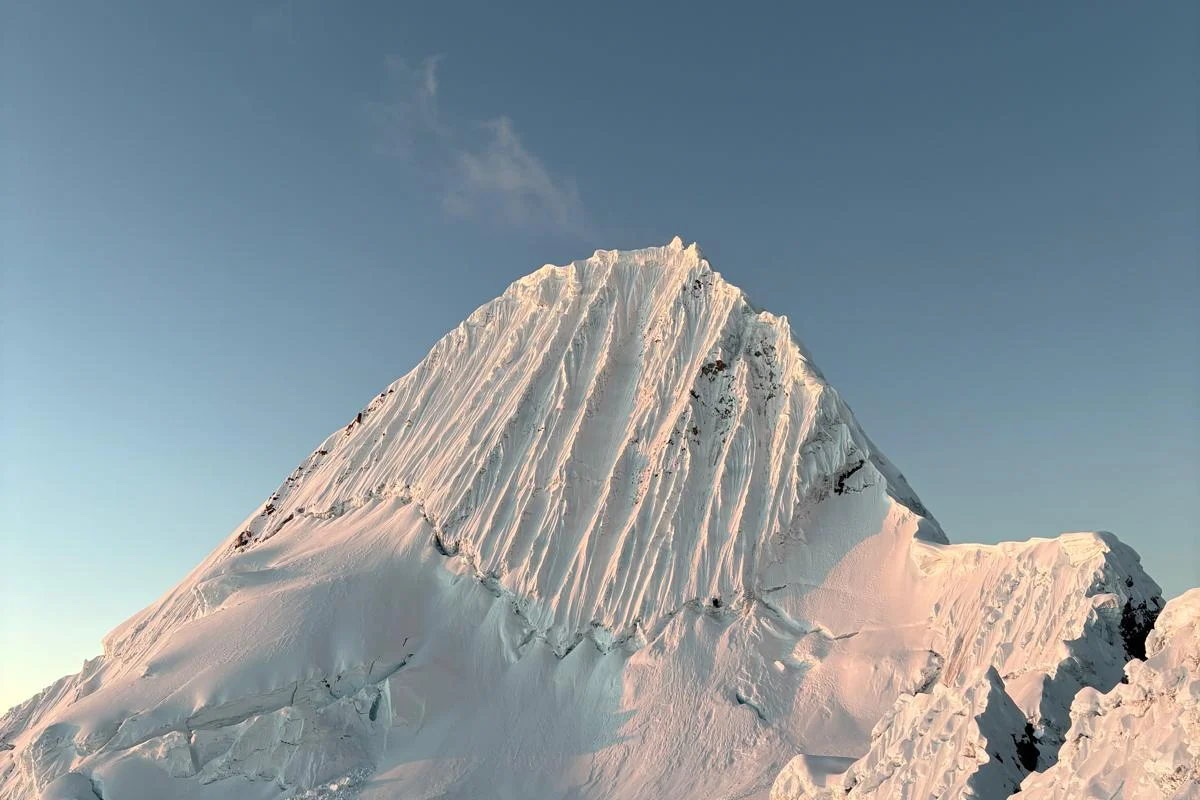
The Crystal Flutings: Casimiro Ferrari and the 1975 Alpamayo Masterpiece
On June 23, 1975, Casimiro Ferrari and the Ragni di Lecco scaled the 450-metre vertical ice runnels of Alpamayo's Southwest Face, creating the legendary Ferrari Route on the world's most beautiful mountain.
Documented Sources & Archival Citations
- American Alpine Journal: Alpamayo Southwest Face (1976)(American Alpine Club)
Supporting claim: Official expedition journal of the 1975 Italian Ragni di Lecco first ascent
Accessed/Documented: 2026 - The Andes: A Guide for Climbers(John Biggar / Andes Publishing)
Supporting claim: Technical climbing documentation of the Ferrari Route on Alpamayo
Accessed/Documented: 2026