Nanga Parbat 1970: The Messner Rupal Face Odyssey
In June 1970, brothers Reinhold and Günther Messner accomplished the historic first ascent of the 4,500m Rupal Face on Nanga Parbat, culminating in an epic traverse and tragic loss.
Mountain Safety & Conditions Disclaimer: High-altitude climbing, glacial travel, and technical ascents entail severe objective risks including avalanches, serac collapses, rapid weather collapse, and altitude illness. Historical route descriptions and summit claims on Mountainity reflect documented archival sources and must not be used as live operational safety assessments. Local regulations, permits, and physical glacial topography change continuously.
Peer Review: Senior Editorial Board & Historical Reviewers • Editorial Standards
The Greatest Precipice on Earth
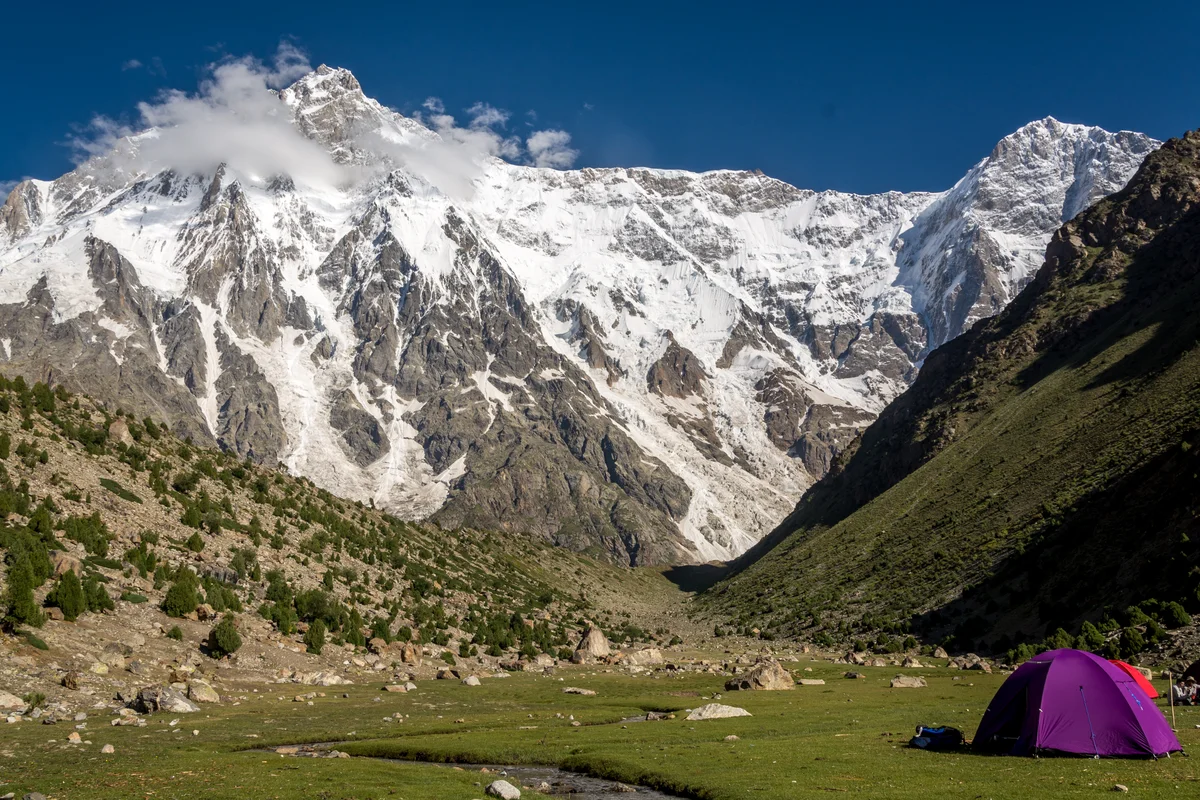
Dropping 4,500 meters (15,000 feet) from the summit to the green valley floor below, the Rupal Face of Nanga Parbat (8,126m) is the highest direct mountain wall in the world. For decades, international mountaineers regarded it as utterly unclimbable—a terrifying vertical sheet of black gneiss, hanging hanging glaciers, and perpetual avalanches.
In the summer of 1970, Dr. Karl Maria Herrligkoffer led a powerful German-Austrian expedition to attempt the impossible wall. Among the team were two prodigiously talented brothers from the South Tyrolean Dolomites: twenty-five-year-old Reinhold Messner and twenty-four-year-old Günther Messner. Both had developed unmatched speed and technical precision on the vertical limestone walls of Europe.
The Solo Bid that Became a Duo
On June 27, 1970, after weeks of fixing ropes up the lower gullies and the Wieland Ledge, an impending weather forecast signaled storms. Reinhold Messner made a daring tactical decision: he would launch a solo, lightweight bid from Camp V at 7,350 meters before the window closed. He climbed through the dawn with astonishing speed, scaling the technical Merkl Couloir without supplemental oxygen.
Several hours behind him, Günther Messner, moved by brotherly devotion and a sudden surge of strength, abandoned the security of the camp and sprinted up the icy gully in pursuit. Reunited high in the couloir, the two brothers forged upward together through bitter cold, reaching the summit of Nanga Parbat at 5:00 PM.
The Descent of Survival and Sorrow
Standing atop the mountain, the brothers faced an immediate catastrophe: Günther was severely exhausted and showing symptoms of acute high-altitude illness. Descending the near-vertical, frozen terrain of the Rupal Face without fixed ropes in the dark was suicide. Reinhold made the radical decision to seek an escape down the unexplored, gentler snow slopes of the Diamir Face on the mountain’s opposite side.
What followed was one of the most agonizing epics in mountain exploration. For three days and nights without food, water, or bivouac gear, Reinhold led his delirious brother down through the vast seracs of the Diamir Flank. Near the bottom of the glacier, as rescue seemed imminent, Günther was engulfed and buried by an enormous ice avalanche. Reinhold, hallucinating and severely frostbitten, crawled down the valley until discovered by local Pakistani farmers. The climb achieved the first traverse of an eight-thousander, but it forever altered Reinhold Messner’s life, inaugurating his legendary path as the solitary prophet of extreme alpinism.
Key Statistics & Topographic Figures
- Category
- Historic Expeditions
Archival Subject
- Reading Time
- 12 min read
Narrative Length
- Key Mountain
- nanga-parbat
Objective
- Ascent Route
- nanga-parbat-rupal-face-messner
Topography
- Verification
- Editorially Verified
Archival Standard
Defined Alpine Terminology & Concepts
- Summit Push
- The final continuous climbing effort from the highest established camp to the mountain apex and back.
- Death Zone Chronicle
- A verified, research-backed historical narrative documenting the human, technical, and environmental realities of an alpine expedition.
Frequently Asked Questions: Nanga Parbat 1970: The Messner Rupal Face Odyssey
What is the core chronicle and subject of "Nanga Parbat 1970: The Messner Rupal Face Odyssey"?
In June 1970, brothers Reinhold and Günther Messner accomplished the historic first ascent of the 4,500m Rupal Face on Nanga Parbat, culminating in an epic traverse and tragic loss.
Which mountain peaks and routes are featured in "Nanga Parbat 1970: The Messner Rupal Face Odyssey"?
This narrative documents climbs on nanga-parbat along the nanga-parbat-rupal-face-messner in Pakistan.
Which documented expedition is chronicled in this story?
This historical chronicle captures the events of the 1970-german-austrian-nanga-parbat-rupal-face, verified through contemporary journals and archival records.
Who authored and researched this archival chronicle?
Authored and researched by Mountainity Historical Research Desk, drawing on primary eyewitness testimonies, alpine club registries, and verified summit logs.
What makes this high-altitude chronicle historically significant?
Categorized under "Historic Expeditions", this chronicle preserves critical lessons in alpine leadership, survival, tactical speed, and human endurance in the death zone.
Related Mountains
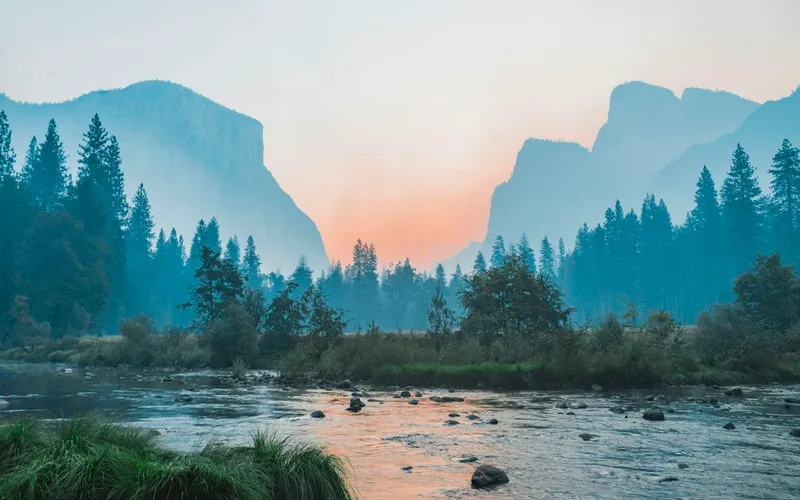

Nanga Parbat
Nanga Parbat, at 8,126 meters (26,660 ft), is the ninth-highest mountain on Earth and the western anchor of the Himalayas in Pakistan. It boasts the Rupal Face, the highest vertical precipice in the world at 4,600 meters from valley floor to summit. Known for profound climbing history, highlighted by Hermann Buhl's legendary solo summit without supplemental oxygen in 1953.
Ascent Route & Topography (1)
View All Routes →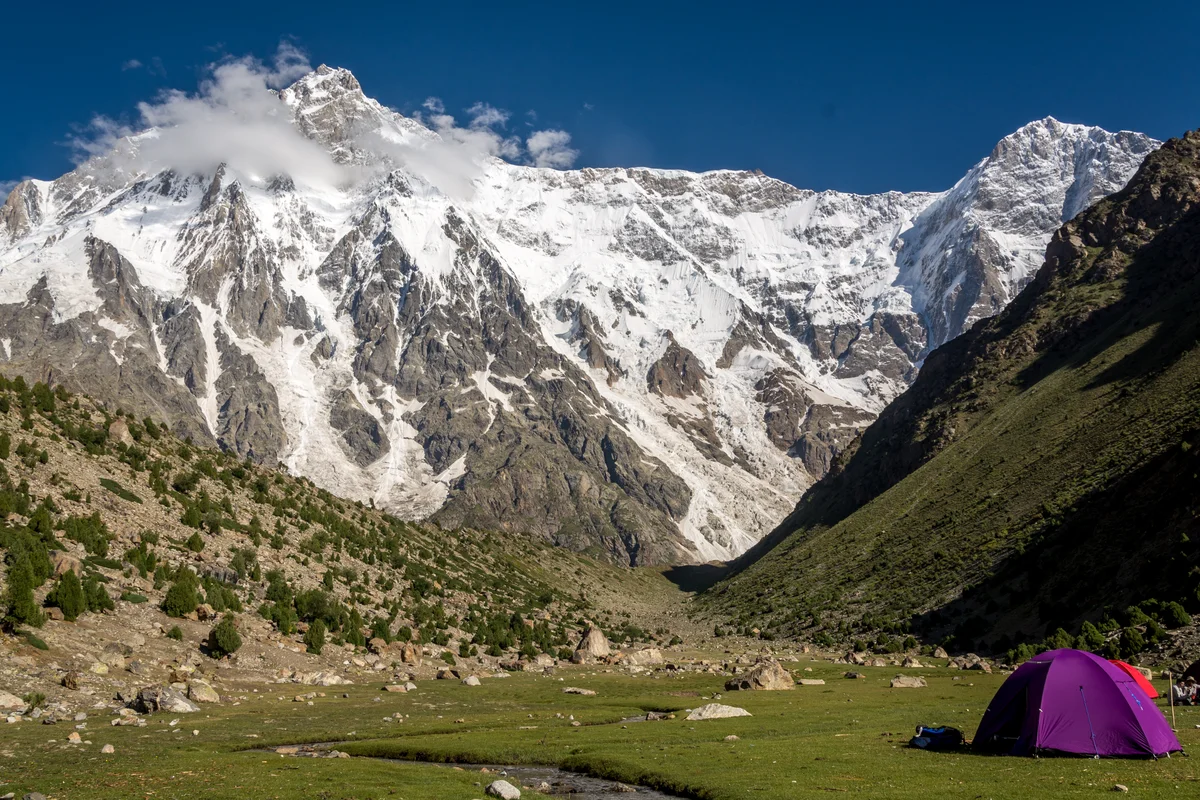
Nanga Parbat Rupal Face (Direct Messner Line)
The Rupal Face of Nanga Parbat is the highest vertical rock and ice wall on the planet, rising an unbroken 4,500 meters from the Rupal Valley floor to the summit. First surmounted in June 1970 by...
Featured Mountaineers & Pioneers (1)
Browse All Mountaineers →
Reinhold Messner
Reinhold Messner was born on September 17, 1944, in Bressanone (Brixen), South Tyrol, Italy, and grew up in the rugged Villnöß valley beneath the towering limestone spires of the Geisler Peaks (Odle). Guided by his...
Documented Sources & Archival Citations
- The Naked Mountain(Reinhold Messner / Crowood Press)
Supporting claim: Definitive personal account of the Rupal Face ascent, descent of the Diamir Face, and loss of Günther Messner.
- Nanga Parbat 1970: The German-Austrian Expedition(Karl Maria Herrligkoffer / American Alpine Journal (Vol. 17, No. 2))
Supporting claim: Official expedition chronicle of the first ascent of the Rupal Face.
Share Exploration
Global Mountain Intelligence
✓ Link copied to clipboard!