Forty Years on the North Ridge of Latok I (1978–2018)
From the 1978 American alpine attempt within 150 meters of the summit to the dramatic 2018 Choktoi climbs and Piolet d’Or triumph on Latok I.
Mountain Safety & Conditions Disclaimer: High-altitude climbing, glacial travel, and technical ascents entail severe objective risks including avalanches, serac collapses, rapid weather collapse, and altitude illness. Historical route descriptions and summit claims on Mountainity reflect documented archival sources and must not be used as live operational safety assessments. Local regulations, permits, and physical glacial topography change continuously.
Peer Review: Senior Editorial Board & Historical Reviewers • Editorial Standards
A Knife-Edge Spine Above the Choktoi
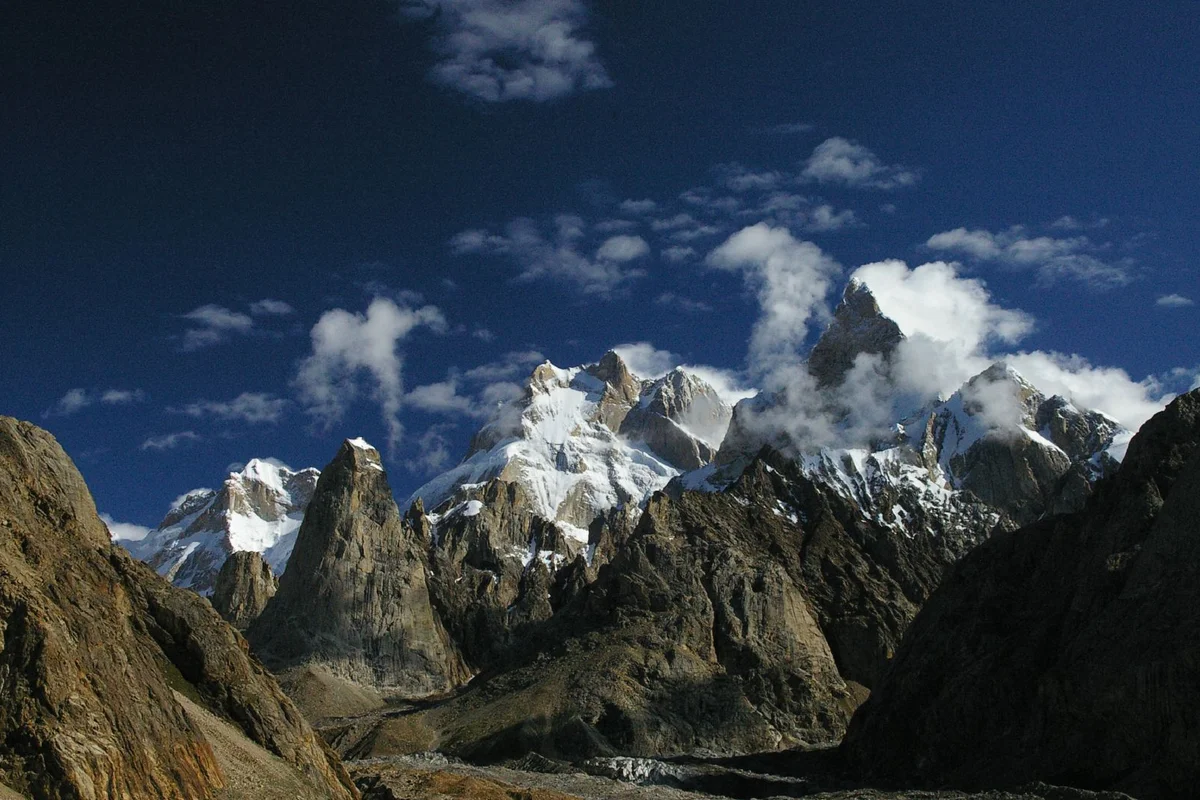
Standing at 7,145 meters in the Panmah Muztagh, Latok I presents its gentlest line on the south side—climbed once by a Japanese expedition in 1979—while dropping a jagged, corniced 2,500-meter granite-and-ice prow straight down to the Choktoi Glacier on the north. For four decades after 1978, that northern spine ranked among the most famous unfinished prizes in alpine climbing.
1978: Twenty-Six Days in Thin Air
In summer 1978, Americans Jim Donini, Michael Kennedy, George Lowe, and Jeff Lowe committed to the crest in lightweight style without fixed camps or Sherpa support. Moving pitch by pitch over glazed granite corners (up to 5.9 A2) and vertical water-ice flutes, they pushed above 7,000 meters after three weeks on the wall—just 150 vertical meters below the summit.
There, Jeff Lowe developed acute pulmonary edema as a multi-day blizzard slammed into the ridge. Rather than gamble on the last pitches, the quartet descended over six storm-tossed days via eighty-five rappels down spindrift-choked chimneys, reaching the glacier intact. Over the next thirty years, more than twenty-five elite teams from Europe, Japan, North America, and Russia tried the ridge and turned back below the 1978 high point.
July 2018: Drama at 6,200 Meters
In July 2018, Russian alpinists Sergey Glazunov and Alexander Gukov finally climbed past the upper technical mixed towers near the top of the ridge, though thick weather obscured whether they touched the true summit crest or the slightly lower West Shoulder before beginning their descent. During an arduous rappel storm, Glazunov slipped from a lower anchor and died. Stranded without stoves or food on a tiny ledge at 6,200 meters for six days, Gukov was plucked off the wall on July 31 in a remarkable high-altitude long-line rescue by Pakistani Army Aviation pilots.
August 2018: Solving the North Side
Just days later, Slovenian climbers Aleš Česen and Luka Stražar teamed up with British alpinist Tom Livingstone. Rather than staying rigidly upon the knife-edge snow mushrooms all the way to the top, they climbed the lower two-thirds of the North Ridge before traversing right onto the snowfields below the West Col and finishing cleanly along the upper West Ridge to reach Latok I’s true 7,145-meter summit on August 9, 2018—completing the first ascent of the mountain from the north and earning the 2019 Piolet d’Or.
Key Statistics & Topographic Figures
- Category
- Alpine Classics
Archival Subject
- Reading Time
- 10 min read
Narrative Length
- Key Mountain
- latok-i
Objective
- Ascent Route
- latok-1-north-ridge
Topography
- Verification
- Editorially Verified
Archival Standard
Defined Alpine Terminology & Concepts
- Summit Push
- The final continuous climbing effort from the highest established camp to the mountain apex and back.
- Death Zone Chronicle
- A verified, research-backed historical narrative documenting the human, technical, and environmental realities of an alpine expedition.
Frequently Asked Questions: Forty Years on the North Ridge of Latok I (1978–2018)
What is the core chronicle and subject of "Forty Years on the North Ridge of Latok I (1978–2018)"?
From the 1978 American alpine attempt within 150 meters of the summit to the dramatic 2018 Choktoi climbs and Piolet d’Or triumph on Latok I.
Which mountain peaks and routes are featured in "Forty Years on the North Ridge of Latok I (1978–2018)"?
This narrative documents climbs on latok-i along the latok-1-north-ridge in Pakistan.
Which documented expedition is chronicled in this story?
This historical chronicle captures the events of the 1978-latok-1-north-ridge-epic, 2018-glazunov-gukov-latok-i-north-ridge, 2018-latok-1-north-complete-cesen-strazar-livingstone, verified through contemporary journals and archival records.
Who authored and researched this archival chronicle?
Authored and researched by Mountainity Historical Research Desk, drawing on primary eyewitness testimonies, alpine club registries, and verified summit logs.
What makes this high-altitude chronicle historically significant?
Categorized under "Alpine Classics", this chronicle preserves critical lessons in alpine leadership, survival, tactical speed, and human endurance in the death zone.
Related Mountains

Latok I
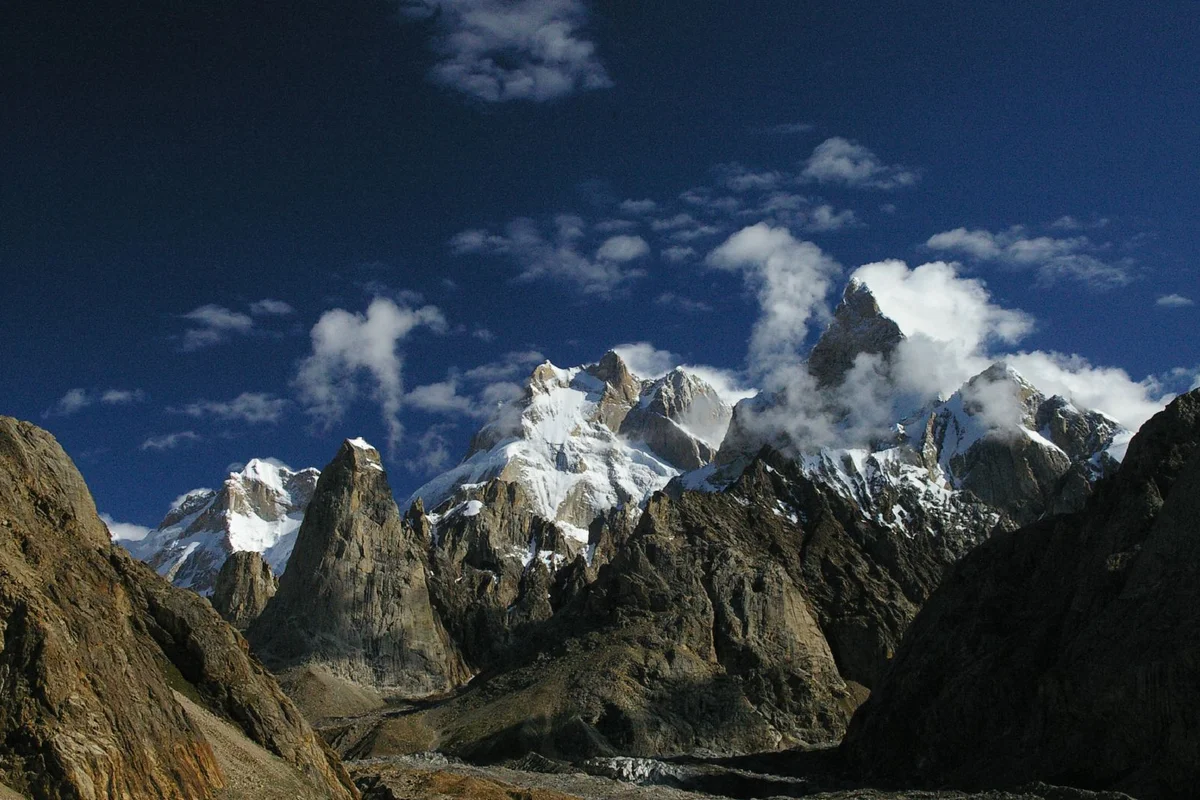
Latok I is a formidable 7,145-metre granite spire situated in the Panmah Muztagh subrange of the Karakoram in Gilgit-Baltistan, Pakistan. Rising steeply above the Choktoi and Baintha Lukpar glaciers, Latok I is internationally celebrated for its sheer 2,500-metre North Ridge, widely regarded as one of the most demanding alpine challenges on Earth.
Ascent Route & Topography (1)
View All Routes →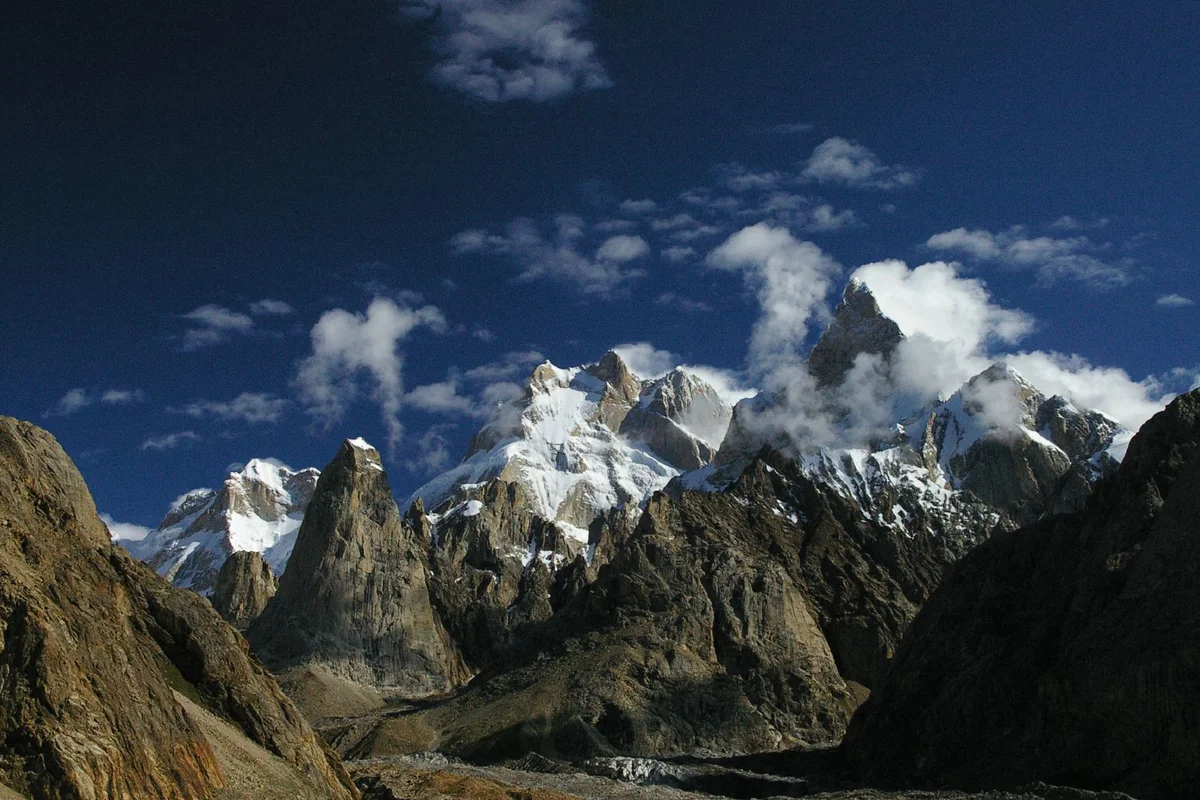
Latok I North Ridge
The North Ridge of Latok I (7,145m) is widely regarded as one of the most formidable and iconic alpine objectives in the Karakoram. Rising 2,500 vertical metres from the Choktoi Glacier along an...
Documented Expeditions (3)
View All Expeditions →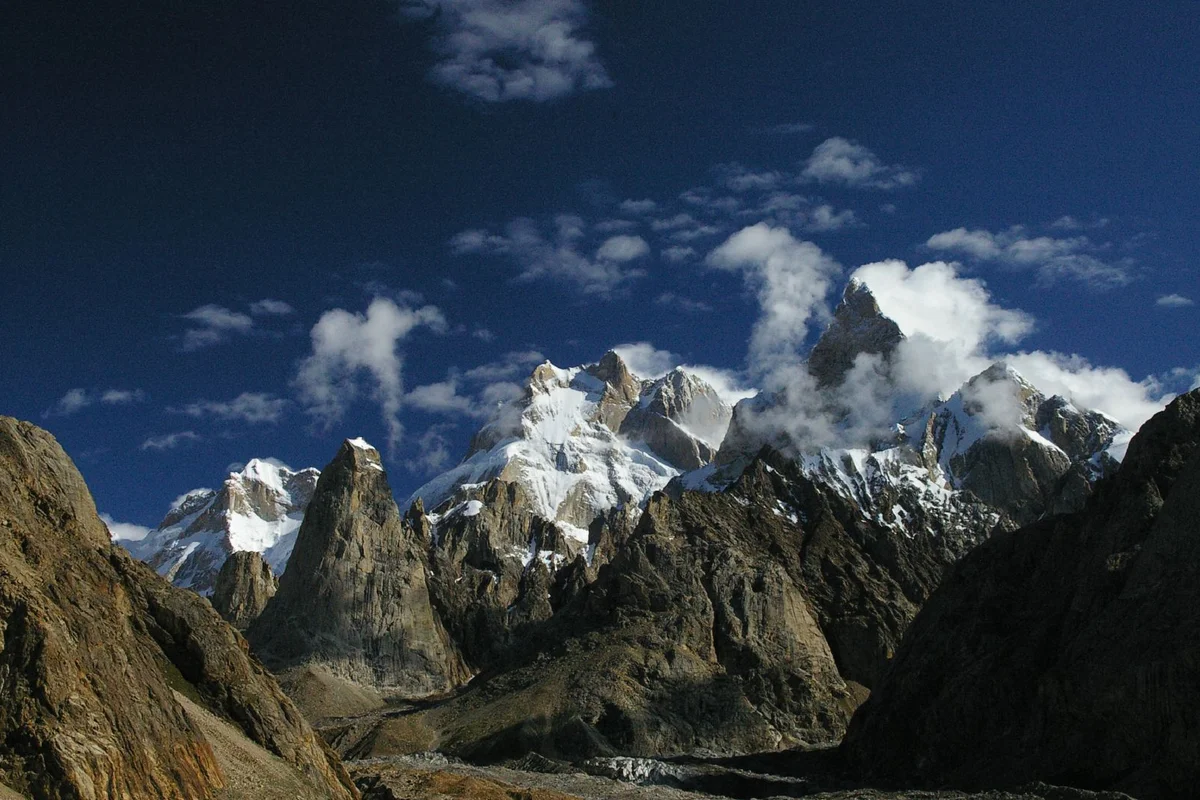
1978 Latok I North Ridge Alpine Expedition
In the summer of 1978, American alpinists Jim Donini, Michael Kennedy, George Lowe, and Jeff Lowe mounted a legendary alpine-style attempt on the 2,500-metre North Ridge of Latok I (7,145m), reaching within 150 metres of the summit before surviving a harrowing six-day blizzard retreat.
2018 Glazunov & Gukov Latok I North Ridge Attempt & Rescue
Russian alpinists Sergey Glazunov and Alexander Gukov climbed the full upper technical portion of Latok I’s North Ridge in July 2018 before Sergey Glazunov fell to his death during rappel descent, leaving Gukov stranded for six days at 6,200 m before a daring Pakistani army helicopter long-line rescue.
2018 Latok I First Ascent from the North (Česen, Stražar & Livingstone)
On August 9, 2018, Slovenian alpinists Aleš Česen and Luka Stražar with Briton Tom Livingstone completed the first ascent of Latok I from the Choktoi Glacier north side, linking the North Ridge three-quarters up onto the West Col to reach the 7,145-meter summit.
Documented Sources & Archival Citations
- Primary Alpine JournalAmerican Alpine Journal: The North Ridge of Latok I (1979) ↗(American Alpine Club)
Supporting claim: Account of the 1978 Donini, Kennedy, and Lowe attempt.
- Primary Alpine JournalLatok I from the North — 2019 Piolet d’Or Dossier ↗(American Alpine Journal / Piolet d’Or)
Supporting claim: August 9, 2018 ascent by Aleš Česen, Luka Stražar, and Tom Livingstone.
Share Exploration
Global Mountain Intelligence
✓ Link copied to clipboard!