Twenty-Three Hours to the Savage Summit: Benoît Chamoux's
On July 5, 1986, French alpinist Benoît Chamoux climbed K2 from Base Camp to the 8,611m summit in an astonishing 23 hours non-stop without supplemental oxygen.
Mountain Safety & Conditions Disclaimer: High-altitude climbing, glacial travel, and technical ascents entail severe objective risks including avalanches, serac collapses, rapid weather collapse, and altitude illness. Historical route descriptions and summit claims on Mountainity reflect documented archival sources and must not be used as live operational safety assessments. Local regulations, permits, and physical glacial topography change continuously.
Peer Review: Senior Editorial Board & Historical Reviewers • Editorial Standards
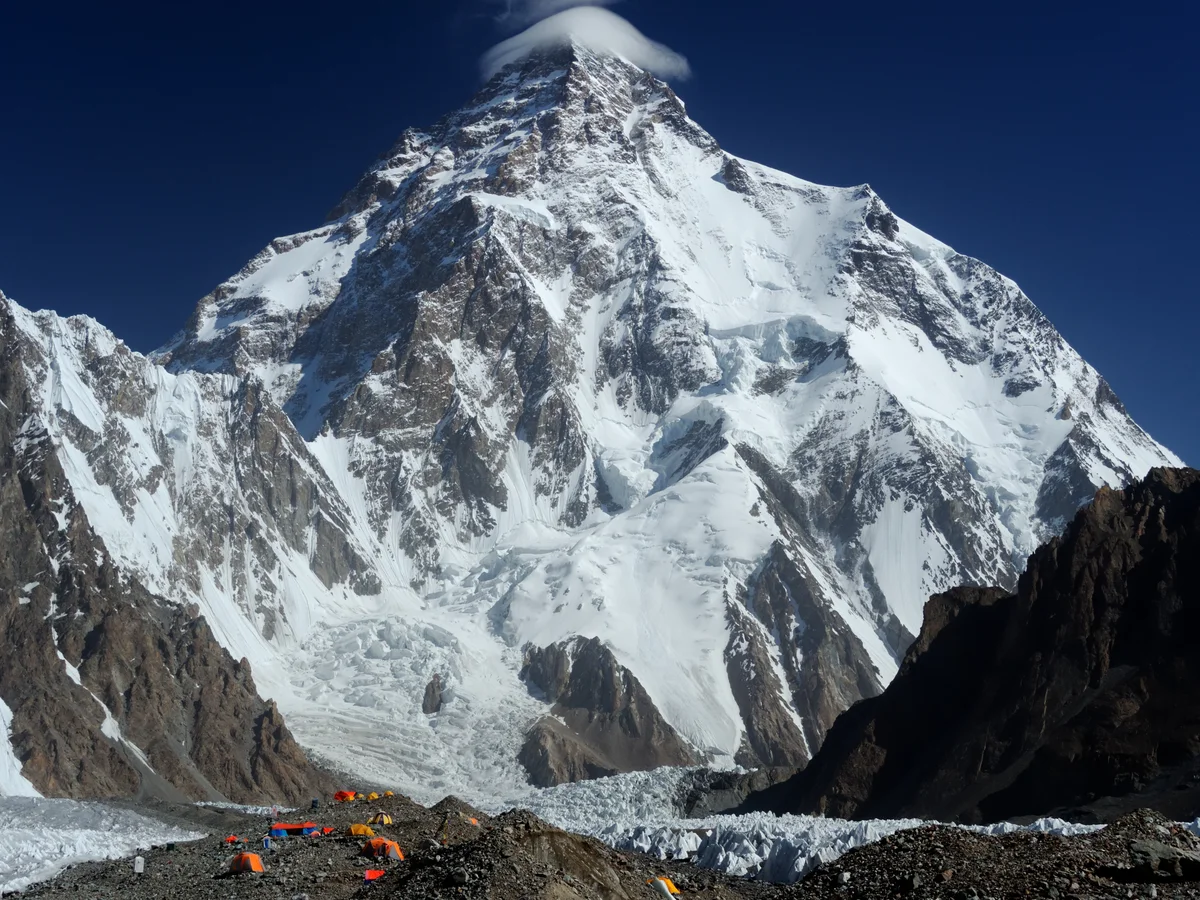
The summer of 1986 on K2 (8,611m) is forever remembered in mountaineering lore as both a season of unprecedented triumph and unimaginable catastrophe. Thirteen climbers lost their lives on the mountain amidst ferocious blizzards and exhaustion. Yet amidst this dramatic summer, 25-year-old French climber Benoît Chamoux executed a performance that redefined the limits of human endurance at extreme altitude.
Chamoux, a proponent of ultra-lightweight speed ascents, believed that the greatest peril in high-altitude mountaineering was prolonged exposure to the death zone. Rather than spending weeks moving between high camps, Chamoux theorized that an exceptionally conditioned athlete could sprint from Base Camp directly to the summit in a single continuous push, thereby minimizing exposure to objective hazards like avalanches and storms.
Sprinting Through the Death Zone
Having thoroughly acclimatized on neighboring Karakoram peaks, Chamoux stood at K2 Base Camp (5,300m) at 17:00 on July 4, 1986. Stripped of all superfluous equipment, his pack contained only lightweight crampons, two ice tools, a single thermos of warm drink, energy gels, and spare gloves. He carried no tent, no sleeping bag, and no supplemental oxygen.
Climbing entirely solo, Chamoux charged up the lower slopes of the Abruzzi Spur as darkness fell. While other expedition teams were asleep inside high-altitude tents, Chamoux raced past Camp 1 and Camp 2 under the stars. By sunrise on July 5, he was already ascending the steep, technical granite of the Black Pyramid above 7,000 metres.
Reaching the Summit in 23 Hours
Pushing past exhaustion, Chamoux traversed the high plateau of Camp 4 at 8,000 metres and entered the infamous Bottleneck couloir beneath the looming Great Serac. Moving with extraordinary rhythm and precision, he navigated the eighty-degree ice traverse and hauled himself onto the summit snowfield.
At 16:00 on July 5, 1986—exactly 23 hours after departing Base Camp—Benoît Chamoux stepped onto the summit of K2. Standing at 8,611 metres without bottled oxygen, he had shattered all existing speed records on the world’s most dangerous mountain. His feat demonstrated the extraordinary power of speed climbing in the Himalayas and inspired a generation of modern alpine athletes.
Key Statistics & Topographic Figures
- Category
- Speed Climbing & High-Altitude Sprints
Archival Subject
- Reading Time
- 13 min read
Narrative Length
- Key Mountain
- k2
Objective
- Ascent Route
- abruzzi-spur
Topography
- Verification
- Editorially Verified
Archival Standard
Defined Alpine Terminology & Concepts
- Summit Push
- The final continuous climbing effort from the highest established camp to the mountain apex and back.
- Death Zone Chronicle
- A verified, research-backed historical narrative documenting the human, technical, and environmental realities of an alpine expedition.
Frequently Asked Questions: Twenty-Three Hours to the Savage Summit: Benoît Chamoux's
What is the core chronicle and subject of "Twenty-Three Hours to the Savage Summit: Benoît Chamoux's"?
On July 5, 1986, French alpinist Benoît Chamoux climbed K2 from Base Camp to the 8,611m summit in an astonishing 23 hours non-stop without supplemental oxygen.
Which mountain peaks and routes are featured in "Twenty-Three Hours to the Savage Summit: Benoît Chamoux's"?
This narrative documents climbs on k2 along the abruzzi-spur in Pakistan.
Which documented expedition is chronicled in this story?
This historical chronicle captures the events of the 1986-benoit-chamoux-k2-speed-climb, verified through contemporary journals and archival records.
Who authored and researched this archival chronicle?
Authored and researched by Mountainity Historical Research Desk, drawing on primary eyewitness testimonies, alpine club registries, and verified summit logs.
What makes this high-altitude chronicle historically significant?
Categorized under "Speed Climbing & High-Altitude Sprints", this chronicle preserves critical lessons in alpine leadership, survival, tactical speed, and human endurance in the death zone.
Related Mountains


K2
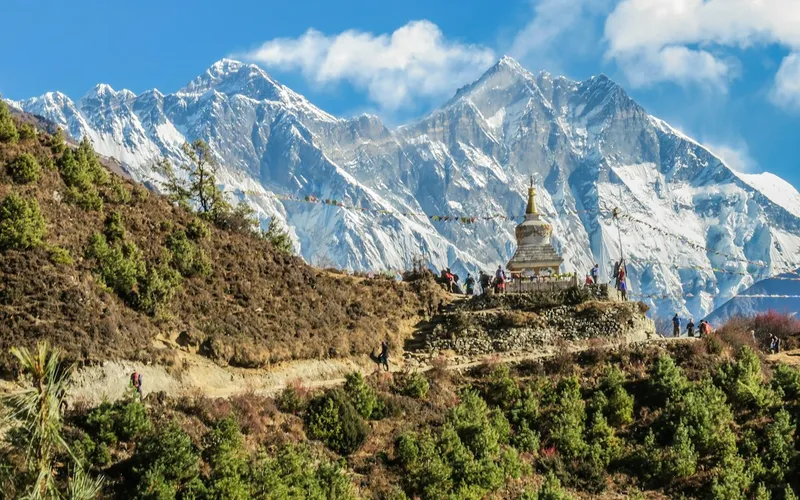
K2, at 8,611 meters (28,251 ft), is the second-highest mountain on Earth and widely regarded as the most technically demanding and lethal 8,000-meter peak. Located in the heart of the Karakoram on the border between Pakistan and China, K2 is characterized by sheer relief, severe weather anomalies, and persistent objective hazards including the notorious Bottleneck couloir.
Ascent Route & Topography (1)
View All Routes →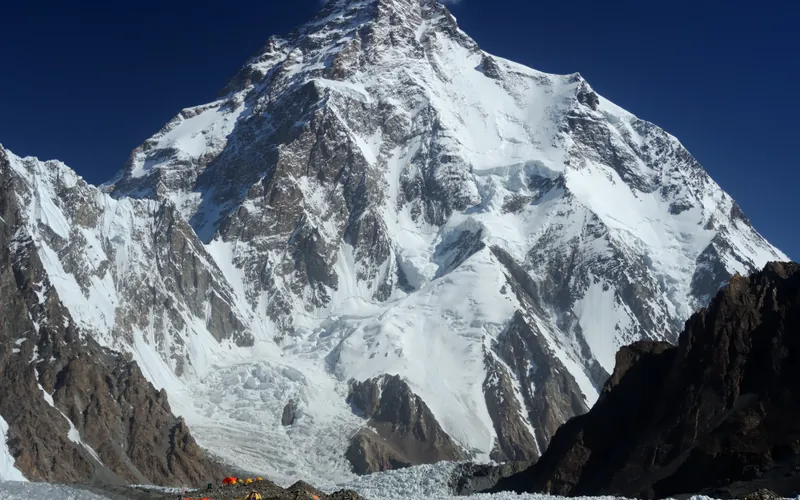
Abruzzi Spur (Southeast Ridge)
The Abruzzi Spur is the most famous and frequently climbed route on K2, tracing the mountain's steep southeast ridge from the Godwin-Austen Glacier to the summit. First explored in 1909 by Prince...
Featured Mountaineers & Pioneers (1)
Browse All Mountaineers →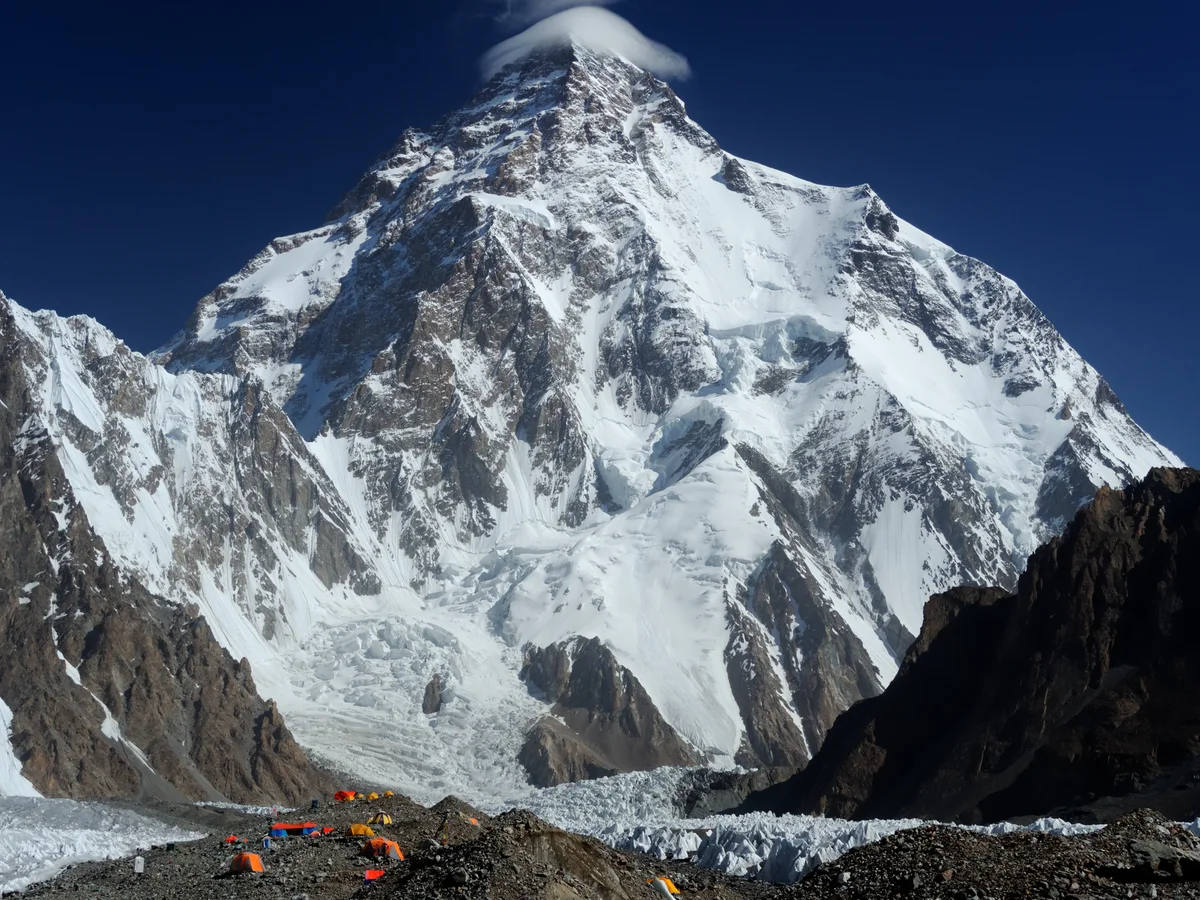
Benoît Chamoux
Benoît Chamoux was born on February 19, 1961, in La Roche-sur-Foron in Haute-Savoie, France. Blessed with an extraordinary cardiovascular engine, ferocious ambition, and natural agility on snow and ice, Chamoux emerged...
Documented Expeditions (1)
View All Expeditions →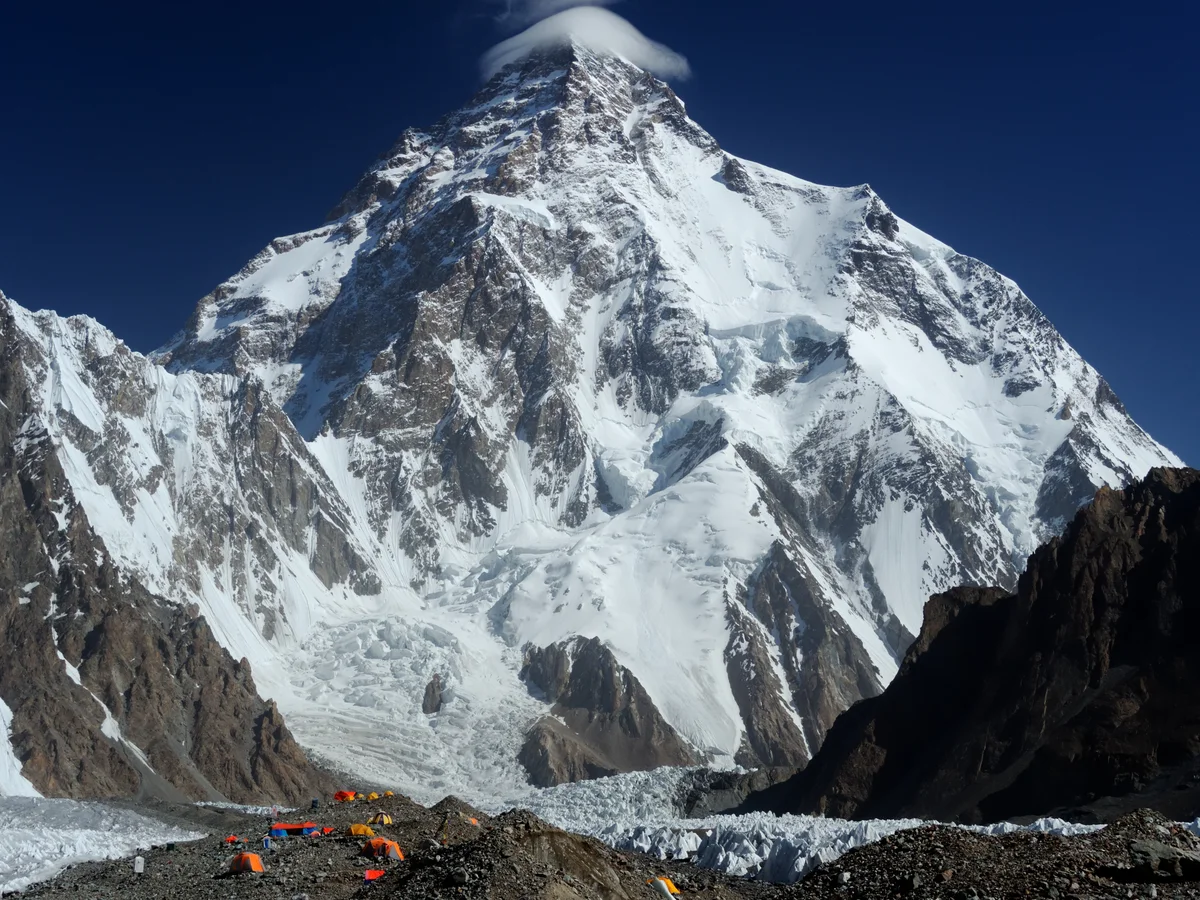
1986 Benoît Chamoux K2 23-Hour Speed Ascent
On July 5, 1986, French speed-climbing pioneer Benoît Chamoux stunned the global mountaineering community by ascending K2 (8,611m) via the Abruzzi Spur from Base Camp to the summit in just 23 hours non-stop without supplemental oxygen.
Documented Sources & Archival Citations
- American Alpine Journal: K2 Speed Record and Expeditions(American Alpine Club)
Supporting claim: Official technical verification and timing of Benoît Chamoux's 23-hour solo ascent of K2
- K2: Triumph and Tragedy(Jim Curran / Grafton Books)
Supporting claim: Base camp accounts and timeline of Chamoux's speed ascent during the tragic 1986 season
Share Exploration
Global Mountain Intelligence
✓ Link copied to clipboard!