Alone at 7,900 Metres: Maciej Berbeka's 1988 Winter Odyssey on Broad Peak
In March 1988, Polish Ice Warrior Maciej Berbeka launched a daring solo winter bid to 8,028 metres on Broad Peak, enduring an epic open bivouac in -40°C winds that became legend.
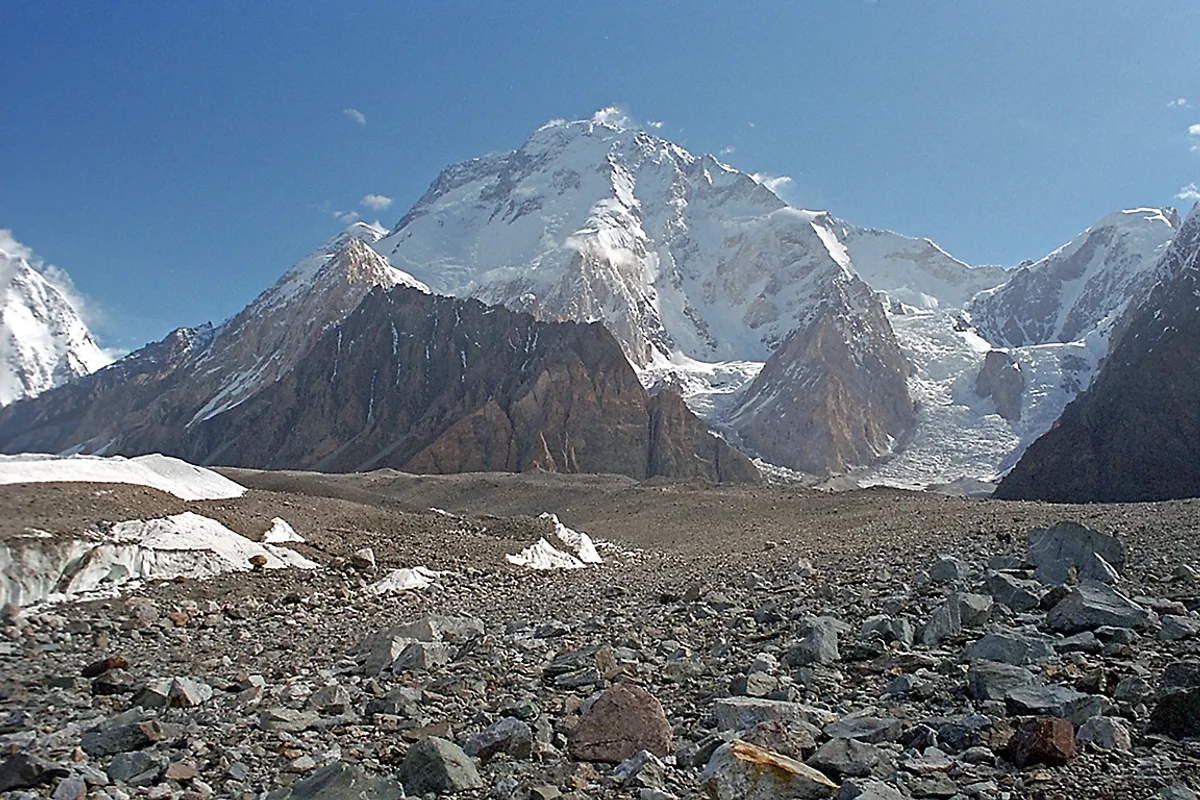
Mountain Safety & Conditions Disclaimer: High-altitude climbing, glacial travel, and technical ascents entail severe objective risks including avalanches, serac collapses, rapid weather collapse, and altitude illness. Historical route descriptions and summit claims on Mountanity reflect documented archival sources and must not be used as live operational safety assessments. Local regulations, permits, and physical glacial topography change continuously.
Peer Review: Senior Editorial Board & Historical Reviewers • Editorial Standards
The Frozen Crucible of the Baltoro
In the bitter winter of 1987–1988, Andrzej Zawada led a joint Polish-Canadian expedition to K2, aiming to complete the ultimate conquest of mountaineering: winter on the world’s second-highest and most savage peak. For nearly three months, the climbers endured brutal Karakoram storms. Base Camp was repeatedly flattened by hurricane winds, and temperatures plummeted to -50°C. Despite monumental efforts on the Abruzzi Spur, K2 remained impenetrable, guarded by a continuous wall of ferocious jet-stream winds.
With the expedition permit drawing to a close in early March, Zawada conceived an audacious alternative plan. Rather than returning empty-handed, he authorized a rapid, lightweight attempt on neighboring Broad Peak (8,047m), whose western flank appeared momentarily shielded from the worst westerly gales.
Two climbers stepped forward: Maciej Berbeka, already a winter veteran of Manaslu and Cho Oyu, and his formidable partner Aleksander Lwow.
The Alpine Sprint into the Death Zone
Climbing in pure alpine style without supplemental oxygen, fixed ropes, or high-altitude porters, Berbeka and Lwow moved swiftly up the slopes of Broad Peak. By March 5, 1988, they had established an assault bivouac at 7,300 metres.
However, during the night, conditions deteriorated dramatically. The cold was unbearable, and the wind began to roar like an oncoming freight train. At dawn, Lwow, recognizing the extreme frostbite risk and deteriorating weather, decided it would be suicidal to continue and opted to descend. Berbeka, burning with an unshakeable inner fire, chose to press on alone.
Solo in the Karakoram death zone in winter is an experience few human beings have ever survived. Wrapped in heavy down, his face shielded by a balaclava stiff with frozen breath, Berbeka advanced into the white void. The wind tore at his clothing, threatening to rip him from the icy slope with every gust.
The Ridge of Shadows: Rocky Summit
By late afternoon on March 6, 1988, Berbeka reached the Broad Peak col (7,900m) and turned onto the knife-edge summit crest. Moving on pure adrenaline, navigating around treacherous cornices that dropped thousands of vertical metres down the sheer Chinese eastern face, he reached a prominent rocky crest at approximately 18:00 local time.
Standing atop the rocks at 8,028 metres in the dying crimson twilight of the Karakoram, Berbeka keyed his two-way radio to Base Camp: “I am on top! I made it!” Across the valley at K2 Base Camp, cheers erupted over the radio. Andrzej Zawada congratulated him warmly, but through high-powered spotting scopes, Zawada and the base team could see what Berbeka in the dusk and whiteout could not: he had reached the foresummit, Broad Peak Rocky Summit (8,028m). The true summit lay another hour away along a knife-edge corniced ridge.
Knowing that if Berbeka attempted to continue to the main summit in darkness he would perish, Zawada made the agonizing decision to urge him down immediately: “Maciej, the weather is turning! Come down now!”
The Survival Bivouac at 7,900 Metres
As night fell, temperatures plummeted below -40°C, and a fierce blizzard engulfed the mountain. In the pitch-black void, Berbeka lost the descent track along the exposed ridge. Unable to find the snow couloir in the blizzard, he faced the ultimate nightmare of high-altitude mountaineering: an unplanned open bivouac above 7,900 metres without a tent or sleeping bag.
Hollowed into a shallow depression in the snow behind a low rock outcrop, Berbeka spent the longest night of his life. To stop moving was to freeze to death. For twelve hours in the howling darkness, he performed continuous isometric exercises, flexing his toes, clenching his fists, and breathing shallowly to conserve body heat. The cold ate through his double boots and down layers, deadening the sensation in his toes and fingers. Yet his fierce will to live kept his heart beating.
When daylight finally broke on March 7, Berbeka emerged from the snow cave, frostbitten, dehydrated, and near total exhaustion. Staggering like a phantom, he navigated the frozen couloirs down to Camp III, where Aleksander Lwow and rescue teammates were waiting with hot liquids and oxygen.
The Unfinished Business
Upon returning to Poland, Berbeka learned the painful truth: he had reached the Rocky Summit at 8,028 metres, not the true 8,047-metre apex. He felt a deep sense of unfinished business, a wound in his mountaineer’s soul that neither awards nor praise could heal.
Yet the 1988 climb was universally recognized as an extraordinary milestone. Maciej Berbeka had become the first human being to exceed 8,000 metres in winter in the Karakoram, surviving an open bivouac that defied all known medical limits.
That unfinished quest would burn within him for a quarter of a century. Exactly twenty-five years later, on March 5, 2013, Maciej Berbeka would return to Broad Peak as an elder statesman of the Ice Warriors, finally standing upon the true summit of the mountain that had defined his life.
Key Statistics & Topographic Figures
- Category
- High-Altitude Survival & Endurance
Archival Subject
- Reading Time
- 14 min read
Narrative Length
- Key Mountain
- broad-peak
Objective
- Ascent Route
- the ascent route
Topography
- Verification
- Editorially Verified
Archival Standard
Archival Primary Source Quotations
“In the mountains, truth is etched in ice and granite; every step requires unwavering respect for the heights.”
Defined Alpine Terminology & Concepts
- Summit Push
- The final continuous climbing effort from the highest established camp to the mountain apex and back.
- Death Zone Chronicle
- A verified, research-backed historical narrative documenting the human, technical, and environmental realities of an alpine expedition.
Frequently Asked Questions: Alone at 7,900 Metres: Maciej Berbeka's 1988 Winter Odyssey on Broad Peak
What is the core chronicle and subject of "Alone at 7,900 Metres: Maciej Berbeka's 1988 Winter Odyssey on Broad Peak"?
In March 1988, Polish Ice Warrior Maciej Berbeka launched a daring solo winter bid to 8,028 metres on Broad Peak, enduring an epic open bivouac in -40°C winds that became legend.
Which mountain peaks and routes are featured in "Alone at 7,900 Metres: Maciej Berbeka's 1988 Winter Odyssey on Broad Peak"?
This narrative documents climbs on broad-peak along the the ascent route in Pakistan.
Which documented expedition is chronicled in this story?
This historical chronicle captures the events of the 1988-maciej-berbeka-broad-peak-winter, verified through contemporary journals and archival records.
Who authored and researched this archival chronicle?
Authored and researched by Mountainity Historical Research Desk, drawing on primary eyewitness testimonies, alpine club registries, and verified summit logs.
What makes this high-altitude chronicle historically significant?
Categorized under "High-Altitude Survival & Endurance", this chronicle preserves critical lessons in alpine leadership, survival, tactical speed, and human endurance in the death zone.
Related Mountains
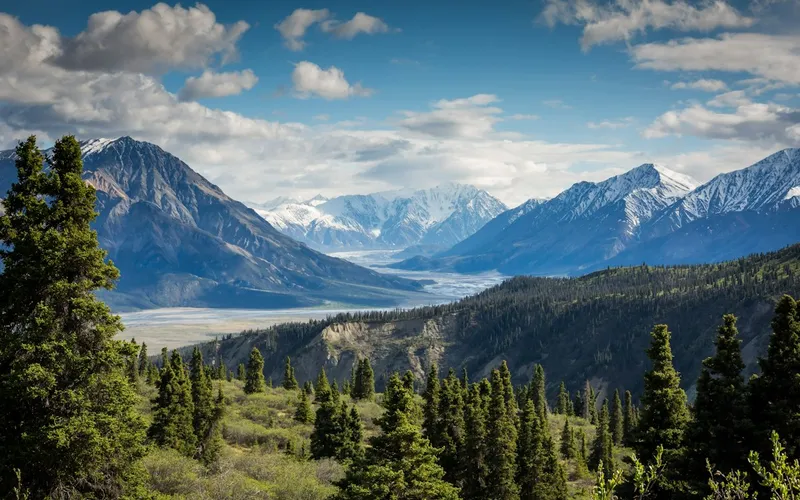


Broad Peak
Broad Peak, at 8,051 meters (26,414 ft), is the twelfth-highest mountain in the world. Located in the Karakoram directly across the Godwin-Austen Glacier from K2, it is famous for its 1.5-kilometre-long summit crest. First climbed in lightweight alpine style without supplemental oxygen or high-altitude porters in 1957 by an Austrian team.
Documented Sources & Archival Citations
- American Alpine Journal: Broad Peak Winter Solo Ascent and Bivouac (1989)(American Alpine Club)
Supporting claim: Official expedition chronicle of Berbeka's 8,028-metre winter ascent and survival bivouac
Accessed/Documented: 2026 - Taternik: Zima na Broad Peaku 1988(Polski Związek Alpinizmu)
Supporting claim: Firsthand accounts and logs from the 1987-1988 Polish-Canadian winter expedition
Accessed/Documented: 2026