
Pakistan
Home to the western terminus of the Himalayas, the central spine of the Karakoram, and the eastern Hindu Kush. Pakistan hosts five of the world's fourteen 8,000-meter peaks—K2, Nanga Parbat, Gasherbrum I, Broad Peak, and Gasherbrum II—making it the supreme proving ground for global high-altitude mountaineering.
Mountain Peaks in Pakistan
Technical profiles, elevations, and ascent histories for summits located in or spanning Pakistan.
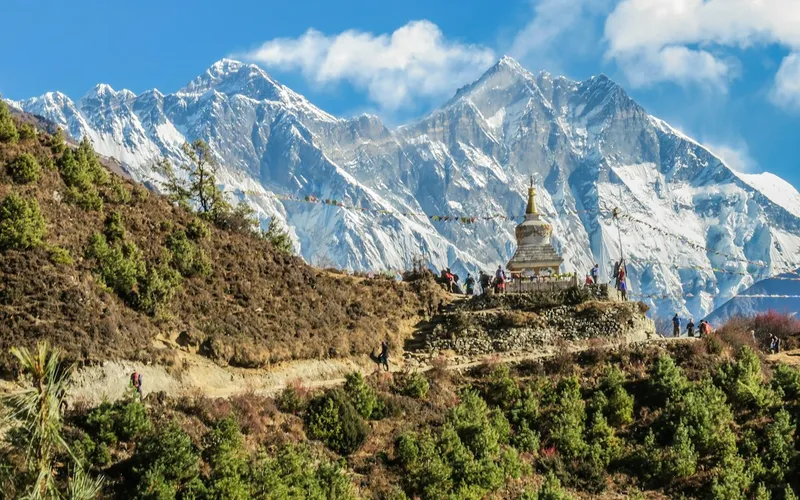

K2
K2, at 8,611 meters (28,251 ft), is the second-highest mountain on Earth and widely regarded as the most technically demanding and lethal 8,000-meter peak. Located in the heart of the Karakoram on the border between Pakistan and China, K2 is characterized by sheer relief, severe weather anomalies, and persistent objective hazards including the notorious Bottleneck couloir.
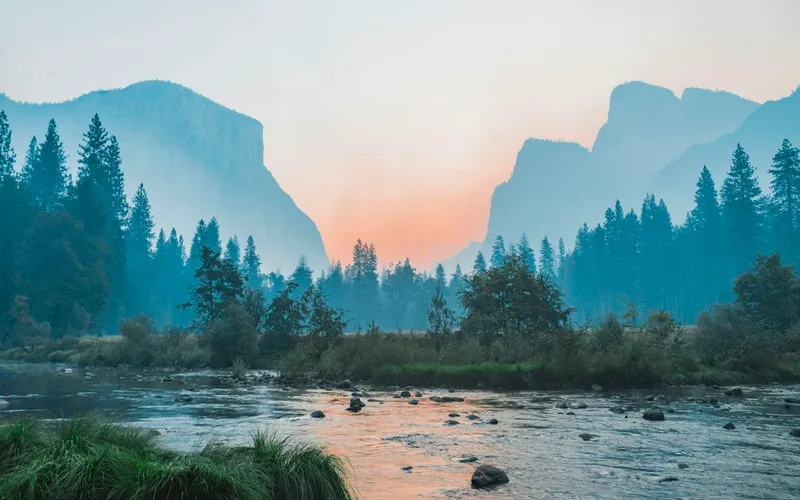
Nanga Parbat
Nanga Parbat, at 8,126 meters (26,660 ft), is the ninth-highest mountain on Earth and the western anchor of the Himalayas in Pakistan. It boasts the Rupal Face, the highest vertical precipice in the world at 4,600 meters from valley floor to summit. Known for profound climbing history, highlighted by Hermann Buhl's legendary solo summit without supplemental oxygen in 1953.
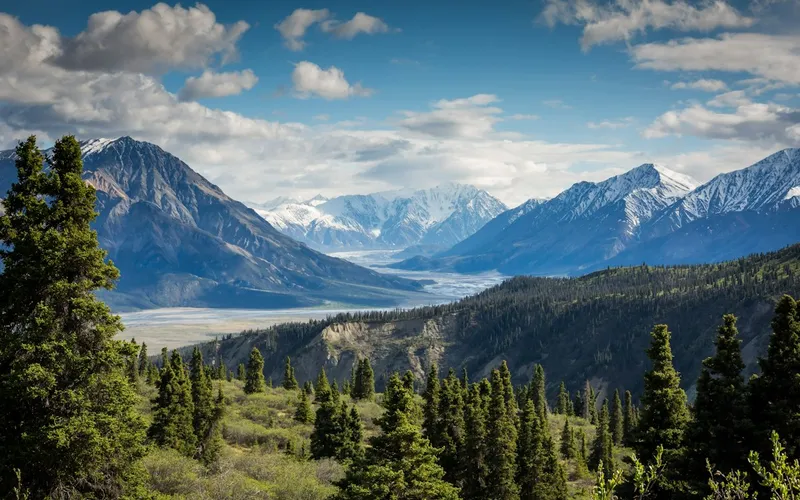
Broad Peak
Broad Peak, at 8,051 meters (26,414 ft), is the twelfth-highest mountain in the world. Located in the Karakoram directly across the Godwin-Austen Glacier from K2, it is famous for its 1.5-kilometre-long summit crest. First climbed in lightweight alpine style without supplemental oxygen or high-altitude porters in 1957 by an Austrian team.

Tirich Mir
Tirich Mir is the crowning summit of the Hindu Kush range at 7,708 meters (25,289 ft). Located in the Chitral District of Khyber Pakhtunkhwa, Pakistan, it rises with astounding sheer verticality above the Chitral valley and remains one of the most culturally revered peaks in Central Asian lore.
Mountain Ranges Spanning Pakistan
Geographic mountain massifs, regional topography, and glaciated chains within Pakistan.
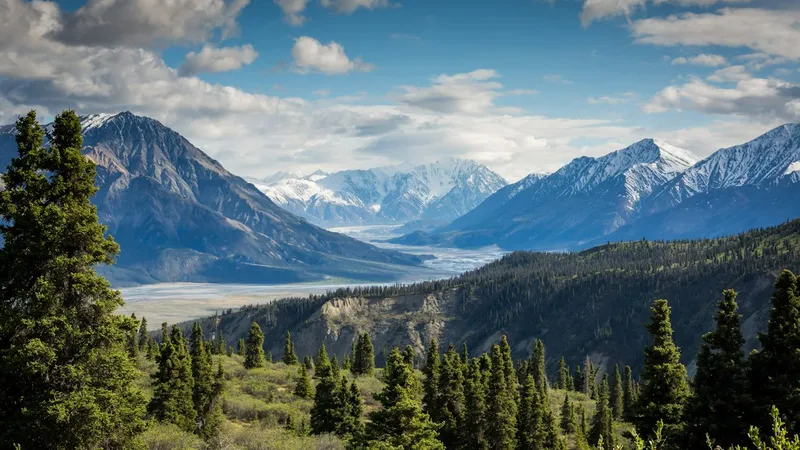
Himalayan Range
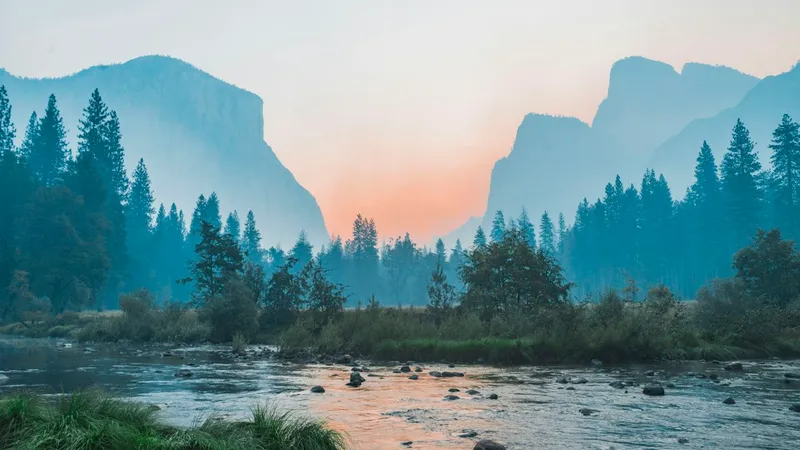
The highest mountain system on Earth, spanning 2,400 kilometres. Anchored on its westernmost terminus in Pakistan by the monumental 8,126-meter massif of Nanga Parbat and stretching eastward through Nepal and the Tibetan plateau.
Hindu Kush
An 800-kilometre mountain range stretching through Chitral in northwestern Pakistan into central Afghanistan. Dominated by the isolated giant Tirich Mir at 7,708 meters, renowned for complex alpine topography, steep glaciated walls, and ancient mountain valleys.
Karakoram Range
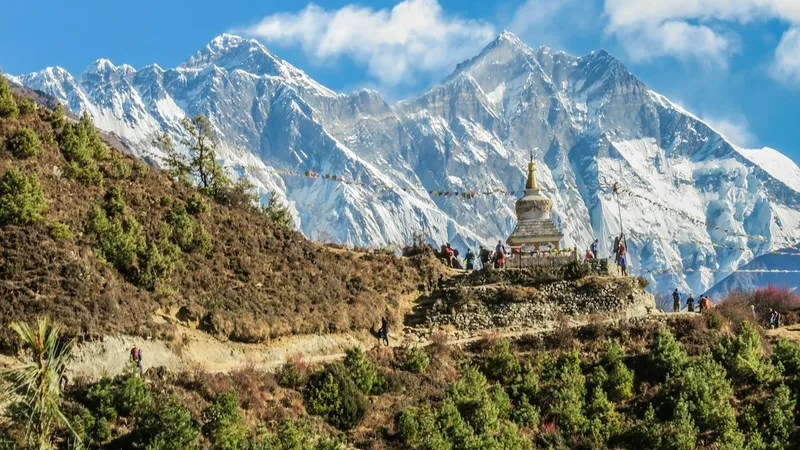
One of the Greater Ranges of Asia, spanning Gilgit-Baltistan, Ladakh, and Xinjiang. Home to the highest concentration of 8,000-meter peaks outside the Himalayas, including K2, Gasherbrum I, Broad Peak, and Gasherbrum II, along with immense non-polar glaciers like the Baltoro and Siachen.
Documented Climbing Routes
Classic lines of ascent, technical difficulties, and objective hazards across Pakistan's summits.
Abruzzi Spur (Southeast Ridge)
The most celebrated and attempted route on K2, tracing the Southeast Ridge from Base Camp at 5,000m to the summit pyramid. It demands mastery of sustained mixed climbing through House's Chimney (6,600m), the sheer granite slabs of the Black Pyramid (7,200m), and the treacherous traverse beneath the colossal hanging serac of the Bottleneck (8,200m).
Kinshofer Route (Diamir Face)
The standard line of ascent up Nanga Parbat's western flank. The technical crux occurs early between Camp I and Camp II on the steep, ice-glazed Kinshofer Wall (6,000m), followed by long traverses across the upper glacier basins to the summit shoulder.
Historic Expeditions & First Ascents
Epoch-making sieges and triumphant summits recorded within Pakistan's alpine history.
1953 Austro-German Nanga Parbat Expedition
The Austro-German expedition resulting in Hermann Buhl's epoch-making solo summit of Nanga Parbat (8,126m) without supplemental oxygen.
1954 Italian Karakoram Expedition to K2
Led by geologist Ardito Desio, this national expedition achieved the momentous first ascent of K2 on July 31, 1954, via the Southeast Abruzzi Spur.
Pioneer Mountaineers of Pakistan
Biographical chronicles of legendary high-altitude alpinists hailing from Pakistan.

Nazir Sabir
Nazir Sabir (born 1955) is Pakistan's most decorated high-altitude mountaineer. Hailing from the Hunza valley in Gilgit-Baltistan, he was the first Pakistani to summit K2 (1981, via the arduous Japanese West Ridge route) and Mount Everest. Over a celebrated career spanning decades, he championed mountain conservation, alpine safety ethics, and served as President of the Alpine Club of Pakistan.