The Coldest Conquest: Muhammad Ali Sadpara and the Historic 2016 Winter Ascent of Nanga Parbat
On February 26, 2016, Muhammad Ali Sadpara, Alex Txikon, and Simone Moro made the first winter ascent of Nanga Parbat (8,126m) at -45°C, conquering one of mountaineering's greatest winter frontiers.
Mountain Safety & Conditions Disclaimer: High-altitude climbing, glacial travel, and technical ascents entail severe objective risks including avalanches, serac collapses, rapid weather collapse, and altitude illness. Historical route descriptions and summit claims on Mountanity reflect documented archival sources and must not be used as live operational safety assessments. Local regulations, permits, and physical glacial topography change continuously.
Peer Review: Senior Editorial Board & Historical Reviewers • Editorial Standards
For thirty-one years, the winter summit of Nanga Parbat (8,126m) stood as an impenetrable fortress of ice, hurricane gales, and lethal cold. Since the Polish pioneers began probing its frozen flanks in the winter of 1988–1989, thirty-one separate international expeditions—comprising the world’s most elite extreme alpinists—had thrown themselves against the ‘Killer Mountain’ during the coldest months. Every single attempt had been violently beaten back by avalanches, frostbite, and 120-mile-per-hour jet stream winds.
By January 2016, many in the global mountaineering community believed Nanga Parbat in winter was an impossible dream. Only one man possessed the intimate terrain mastery, boundless physical joy, and granite fortitude required to unlock its gates: Muhammad Ali Sadpara.
The Architect of the Diamir Flank
Born in 1976 in Sadpara village near Skardu, Muhammad Ali Sadpara had climbed Nanga Parbat twice before in summer (2008 and 2009). He knew every crack, rock rib, and ice couloir on the Diamir Face as intimately as the back of his hand. Where foreign climbers saw terrifying sheer voids, Ali saw a familiar home.
In the winter of 2015–2016, Spanish mountaineer Alex Txikon teamed up with Ali Sadpara to mount an attempt via the Kinshofer Route. Later in the season, Italian winter legend Simone Moro and his climbing partner Tamara Lunger joined their team, merging their permits into a single unified strike force.
While the European climbers brought state-of-the-art winter down gear and technical sponsorship, Ali Sadpara provided the engine of the entire expedition. Day after day in temperatures dropping to -40°C, Ali led from the front: breaking trail through thigh-deep powder snow, hammering pitons into the frozen rock of the vertical Kinshofer Wall at 6,000 meters, and fixing miles of safety ropes along bullet-hard blue ice. Simone Moro would later state publicly: “Without Ali Sadpara, this winter ascent would never have happened. He was the powerhouse.”
The Winter Gale and Camp IV
By late February 2016, a narrow weather window opened. On February 22, the four climbers departed Diamir Base Camp (4,200m). Moving with calculated speed, they bypassed the lower camps and reached Camp IV on the Bazhin Basin at 7,200 meters on February 25.
Night at Camp IV in winter is a test of sheer psychological survival. Packed tightly inside their frost-coated tents, the climbers shivered continuously through the night. The mercury outside plummeted below -45°C. Water could only be obtained through agonizing hours of melting ice over sputtering stoves, and taking off a single glove for even thirty seconds risked immediate third-degree frostbite.
The Summit Day: February 26, 2016
At 6:00 AM on February 26, 2016, Ali Sadpara, Alex Txikon, Simone Moro, and Tamara Lunger set out toward the summit pyramid. The cold was staggering, biting through thick triple-layer boots and insulated mittens.
Near 8,000 meters, disaster nearly struck when Tamara Lunger began vomiting violently from altitude exhaustion and extreme cold. Demonstrating immense courage and self-awareness, Lunger made the agonizing decision to turn back just a hundred meters below the summit, descending alone toward Camp IV to avoid jeopardizing her teammates.
Ali Sadpara took the lead up the final steep couloir. Navigating around rocky towers and cutting steps across icy wind-crust, he kept spirits soaring by singing Balti folk songs in the sub-zero air.
At exactly 3:27 PM local time, Muhammad Ali Sadpara stepped onto the 8,126-meter summit of Nanga Parbat, followed immediately by Alex Txikon and Simone Moro.
Standing on the tiny crest of the Naked Mountain in the middle of winter, Ali pulled the green crescent flag of Pakistan from his down suit and held it against the gale. Thirty-one years of mountaineering frustration, thirty-one failed international expeditions, and millions of pounds of high-tech gear had culminated in a historic breakthrough spearheaded by a humble Balti climber from Sadpara.
Global Reverence and Winter Legend
The successful descent to Base Camp was celebrated across the international mountaineering press as the crowning alpine achievement of the decade. With Nanga Parbat conquered in winter, only one eight-thousander on Earth remained unclimbed in the cold season: K2.
Ali Sadpara returned to Pakistan as a national hero. He proved to the world that Pakistani high-altitude climbers were not merely supporting porters for foreign expeditions, but world-class lead alpinists capable of solving the greatest riddles in mountaineering history.
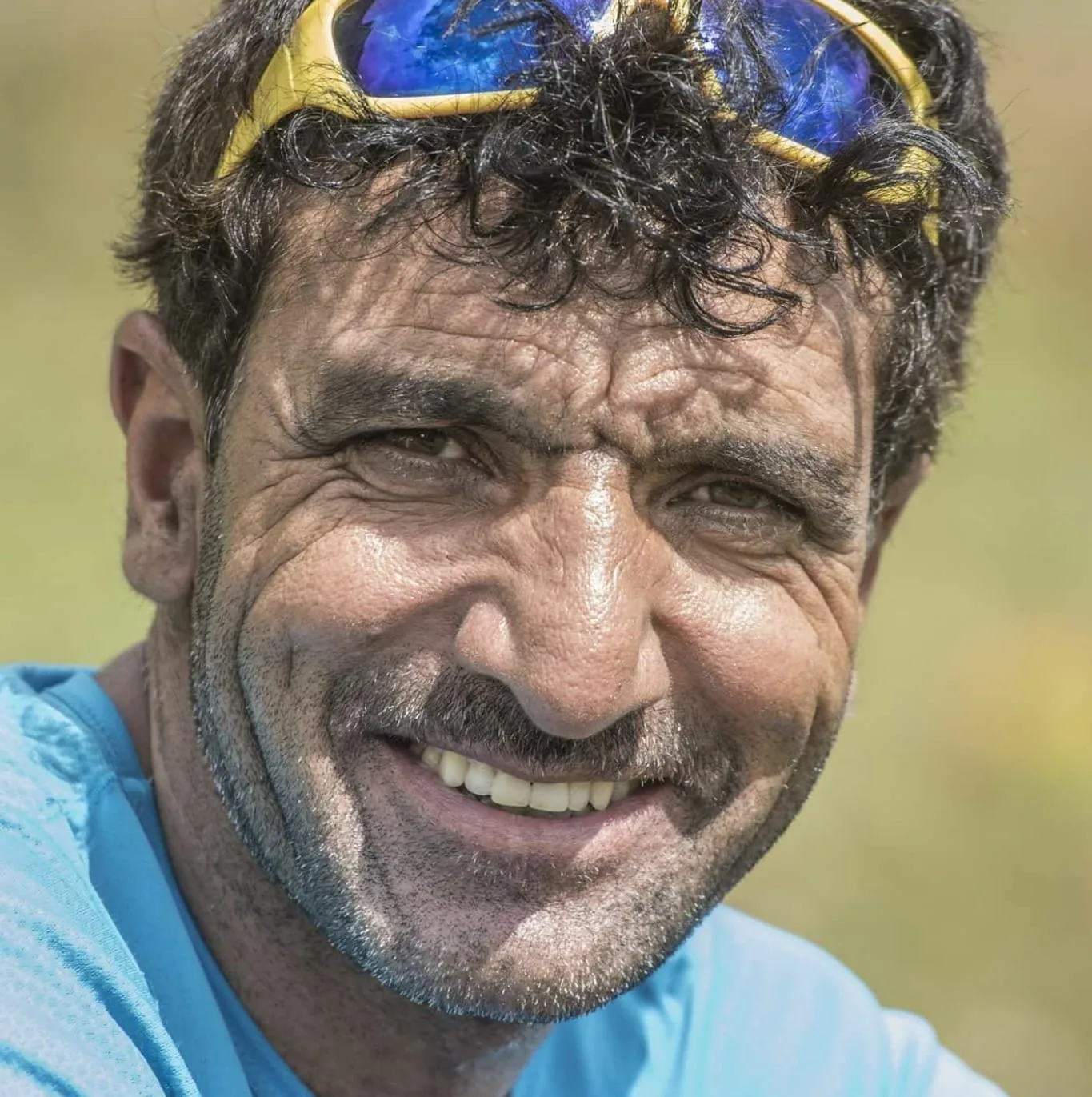
His infectious smile, boundless warmth, and fearless heart made him a beacon of pride for Pakistan and a global symbol of indigenous excellence in the high mountains.
Key Statistics & Topographic Figures
- Category
- Winter Himalayan Pioneers
Archival Subject
- Reading Time
- 13 min read
Narrative Length
- Key Mountain
- nanga-parbat
Objective
- Ascent Route
- kinshofer-route
Topography
- Verification
- Editorially Verified
Archival Standard
Archival Primary Source Quotations
“In the mountains, truth is etched in ice and granite; every step requires unwavering respect for the heights.”
Defined Alpine Terminology & Concepts
- Summit Push
- The final continuous climbing effort from the highest established camp to the mountain apex and back.
- Death Zone Chronicle
- A verified, research-backed historical narrative documenting the human, technical, and environmental realities of an alpine expedition.
Frequently Asked Questions: The Coldest Conquest: Muhammad Ali Sadpara and the Historic 2016 Winter Ascent of Nanga Parbat
What is the core chronicle and subject of "The Coldest Conquest: Muhammad Ali Sadpara and the Historic 2016 Winter Ascent of Nanga Parbat"?
On February 26, 2016, Muhammad Ali Sadpara, Alex Txikon, and Simone Moro made the first winter ascent of Nanga Parbat (8,126m) at -45°C, conquering one of mountaineering's greatest winter frontiers.
Which mountain peaks and routes are featured in "The Coldest Conquest: Muhammad Ali Sadpara and the Historic 2016 Winter Ascent of Nanga Parbat"?
This narrative documents climbs on nanga-parbat along the kinshofer-route in Pakistan.
Which documented expedition is chronicled in this story?
This historical chronicle captures the events of the 2016-nanga-parbat-winter, verified through contemporary journals and archival records.
Who authored and researched this archival chronicle?
Authored and researched by Mountainity Historical Research Desk, drawing on primary eyewitness testimonies, alpine club registries, and verified summit logs.
What makes this high-altitude chronicle historically significant?
Categorized under "Winter Himalayan Pioneers", this chronicle preserves critical lessons in alpine leadership, survival, tactical speed, and human endurance in the death zone.
Related Mountains

Nanga Parbat
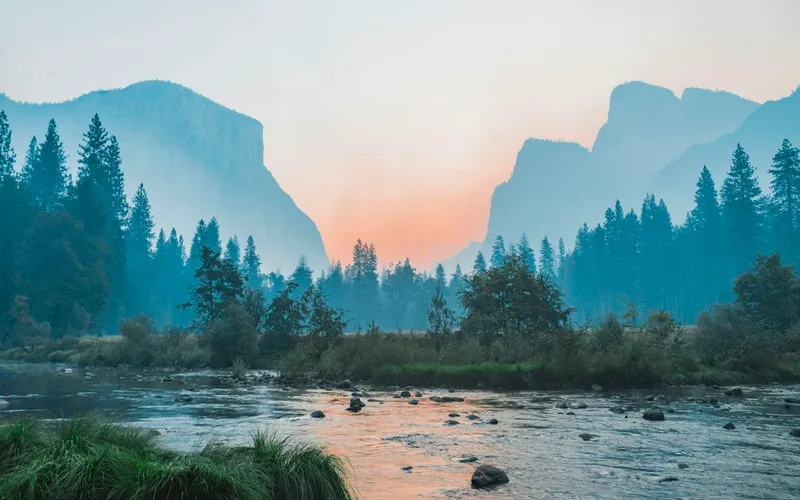
Nanga Parbat, at 8,126 meters (26,660 ft), is the ninth-highest mountain on Earth and the western anchor of the Himalayas in Pakistan. It boasts the Rupal Face, the highest vertical precipice in the world at 4,600 meters from valley floor to summit. Known for profound climbing history, highlighted by Hermann Buhl's legendary solo summit without supplemental oxygen in 1953.
Documented Sources & Archival Citations
- American Alpine Journal: Nanga Parbat First Winter Ascent(American Alpine Club)
Supporting claim: Official verification of February 26, 2016 winter summit by Sadpara, Txikon, and Moro
Accessed/Documented: 2016 - National Geographic: Mountaineers Make First Winter Ascent of Nanga Parbat(National Geographic)
Supporting claim: Detailed journalistic coverage of the summit push, team members, and historic significance
Accessed/Documented: 2016-02-26 - Alpine Club of Pakistan Bulletin: Nanga Parbat Winter Conquest(Alpine Club of Pakistan)
Supporting claim: Official national recognition of Muhammad Ali Sadpara's leading role in the winter ascent
Accessed/Documented: 2016-03-01