Sixteen Days in the Void: Sílvia Vidal's Solitary Odyssey on Cerro Standhardt
In February 2020, Catalan big-wall master Sílvia Vidal spent sixteen days alone on the vertical west face of Cerro Standhardt, completing 'Sincronía Mágica' without radio, phone, or weather forecasts.
Mountain Safety & Conditions Disclaimer: High-altitude climbing, glacial travel, and technical ascents entail severe objective risks including avalanches, serac collapses, rapid weather collapse, and altitude illness. Historical route descriptions and summit claims on Mountanity reflect documented archival sources and must not be used as live operational safety assessments. Local regulations, permits, and physical glacial topography change continuously.
Peer Review: Senior Editorial Board & Historical Reviewers • Editorial Standards
In an era when modern alpinism is increasingly defined by ultra-lightweight speed records, satellite internet updates, real-time drone tracking, and hour-by-hour meteorological forecasts delivered to mobile phones on the mountain, Catalan climber Sílvia Vidal represents a radical, timeless counter-revolution. For three decades, Vidal has undertaken the world’s most daunting big-wall first ascents adhering strictly to an uncompromising code of total self-reliance. When she sets out into the wilderness, she carries no satellite phone, no two-way radio, no GPS receiver, and no mechanism to request weather reports or emergency rescue. If something goes wrong, there is no button to push; the answer must come entirely from within.
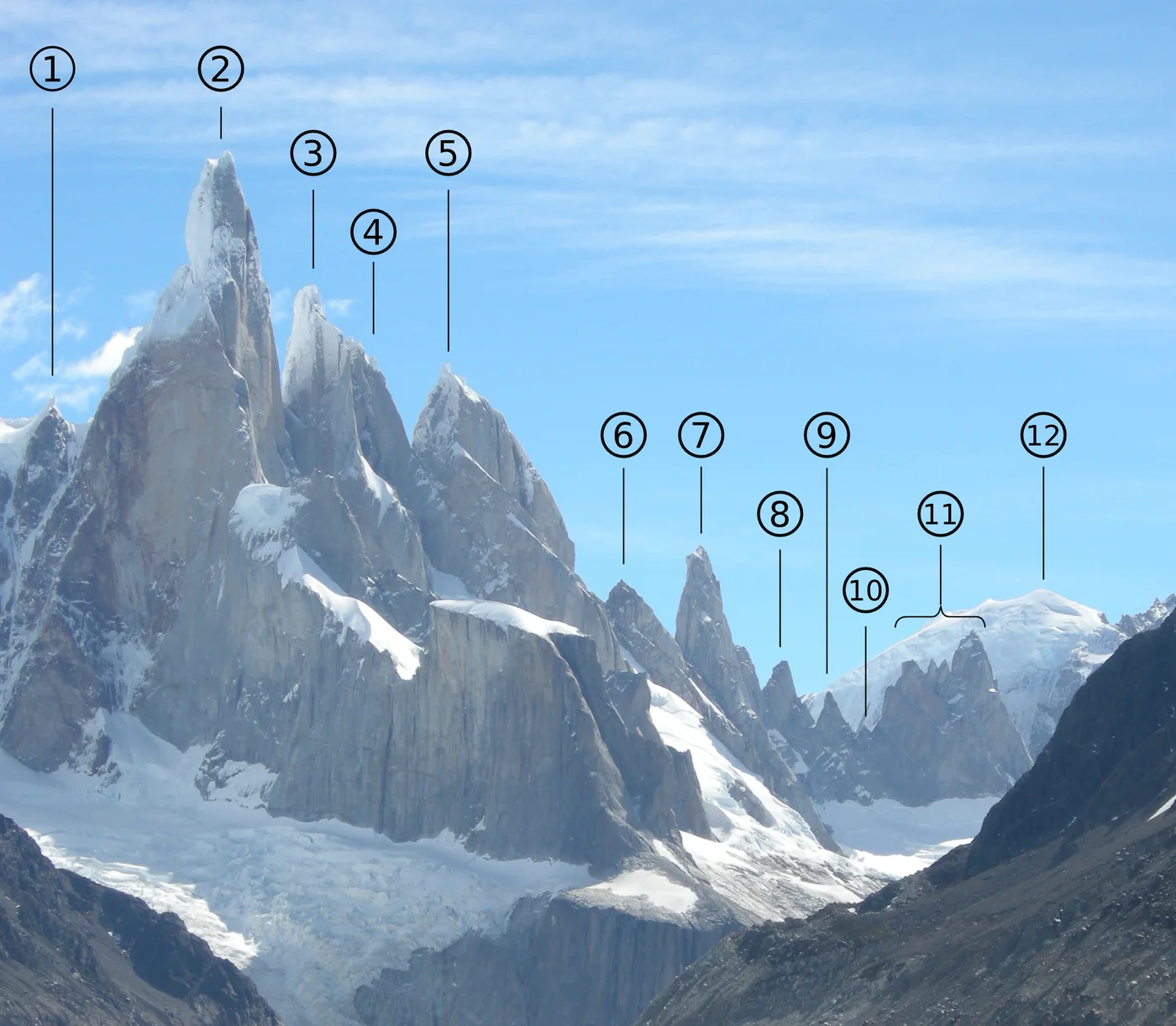
In early 2020, Vidal turned her extraordinary solitary gaze toward the untamed western flanks of the Cerro Torre group in Patagonia. Her objective was the virgin west face of Cerro Standhardt (2,730m), an intimidating fang of vertical granite and mushrooming rime ice situated on the windswept boundary of the Southern Patagonian Icefield.
The Herculean Solo Portage
Before a single piece of climbing protection was placed into rock, Vidal endured a staggering physical ordeal just to reach the base of the wall. Operating completely without porters or partners, she had to ferry 150 kilograms of gear—ropes, heavy hauling sacks, portaledge, water containers, fuel canisters, and food for over a month—across miles of loose moraine, steep scree, and crevassed glaciers.
Over sixteen relentless days, Vidal carried eight loads on her back across the Circo de los Altares, walking each stretch back and forth sixteen times. By the time her supplies were accumulated beneath the vertical face of Cerro Standhardt, she had walked hundreds of kilometers alone across the Patagonian wilderness under pounding rain and howling winds.
Life Suspended on the Vertical Face
On February 7, 2020, Sílvia Vidal stepped off the glacier and onto the granite wall. Pulling up her dynamic lines, she entered “capsule style,” cutting all contact with the ground. For the next sixteen days, her entire universe was reduced to a vertical plane of sheer rock and a small fabric portaledge suspended above thousands of feet of yawning space.
Vidal’s solo technique required titanic physical labor. On each pitch, she had to lead upward on delicate micro-aid, placing copperheads, birdbeaks, and tiny camming units up to grade A3+ where a fall meant ripping multiple anchors. Upon reaching a belay stance, she fixed the rope, rappelled all the way back down to her lower anchor, cleaned out every piece of protection she had just placed, and then jumared back up to the high point before hauling two massive supply sacks up the cliff on pulleys. Every single pitch of the 1,200-meter wall was ascended three times and descended twice.
The Roar of the Storm and the Magic Summit
Living alone on the wall, Vidal was repeatedly trapped inside her portaledge by vicious Patagonian tempests. For days at a time, roaring sub-polar gales hammered the tent fabric, shaking the bolts and burying the wall in sheets of verglas and rime ice. Inside the damp, freezing cocoon, Vidal waited with supreme patience, conserving her food and maintaining mental tranquility amid the deafening fury of the elements.
When the storm finally subsided into clear, freezing calm on February 23, 2020, Vidal launched her final summit bid. Navigating steep mixed ice chimneys and precarious granite flakes, she pulled herself onto the snowy summit ridge of Cerro Standhardt. She had completed thirty-three pitches of new climbing, establishing “Sincronía Mágica” (1,200m, A3+/6a+).
After another four grueling days of solitary rappels and load portaging back to civilization, Vidal emerged into El Chaltén, unnoticed by the crowds until weeks later when her report reached the alpine community. In November 2021, the international jury of the Piolets d’Or awarded Sílvia Vidal a historic Special Mention, honoring her not merely for a route, but for demonstrating the absolute pinnacle of human self-reliance, courage, and respect for the wild mountain spirit.
Key Statistics & Topographic Figures
- Category
- Solitary Big Wall & Modern Exploration
Archival Subject
- Reading Time
- 15 min read
Narrative Length
- Key Mountain
- cerro-torre
Objective
- Ascent Route
- cerro-torre-compressor-route
Topography
- Verification
- Editorially Verified
Archival Standard
Archival Primary Source Quotations
“In the mountains, truth is etched in ice and granite; every step requires unwavering respect for the heights.”
Defined Alpine Terminology & Concepts
- Summit Push
- The final continuous climbing effort from the highest established camp to the mountain apex and back.
- Death Zone Chronicle
- A verified, research-backed historical narrative documenting the human, technical, and environmental realities of an alpine expedition.
Frequently Asked Questions: Sixteen Days in the Void: Sílvia Vidal's Solitary Odyssey on Cerro Standhardt
What is the core chronicle and subject of "Sixteen Days in the Void: Sílvia Vidal's Solitary Odyssey on Cerro Standhardt"?
In February 2020, Catalan big-wall master Sílvia Vidal spent sixteen days alone on the vertical west face of Cerro Standhardt, completing 'Sincronía Mágica' without radio, phone, or weather forecasts.
Which mountain peaks and routes are featured in "Sixteen Days in the Void: Sílvia Vidal's Solitary Odyssey on Cerro Standhardt"?
This narrative documents climbs on cerro-torre along the cerro-torre-compressor-route in Argentina.
Which documented expedition is chronicled in this story?
This historical chronicle captures the events of the 2020-silvia-vidal-sincronia-magica-cerro-standhardt, verified through contemporary journals and archival records.
Who authored and researched this archival chronicle?
Authored and researched by Mountainity Historical Research Desk, drawing on primary eyewitness testimonies, alpine club registries, and verified summit logs.
What makes this high-altitude chronicle historically significant?
Categorized under "Solitary Big Wall & Modern Exploration", this chronicle preserves critical lessons in alpine leadership, survival, tactical speed, and human endurance in the death zone.
Related Mountains


Cerro Torre
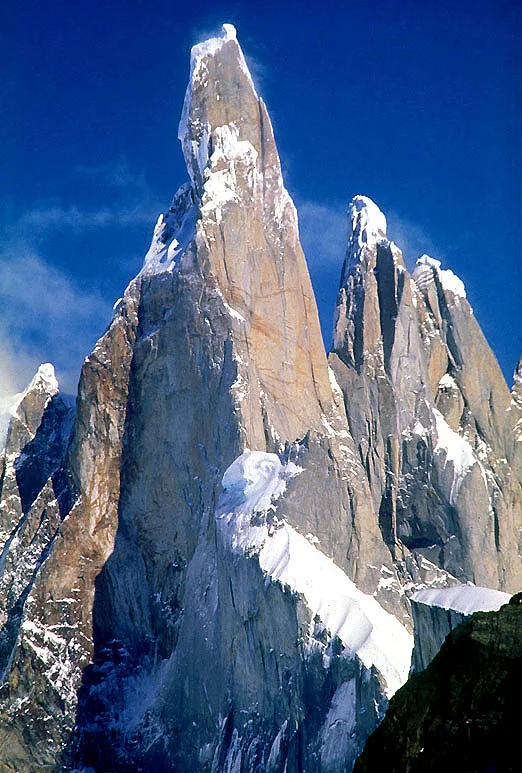
Cerro Torre is a world-famous granite spire rising to 3,128 meters in the Southern Patagonian Icefield on the Argentina-Chile border. Renowned for vertical sheer granite walls topped by monstrous rime-ice mushrooms formed by relentless Pacific winds, it is widely considered one of mountaineering's supreme technical challenges. Following fierce international debate over Cesare Maestri's disputed 1959 climb, Maestri returned in 1970 to drill hundreds of bolts using a gasoline compressor on the Southeast Ridge. In 1979, American pioneers Jim Bridwell and Steve Brewer completed the historic first definitive ascent of the Compressor Route to the summit.
Documented Sources & Archival Citations
- American Alpine Journal: Sincronía Mágica, Aguja Standhardt(Sílvia Vidal / American Alpine Club)
Supporting claim: Vidal's firsthand expedition log documenting the 2020 solitary first ascent on Standhardt
Accessed/Documented: 2021 - Piolets d'Or 2021: Special Mention Citation for Sílvia Vidal(Groupe de Haute Montagne)
Supporting claim: Official citation celebrating Vidal's total self-reliance and ethical purity on big walls
Accessed/Documented: 2021