
Argentina
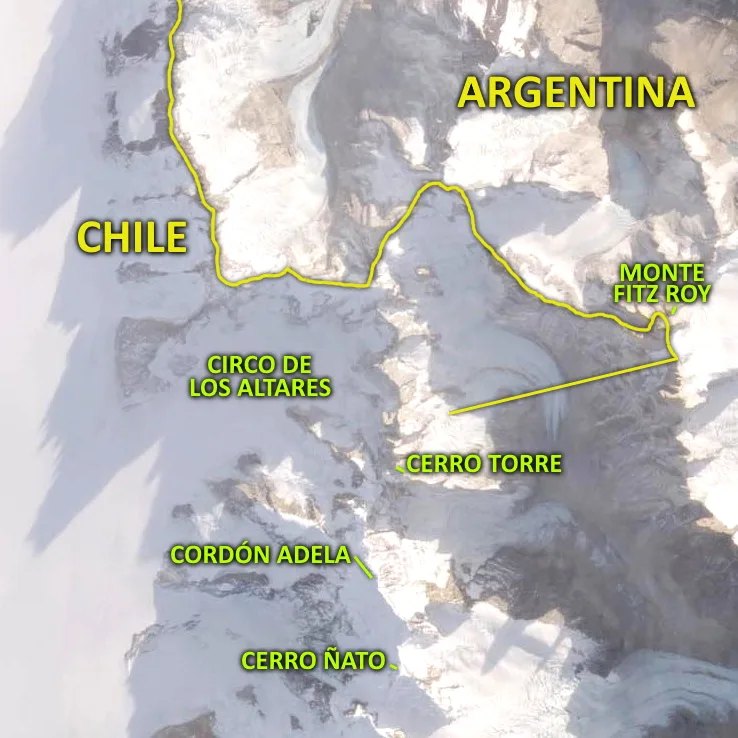
Home to the highest peak in the Western Hemisphere, Aconcagua, and the world-famous granite spires of Argentine Patagonia in Los Glaciares National Park.
Peer Review: Senior Editorial Board & Historical Reviewers • Editorial Standards
Key Statistics & Topographic Figures
- Archive Classification
- COUNTRIES
Mountanity Knowledge Corpus
- Verification Status
- Editorially Verified
Archival Standards
- Citation Standard
- Primary Source Verified
Alpine Research Desk
Mountain Peaks in Argentina
Technical profiles, elevations, and ascent histories for summits located in or spanning Argentina.
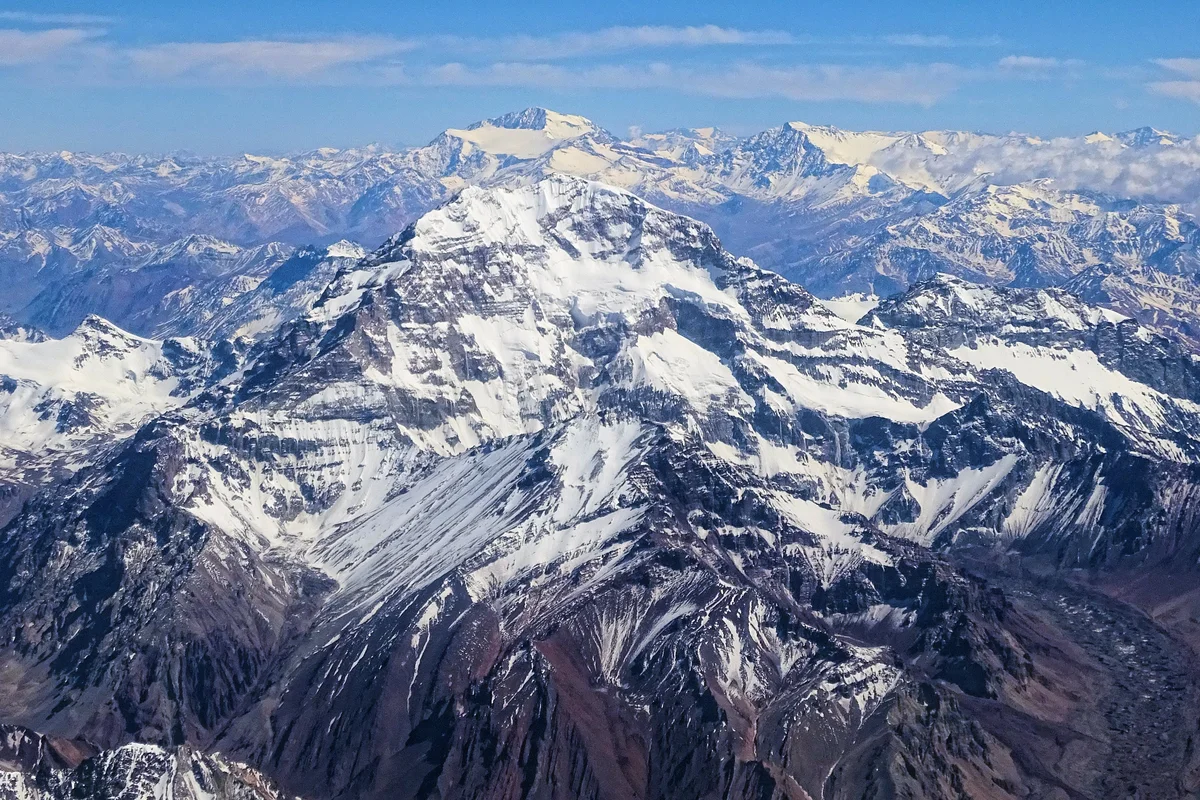
Aconcagua
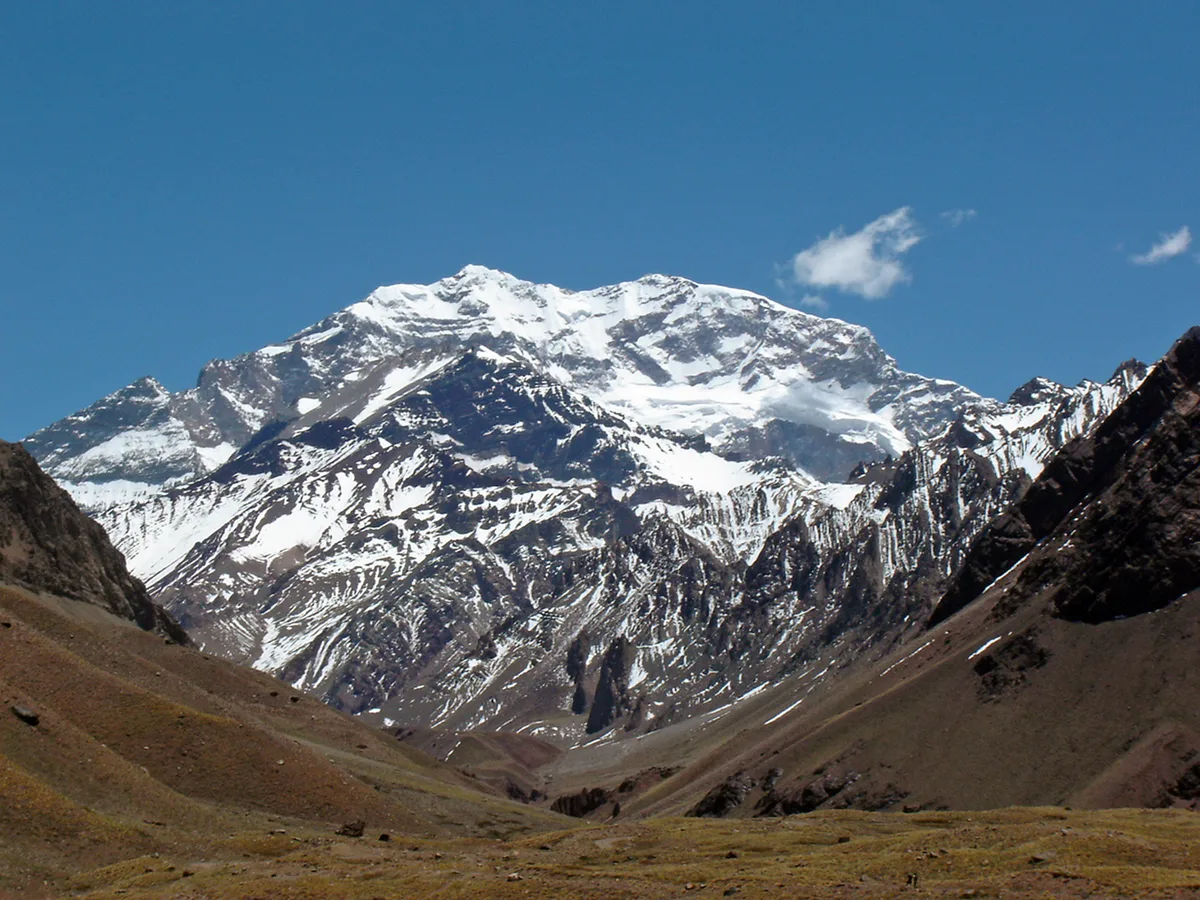
Aconcagua is the highest mountain in the Americas and the highest peak outside Asia, rising to 6,961 metres in Argentina's Andes. Celebrated as the second most topographically prominent mountain on Earth, it features colossal glaciated faces, intense high-altitude gales, and historic routes including the Polish Glacier.
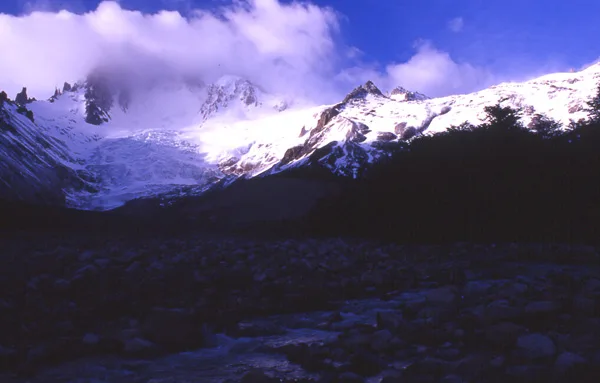

Cerro San Lorenzo
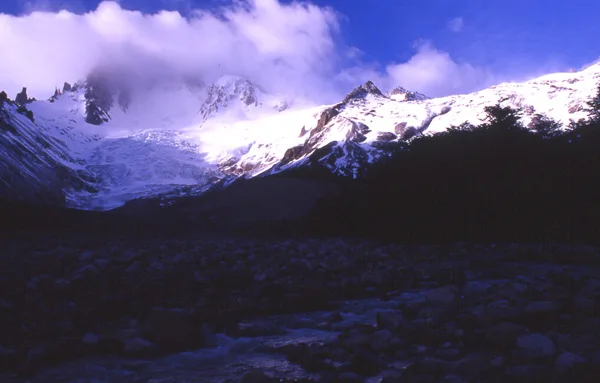
Cerro San Lorenzo, also known as Monte San Lorenzo or Mount Cochrane at 3,706 metres (12,159 ft), is the second highest peak in Patagonia, straddling the border between Chile and Argentina. Towering above the Patagonian steppes with a massive topographic prominence of 3,319 metres, it is an isolated giant surrounded by four heavily crevassed glaciers. In December 1943, sixty-year-old Salesian missionary and explorer Father Alberto María De Agostini led the historic first ascent with mountain guides Alejandro Hemmi and Heriberto Schmoll, overcoming brutal gales and treacherous sérac falls.
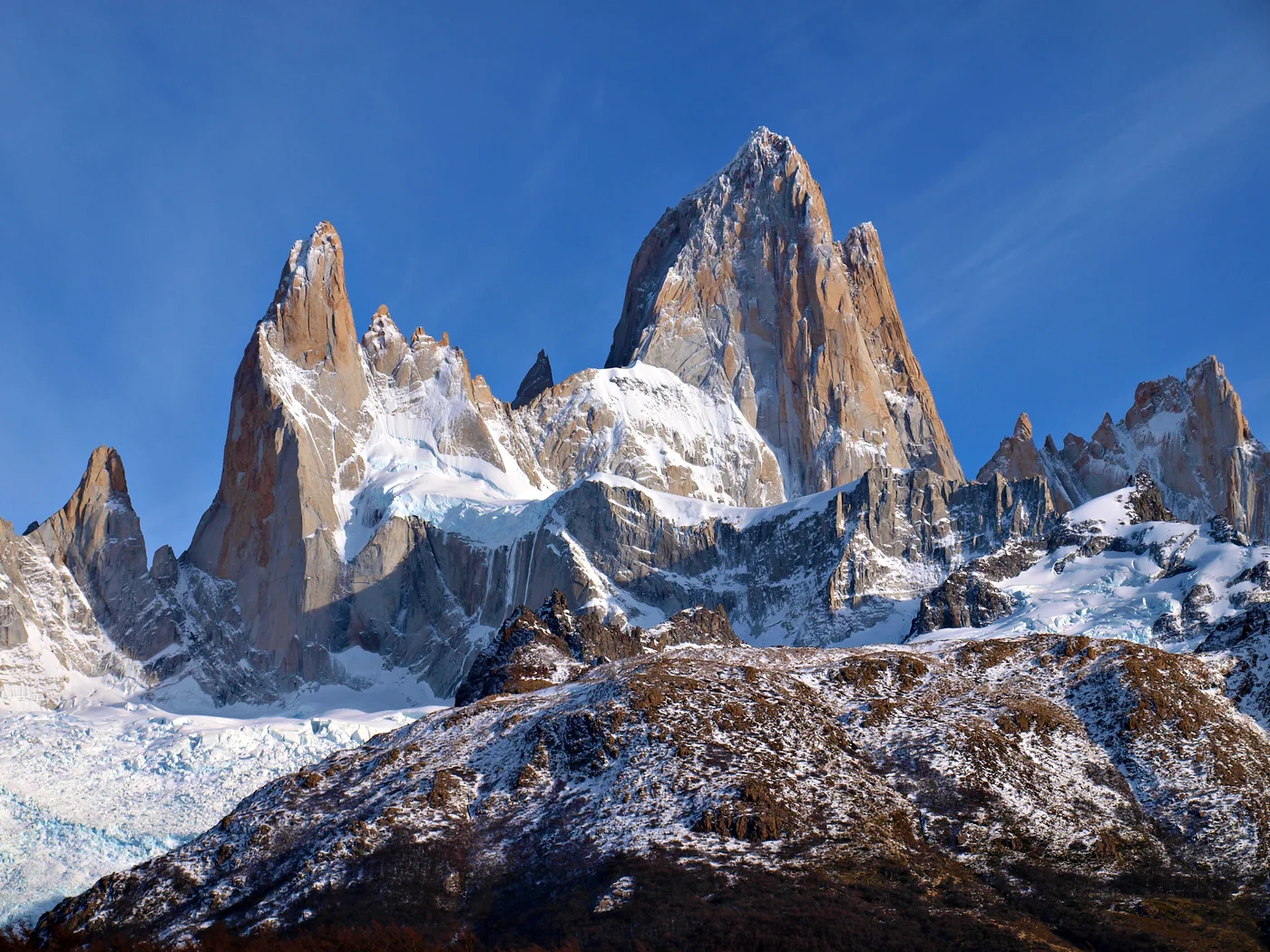
Cerro Fitz Roy
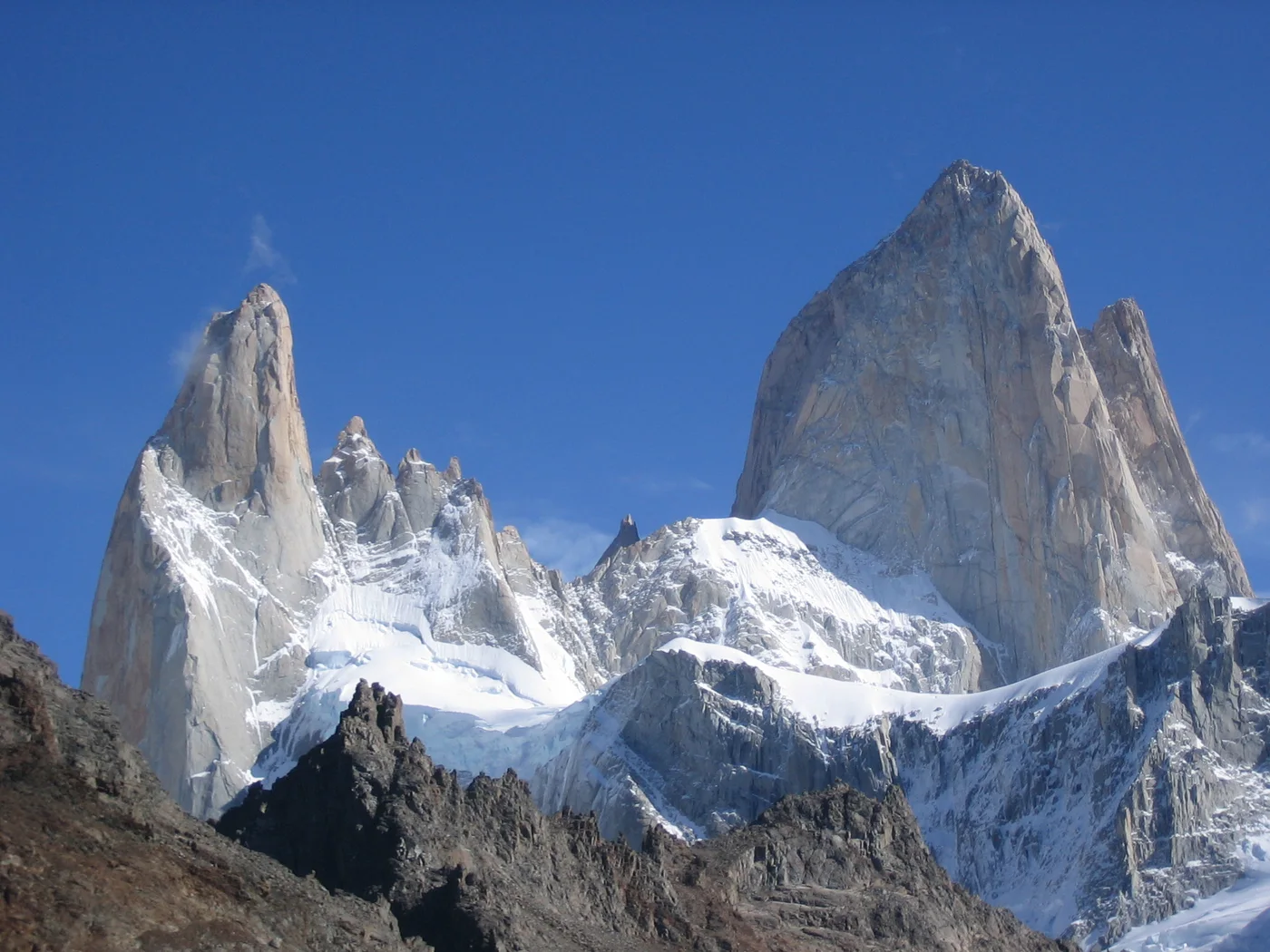
Cerro Fitz Roy, also known as Monte Fitz Roy or Cerro Chaltén at 3,405 meters (11,171 ft), is a world-renowned granite monolith situated in the Southern Patagonian Icefield near El Chaltén, Argentina. Revered for its vertical granite walls and notorious hurricane-force Patagonian storms, it is considered one of the most technically demanding alpine summits on Earth. French climbers Lionel Terray and Guido Magnone completed the legendary first ascent on February 2, 1952, establishing the historic Franco-Argentine Route.
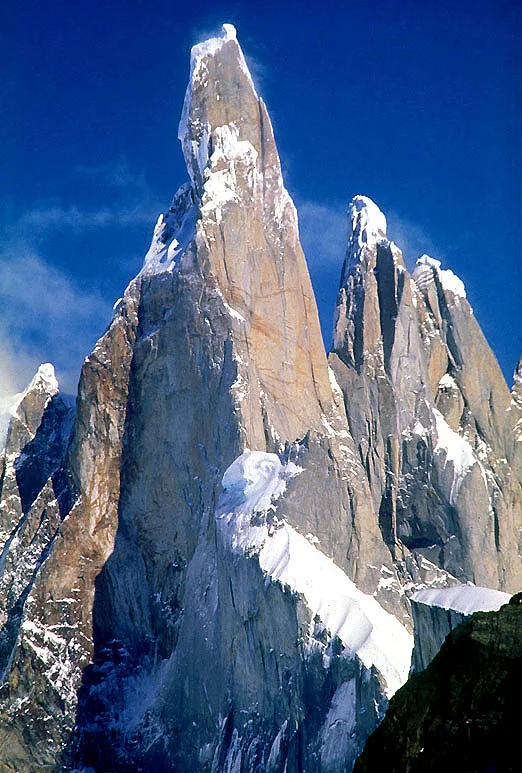
Cerro Torre
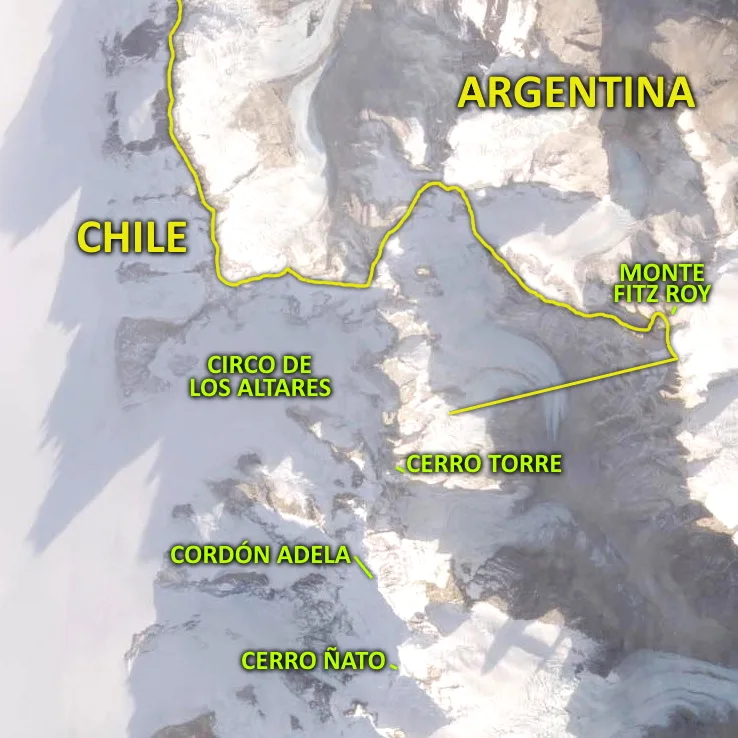
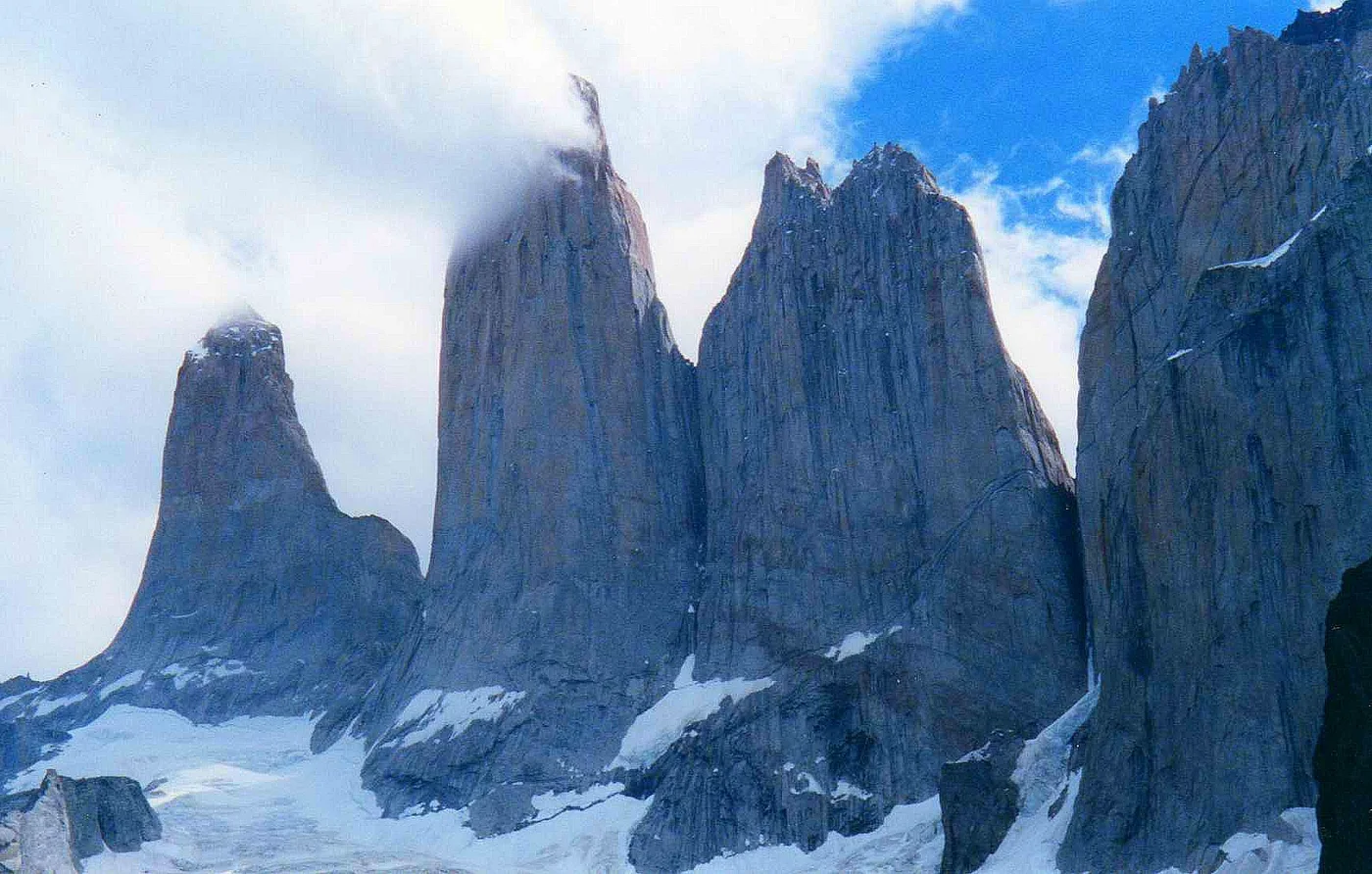
Cerro Torre is a world-famous granite spire rising to 3,128 meters in the Southern Patagonian Icefield on the Argentina-Chile border. Renowned for vertical sheer granite walls topped by monstrous rime-ice mushrooms formed by relentless Pacific winds, it is widely considered one of mountaineering's supreme technical challenges. Following fierce international debate over Cesare Maestri's disputed 1959 climb, Maestri returned in 1970 to drill hundreds of bolts using a gasoline compressor on the Southeast Ridge. In 1979, American pioneers Jim Bridwell and Steve Brewer completed the historic first definitive ascent of the Compressor Route to the summit.
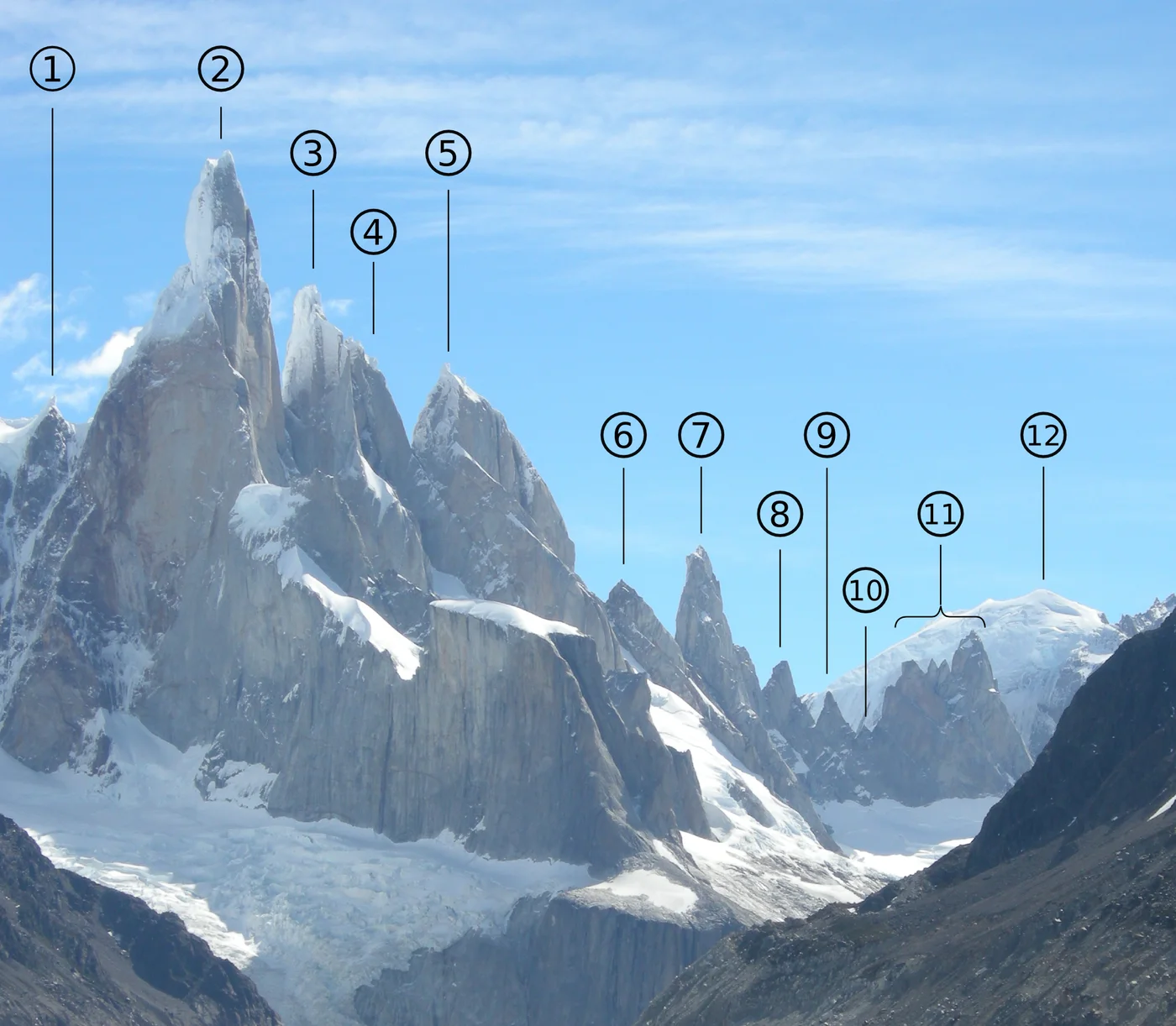
Torre Egger
Torre Egger is an extraordinarily steep granite needle rising to 2,685 meters in the Cerro Torre group of Patagonia, situated between Cerro Torre and Aguja Standhardt. Named in memory of Austrian climber Toni Egger who perished on Cerro Torre in 1959, the spire is widely considered by elite alpinists to be technically harder than Cerro Torre itself due to unbroken vertical granite walls, hanging ice daggers, and brutal weather. It was first climbed in December 1976 by Americans Jim Donini, John Bragg, and Michael de la Yane, and achieved international fame when Canadian solo sensation Marc-André Leclerc completed the historic first solo winter ascent in September 2016.
Mountain Ranges Spanning Argentina
Geographic mountain massifs, regional topography, and glaciated chains within Argentina.
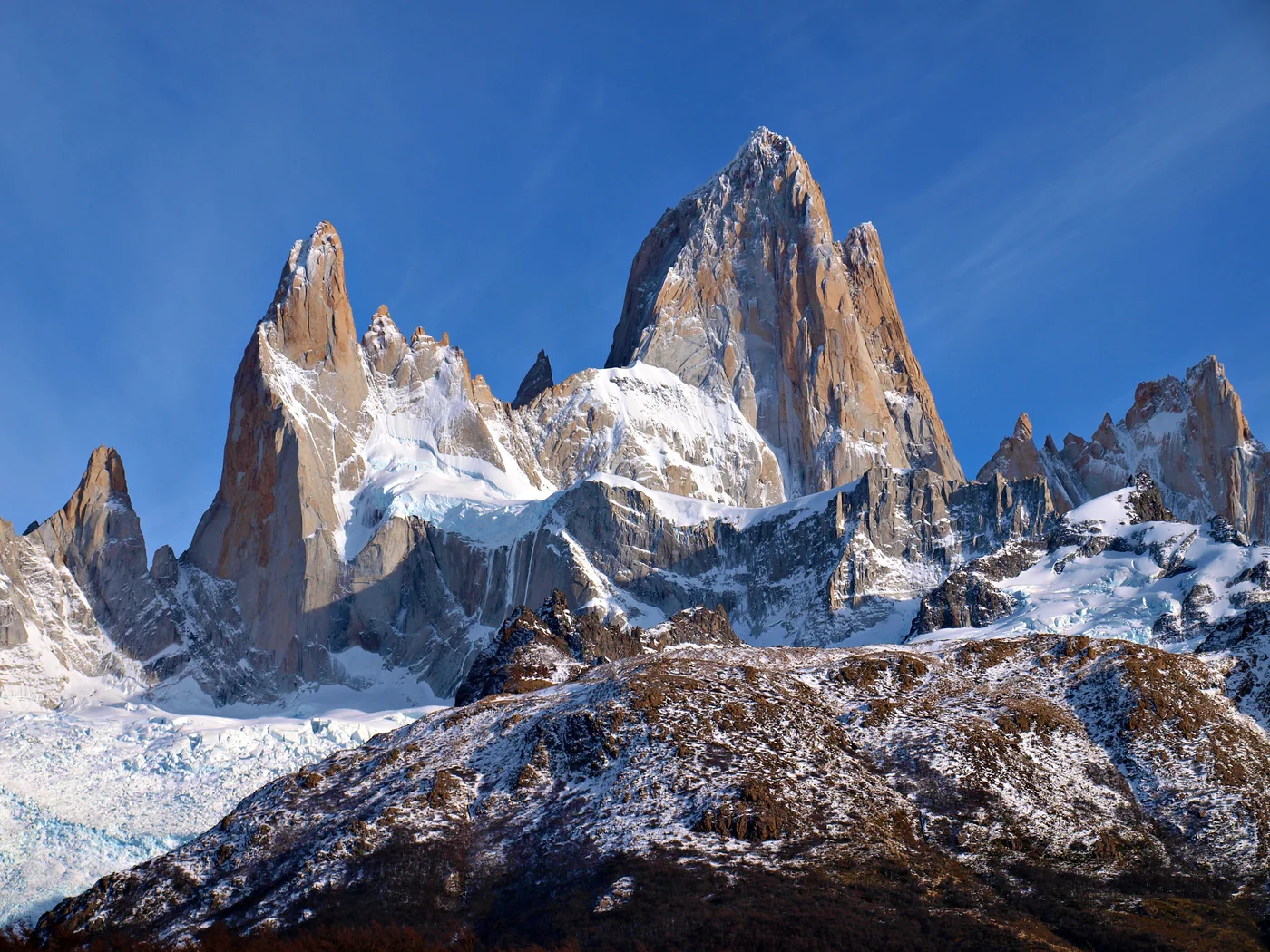
Andes
The Andes form the longest continental mountain range on Earth, stretching over 7,000 kilometres along the western margin of South America. Renowned for soaring glaciated volcanoes, high Altiplano plateaus, and the sheer wind-blasted granite spires of Patagonia, the range contains legendary alpine challenges including Aconcagua and Cerro Fitz Roy.
Documented Climbing Routes
Classic lines of ascent, technical difficulties, and objective hazards across Argentina's summits.
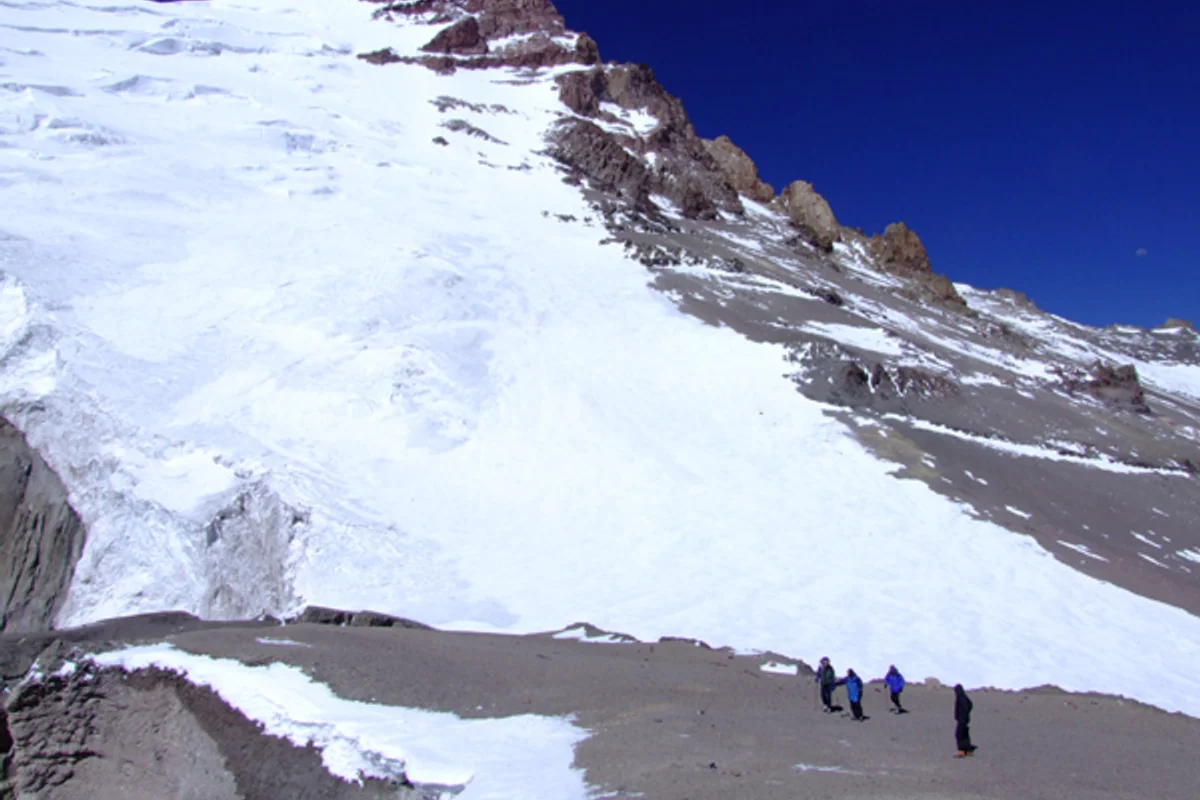
Polish Glacier (Aconcagua)
The Polish Glacier is the premier technical mountaineering route on Mount Aconcagua, ascending the steep eastern glaciated face over 1,000 vertical metres. Graded French D with sustained 50° to 65° slopes of hard alpine ice, it provides a dramatic, highly aesthetic alternative to the standard trekking route.
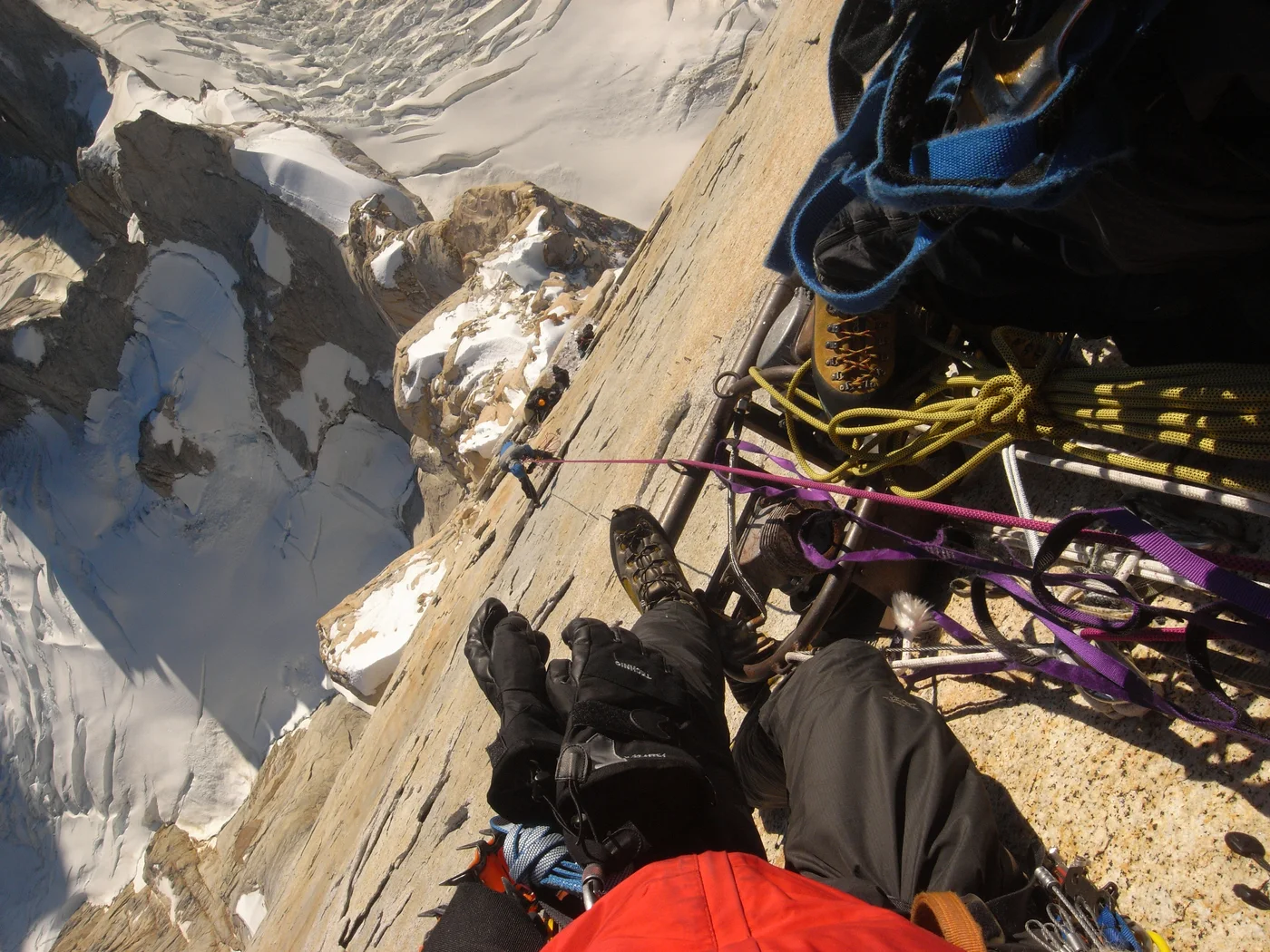
Compressor Route (Southeast Ridge)
The Compressor Route along the Southeast Ridge of Cerro Torre is one of mountaineering history's most renowned and debated lines. Initiated in 1970 by Italian climber Cesare Maestri using an Atlas Copco gas-powered air compressor to install roughly 400 expansion bolts up blank headwalls, the route was completed to the true summit in January 1979 by American climbers Jim Bridwell and Steve Brewer in an audacious alpine-style push.
Southeast Ridge Free Line (Lama Route)
The Southeast Ridge Free Line on Cerro Torre is one of the crowning triumphs of modern free climbing. First envisioned and freed in January 2012 by Austrian prodigy David Lama, alongside Peter Ortner, the route free-climbs the sheer, exposed granite of the Southeast Ridge without using Cesare Maestri's artificial bolt ladders, establishing a pure line rated 5.13b (8a) up to the summit rime mushroom.
Cerro Torre West Face (Via dei Ragni)
The Via dei Ragni (Ragni Route) on the West Face of Cerro Torre is widely regarded as one of the world's most aesthetic, difficult, and prestigious mixed alpine ice climbs. Pioneered in January 1974 by Casimiro Ferrari, Daniele Chiappa, Mario Conti, and Pino Negri of the Ragni di Lecco, the route ascends 600 metres of vertical granite, sheer mixed gullies, and towering vertical rime-ice mushrooms (graded AI5+ M4). It represents the first undisputed, definitive route to the summit of Cerro Torre.
Franco-Argentine Route
The Franco-Argentine Route on Cerro Fitz Roy is the historic first ascent line on Patagonia's most iconic granite monolith. Pioneered in February 1952 by French climbers Lionel Terray and Guido Magnone, the route ascends the Brecha de los Italianos, traverses the south shoulder, and tackles sustained vertical granite cracks up to French 6c (5.11a) and A2 aid amid ferocious Patagonian winds.
Fitz Roy Supercanaleta
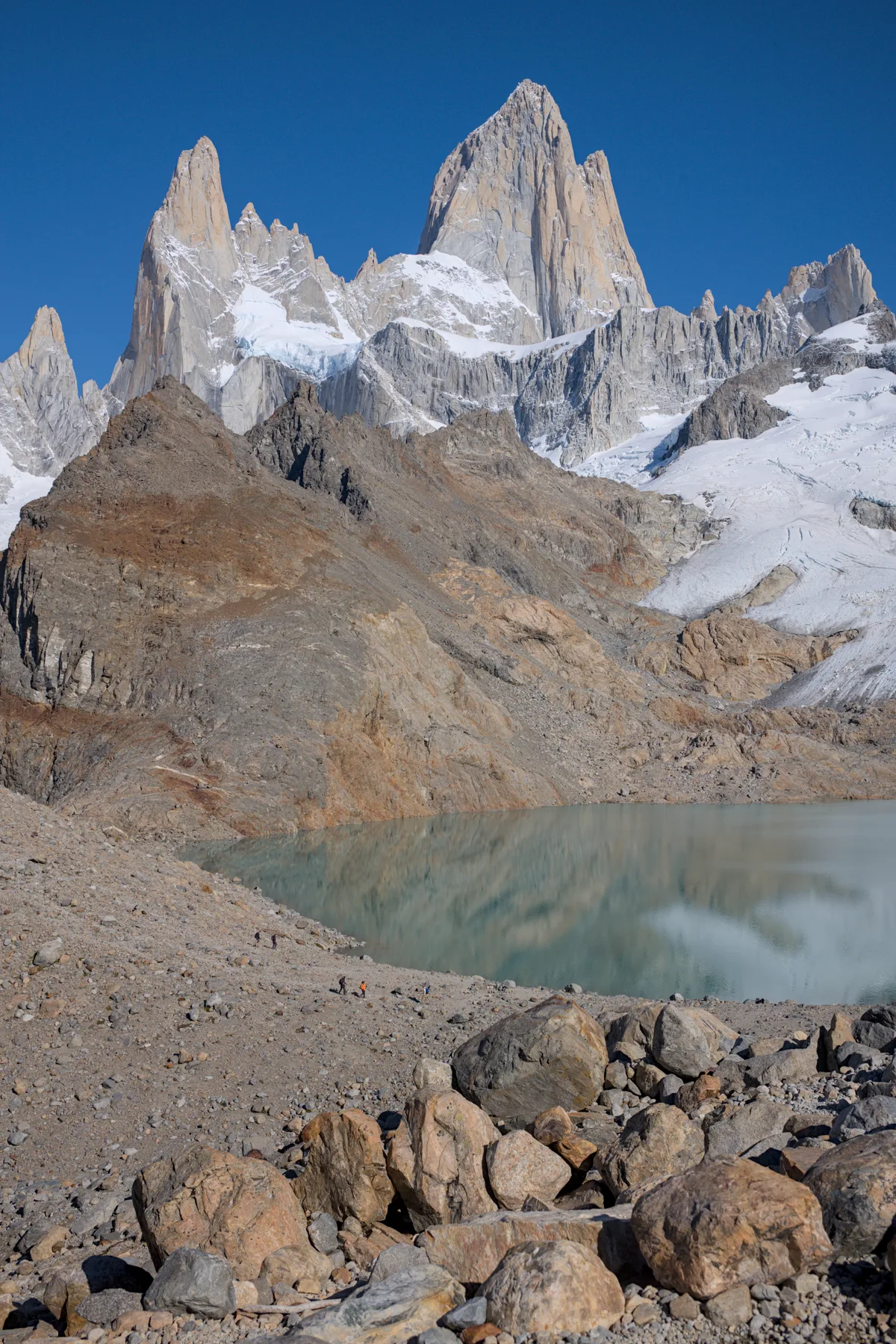
The Supercanaleta on the Southwest Face of Cerro Fitz Roy (3,405 m) is one of the most legendary, direct, and imposing alpine ice lines in the world. Ascending an unbroken 1,600-metre vertical couloir of ice, snow, and mixed granite chimneys, it was first conquered in January 1965 in pure alpine style by Argentine mountaineering prodigies José Luis Fonrouge and Carlos Comesaña over two and a half days.
Titanic (East Pillar)
Titanic on the East Pillar of Torre Egger is one of Patagonia's most celebrated and demanding big-wall granite routes. Established in 1987 by Italian masters Maurizio Giarolli and Elio Orlandi, the route ascends 950 meters of vertical to overhanging crystalline granite directly up the proud eastern prow, tackling sustained 5.10 and 5.11 free climbing, technical A2 aid, and icy rime chimneys guarding the summit.
Historic Expeditions & First Ascents
Epoch-making sieges and triumphant summits recorded within Argentina's alpine history.
1897 First Ascent of Mount Aconcagua by Matthias Zurbriggen
On January 14, 1897, Swiss mountain guide Matthias Zurbriggen achieved the historic first ascent of Mount Aconcagua, battling severe mountain sickness, ferocious Andean gales, and loose scree to summit the 6,961-metre Colossus of America alone.
1934 First Ascent of the Polish Glacier on Aconcagua
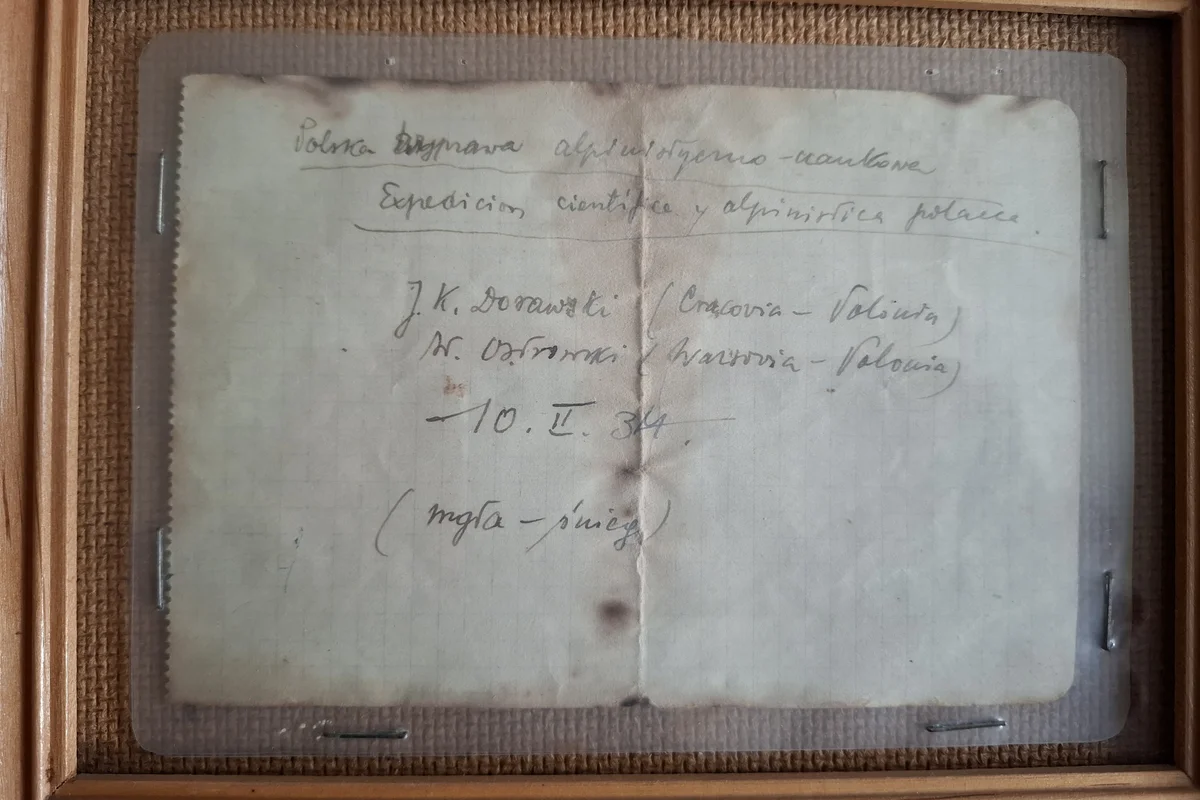
On March 8, 1934, a four-man Polish expedition achieved the historic first ascent of the steep eastern glaciated face of Aconcagua, pioneering the renowned Polish Glacier route and marking Poland's emergence as an elite international mountaineering power.
1943 Father De Agostini First Ascent of Cerro San Lorenzo
On December 17, 1943, sixty-year-old Salesian missionary Father Alberto María De Agostini led guides Alejandro Hemmi and Heriberto Schmoll to make the first ascent of Cerro San Lorenzo, overcoming ferocious Patagonian gales and giant crevasses.
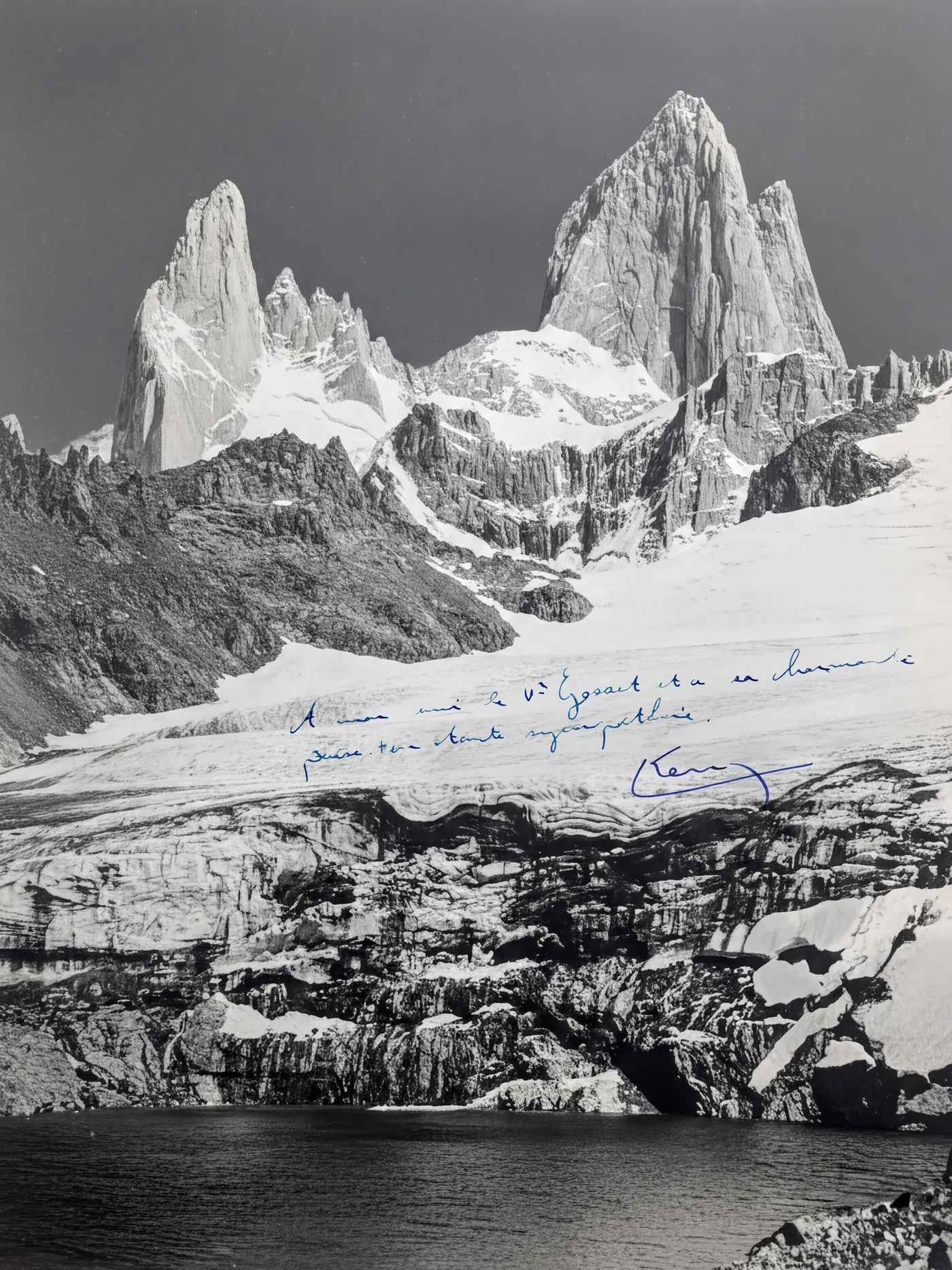
1952 French Patagonia Cerro Fitz Roy First Ascent Expedition
On February 2, 1952, French mountaineers Lionel Terray and Guido Magnone achieved the historic first ascent of Cerro Fitz Roy (3,405m) in Patagonia, overcoming ferocious storms, vertical granite cracks, and technical aid to conquer one of Earth's most formidable spires.
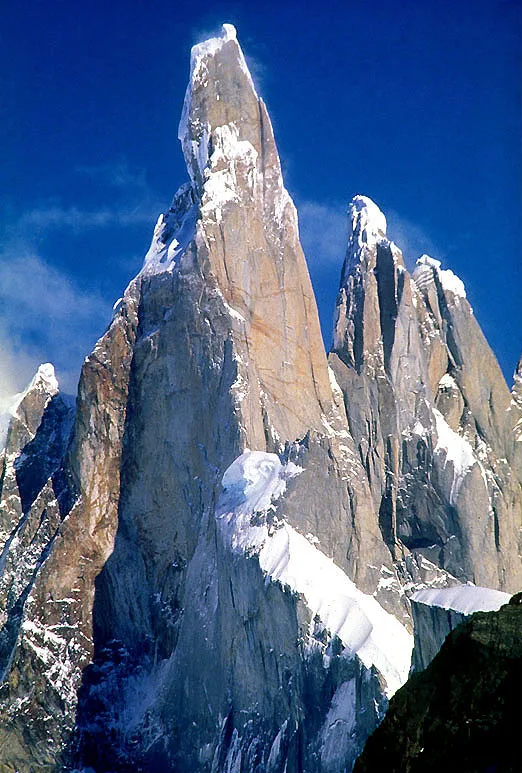
1959 Cesare Maestri and Toni Egger Cerro Torre Expedition
In January–February 1959, Italian climber Cesare Maestri and Austrian prodigy Toni Egger mounted a daring alpine-style bid on the unclimbed granite spire of Cerro Torre. The expedition ended in profound tragedy when an avalanche swept Egger away during their descent.
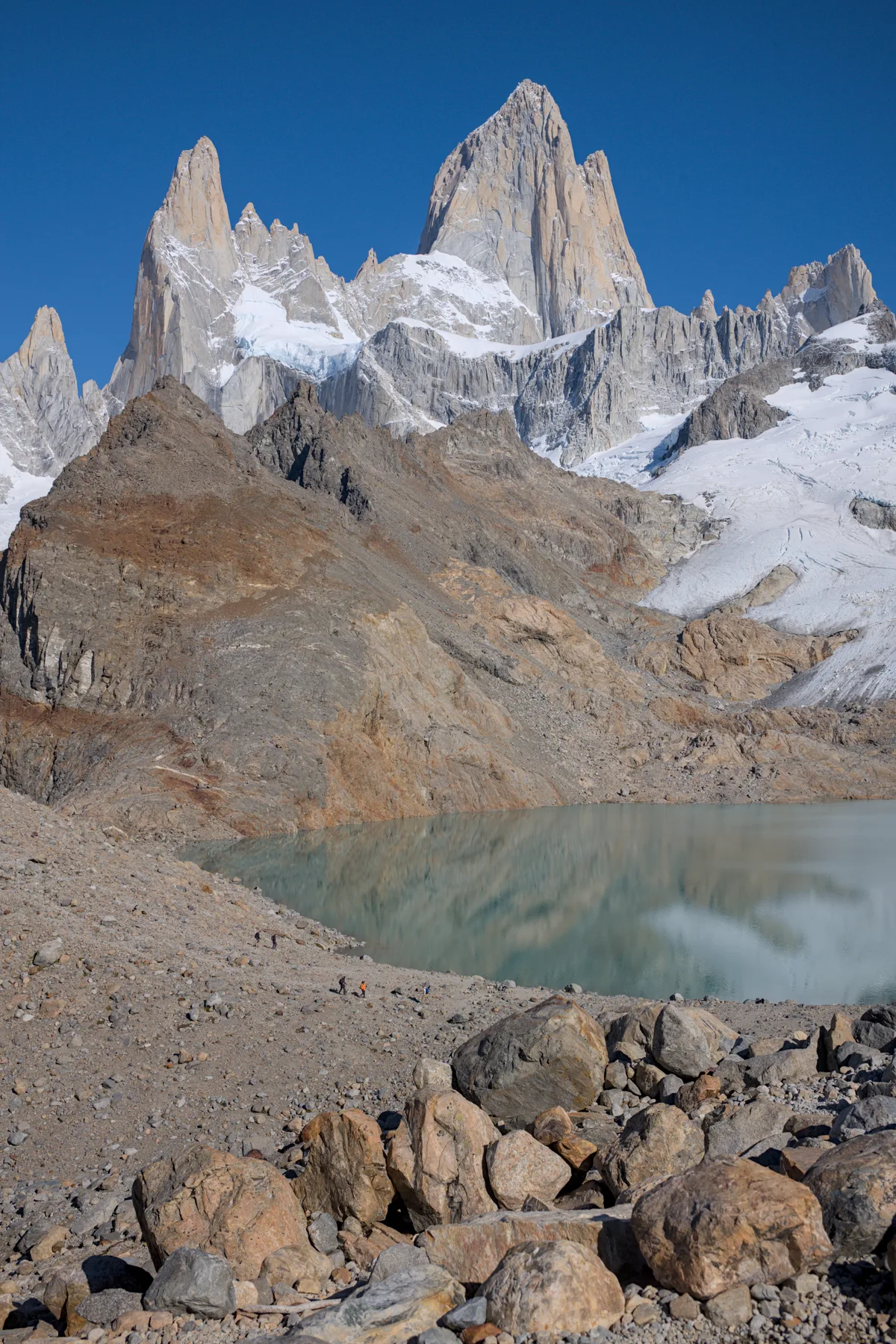
1965 Fonrouge and Comesaña Fitz Roy Supercanaleta First Ascent
On January 16, 1965, young Argentine mountaineers José Luis Fonrouge and Carlos Comesaña achieved the second ascent of Cerro Fitz Roy via the formidable 1,600-metre Supercanaleta, climbing in pure, unsupported alpine style.
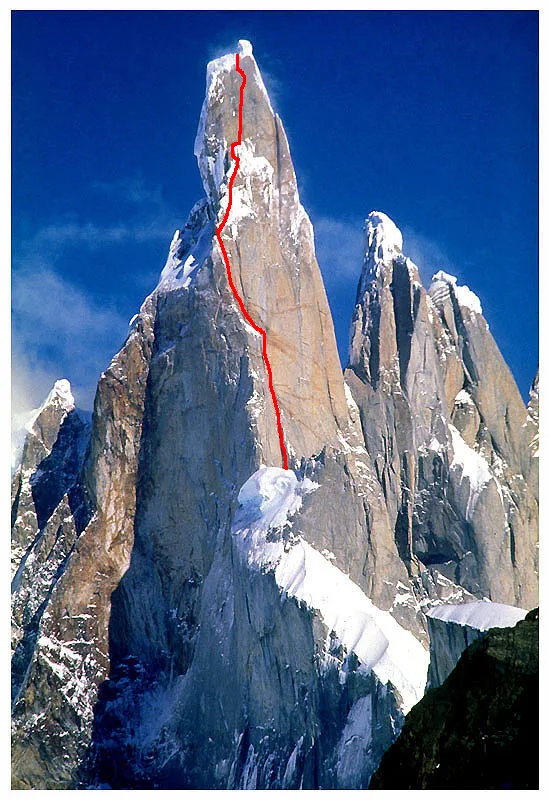
1970 Cesare Maestri Cerro Torre Compressor Route Expedition
Between June and December 1970, Italian climber Cesare Maestri led a controversial siege expedition on Cerro Torre, hauling a 135-kilogram Atlas Copco gas compressor up the Southeast Ridge and drilling approximately 400 expansion bolts to forge the legendary Compressor Route.
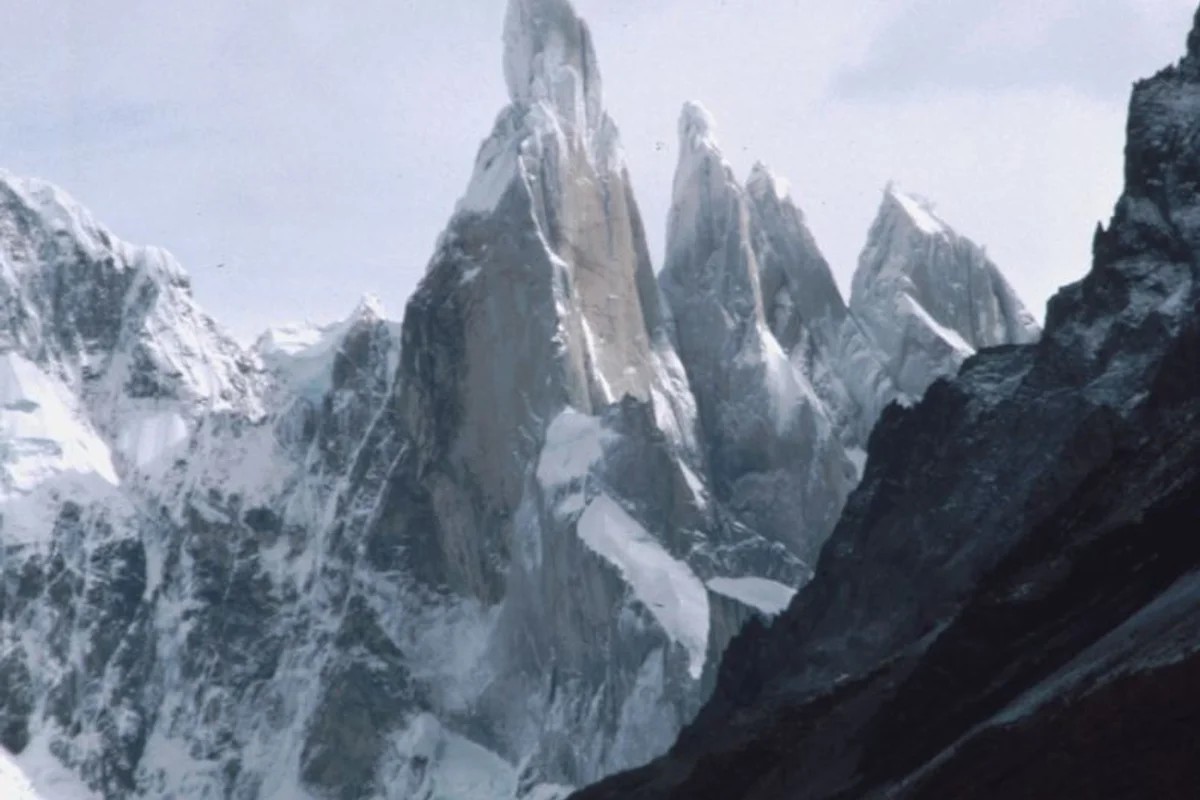
1974 First Undisputed Ascent of Cerro Torre via the West Face
On January 13, 1974, Casimiro Ferrari led an Italian expedition from the Ragni di Lecco to complete the first undisputed summit ascent of Cerro Torre, climbing the sheer West Face and tunneling through terrifying rime ice mushrooms.
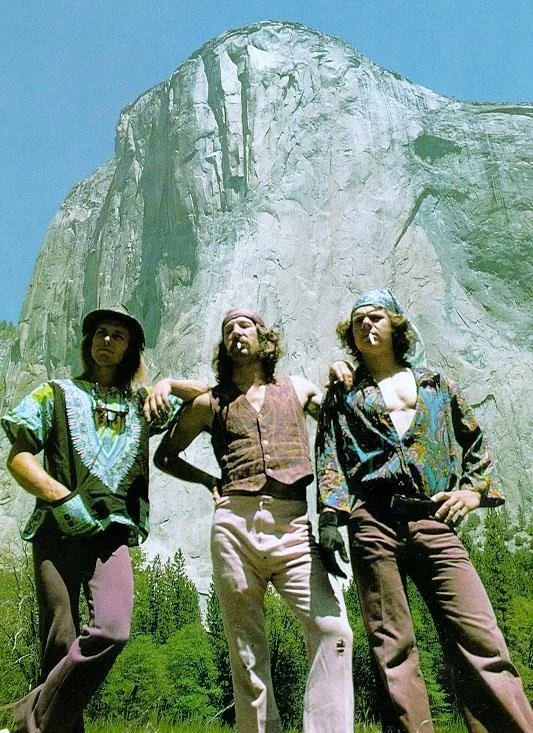
1979 Bridwell & Brewer Cerro Torre Compressor Route First Complete Ascent
On January 4, 1979, American climbers Jim Bridwell and Steve Brewer completed the historic first definitive ascent of the Compressor Route on Cerro Torre, climbing past Cesare Maestri's high bolt anchor to conquer the towering rime-ice summit mushroom in pure alpine style.
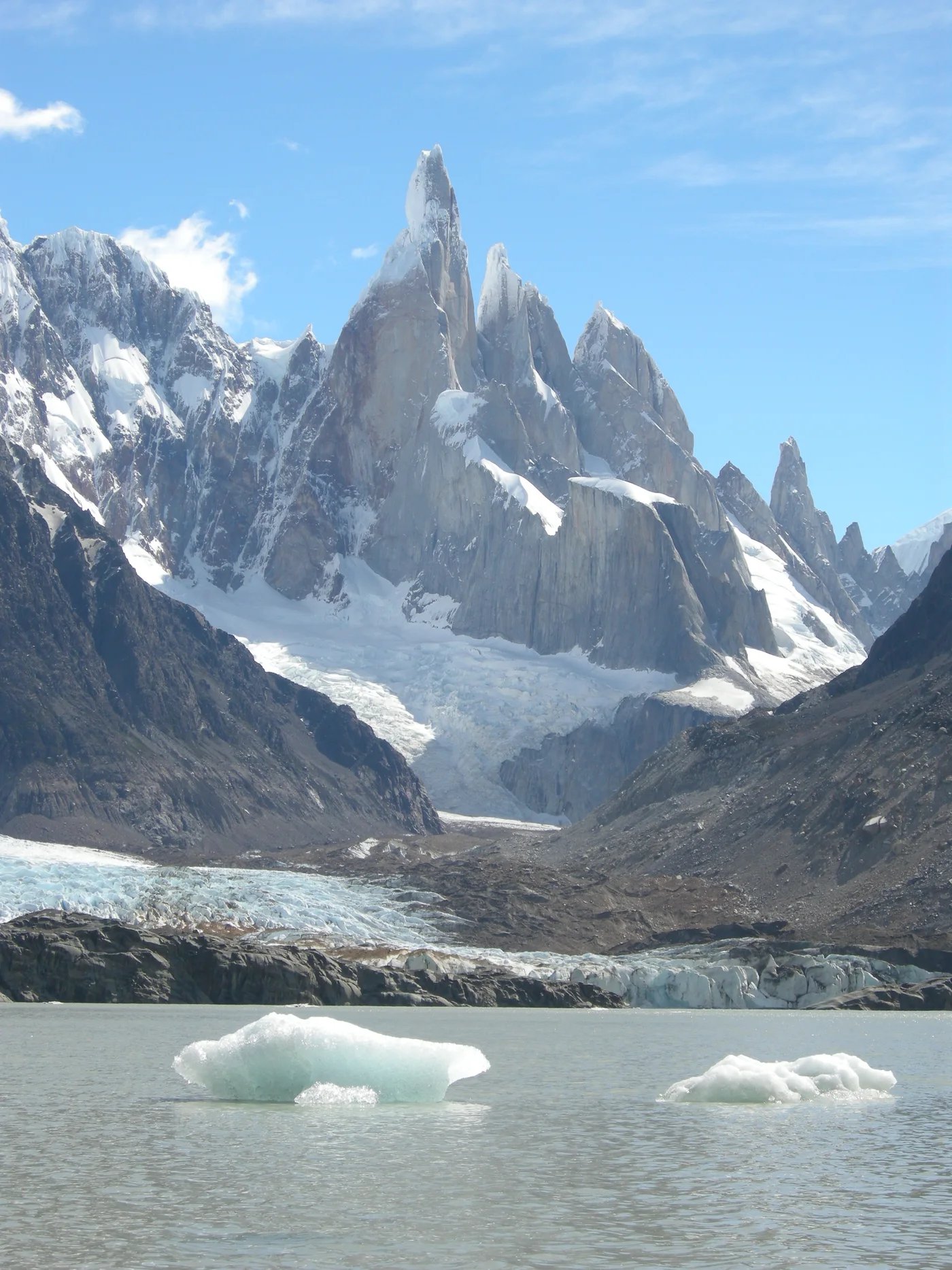
1985 Salvaterra & Gini Cerro Torre Historic First Winter Ascent
On July 8, 1985, Italian climbers Ermanno Salvaterra, Andrea Gini, and Paolo Caruso achieved the historic first winter ascent of Cerro Torre (3,128m), overcoming sub-zero Patagonian blizzards and fifteen days on the mountain in temperatures plunging below minus thirty degrees Celsius.
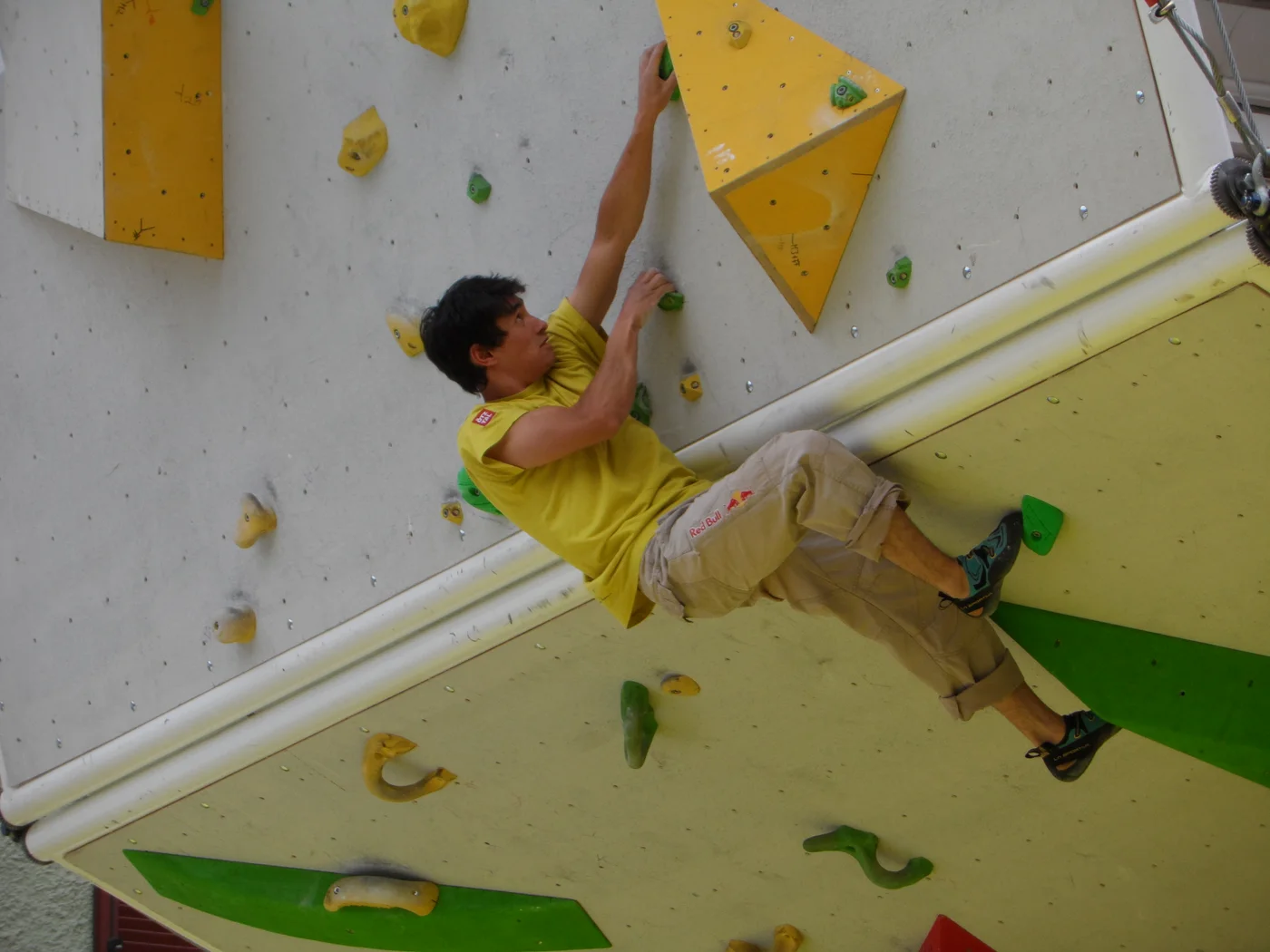
2012 David Lama Cerro Torre First Free Ascent Expedition
On January 21, 2012, Austrian climbing prodigy David Lama, alongside Peter Ortner, achieved the historic first free ascent of the Southeast Ridge of Cerro Torre, climbing the sheer granite headwall without clipping a single artificial bolt from Cesare Maestri's compressor line.

2016 Colin Haley & Alex Honnold Single-Day Torre Traverse Expedition
On January 31, 2016, American climbers Colin Haley and Alex Honnold achieved an extraordinary speed milestone by completing the complete Torre Traverse—linking Aguja Standhardt, Punta Herron, Torre Egger, and Cerro Torre—in just twenty hours and forty minutes.
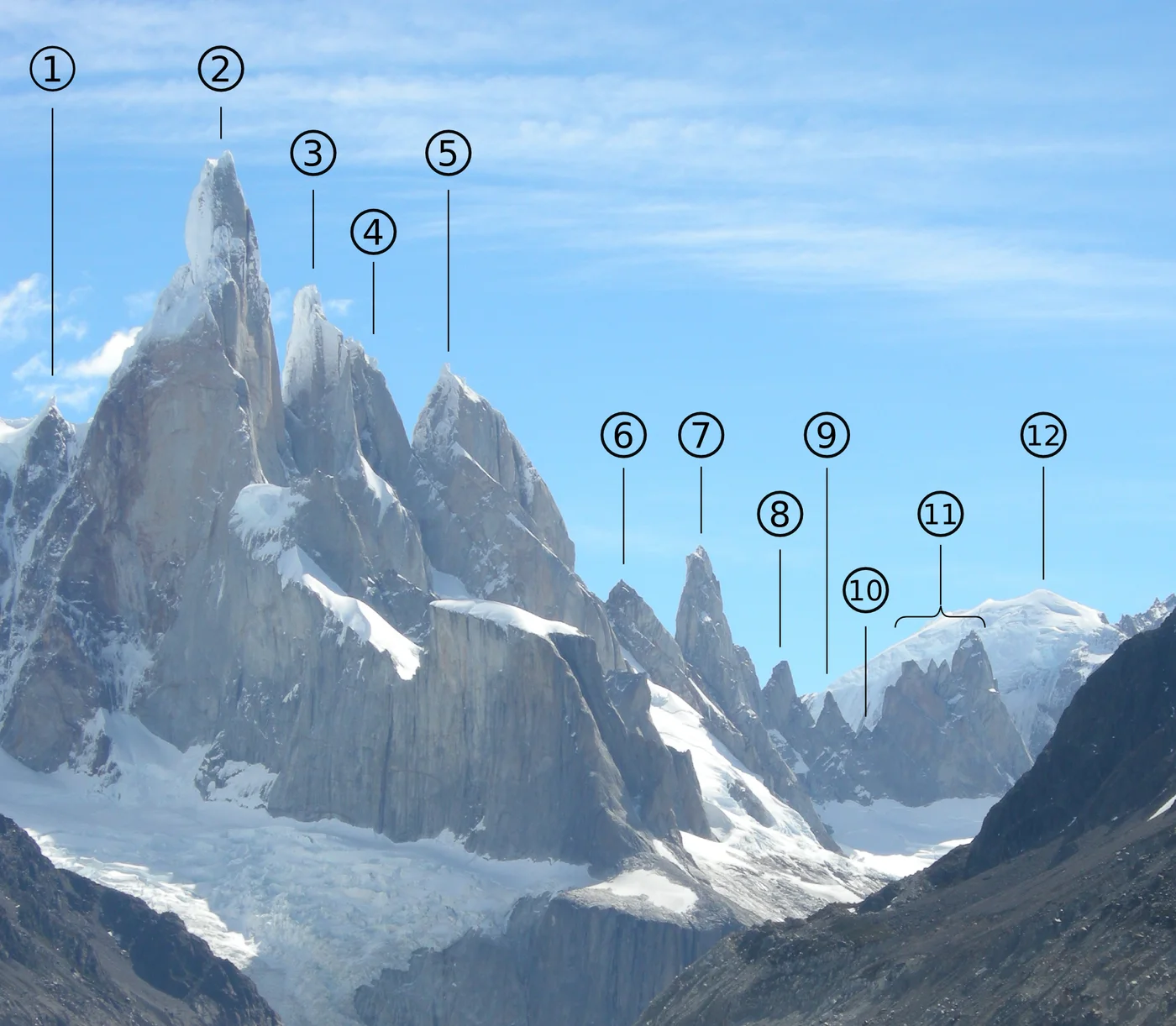
2016 Marc-André Leclerc Torre Egger Historic Solo Winter Ascent
On September 17, 2016, Canadian solo sensation Marc-André Leclerc accomplished one of the most audacious feats in alpine history by completing the first solo winter ascent of Torre Egger in Patagonia, climbing ice, verglas, and vertical granite in a single continuous push.
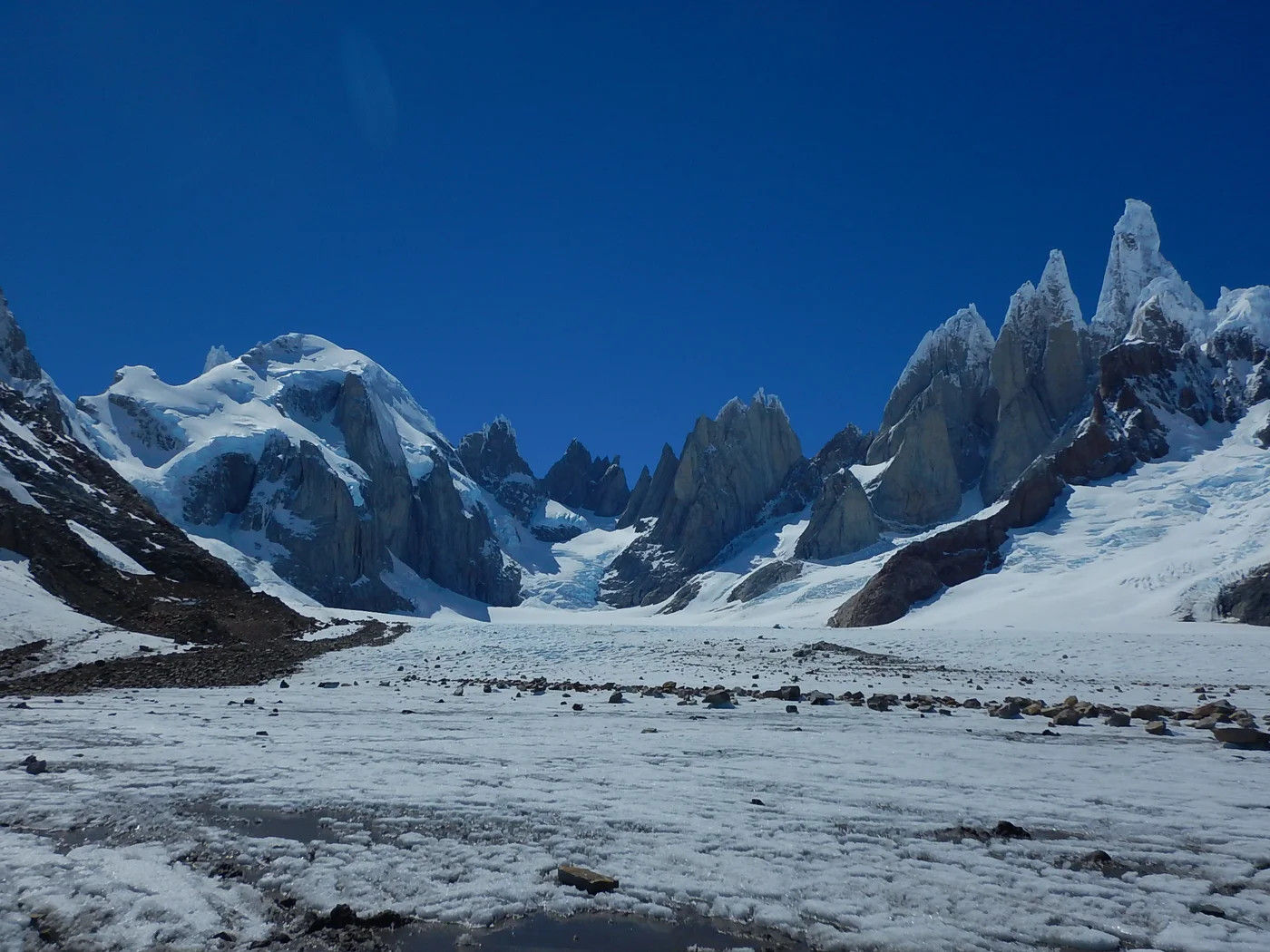
2020 Silvia Vidal Sincronía Mágica Cerro Standhardt Solo Unassisted First Ascent
In February 2020, Catalan big-wall master Sílvia Vidal completed an extraordinary solo, unassisted first ascent of 'Sincronía Mágica' (1,200m, A3+/6a+) on the west face of Cerro Standhardt in the Cerro Torre group, spending sixteen continuous days suspended on the wall without radio, phone, or weather forecasts.
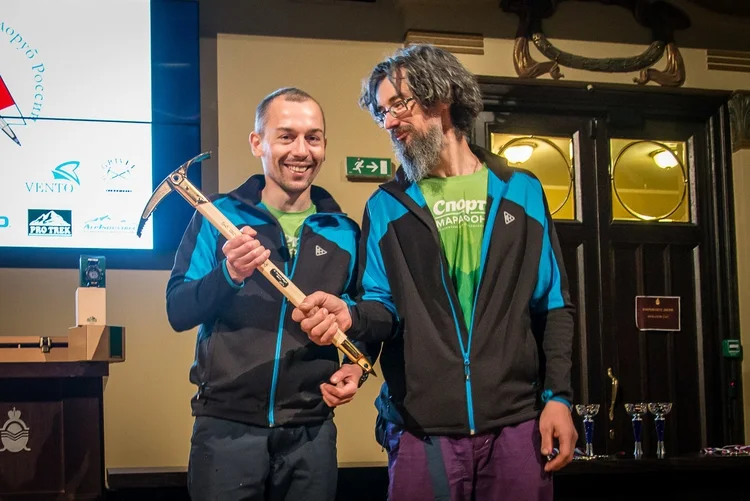
2021 Sean Villanueva O'Driscoll Solo Moonwalk Traverse of Fitz Roy Massif
Between February 5 and 10, 2021, Belgian climber Sean Villanueva O'Driscoll achieved a monumental milestone by making the first solo traverse of the entire Fitz Roy range, traversing nine spires from south to north in six days carrying a small pack and his tin whistle.
Pioneer Mountaineers of Argentina
Biographical chronicles of legendary high-altitude alpinists hailing from Argentina.
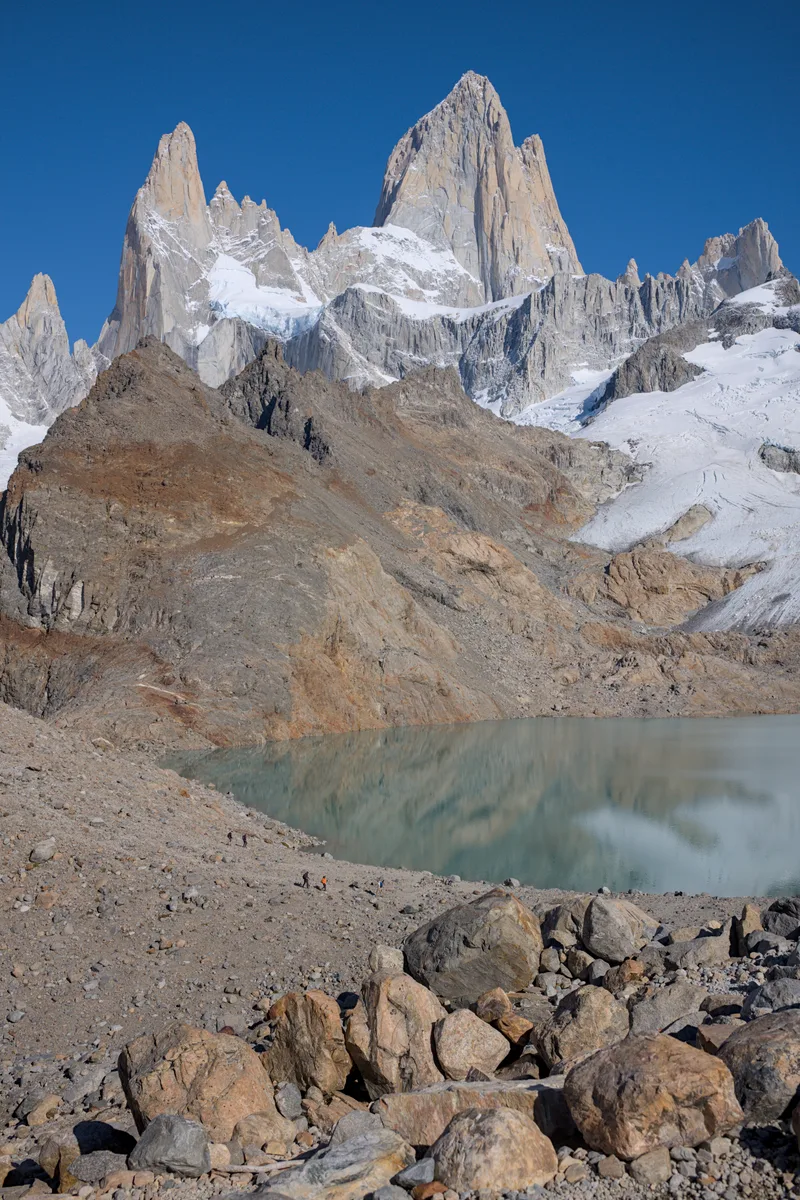
José Luis Fonrouge
Born on November 21, 1942, in Buenos Aires, Argentina, José Luis Fonrouge learned the art of vertical granite on the crags of Tandil and the high peaks of Bariloche. In the mid-1960s, while heavy international expeditions mounted prolonged sieges with fixed ropes across Patagonia, Fonrouge championed a radical new philosophy: moving fast, light, and self-contained in pure alpine style. In January 1965, accompanied by his trusted nineteen-year-old partner Carlos Comesaña, Fonrouge approached the terrifying, unclimbed 1,600-metre ice couloir splitting the southwest face of Cerro Fitz Roy. Carrying only two days of dried provisions and minimal gear, the young Argentines ascended 1,000 metres of 85° ice, bypassed the Bloque Empotrado, and negotiated sustained rock pitches along the upper ridge to claim the second ascent of Fitz Roy and the first true alpine-style masterwork in Patagonia. In 1968, Fonrouge returned to the Chaltén massif to make the second ascent of Aguja Poincenot via a brilliant new route. His exploratory climbs extended across the Peruvian Andes and the European Alps, and he later served as President of the Federación Argentina de Ski y Andinismo (FASA). Fonrouge passed away on August 20, 2001, celebrated as a founding father of modern South American mountaineering.
Rolando Garibotti
Born in 1971 in San Carlos de Bariloche, Argentina, Rolando 'Rolo' Garibotti began climbing the granite spires of Patagonia at age fifteen. Over four decades, Garibotti developed an encyclopedic knowledge of Patagonian meteorology, topography, and climbing ethics, becoming one of the most accomplished and respected big-wall alpinists in the world. In 1996, he made a sensational 30-hour round-trip speed ascent of the Franco-Argentine route on Fitz Roy. In November 2005, alongside Italian climbers Ermanno Salvaterra and Alessandro Beltrami, Garibotti opened 'El Arca de los Vientos' on the sheer North Face of Cerro Torre. His crowning technical masterpiece came between January 21 and 24, 2008, when he and American partner Colin Haley achieved the legendary first complete Torre Traverse, traversing Cerro Standhardt, Punta Herron, Torre Egger, and Cerro Torre in an extraordinary 4-day alpine push. Garibotti was awarded the prestigious Piolet d'Or for this historic ascent. As the creator of the Patagonia Vertical guidebook series and website, Garibotti has documented every route, ascent, and historical controversy across the Southern Andes, setting the global gold standard for archival precision and mountain stewardship.
Archival Primary Source Quotations
“Great things are done when men and mountains meet; this is not done by jostling in the street.”
Defined Alpine Terminology & Concepts
- Archival Integrity
- The standard of verifying historical mountain facts, summit claims, and altitudes using primary expeditions journals and geodetic measurements.
Frequently Asked Questions: Argentina Mountaineering
What historical significance does this countrie hold?
Argentina represents an essential chapter in global mountaineering heritage, verified through contemporary expedition journals and archival sources.
How are the facts and records for Argentina verified?
All records are checked against peer-reviewed journals, national alpine clubs, geodetic surveys, and the Mountanity Archival Integrity Policy.