1952 French Patagonia Cerro Fitz Roy First Ascent Expedition
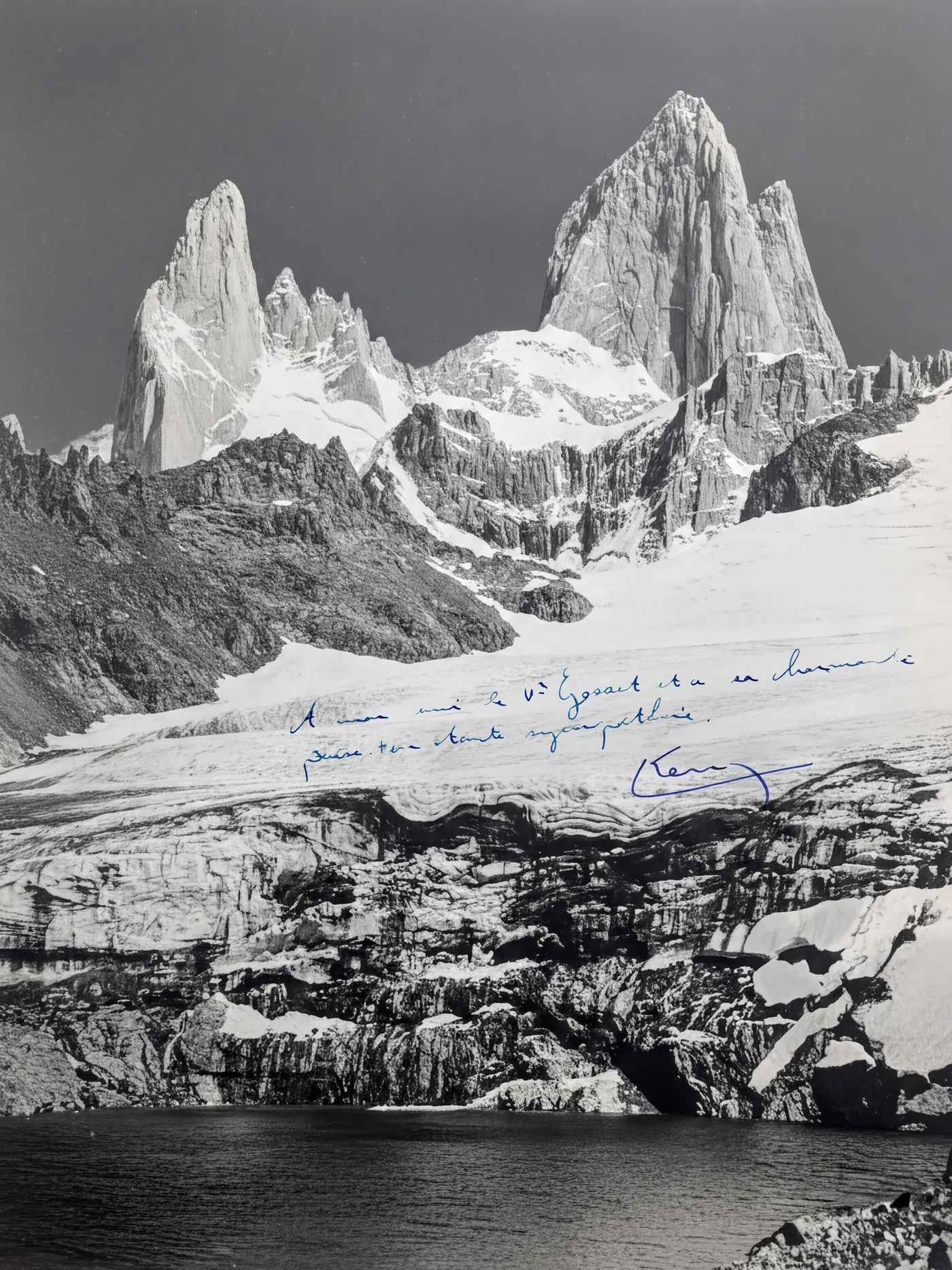
On February 2, 1952, French mountaineers Lionel Terray and Guido Magnone achieved the historic first ascent of Cerro Fitz Roy (3,405m) in Patagonia, overcoming ferocious storms, vertical granite cracks, and technical aid to conquer one of Earth's most formidable spires.
Mountain Safety & Conditions Disclaimer: High-altitude climbing, glacial travel, and technical ascents entail severe objective risks including avalanches, serac collapses, rapid weather collapse, and altitude illness. Historical route descriptions and summit claims on Mountanity reflect documented archival sources and must not be used as live operational safety assessments. Local regulations, permits, and physical glacial topography change continuously.
Peer Review: Senior Editorial Board & Historical Reviewers • Editorial Standards
Official Expedition Narrative & Archival Record
In early 1952, the French Mountaineering Federation organized an ambitious exploratory expedition to Patagonia led by René Ferlet. Their objective was Cerro Fitz Roy (3,405m), an intimidating granite fang rising out of the Southern Patagonian Icefield that had rebuffed all previous attempts. The team suffered an early tragedy when climber Jacques Poincenot drowned while attempting to cross the swollen Fitz Roy River. Shaken but resolute, Lionel Terray and Guido Magnone pushed higher into the massif. Battling relentless Roaring Forties gales that pinned them inside snow caves for days, Terray and Magnone established a high bivouac at the Brecha de los Italianos. On February 1 and 2, 1952, moving through freezing winds, they tackled the sheer south buttress. Utilizing expansion bolts, delicate crack jamming, and piton aid up to grade 6c and A2, they bypassed the sheer headwall. At 16:30 on February 2, 1952, Lionel Terray and Guido Magnone emerged onto the snow-capped summit of Fitz Roy, completing what global mountaineering journals declared the most technically difficult mountain ascent in history.
Documented Team Composition
- Lionel Terray (France, Summit Climber)
- Guido Magnone (France, Summit Climber)
- René Ferlet (Expedition Leader)
- Louis Lliboutry (Glaciologist)
- Jacques Poincenot (Expedition Member, In Memoriam)
- Marc Antonin Azéma (Team Member)
Key Statistics & Topographic Figures
- Official Outcome
- Historic First Ascent of Cerro Fitz Roy (3,405m) via the Franco-Argentine Route
Expedition Status
- Summit Date
- 1952-02-02
Ascent Timestamp
- Target Objective
- fitz-roy
Mountain Peak
- Ascent Route
- fitz-roy-franco-argentine
Climbing Path
- Team Size
- 6 Climbers
High-Altitude Team
- Region / Country
- Argentina (Patagonia / Los Glaciares National Park)
Geography
Archival Primary Source Quotations
“In early 1952, the French Mountaineering Federation organized an ambitious exploratory expedition to Patagonia led by René Ferlet. Their objective was Cerro Fitz Roy (3,405m), an i...”
Defined Alpine Terminology & Concepts
- Alpine Expedition
- A planned, self-contained high-altitude mountaineering undertaking operating in remote mountain terrain subject to extreme objective hazards.
- Death Zone
- The high-altitude region above 8,000 meters where atmospheric oxygen pressure is inadequate for sustained human survival.
Frequently Asked Questions: 1952 French Patagonia Cerro Fitz Roy First Ascent Expedition
What was the primary outcome and achievement of the 1952 French Patagonia Cerro Fitz Roy First Ascent Expedition?
Historic First Ascent of Cerro Fitz Roy (3,405m) via the Franco-Argentine Route. On February 2, 1952, French mountaineers Lionel Terray and Guido Magnone achieved the historic first ascent of Cerro Fitz Roy (3,405m) in Patagonia, overcoming ferocious storms, vertical granite cracks, and technical aid to conquer one of Earth's most formidable spires.
When did the 1952 French Patagonia Cerro Fitz Roy First Ascent Expedition reach the summit?
The expedition officially reached the summit on 1952-02-02, operating between 1952-01-15 and 1952-02-10.
Who were the documented climbing team members on the 1952 French Patagonia Cerro Fitz Roy First Ascent Expedition?
The documented climbing roster included: Lionel Terray (France, Summit Climber), Guido Magnone (France, Summit Climber), René Ferlet (Expedition Leader), Louis Lliboutry (Glaciologist), Jacques Poincenot (Expedition Member, In Memoriam), Marc Antonin Azéma (Team Member).
What climbing route and mountain objective were tackled during the 1952 French Patagonia Cerro Fitz Roy First Ascent Expedition?
The expedition tackled fitz-roy via the fitz-roy-franco-argentine in Argentina (Patagonia / Los Glaciares National Park).
How are the records and summit claims of the 1952 French Patagonia Cerro Fitz Roy First Ascent Expedition verified?
Summit claims, route topography, and timeline logs for the 1952 French Patagonia Cerro Fitz Roy First Ascent Expedition are cross-referenced with official alpine registries, national mountaineering federations, and primary expedition journals.
Ascent Route & Topography
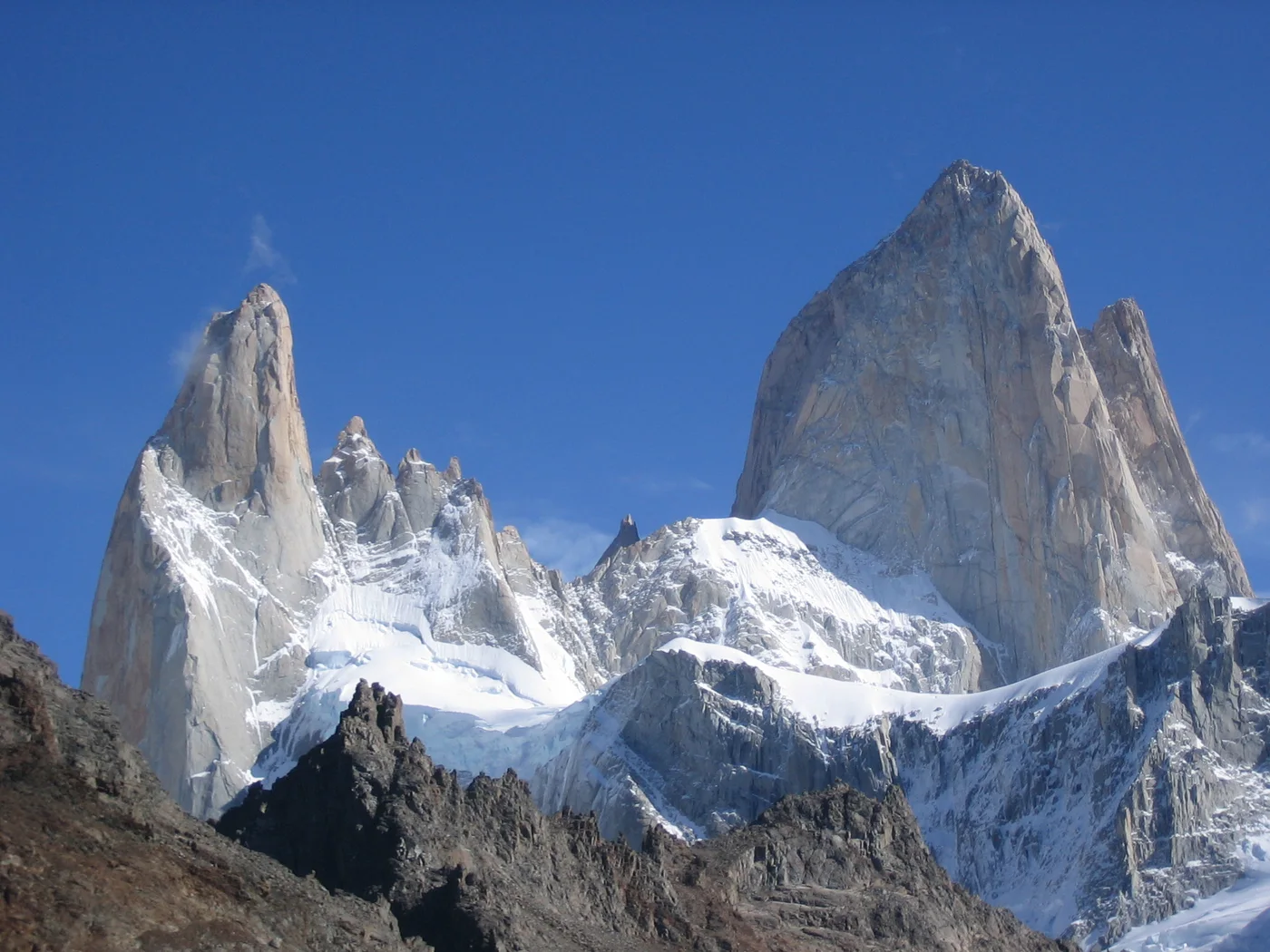
Franco-Argentine Route
The Franco-Argentine Route on Cerro Fitz Roy is the historic first ascent line on Patagonia's most iconic granite monolith. Pioneered in February 1952 by French climbers Lionel Terray and Guido Magnone, the route ascends the Brecha de los Italianos, traverses the south shoulder, and tackles sustained vertical granite cracks up to French 6c (5.11a) and A2 aid amid ferocious Patagonian winds.
Target Objective Peak
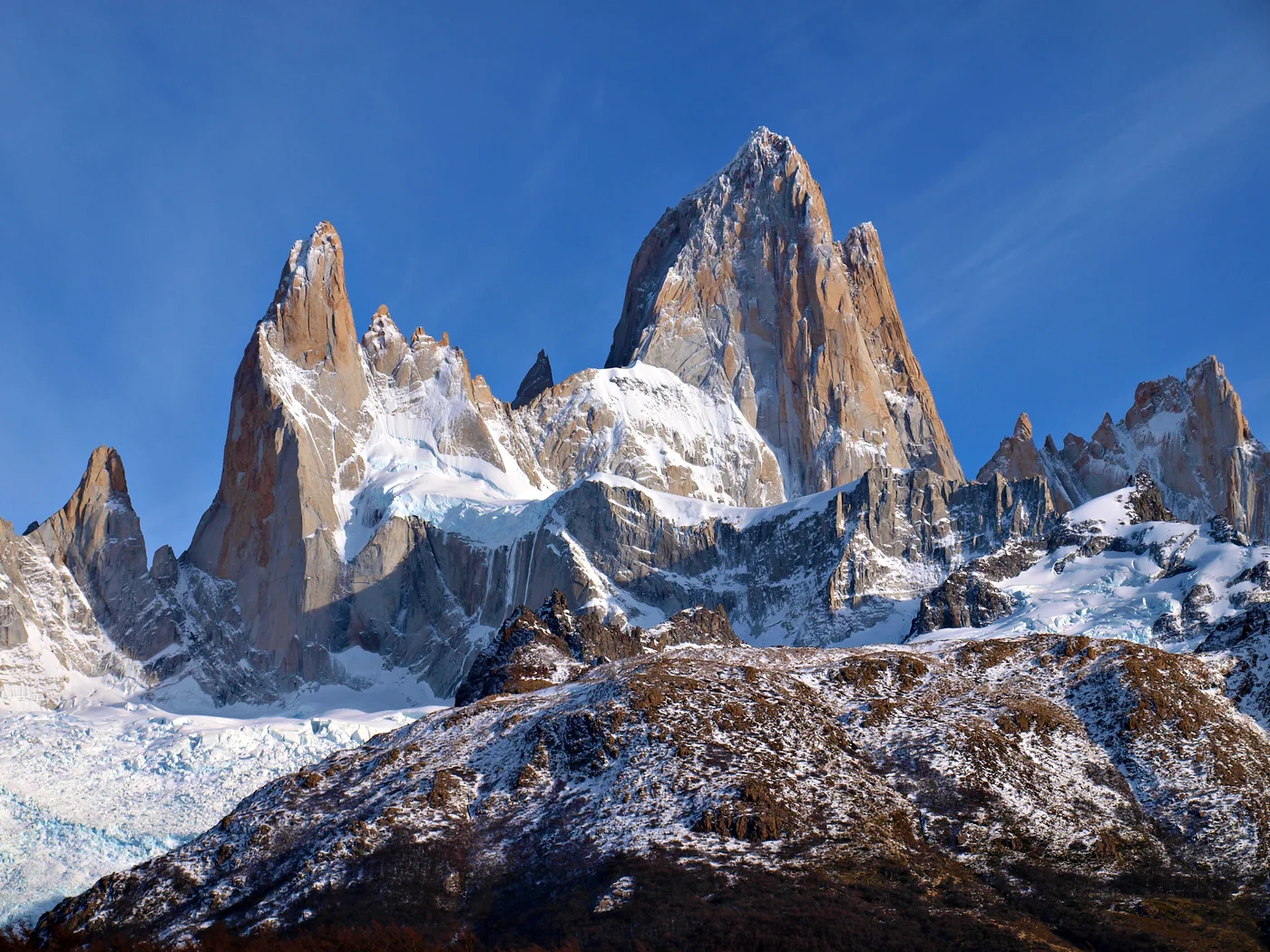


Cerro Fitz Roy
Cerro Fitz Roy, also known as Monte Fitz Roy or Cerro Chaltén at 3,405 meters (11,171 ft), is a world-renowned granite monolith situated in the Southern Patagonian Icefield near El Chaltén, Argentina. Revered for its vertical granite walls and notorious hurricane-force Patagonian storms, it is considered one of the most technically demanding alpine summits on Earth. French climbers Lionel Terray and Guido Magnone completed the legendary first ascent on February 2, 1952, establishing the historic Franco-Argentine Route.
Featured Expedition Climbers
Guido Magnone
Guido Magnone was born on February 1, 1917, in Turin, Italy, before his family emigrated to France when he was a child. A gifted athlete who competed in water polo for France at the 1948 London Olympic Games, Magnone graduated from the École Nationale Supérieure des Beaux-Arts in Paris as an accomplished sculptor. Taking up rock climbing at Fontainebleau and the Mont Blanc massif at the relatively late age of thirty, Magnone applied his immense athletic strength and artistic vision to the most sheer, unclimbed granite walls of Europe. In early 1952, Magnone joined the historic French Patagonia Expedition led by René Ferlet. Faced with the vertical granite monolith of Cerro Fitz Roy (3,405m) and violent Patagonian gales, Magnone and Lionel Terray forged a daring technical path up the south buttress. Utilizing expansion bolts and piton aid on sheer granite flakes, the duo reached the virgin summit on February 2, 1952, completing what was then considered the most technically difficult mountain ascent on Earth. Returning to the Alps in July 1952, Magnone tackled another legendary 'impossible' problem: the 1,000-metre vertical West Face of the Petit Dru (Face Ouest des Drus) in the Mont Blanc massif. Climbing alongside Lucien Bérardini, Adrien Dagory, and Marcel Lainé, Magnone established the celebrated 'Magnone Route', employing bold pendulums and expansion bolts to breach vertical granite that had defeated previous generations. In May 1955, Magnone joined the French national expedition to Makalu (8,485m), successfully reaching the summit as part of the team that placed all nine climbers on top of the world's fifth-highest peak. Magnone later served as president of the French Mountain Federation (FFME) and founded the Union des Centres de Plein Air (UCPA), dedicating his life to introducing hundreds of thousands of French youth to outdoor adventure and mountain arts. He passed away in Clamart, France, on September 24, 2012, at age ninety-five.
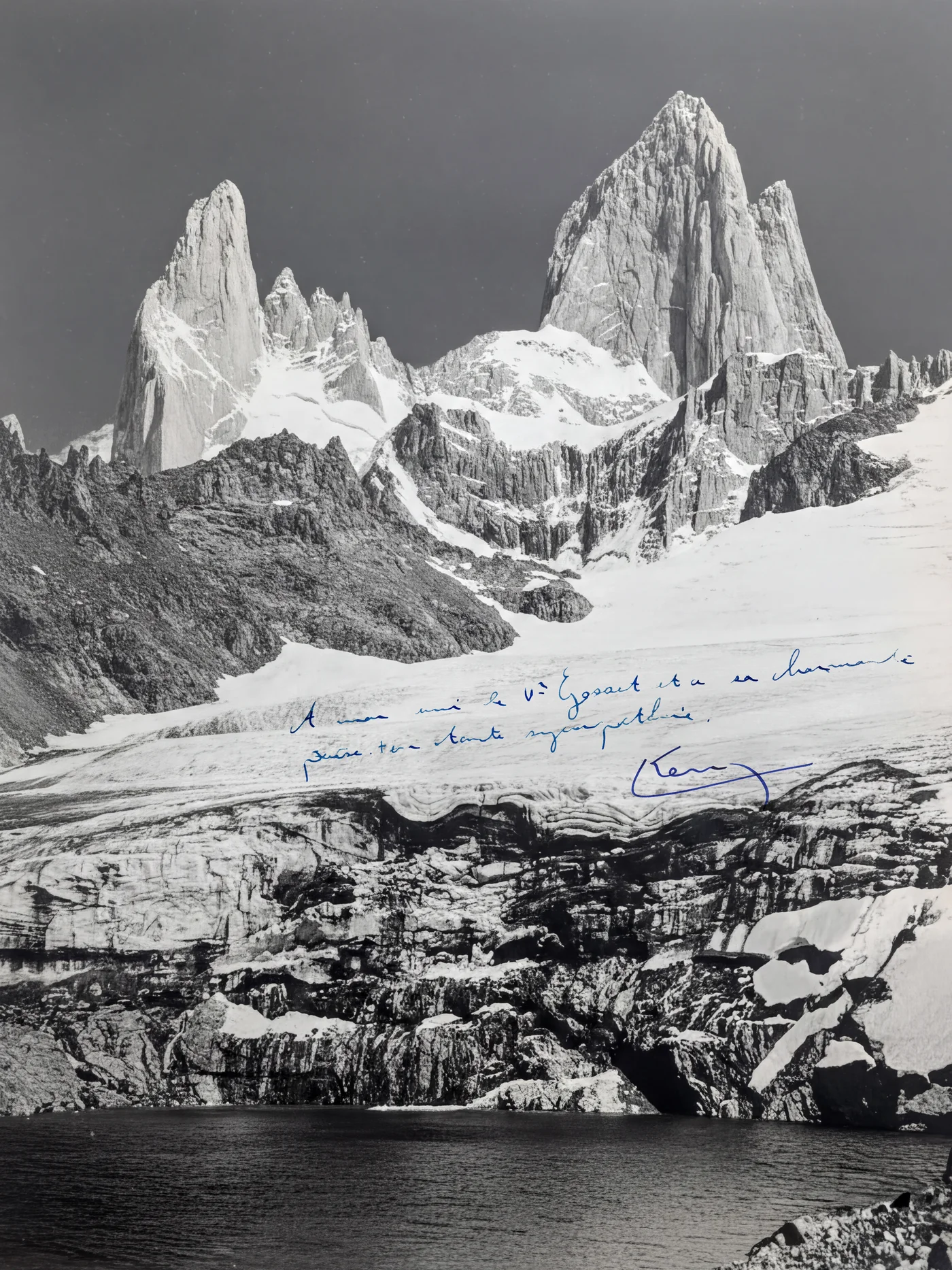
Lionel Terray
Lionel Terray was born on July 25, 1921, in Grenoble, France. Raised in the shadow of the French Alps, Terray developed an all-consuming passion for extreme skiing and high-angle alpinism from early childhood. During World War II, he fought heroically against Nazi occupation forces in the Battle of the Alps as part of the Compagnie Stéphane ski-troops, winning the Croix de Guerre. In Chamonix after the war, Terray formed an invincible climbing partnership with Louis Lachenal. In 1947, the duo made the celebrated second ascent (and first French ascent) of the dreaded Eiger North Face in Switzerland. In 1950, Terray was chosen as a lead climber for the French Annapurna Expedition. When Maurice Herzog and Louis Lachenal staggered down from the summit severely frostbitten and snow-blind, Terray and Gaston Rébuffat mounted a selfless rescue, sacrificing their own summit ambitions. Trapped in a 7,400-meter crevasse overnight in sub-zero blizzards, Terray gave up his gloves and warm clothing to nurse his comrades, later organizing the grueling jungle litter-carry that saved their lives. Over the following decade, Terray became the premier expedition alpinist of the 20th century. In 1952, he made the audacious first ascent of Patagonia's granite needle, Mount Fitz Roy, alongside Guido Magnone. In May 1955, on the French Makalu Expedition led by Jean Franco, Terray and Jean Couzy forged the normal route up the North Face and Makalu La, reaching the 8,485-meter summit on May 15—the fifth-highest peak on Earth. Terray's leadership was so flawless that all nine members of the expedition reached the summit over three consecutive days without injury. Terray continued his global conquests with the first ascents of Peru's terrifying Chacraraju (6,108m) and Taulliraju in 1956, Nepal's monstrous Jannu (7,710m) in 1962, and Alaska's Mount Huntington in 1964. In 1961, he penned Les Conquérants de l'inutile (Conquistadors of the Useless), universally acclaimed as the greatest philosophical mountaineering autobiography ever written. On September 19, 1965, Lionel Terray died tragically in a climbing fall on the Arêtes du Gerbier in the Vercors at age forty-four. He is buried in Chamonix, forever remembered as the soul of pure, noble alpinism.
Associated Historical Chronicles & Stories
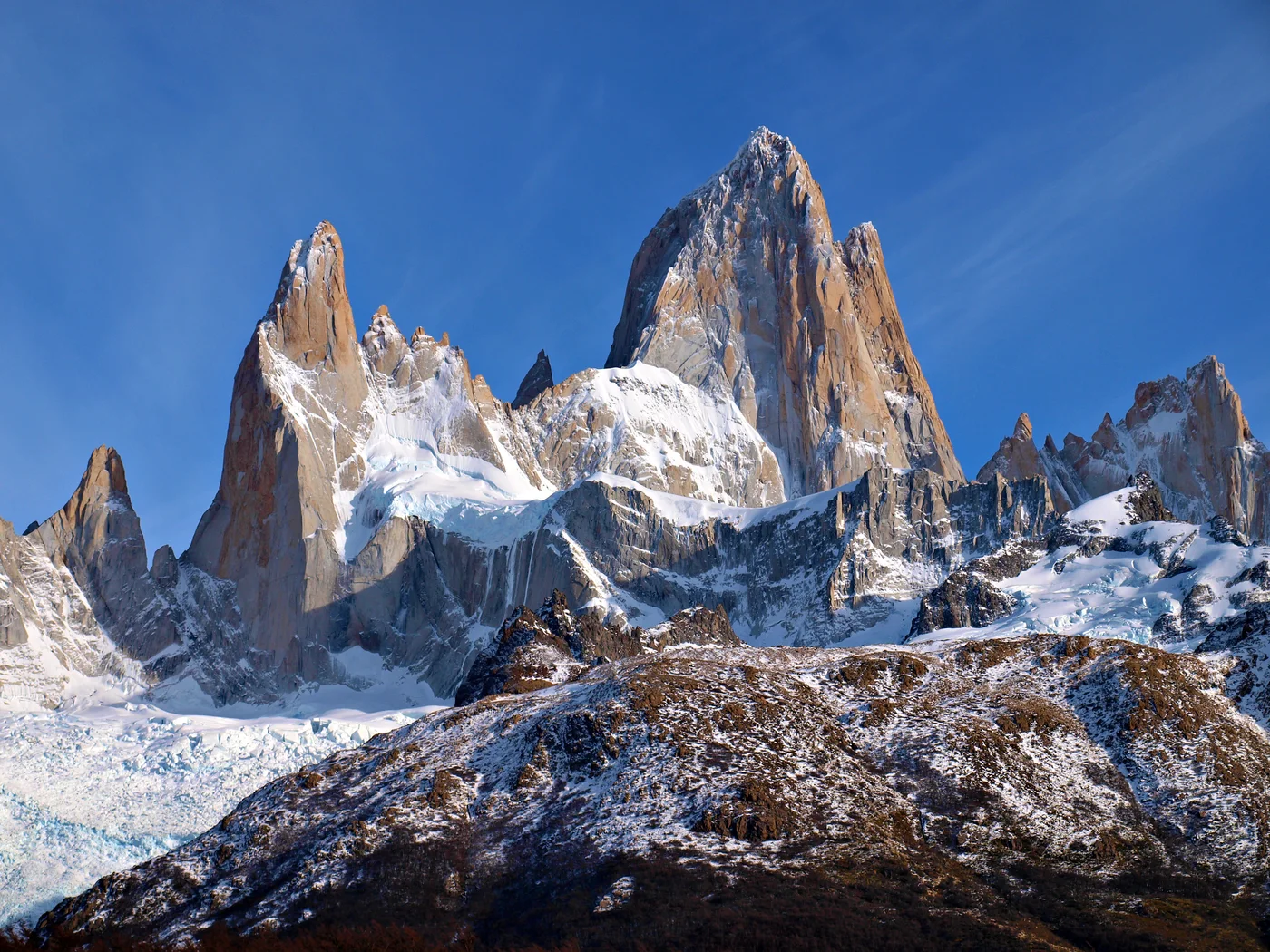
Conquest of the Patagonian Fang: Lionel Terray and Guido Magnone on Fitz Roy
In February 1952, French mountaineers Lionel Terray and Guido Magnone conquered the virgin summit of Cerro Fitz Roy in Patagonia via the historic Franco-Argentine Route.
Documented Sources & Archival Citations
- Conquistadors of the Useless(Lionel Terray / Victor Gollancz)
Supporting claim: Terray's classic firsthand account of the 1952 Fitz Roy conquest
Accessed/Documented: 1963 - American Alpine Journal: The Conquest of Mount FitzRoy(Guido Magnone / American Alpine Club)
Supporting claim: Official expedition report and technical description of the 1952 first ascent
Accessed/Documented: 1953