1943 Father De Agostini First Ascent of Cerro San Lorenzo
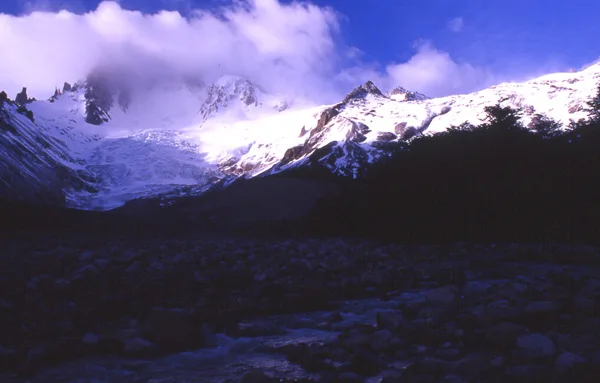
On December 17, 1943, sixty-year-old Salesian missionary Father Alberto María De Agostini led guides Alejandro Hemmi and Heriberto Schmoll to make the first ascent of Cerro San Lorenzo, overcoming ferocious Patagonian gales and giant crevasses.
Mountain Safety & Conditions Disclaimer: High-altitude climbing, glacial travel, and technical ascents entail severe objective risks including avalanches, serac collapses, rapid weather collapse, and altitude illness. Historical route descriptions and summit claims on Mountanity reflect documented archival sources and must not be used as live operational safety assessments. Local regulations, permits, and physical glacial topography change continuously.
Peer Review: Senior Editorial Board & Historical Reviewers • Editorial Standards
Official Expedition Narrative & Archival Record
For over three decades, Father Alberto María De Agostini had explored the remote glaciers and peaks of the Patagonian cordillera. By late 1943, during the height of the Second World War, the sixty-year-old priest resolved to attempt the most imposing unclimbed massif in central Patagonia: Cerro San Lorenzo (3,706 m), towering along the border between Chile and Argentina. Recruiting skilled alpine guides Alejandro Hemmi and Heriberto Schmoll, De Agostini established a base camp in the Rio Tranquilo valley. The team endured weeks of relentless storms, freezing rain, and falling séracs that barred access across the heavily crevassed glaciers. Seizing a rare, brief atmospheric clearance on December 17, 1943, the three men set out from their high camp on the glaciated south flank. Navigating steep ice walls, bridges over bottomless crevasses, and bitter winds, they fought their way to the wind-sculpted rime summit plateau at 3,706 metres. De Agostini celebrated Mass in spirit atop the peak, planting the flags of Argentina and Chile side by side in the snow. Their breakthrough conquered one of the wildest and most isolated giants in South America, cementing De Agostini's legacy as the supreme explorer-mountaineer of Patagonia.
Documented Team Composition
- Father Alberto María De Agostini (Expedition Leader, Italy)
- Alejandro Hemmi (Mountain Guide, Switzerland / Argentina)
- Heriberto Schmoll (Mountain Guide, Germany / Argentina)
Key Statistics & Topographic Figures
- Summit Date
- December 17, 1943
- Target Peak
- Cerro San Lorenzo (3,706 m / 12,159 ft)
- Leader Age
- 60 years old (Father Alberto De Agostini)
- Rope Team
- Alberto De Agostini, Alejandro Hemmi, Heriberto Schmoll
- Territory
- Chile / Argentina frontier
Archival Primary Source Quotations
“My sixty years weighed nothing upon the summit of San Lorenzo; faith and the mountains renewed my spirit like the morning.”
Defined Alpine Terminology & Concepts
- San Lorenzo Massif
- A massive isolated granitic and volcanic Andean fortress encircled by four vast glaciers in central Patagonia.
- Viento Blanco
- A furious Andean blizzard that combines blinding whiteout snowfall with hurricane-force sub-zero winds.
Frequently Asked Questions: 1943 Father De Agostini First Ascent of Cerro San Lorenzo
What was the 1943 Father De Agostini Cerro San Lorenzo Expedition?
The historic first ascent of Cerro San Lorenzo (3,706 m), Patagonia's second highest peak, completed on December 17, 1943, by Father Alberto María De Agostini and guides Alejandro Hemmi and Heriberto Schmoll.
How old was Father De Agostini during the 1943 ascent?
Father De Agostini was sixty years old, capping three decades of Patagonian exploration with this monumental ascent.
What conditions did the climbers face on San Lorenzo?
Weeks of blinding Pacific blizzards, gaping glacial crevasses, and bitter freezing gales on the upper rime slopes.
Where did the 1943 expedition establish base camp?
In the Rio Tranquilo valley on the eastern flank of the massif near Cochrane and Lago Posadas.
What ceremony took place on the summit of San Lorenzo?
Father De Agostini offered prayers of thanksgiving and planted the national flags of Chile and Argentina together in the summit snow.
Target Objective Peak


Cerro San Lorenzo
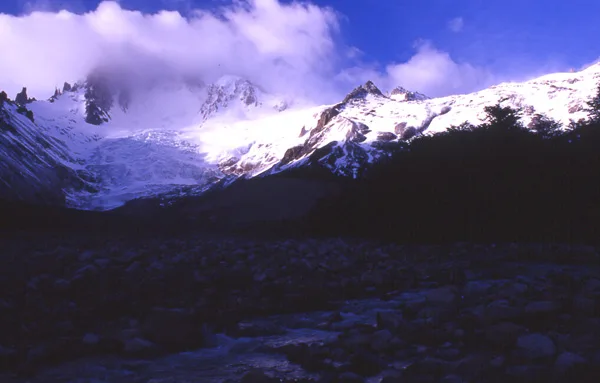
Cerro San Lorenzo, also known as Monte San Lorenzo or Mount Cochrane at 3,706 metres (12,159 ft), is the second highest peak in Patagonia, straddling the border between Chile and Argentina. Towering above the Patagonian steppes with a massive topographic prominence of 3,319 metres, it is an isolated giant surrounded by four heavily crevassed glaciers. In December 1943, sixty-year-old Salesian missionary and explorer Father Alberto María De Agostini led the historic first ascent with mountain guides Alejandro Hemmi and Heriberto Schmoll, overcoming brutal gales and treacherous sérac falls.
Featured Expedition Climber
Alberto María De Agostini
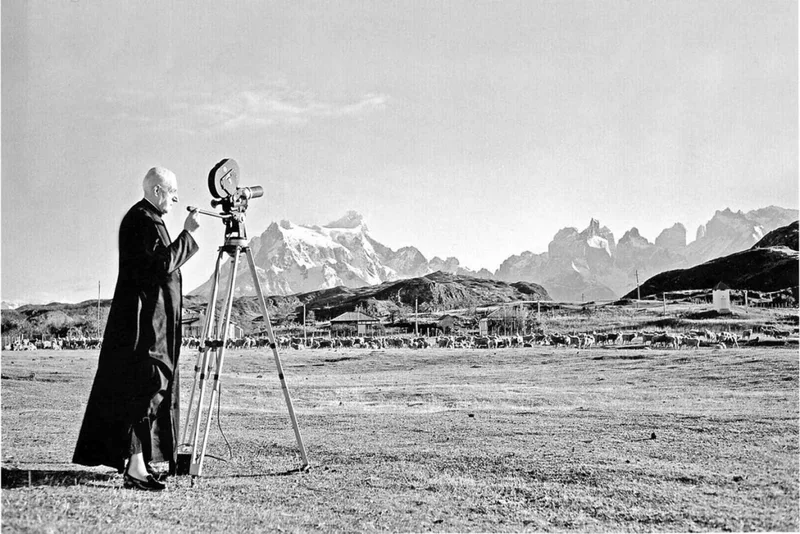
Born on December 3, 1883, in Pollone, Piedmont, Italy, Alberto María De Agostini was ordained as a Salesian priest in 1909 and immediately departed for the southernmost tip of South America. Stationed in Punta Arenas, Chile, he combined pastoral ministry to indigenous Selk'nam and Yághan peoples with audacious geographical exploration. Over fifty years, De Agostini mounted dozens of arduous expeditions into unexplored fjords, glaciated mountain ranges, and continental icefields across Chile and Argentina. In 1931, he made the first aerial photographic survey and complete geographic reconnaissance of the Fitz Roy and Cerro Torre massifs, publishing the first definitive maps of the region. On December 17, 1943, at sixty years of age, De Agostini achieved his supreme mountaineering triumph by making the first ascent of Cerro San Lorenzo (3,706 m), Patagonia's second highest peak, accompanied by alpine guides Alejandro Hemmi and Heriberto Schmoll. His books, including 'I Miei Viaggi nella Terra del Fuoco' and 'Andes Patagónicos', along with thousands of glass-plate photographs, remain the foundational treasures of Patagonian exploration. De Agostini died in Turin on December 25, 1960; Chile honored his immense legacy by establishing the Alberto de Agostini National Park across the glaciated fjords of Tierra del Fuego.
Associated Historical Chronicles & Stories
The Missionary's Fortress: Father Alberto De Agostini's 1943 Conquest of Cerro San Lorenzo
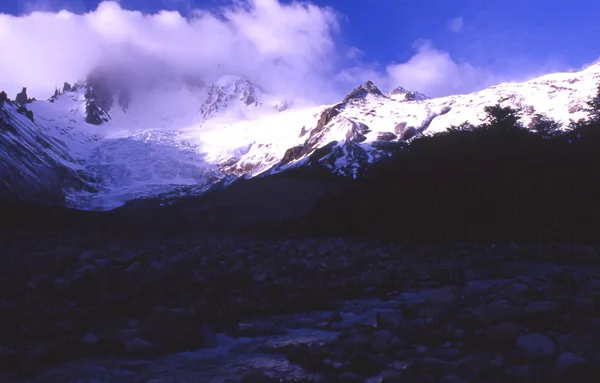
In December 1943, sixty-year-old Salesian missionary Father Alberto María De Agostini led guides Alejandro Hemmi and Heriberto Schmoll to achieve the historic first ascent of Cerro San Lorenzo (3,706 m), Patagonia's second highest peak.
Documented Sources & Archival Citations
- Andes Patagónicos: Viaggi d'esplorazione(Alberto María De Agostini / Viglongo)
Supporting claim: Firsthand historical documentation of the 1943 conquest of Cerro San Lorenzo
Accessed/Documented: 1949 - American Alpine Journal: Ascents of Cerro San Lorenzo(American Alpine Club)
Supporting claim: Archival review of early Patagonian exploration and De Agostini's 1943 ascent
Accessed/Documented: 2026