Rolando Garibotti
Rolando Garibotti is a premier Argentine alpinist, IFMGA mountain guide, and the foremost modern historian of Patagonian climbing. In January 2008, he and Colin Haley completed the historic first full ascent of the Torre Traverse, crossing all four spires of the Cerro Torre group in a four-day continuous push. He is the author of Patagonia Vertical, the definitive historical and topo encyclopedia of the Chaltén massif.
Mountain Safety & Conditions Disclaimer: High-altitude climbing, glacial travel, and technical ascents entail severe objective risks including avalanches, serac collapses, rapid weather collapse, and altitude illness. Historical route descriptions and summit claims on Mountanity reflect documented archival sources and must not be used as live operational safety assessments. Local regulations, permits, and physical glacial topography change continuously.
Peer Review: Senior Editorial Board & Historical Reviewers • Editorial Standards
Biographical Record & Archival Chronicle
Born in 1971 in San Carlos de Bariloche, Argentina, Rolando 'Rolo' Garibotti began climbing the granite spires of Patagonia at age fifteen. Over four decades, Garibotti developed an encyclopedic knowledge of Patagonian meteorology, topography, and climbing ethics, becoming one of the most accomplished and respected big-wall alpinists in the world. In 1996, he made a sensational 30-hour round-trip speed ascent of the Franco-Argentine route on Fitz Roy. In November 2005, alongside Italian climbers Ermanno Salvaterra and Alessandro Beltrami, Garibotti opened 'El Arca de los Vientos' on the sheer North Face of Cerro Torre. His crowning technical masterpiece came between January 21 and 24, 2008, when he and American partner Colin Haley achieved the legendary first complete Torre Traverse, traversing Cerro Standhardt, Punta Herron, Torre Egger, and Cerro Torre in an extraordinary 4-day alpine push. Garibotti was awarded the prestigious Piolet d'Or for this historic ascent. As the creator of the Patagonia Vertical guidebook series and website, Garibotti has documented every route, ascent, and historical controversy across the Southern Andes, setting the global gold standard for archival precision and mountain stewardship.
Notable Milestones & Ascents
- First complete traverse of the entire Torre group (Torre Traverse) in January 2008 with Colin Haley
- Piolet d'Or recipient for the historic 2008 Torre Traverse
- First ascent of 'El Arca de los Vientos' on the North Face of Cerro Torre in 2005
- Completed numerous rapid and solo ascents across the Fitz Roy and Cerro Torre massifs
- Author of 'Patagonia Vertical: Chaltén Massif', the definitive encyclopedia of Patagonian climbing
Key Statistics & Topographic Figures
- Birth Year
- 1971 (Bariloche, Argentina)
- Pinnacle Ascent
- First Complete Torre Traverse (2008 with Colin Haley)
- Major Accolade
- Piolet d'Or (2009)
- Guidebook Series
- Patagonia Vertical: Chaltén Massif
- New Routes
- El Arca de los Vientos (Cerro Torre), Torre Traverse
Archival Primary Source Quotations
“Patagonia teaches you humility; the mountains will be here long after we are gone, and our duty is to leave them as wild as we found them.”
Defined Alpine Terminology & Concepts
- Torre Traverse
- The continuous skyline traverse of Cerro Standhardt, Punta Herron, Torre Egger, and Cerro Torre, crossing over 2,200 metres of vertical mixed terrain.
- Circo de los Altares
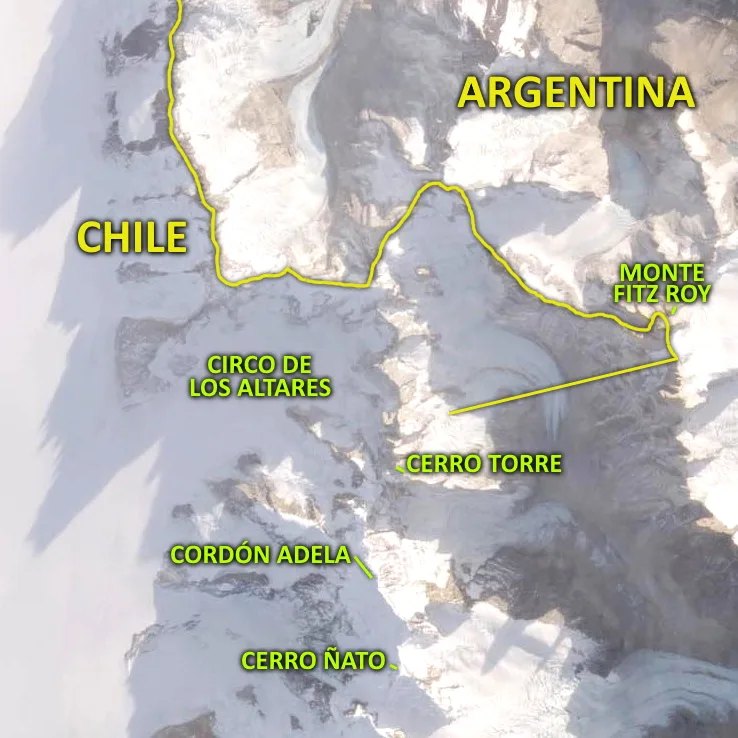
- The vast amphitheater on the Southern Patagonian Icefield beneath the imposing west faces of Cerro Torre and Fitz Roy.
Frequently Asked Questions: Rolando Garibotti
Who is Rolando Garibotti?
Rolando 'Rolo' Garibotti is a world-renowned Argentine alpinist, IFMGA mountain guide, Piolet d'Or laureate, and the definitive historian of Patagonian climbing.
What was the Torre Traverse and when did Garibotti complete it?
Between January 21–24, 2008, Garibotti and Colin Haley made the historic first complete traverse of the entire Torre group (Standhardt, Herron, Egger, Torre) in 4 days.
What is Patagonia Vertical?
Patagonia Vertical is Garibotti's authoritative topo guidebook and digital archive documenting every route, first ascent, and historical record in the Chaltén Massif.
What award did Garibotti receive for the Torre Traverse?
Garibotti and Colin Haley received the prestigious Piolet d'Or in 2009 for their visionary first ascent of the Torre Traverse.
What new route did Garibotti open on Cerro Torre's North Face?
In November 2005, Garibotti, Ermanno Salvaterra, and Alessandro Beltrami established 'El Arca de los Vientos' on the previously unclimbed North Face.
Where was Rolando Garibotti born and where did he begin climbing?
Garibotti was born in 1971 in San Carlos de Bariloche, Argentina, and began climbing the granite spires of Patagonia at age fifteen.
How fast did Garibotti climb the Franco-Argentine route on Fitz Roy?
In 1996, Garibotti completed a record-breaking 30-hour car-to-car round-trip ascent of the Franco-Argentine route on Fitz Roy.
What is Garibotti's stance on alpine conservation in Patagonia?
Garibotti is an ardent champion of clean climbing ethics, opposing excessive bolting and advocating for the preservation of wild alpine character.
Associated Summits (3)


Cerro Fitz Roy
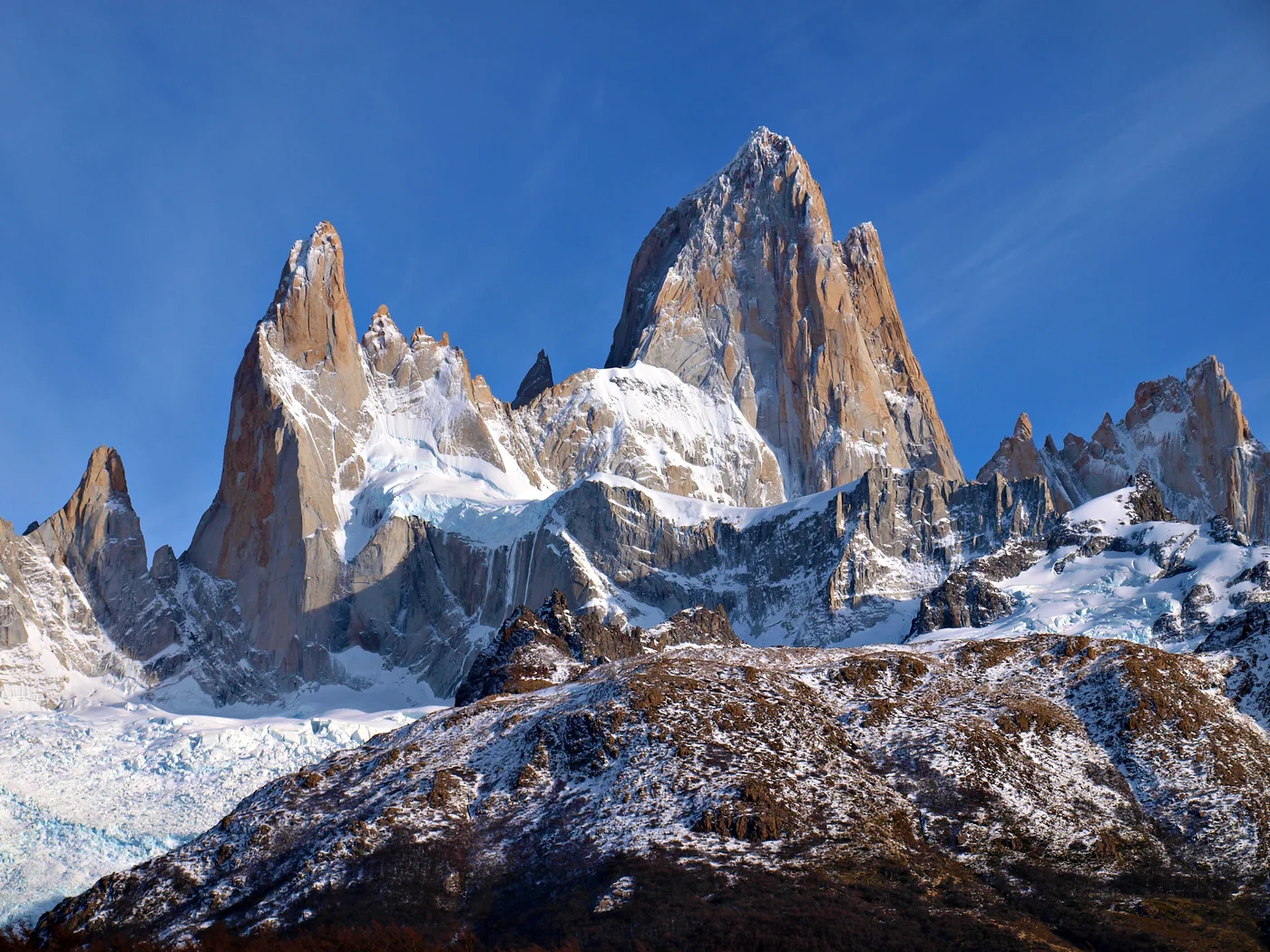
Cerro Fitz Roy, also known as Monte Fitz Roy or Cerro Chaltén at 3,405 meters (11,171 ft), is a world-renowned granite monolith situated in the Southern Patagonian Icefield near El Chaltén, Argentina. Revered for its vertical granite walls and notorious hurricane-force Patagonian storms, it is considered one of the most technically demanding alpine summits on Earth. French climbers Lionel Terray and Guido Magnone completed the legendary first ascent on February 2, 1952, establishing the historic Franco-Argentine Route.
Cerro Torre
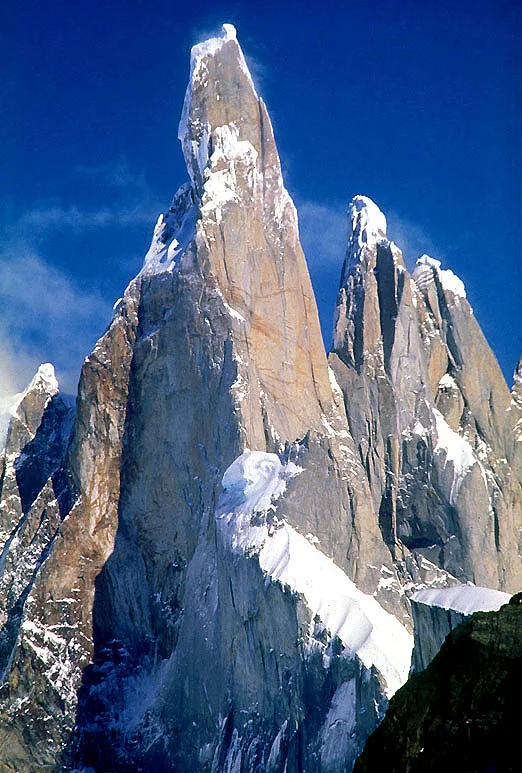
Cerro Torre is a world-famous granite spire rising to 3,128 meters in the Southern Patagonian Icefield on the Argentina-Chile border. Renowned for vertical sheer granite walls topped by monstrous rime-ice mushrooms formed by relentless Pacific winds, it is widely considered one of mountaineering's supreme technical challenges. Following fierce international debate over Cesare Maestri's disputed 1959 climb, Maestri returned in 1970 to drill hundreds of bolts using a gasoline compressor on the Southeast Ridge. In 1979, American pioneers Jim Bridwell and Steve Brewer completed the historic first definitive ascent of the Compressor Route to the summit.
Torre Egger
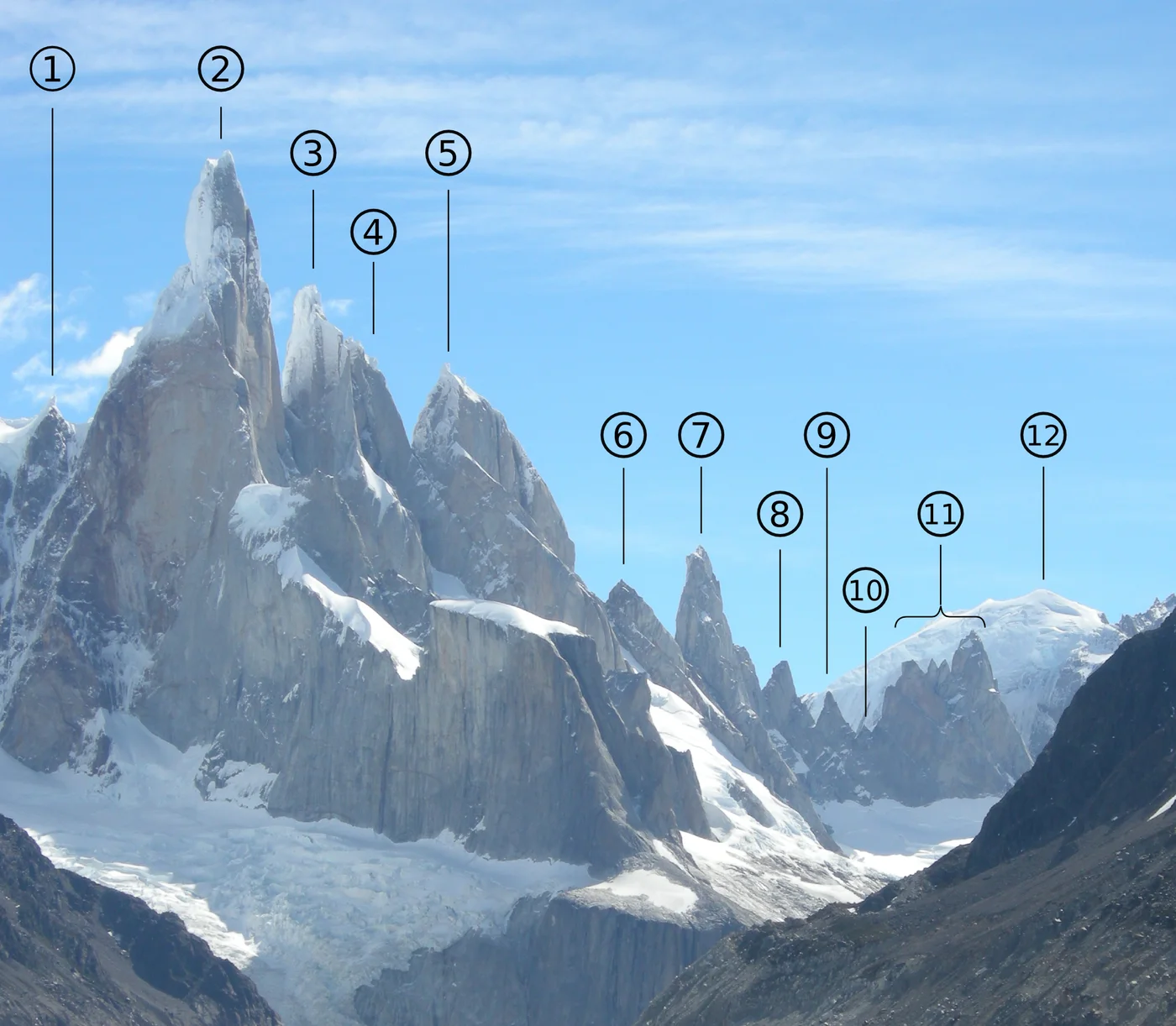
Torre Egger is an extraordinarily steep granite needle rising to 2,685 meters in the Cerro Torre group of Patagonia, situated between Cerro Torre and Aguja Standhardt. Named in memory of Austrian climber Toni Egger who perished on Cerro Torre in 1959, the spire is widely considered by elite alpinists to be technically harder than Cerro Torre itself due to unbroken vertical granite walls, hanging ice daggers, and brutal weather. It was first climbed in December 1976 by Americans Jim Donini, John Bragg, and Michael de la Yane, and achieved international fame when Canadian solo sensation Marc-André Leclerc completed the historic first solo winter ascent in September 2016.
Pioneered & Associated Routes (6)
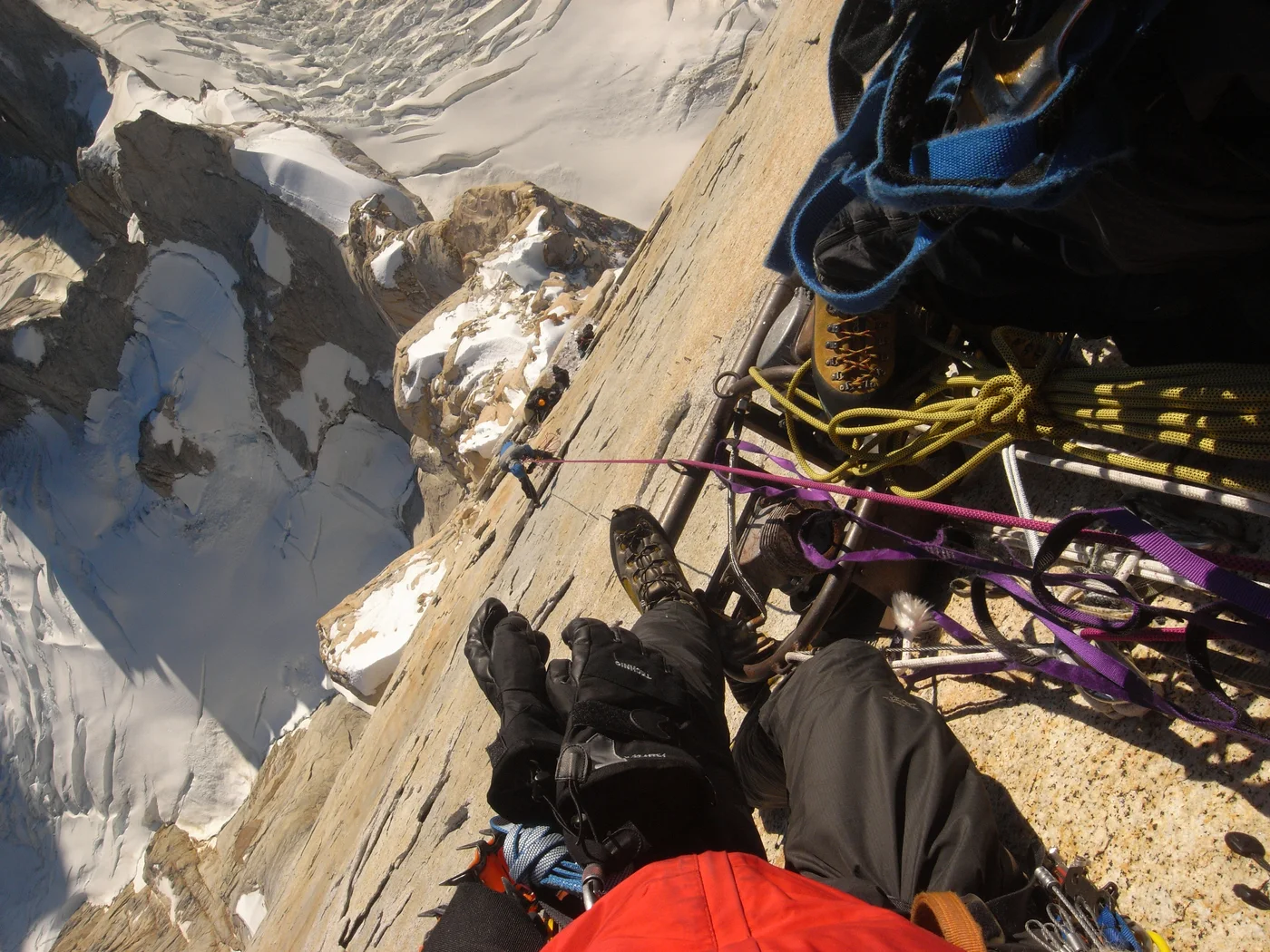
Compressor Route (Southeast Ridge)
The Compressor Route along the Southeast Ridge of Cerro Torre is one of mountaineering history's most renowned and debated lines. Initiated in 1970 by Italian climber Cesare Maestri using an Atlas Copco gas-powered air compressor to install roughly 400 expansion bolts up blank headwalls, the route was completed to the true summit in January 1979 by American climbers Jim Bridwell and Steve Brewer in an audacious alpine-style push.
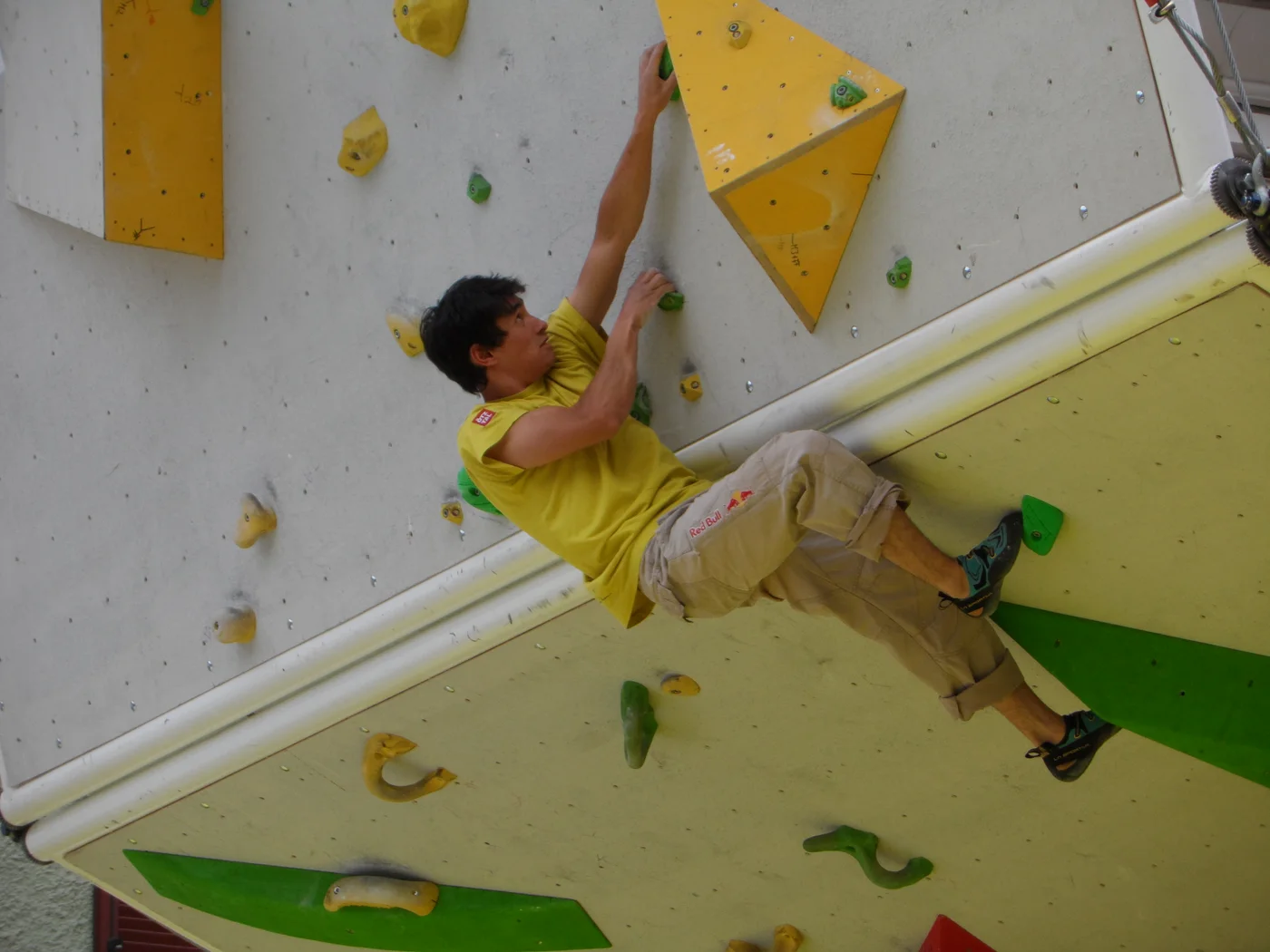
Southeast Ridge Free Line (Lama Route)
The Southeast Ridge Free Line on Cerro Torre is one of the crowning triumphs of modern free climbing. First envisioned and freed in January 2012 by Austrian prodigy David Lama, alongside Peter Ortner, the route free-climbs the sheer, exposed granite of the Southeast Ridge without using Cesare Maestri's artificial bolt ladders, establishing a pure line rated 5.13b (8a) up to the summit rime mushroom.
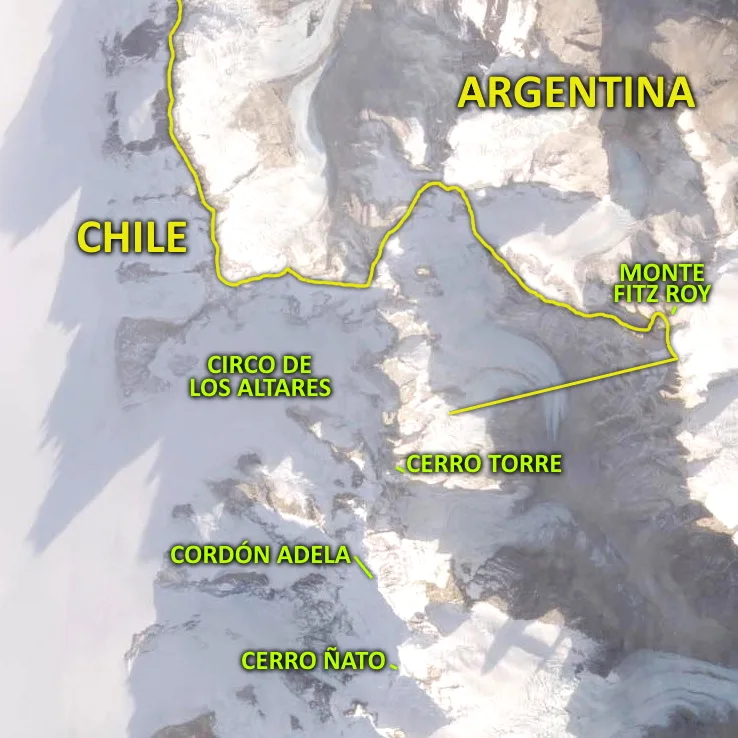
Cerro Torre West Face (Via dei Ragni)
The Via dei Ragni (Ragni Route) on the West Face of Cerro Torre is widely regarded as one of the world's most aesthetic, difficult, and prestigious mixed alpine ice climbs. Pioneered in January 1974 by Casimiro Ferrari, Daniele Chiappa, Mario Conti, and Pino Negri of the Ragni di Lecco, the route ascends 600 metres of vertical granite, sheer mixed gullies, and towering vertical rime-ice mushrooms (graded AI5+ M4). It represents the first undisputed, definitive route to the summit of Cerro Torre.
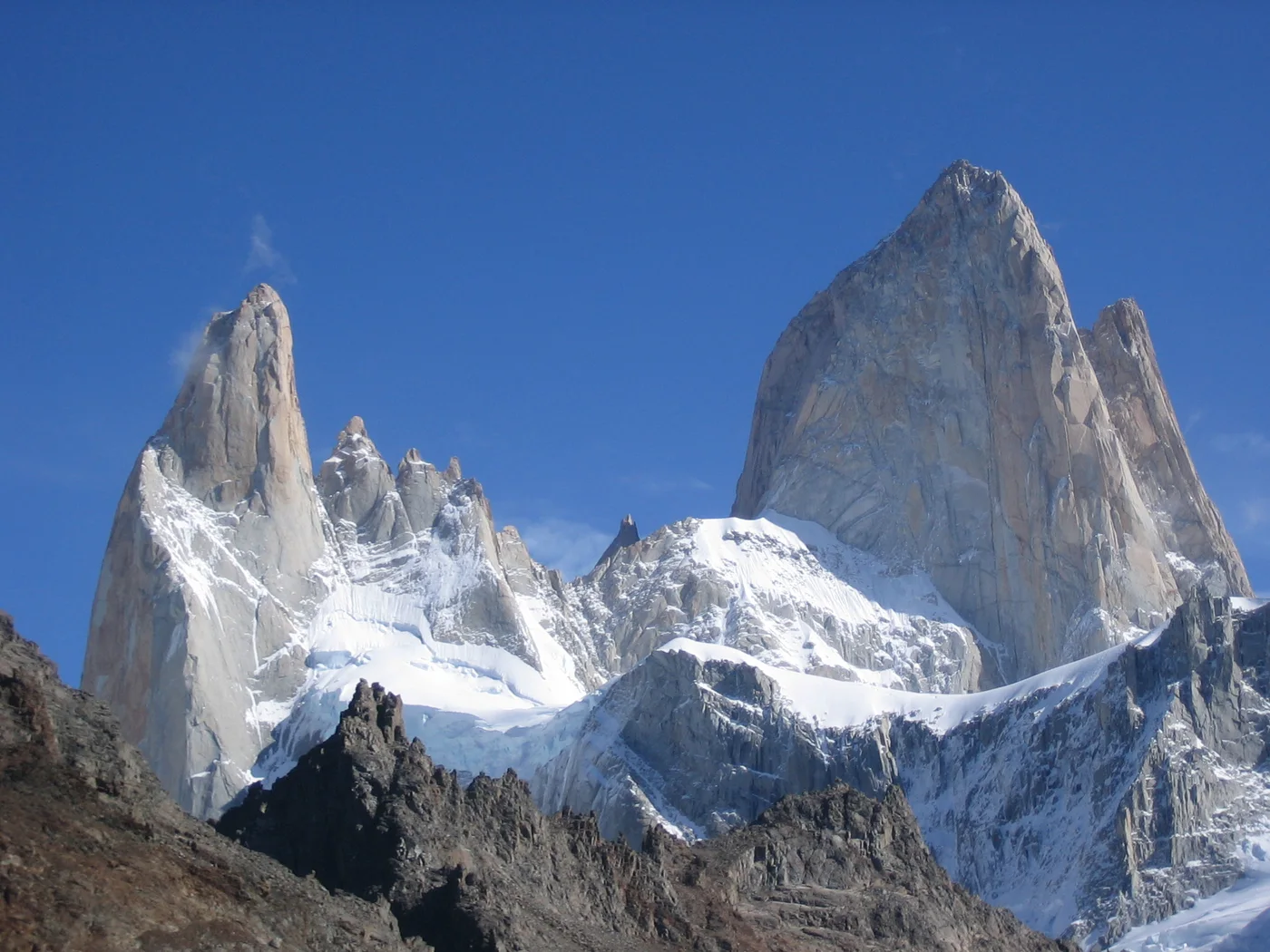
Franco-Argentine Route
The Franco-Argentine Route on Cerro Fitz Roy is the historic first ascent line on Patagonia's most iconic granite monolith. Pioneered in February 1952 by French climbers Lionel Terray and Guido Magnone, the route ascends the Brecha de los Italianos, traverses the south shoulder, and tackles sustained vertical granite cracks up to French 6c (5.11a) and A2 aid amid ferocious Patagonian winds.
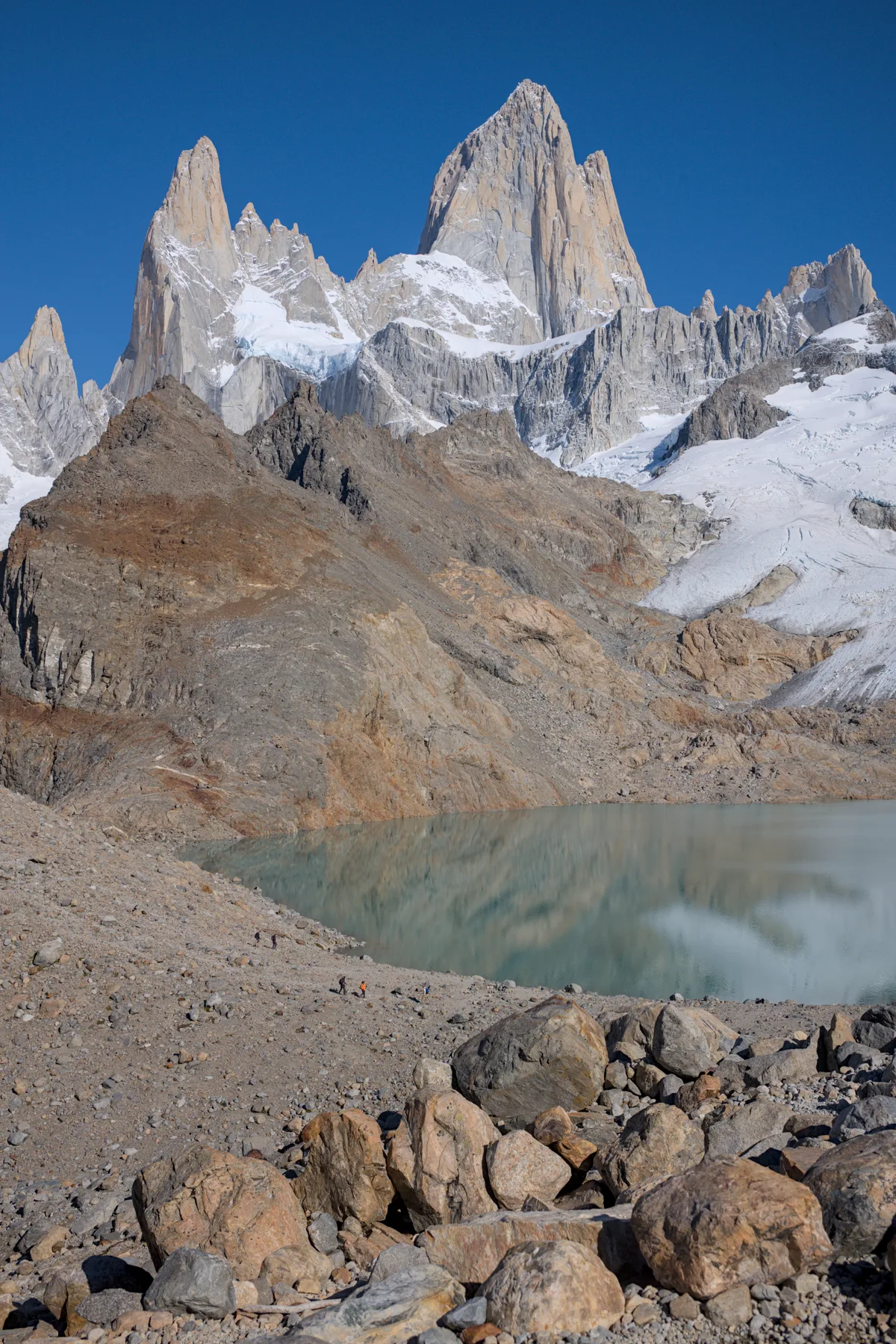
Fitz Roy Supercanaleta
The Supercanaleta on the Southwest Face of Cerro Fitz Roy (3,405 m) is one of the most legendary, direct, and imposing alpine ice lines in the world. Ascending an unbroken 1,600-metre vertical couloir of ice, snow, and mixed granite chimneys, it was first conquered in January 1965 in pure alpine style by Argentine mountaineering prodigies José Luis Fonrouge and Carlos Comesaña over two and a half days.
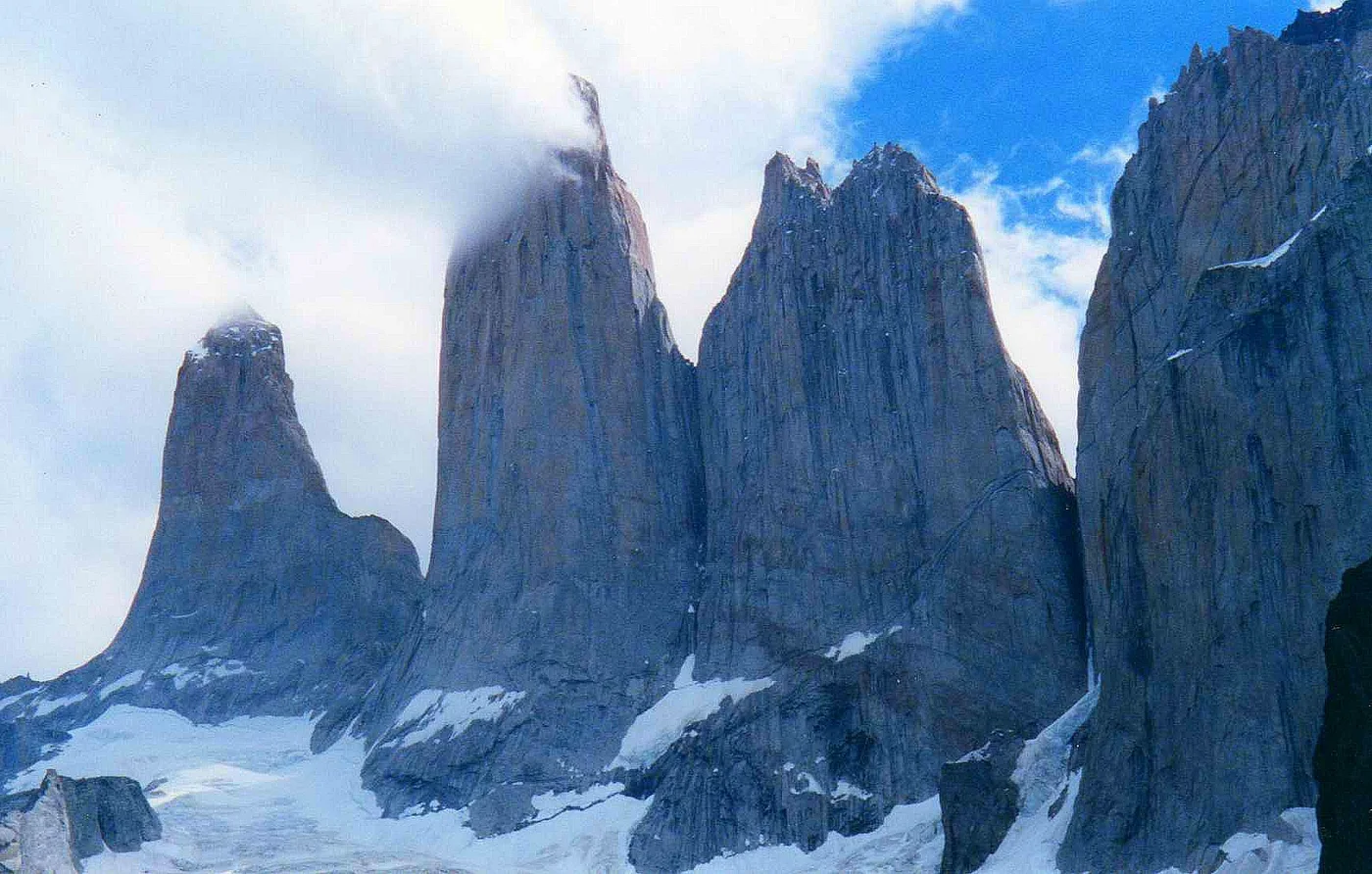
Titanic (East Pillar)
Titanic on the East Pillar of Torre Egger is one of Patagonia's most celebrated and demanding big-wall granite routes. Established in 1987 by Italian masters Maurizio Giarolli and Elio Orlandi, the route ascends 950 meters of vertical to overhanging crystalline granite directly up the proud eastern prow, tackling sustained 5.10 and 5.11 free climbing, technical A2 aid, and icy rime chimneys guarding the summit.
Documented Sources & Archival Citations
- American Alpine Journal: The Torre Traverse(Rolando Garibotti / American Alpine Club)
Supporting claim: Garibotti's definitive narrative of the 2008 first complete traverse of the Torre massif
Accessed/Documented: 2008 - Patagonia Vertical: Chaltén Massif Topo Guidebook(Rolando Garibotti and Dörte Pietron / Sidarta)
Supporting claim: Comprehensive reference work on routes, topos, and first ascent histories in Patagonia
Accessed/Documented: 2026