1897 First Ascent of Mount Aconcagua by Matthias Zurbriggen
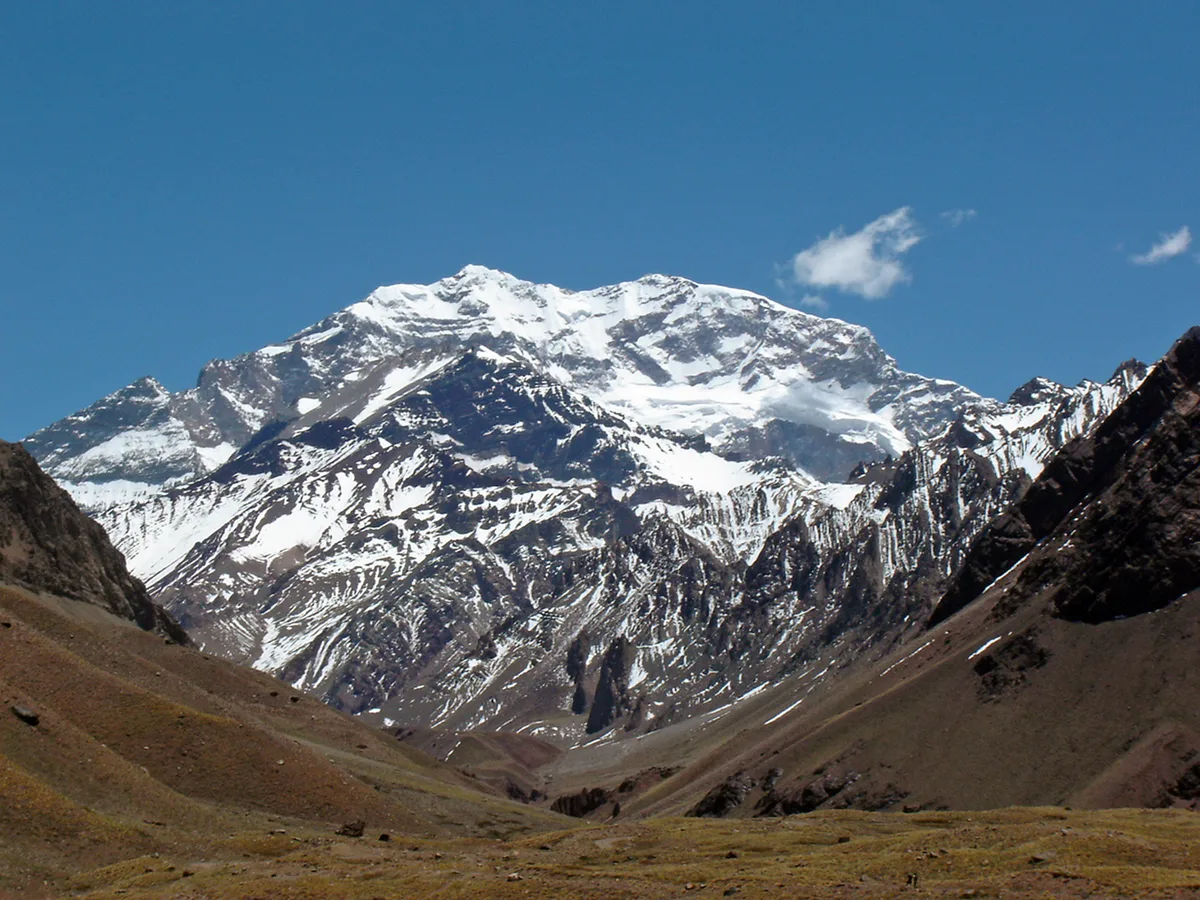
On January 14, 1897, Swiss mountain guide Matthias Zurbriggen achieved the historic first ascent of Mount Aconcagua, battling severe mountain sickness, ferocious Andean gales, and loose scree to summit the 6,961-metre Colossus of America alone.
Mountain Safety & Conditions Disclaimer: High-altitude climbing, glacial travel, and technical ascents entail severe objective risks including avalanches, serac collapses, rapid weather collapse, and altitude illness. Historical route descriptions and summit claims on Mountanity reflect documented archival sources and must not be used as live operational safety assessments. Local regulations, permits, and physical glacial topography change continuously.
Peer Review: Senior Editorial Board & Historical Reviewers • Editorial Standards
Official Expedition Narrative & Archival Record
In late December 1896, a well-equipped British expedition organized and financed by Edward FitzGerald arrived at the base of Mount Aconcagua in Mendoza Province, Argentina. Hiring legendary Swiss alpine guide Matthias Zurbriggen from Saas-Fee, the expedition sought to conquer the highest mountain outside of Asia. Establishing high camps in the Horcones Valley, the team suffered acutely from freezing sub-zero storms, lack of acclimatization, and violent altitude sickness. On multiple pushes, FitzGerald collapsed from nausea and exhaustion just below 6,000 metres. Recognizing that the brief weather window was closing, Zurbriggen launched a solitary bid from the highest tent at 5,800 metres on the morning of January 14, 1897. Trudging through deep frozen snow and the notorious loose scree of the Canaleta, Zurbriggen fought extreme exhaustion, freezing winds, and thin air. At 4:45 p.m., he stood alone on the 6,961-metre summit of Aconcagua, erecting a stone cairn and leaving his ice axe. His triumph stood as the ultimate high-altitude milestone of 19th-century mountaineering, establishing Aconcagua as the premier objective of Andean exploration.
Documented Team Composition
- Matthias Zurbriggen (Guide, Switzerland — Summit Solo)
- Edward FitzGerald (Expedition Leader, United Kingdom)
- Stuart Vines (Climber, United Kingdom)
- Philip Gosse (Naturalist, United Kingdom)
- Nicola Lanti (Porter / Guide, Italy)
- Alois Pollinger (Porter / Guide, Switzerland)
Key Statistics & Topographic Figures
- Summit Date
- January 14, 1897 (First human ascent, solo)
- Mountain
- Mount Aconcagua (6,961 m / 22,838 ft)
- Expedition Leader
- Edward FitzGerald (UK)
- Summit Guide
- Matthias Zurbriggen (Switzerland)
- Range
- Principal Cordillera, Andes, Argentina
Archival Primary Source Quotations
“At last I stood upon the crest; all the Andes were beneath my feet, and the Pacific shone in the distant sun.”
Defined Alpine Terminology & Concepts
- Normal Route (Aconcagua)
- The standard northern trail ascending the Horcones Valley, Nido de Cóndores, and the Canaleta.
- First Solo Ascent
- Reaching an unclimbed high-altitude summit without a rope partner or active support on the final push.
Frequently Asked Questions: 1897 First Ascent of Mount Aconcagua by Matthias Zurbriggen
What was the 1897 Zurbriggen Aconcagua Expedition?
The historic first human ascent of Mount Aconcagua (6,961 m), the highest peak in the Western Hemisphere, completed solo by Swiss guide Matthias Zurbriggen on January 14, 1897.
Why did Matthias Zurbriggen summit Aconcagua alone?
Expedition organizer Edward FitzGerald collapsed repeatedly from severe acute mountain sickness at 6,000 metres, compelling Zurbriggen to make the final bid solo.
What route did Zurbriggen climb on Aconcagua?
The Normal Route via the Horcones Valley, traversing the steep loose scree and ice of the Canaleta to the summit crest.
What did Zurbriggen leave on the summit of Aconcagua?
He erected a stone cairn and left his wooden ice axe as indisputable physical proof of the first ascent.
What other high Andean peak did Zurbriggen conquer that season?
In April 1897, Zurbriggen completed the first ascent of Nevado Tupungato (6,570 m) with Stuart Vines.
Ascent Route & Topography
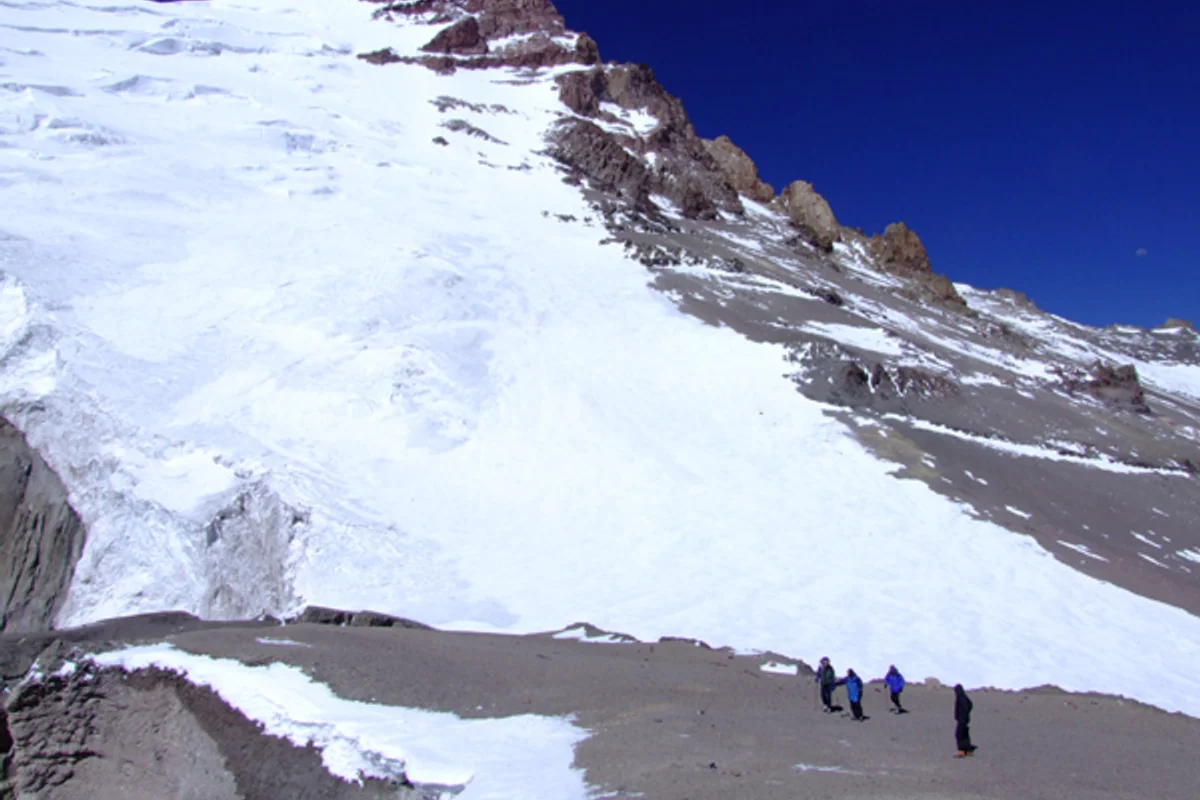
Polish Glacier (Aconcagua)
The Polish Glacier is the premier technical mountaineering route on Mount Aconcagua, ascending the steep eastern glaciated face over 1,000 vertical metres. Graded French D with sustained 50° to 65° slopes of hard alpine ice, it provides a dramatic, highly aesthetic alternative to the standard trekking route.
Target Objective Peak
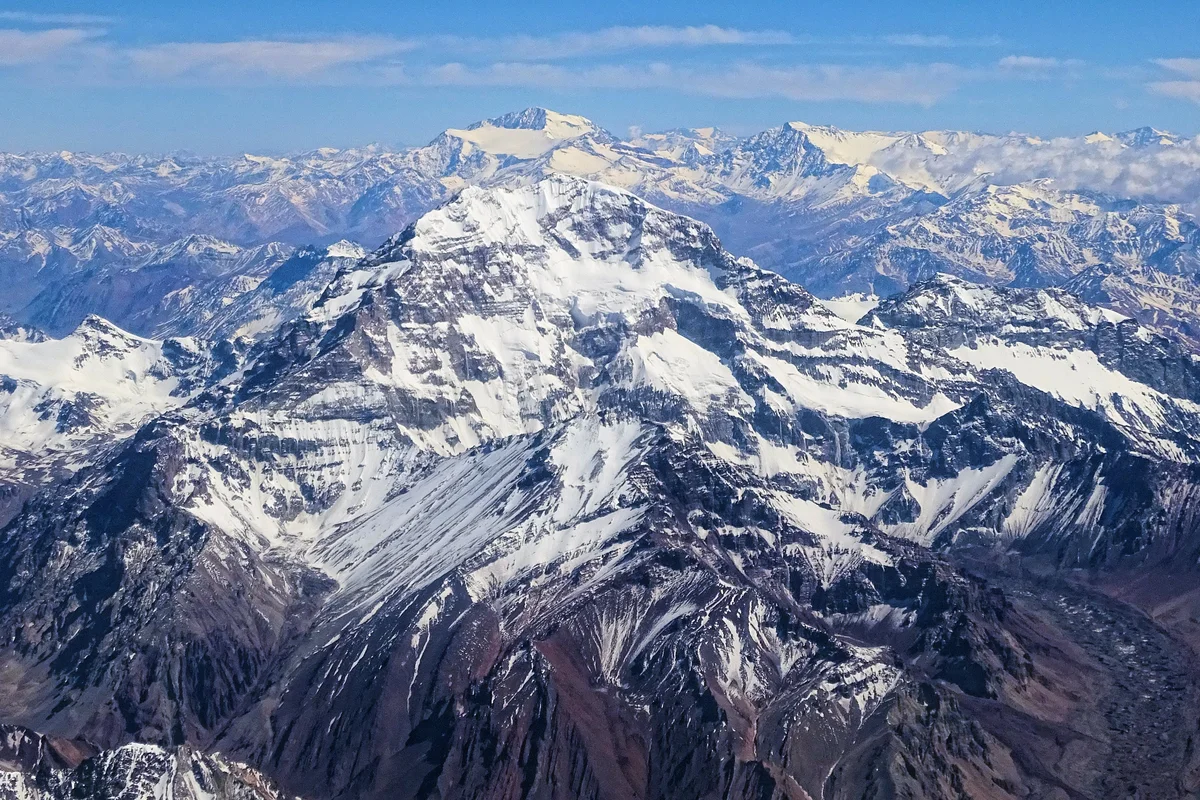
Aconcagua
Aconcagua is the highest mountain in the Americas and the highest peak outside Asia, rising to 6,961 metres in Argentina's Andes. Celebrated as the second most topographically prominent mountain on Earth, it features colossal glaciated faces, intense high-altitude gales, and historic routes including the Polish Glacier.
Featured Expedition Climber
Matthias Zurbriggen
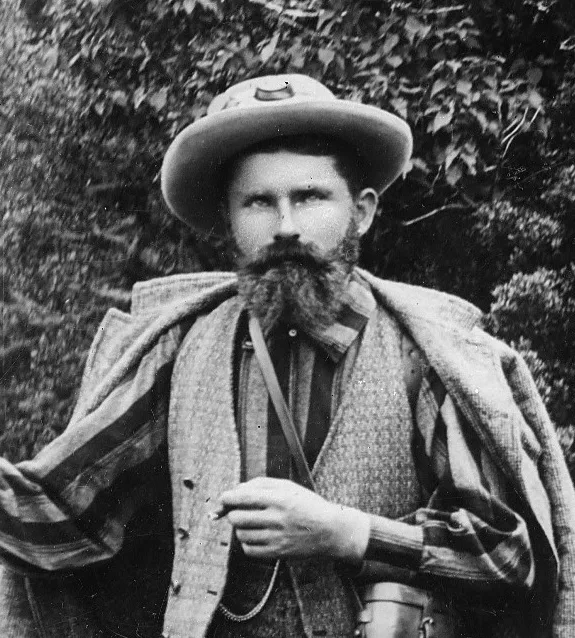
Born on May 15, 1856, in Saas-Fee in the Valais Alps of Switzerland, Matthias Zurbriggen grew up in humble circumstances before becoming one of the most gifted and enduring mountain guides of the 19th century. Possessing phenomenal stamina and high-altitude physiological adaptability, Zurbriggen was hired for epic exploratory expeditions across three continents. In 1892, he served as lead guide on Sir Martin Conway's Karakoram expedition, reaching 6,890 metres on Pioneer Peak on Baltoro Kangri to establish a new world mountaineering altitude record. In 1895, Zurbriggen traveled to New Zealand, where he completed the historic second ascent of Aoraki / Mount Cook and the first solo climb of the peak via the hazardous Zurbriggen Ridge. His crowning triumph arrived on January 14, 1897, during Edward FitzGerald's British expedition to the high Andes of Argentina. After FitzGerald collapsed from acute mountain sickness at 6,000 metres, Zurbriggen pressed upward alone through sub-zero gales and loose scree to stand atop the 6,961-metre summit of Aconcagua, marking the first human ascent of the highest mountain in the Americas. Later that season, he also achieved the first ascent of Tupungato (6,570 m). Zurbriggen published his celebrated autobiography, 'From the Alps to the Andes', in 1899. He died in Geneva on June 21, 1917, remembered as a fearless titan of global alpine exploration.
Associated Historical Chronicles & Stories
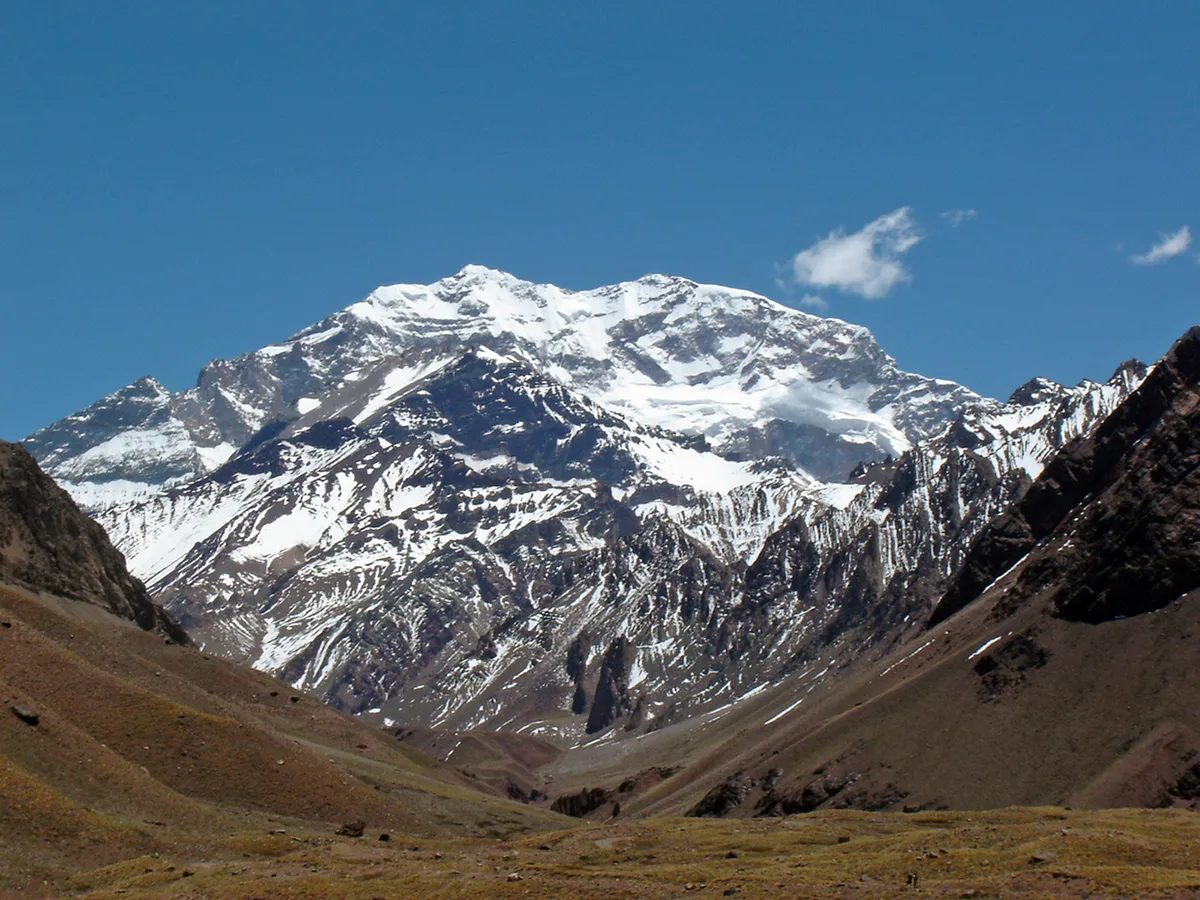
The Stone Sentinel: Matthias Zurbriggen's 1897 Solo Conquest of Aconcagua
On January 14, 1897, Swiss mountain guide Matthias Zurbriggen battled deadly altitude sickness, howling Andean gales, and the shifting scree of the Canaleta to stand alone on the 6,961-metre summit of Mount Aconcagua.
Documented Sources & Archival Citations
- From the Alps to the Andes: Being the Autobiography of a Mountain Guide(Matthias Zurbriggen / T. Fisher Unwin, London)
Supporting claim: Zurbriggen's personal account of his historic 1897 solo summit push on Aconcagua
Accessed/Documented: 1899 - The Highest Andes(Edward FitzGerald / Methuen & Co.)
Supporting claim: Official expedition journal chronicling the British expedition to Aconcagua and Tupungato
Accessed/Documented: 1899